
Therapeutic Meal Planning
Therapeutic Meal Planning: Therapeutic meal planning is a crucial aspect of cooking therapy that involves creating nutritionally balanced meals to address specific health conditions or support overall well-being. It focuses on using food as…
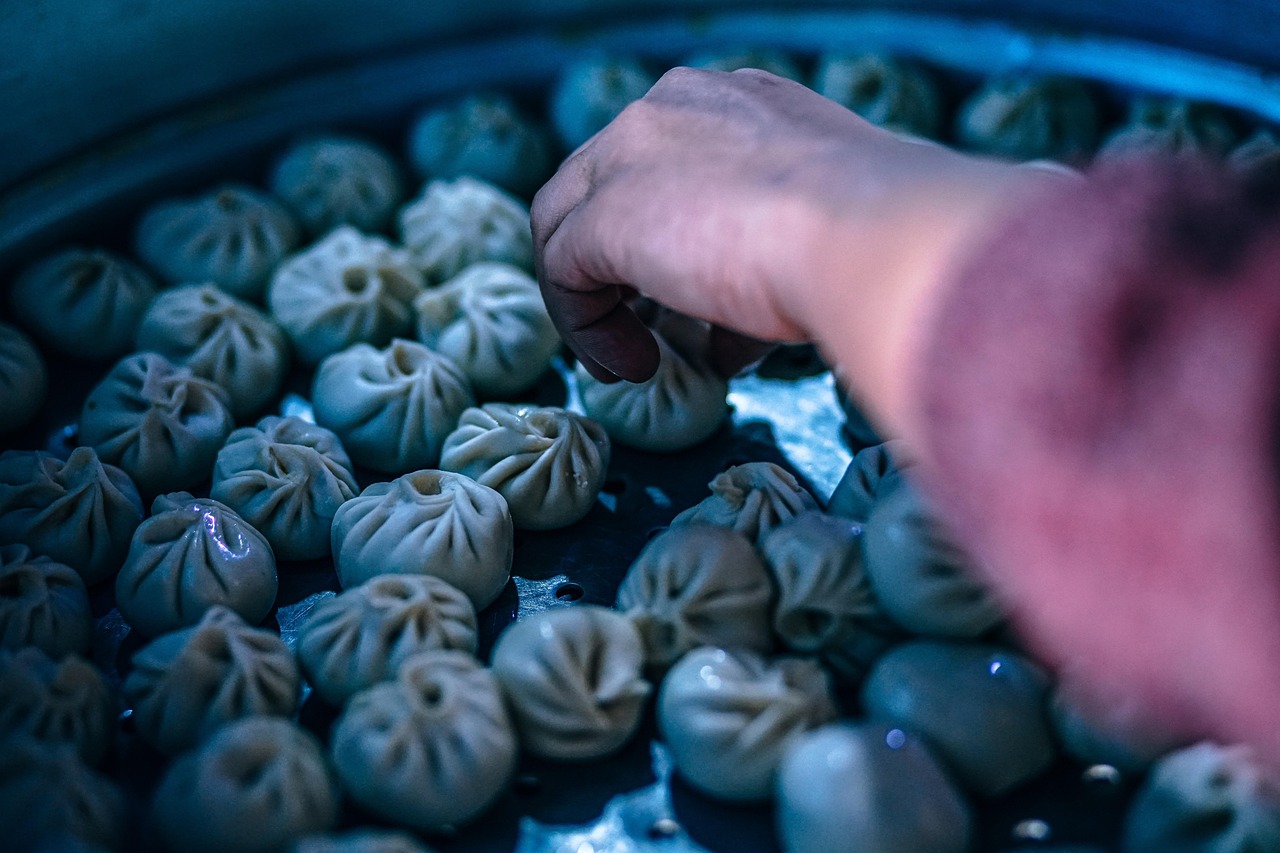
Therapeutic Meal Planning: Therapeutic meal planning is a crucial aspect of cooking therapy that involves creating nutritionally balanced meals to address specific health conditions or support overall well-being. It focuses on using food as a form of therapy to promote healing, manage symptoms, and improve overall health outcomes.
Cooking Therapy Techniques: Cooking therapy techniques encompass a variety of cooking methods, meal planning strategies, and culinary practices that are used to support physical, mental, and emotional well-being. These techniques can range from simple meal preparation to more complex cooking processes designed to meet specific therapeutic goals.
Masterclass Certificate: A masterclass certificate is a formal recognition of completing a specialized training program or course that provides in-depth knowledge and practical skills in a particular subject area. In the context of cooking therapy techniques, a masterclass certificate signifies proficiency in therapeutic meal planning and related culinary practices.
Key Terms and Vocabulary:
1. Nutritional Therapy: Nutritional therapy involves using food as a tool to prevent or treat various health conditions. It focuses on creating personalized nutrition plans tailored to an individual's specific needs and health goals. Nutritional therapy can address a wide range of issues, including weight management, digestive disorders, and chronic diseases.
2. Macronutrients: Macronutrients are nutrients that provide energy to the body and include carbohydrates, proteins, and fats. These essential nutrients are needed in large quantities to support various bodily functions, such as metabolism, growth, and repair. A balanced intake of macronutrients is crucial for overall health and well-being.
3. Micronutrients: Micronutrients are essential vitamins and minerals that are required in smaller quantities but are equally important for maintaining good health. These nutrients play key roles in supporting immune function, energy production, and overall wellness. Examples of micronutrients include vitamin C, iron, and calcium.
4. Therapeutic Diet: A therapeutic diet is a specialized eating plan designed to manage or improve a specific health condition. Therapeutic diets are tailored to individual needs and may involve specific nutrient restrictions or modifications to address dietary deficiencies or health concerns. Examples of therapeutic diets include the Mediterranean diet for heart health and the low FODMAP diet for digestive disorders.
5. Food Allergies and Intolerances: Food allergies and intolerances are immune reactions or sensitivities to certain foods that can cause a range of symptoms, from mild discomfort to severe reactions. It is essential to consider food allergies and intolerances when creating therapeutic meal plans to ensure that individuals can safely consume the recommended foods without adverse effects.
6. Mindful Eating: Mindful eating is a practice that involves paying attention to the sensory experience of eating, such as taste, texture, and aroma, without judgment. It encourages individuals to be present in the moment while eating, fostering a deeper connection with food and promoting healthy eating habits. Mindful eating can help improve digestion, reduce overeating, and enhance overall meal satisfaction.
7. Culinary Medicine: Culinary medicine is an emerging field that combines the science of nutrition with the art of cooking to promote health and well-being. It emphasizes the use of whole, minimally processed foods and culinary techniques to prevent and treat chronic diseases. Culinary medicine integrates evidence-based nutrition guidelines with practical cooking skills to empower individuals to make healthier food choices.
8. Therapeutic Cooking Techniques: Therapeutic cooking techniques are culinary methods that are specifically used to support health and well-being. These techniques may include steaming, sautéing, roasting, and blending, among others, to preserve nutrients, enhance flavors, and promote digestion. Therapeutic cooking techniques aim to optimize the nutritional value of foods while creating delicious and satisfying meals.
9. Seasonal Eating: Seasonal eating is a dietary practice that involves consuming foods that are in season and locally available. Seasonal eating promotes freshness, flavor, and nutrient density in meals while supporting environmental sustainability. By aligning food choices with the natural harvest cycle, seasonal eating can provide a variety of nutrients and flavors throughout the year.
10. Adaptive Cooking Tools: Adaptive cooking tools are specialized utensils, appliances, and equipment designed to assist individuals with physical or cognitive challenges in the kitchen. These tools can help improve independence, safety, and efficiency during meal preparation for individuals with disabilities or limitations. Examples of adaptive cooking tools include ergonomic knives, non-slip cutting boards, and easy-grip utensils.
11. Meal Planning Apps: Meal planning apps are digital tools that help individuals organize, plan, and track their meals and recipes. These apps often include features such as recipe databases, grocery lists, nutritional information, and meal scheduling functionalities. Meal planning apps can streamline the meal planning process, save time, and support healthy eating habits by providing convenient access to meal ideas and resources.
12. Emotional Eating: Emotional eating is a behavior that involves using food to cope with or suppress emotions, such as stress, anxiety, or sadness. Emotional eating is often driven by psychological factors rather than physical hunger, leading to overeating and unhealthy food choices. Therapeutic meal planning can help individuals develop awareness of emotional eating triggers and cultivate healthier ways to manage emotions without relying on food.
13. Food Sustainability: Food sustainability refers to the practice of producing, distributing, and consuming food in ways that support environmental health, social equity, and economic viability. Sustainable food practices aim to minimize the impact of food production on the environment, conserve natural resources, and promote ethical food sourcing and consumption. By choosing sustainably sourced foods, individuals can support long-term food security and environmental preservation.
14. Food Waste Reduction: Food waste reduction is the practice of minimizing food waste at all stages of the food supply chain, from production to consumption. It involves strategies such as meal planning, proper storage, portion control, and creative use of leftovers to reduce unnecessary food waste. Food waste reduction not only conserves resources and reduces environmental impact but also saves money and supports sustainable food practices.
15. Culinary Therapy Workshops: Culinary therapy workshops are educational programs or classes that focus on using cooking and food preparation as a form of therapy. These workshops often provide hands-on cooking experiences, nutrition education, and practical skills training to help participants improve their relationship with food, develop healthy eating habits, and enhance overall well-being. Culinary therapy workshops can be tailored to specific populations, such as individuals with eating disorders, mental health conditions, or chronic diseases.
16. Community Supported Agriculture (CSA): Community Supported Agriculture (CSA) is a farming model in which consumers purchase shares or subscriptions from local farms in exchange for a regular supply of fresh produce. CSA programs support sustainable agriculture, strengthen community connections, and provide consumers with access to locally grown, seasonal foods. By participating in CSA programs, individuals can support small-scale farmers, promote food security, and enjoy a variety of fresh, nutritious fruits and vegetables.
17. Therapeutic Meal Prepping: Therapeutic meal prepping involves preparing and portioning meals in advance to support healthy eating habits and save time during the week. Meal prepping can help individuals make better food choices, control portion sizes, and reduce reliance on convenience foods. By planning and prepping meals ahead of time, individuals can streamline their meal planning process, minimize food waste, and ensure access to nutritious meals throughout the week.
18. Culinary Nutrition: Culinary nutrition is the integration of nutrition science with culinary arts to create delicious and nutritious meals. It focuses on using whole, minimally processed ingredients to maximize the nutritional value of meals while enhancing flavor and culinary creativity. Culinary nutrition emphasizes the importance of nutrient-dense foods, balanced meals, and sustainable food practices to support optimal health and well-being.
19. Food Therapy: Food therapy is a holistic approach to health and wellness that uses food as a form of medicine to promote healing, balance, and vitality. Food therapy incorporates principles of traditional Chinese medicine, Ayurveda, and other healing traditions to support overall health through mindful food choices, cooking techniques, and dietary practices. By understanding the therapeutic properties of foods and their effects on the body, individuals can optimize their diet to support physical, emotional, and spiritual well-being.
20. Therapeutic Meal Plans: Therapeutic meal plans are structured eating plans designed to meet specific health goals, dietary needs, or nutritional requirements. These meal plans are tailored to individual preferences, food sensitivities, and health conditions to support optimal health outcomes. Therapeutic meal plans may include a variety of nutrient-rich foods, balanced macronutrient ratios, and portion-controlled servings to address specific health concerns or promote overall well-being.
Key takeaways
- Therapeutic Meal Planning: Therapeutic meal planning is a crucial aspect of cooking therapy that involves creating nutritionally balanced meals to address specific health conditions or support overall well-being.
- Cooking Therapy Techniques: Cooking therapy techniques encompass a variety of cooking methods, meal planning strategies, and culinary practices that are used to support physical, mental, and emotional well-being.
- Masterclass Certificate: A masterclass certificate is a formal recognition of completing a specialized training program or course that provides in-depth knowledge and practical skills in a particular subject area.
- Nutritional therapy can address a wide range of issues, including weight management, digestive disorders, and chronic diseases.
- These essential nutrients are needed in large quantities to support various bodily functions, such as metabolism, growth, and repair.
- Micronutrients: Micronutrients are essential vitamins and minerals that are required in smaller quantities but are equally important for maintaining good health.
- Therapeutic diets are tailored to individual needs and may involve specific nutrient restrictions or modifications to address dietary deficiencies or health concerns.