
Culinary Techniques for Emotional Regulation
Culinary Techniques for Emotional Regulation: In the Masterclass Certificate in Cooking Therapy Techniques, culinary techniques are explored as a means of emotional regulation. This course delves into how cooking and food preparation can be…
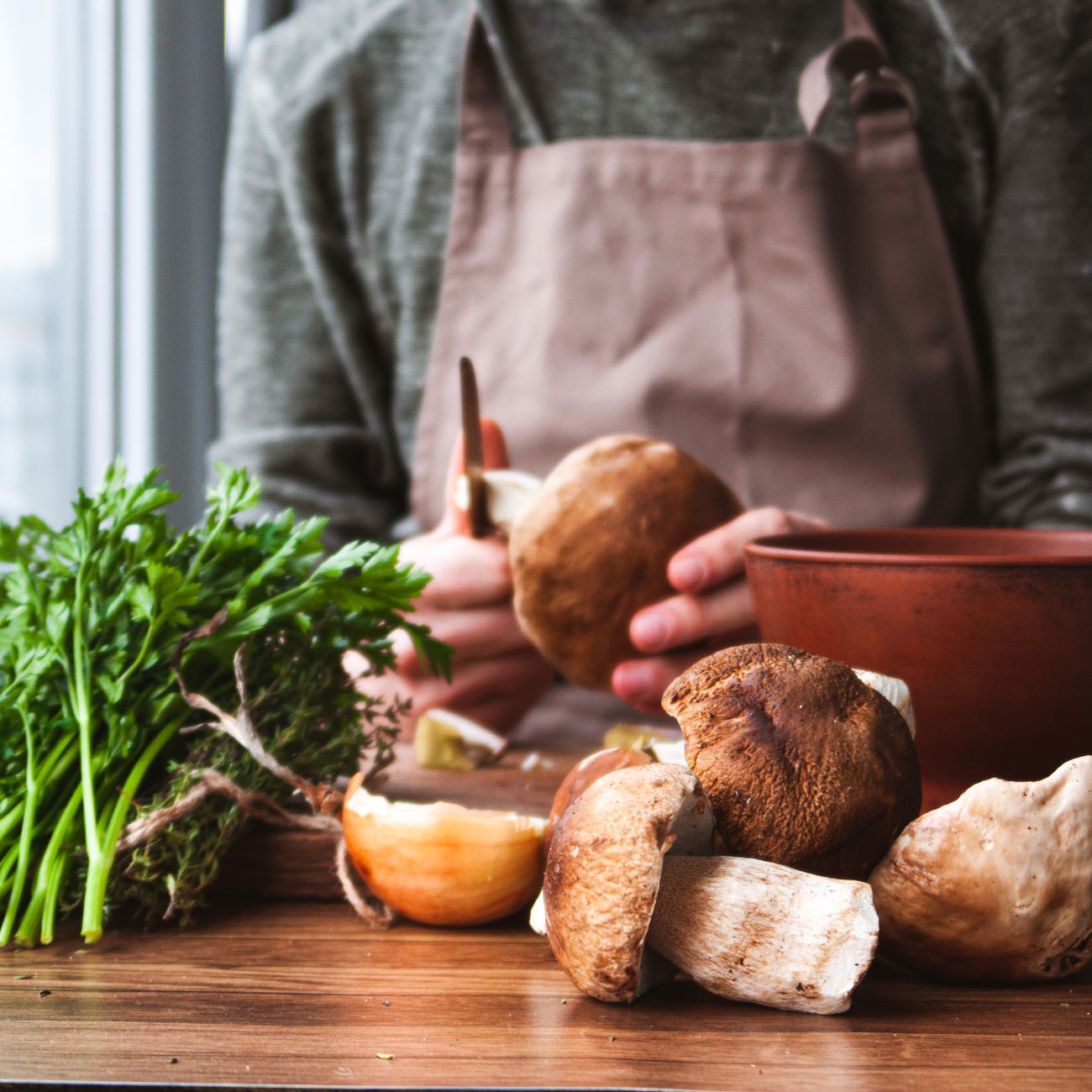
Culinary Techniques for Emotional Regulation: In the Masterclass Certificate in Cooking Therapy Techniques, culinary techniques are explored as a means of emotional regulation. This course delves into how cooking and food preparation can be utilized to manage and regulate emotions effectively. By understanding key terms and vocabulary in this context, participants can enhance their understanding of the therapeutic benefits of cooking.
Emotional Regulation: Emotional regulation refers to the ability to manage and control one's emotions in a healthy and constructive manner. This skill is essential for maintaining emotional well-being and coping with stress, anxiety, and other emotional challenges. In the context of cooking therapy techniques, emotional regulation involves using cooking as a tool to regulate and stabilize emotions.
Cooking Therapy Techniques: Cooking therapy techniques involve the use of cooking and food preparation as a therapeutic tool to promote emotional well-being and mental health. These techniques can include mindful cooking, cooking for self-expression, and using cooking as a form of self-care. By incorporating these techniques into daily life, individuals can enhance their emotional regulation skills and improve their overall well-being.
Masterclass Certificate: The Masterclass Certificate in Cooking Therapy Techniques is a comprehensive program that provides participants with in-depth knowledge and practical skills in using cooking as a therapeutic tool for emotional regulation. This certificate program equips participants with the necessary skills to apply cooking therapy techniques in various settings, including clinical practice, community programs, and personal development.
Key Terms and Vocabulary:
1. Mindful Cooking: Mindful cooking involves being fully present and aware while preparing and cooking food. This practice emphasizes focusing on the senses, such as sight, smell, taste, and touch, to enhance the cooking experience. By practicing mindful cooking, individuals can reduce stress and anxiety, improve concentration, and promote emotional regulation.
2. Emotional Eating: Emotional eating refers to the habit of using food as a coping mechanism for dealing with emotions. This behavior is often triggered by stress, sadness, or boredom and can lead to unhealthy eating patterns. In cooking therapy techniques, addressing emotional eating is essential to promote healthy relationships with food and improve emotional regulation.
3. Culinary Therapy: Culinary therapy is a form of therapy that utilizes cooking and food preparation to address emotional and psychological issues. This therapeutic approach integrates cooking techniques, nutrition education, and mindfulness practices to promote emotional regulation and mental well-being. Culinary therapy can be used in individual or group settings to support individuals in managing their emotions effectively.
4. Food as Medicine: The concept of "food as medicine" emphasizes the healing properties of food and its role in promoting overall health and well-being. In cooking therapy techniques, using food as medicine involves incorporating nutritious ingredients that support emotional regulation and mental health. By understanding the nutritional value of food, individuals can use cooking to nourish both their bodies and minds.
5. Comfort Food: Comfort food refers to familiar and nostalgic foods that provide emotional comfort and satisfaction. These foods are often associated with positive emotions and memories, making them a popular choice for emotional regulation. In cooking therapy techniques, exploring the role of comfort food can help individuals understand their emotional connections to food and develop healthier coping strategies.
6. Culinary Skills: Culinary skills refer to the knowledge and techniques required for cooking and food preparation. These skills include knife skills, cooking methods, flavor combinations, and food safety practices. In the context of cooking therapy techniques, developing culinary skills can enhance one's confidence in the kitchen and promote a sense of accomplishment, which can contribute to emotional regulation.
7. Food Sensory Experience: The food sensory experience involves engaging the senses, such as taste, smell, sight, touch, and sound, while eating and preparing food. This sensory experience can evoke emotions, memories, and connections to food. In cooking therapy techniques, focusing on the food sensory experience can enhance emotional regulation by promoting mindfulness and awareness during cooking and eating.
8. Culinary Creativity: Culinary creativity involves experimenting with ingredients, flavors, and cooking techniques to create unique and innovative dishes. This creative expression can be a therapeutic outlet for self-expression and emotional regulation. In cooking therapy techniques, encouraging culinary creativity can help individuals explore their emotions and thoughts through the medium of cooking.
9. Food Sustainability: Food sustainability refers to the practice of consuming and producing food in a way that supports the environment, community, and future generations. In cooking therapy techniques, promoting food sustainability can enhance emotional regulation by fostering a sense of connection to the earth and promoting mindful consumption. By understanding the impact of food choices on the environment, individuals can make more informed decisions that support their emotional well-being.
10. Culinary Connection: Culinary connection involves building relationships and connections through food and cooking. This social aspect of cooking can foster a sense of community, belonging, and support. In cooking therapy techniques, focusing on culinary connection can enhance emotional regulation by promoting social interactions, sharing meals, and creating meaningful connections with others through the shared experience of food.
Practical Applications: The key terms and vocabulary discussed in the Masterclass Certificate in Cooking Therapy Techniques have practical applications in various settings, including clinical practice, community programs, and personal development. By incorporating these terms into daily practice, individuals can enhance their understanding of cooking therapy techniques and improve their emotional regulation skills. For example, practicing mindful cooking can help individuals reduce stress and anxiety, while addressing emotional eating can promote healthy relationships with food. Culinary creativity can be used as a form of self-expression and emotional regulation, while culinary connection can foster social interactions and support networks. By applying these key terms and vocabulary in real-life situations, participants can experience the therapeutic benefits of cooking and enhance their emotional well-being.
Challenges: While the key terms and vocabulary in cooking therapy techniques provide valuable insights into emotional regulation and well-being, there are challenges that individuals may face when implementing these concepts. One challenge is overcoming emotional barriers that may hinder one's ability to engage in cooking therapy techniques effectively. For example, individuals with a history of disordered eating or trauma may find it challenging to connect with food in a positive and healthy way. Another challenge is maintaining consistency and motivation in practicing cooking therapy techniques, especially when faced with busy schedules or other priorities. Additionally, navigating social expectations and cultural norms around food and cooking can present challenges in incorporating culinary therapy into daily life. Despite these challenges, with dedication, support, and guidance, individuals can overcome obstacles and reap the benefits of cooking therapy techniques for emotional regulation and well-being.
By mastering the key terms and vocabulary in cooking therapy techniques, participants in the Masterclass Certificate in Cooking Therapy Techniques can deepen their understanding of the therapeutic benefits of cooking for emotional regulation. By incorporating these terms into daily practice, individuals can enhance their emotional well-being, improve their culinary skills, and foster meaningful connections through the shared experience of food and cooking. Through mindful cooking, emotional eating awareness, culinary creativity, and culinary connection, individuals can tap into the healing power of food and cooking to support their emotional regulation and mental health.
Key takeaways
- Culinary Techniques for Emotional Regulation: In the Masterclass Certificate in Cooking Therapy Techniques, culinary techniques are explored as a means of emotional regulation.
- Emotional Regulation: Emotional regulation refers to the ability to manage and control one's emotions in a healthy and constructive manner.
- Cooking Therapy Techniques: Cooking therapy techniques involve the use of cooking and food preparation as a therapeutic tool to promote emotional well-being and mental health.
- This certificate program equips participants with the necessary skills to apply cooking therapy techniques in various settings, including clinical practice, community programs, and personal development.
- By practicing mindful cooking, individuals can reduce stress and anxiety, improve concentration, and promote emotional regulation.
- In cooking therapy techniques, addressing emotional eating is essential to promote healthy relationships with food and improve emotional regulation.
- This therapeutic approach integrates cooking techniques, nutrition education, and mindfulness practices to promote emotional regulation and mental well-being.