
Creating Wildlife Habitats in Sensory Gardens
When it comes to creating wildlife habitats in sensory gardens, there are several key terms and vocabulary that are important to understand. Here are some of the most essential ones:
When it comes to creating wildlife habitats in sensory gardens, there are several key terms and vocabulary that are important to understand. Here are some of the most essential ones:
Sensory Gardens: A sensory garden is a type of garden that is designed to engage all of the senses, including sight, sound, smell, touch, and taste. These gardens often include a variety of plants, flowers, herbs, and other features that are intended to stimulate the senses and create a peaceful, relaxing environment.
Wildlife Habitats: A wildlife habitat is a natural environment that provides the necessary resources for a particular species of animal or plant to survive and thrive. This can include food, water, shelter, and space to grow and reproduce. In a sensory garden, wildlife habitats can be created by including plants and features that attract and support local wildlife.
Native Plants: Native plants are plants that are naturally occurring in a particular region or ecosystem. These plants are adapted to the local climate, soil, and other environmental conditions, and are therefore more likely to thrive in a sensory garden. By including native plants in a sensory garden, you can help to create a more authentic and sustainable wildlife habitat.
Biodiversity: Biodiversity refers to the variety of different species of plants, animals, and other organisms that exist within a particular ecosystem. In a sensory garden, biodiversity can be increased by including a wide variety of different plants, flowers, and other features that attract and support a range of different species.
Habitat Restoration: Habitat restoration is the process of restoring a natural environment that has been degraded or destroyed, in order to support local wildlife. In a sensory garden, habitat restoration can be achieved by including plants and features that help to recreate the natural habitat of local species.
Habitat Layering: Habitat layering is the process of creating different levels or layers of vegetation within a sensory garden, in order to support a wider range of wildlife. This can include ground covers, shrubs, trees, and other features that provide food, shelter, and other resources for different species at different heights.
Water Features: Water features are any type of feature that involves water, such as ponds, fountains, or bird baths. In a sensory garden, water features can help to attract and support local wildlife, such as birds, frogs, and insects, by providing a source of water for drinking, bathing, and breeding.
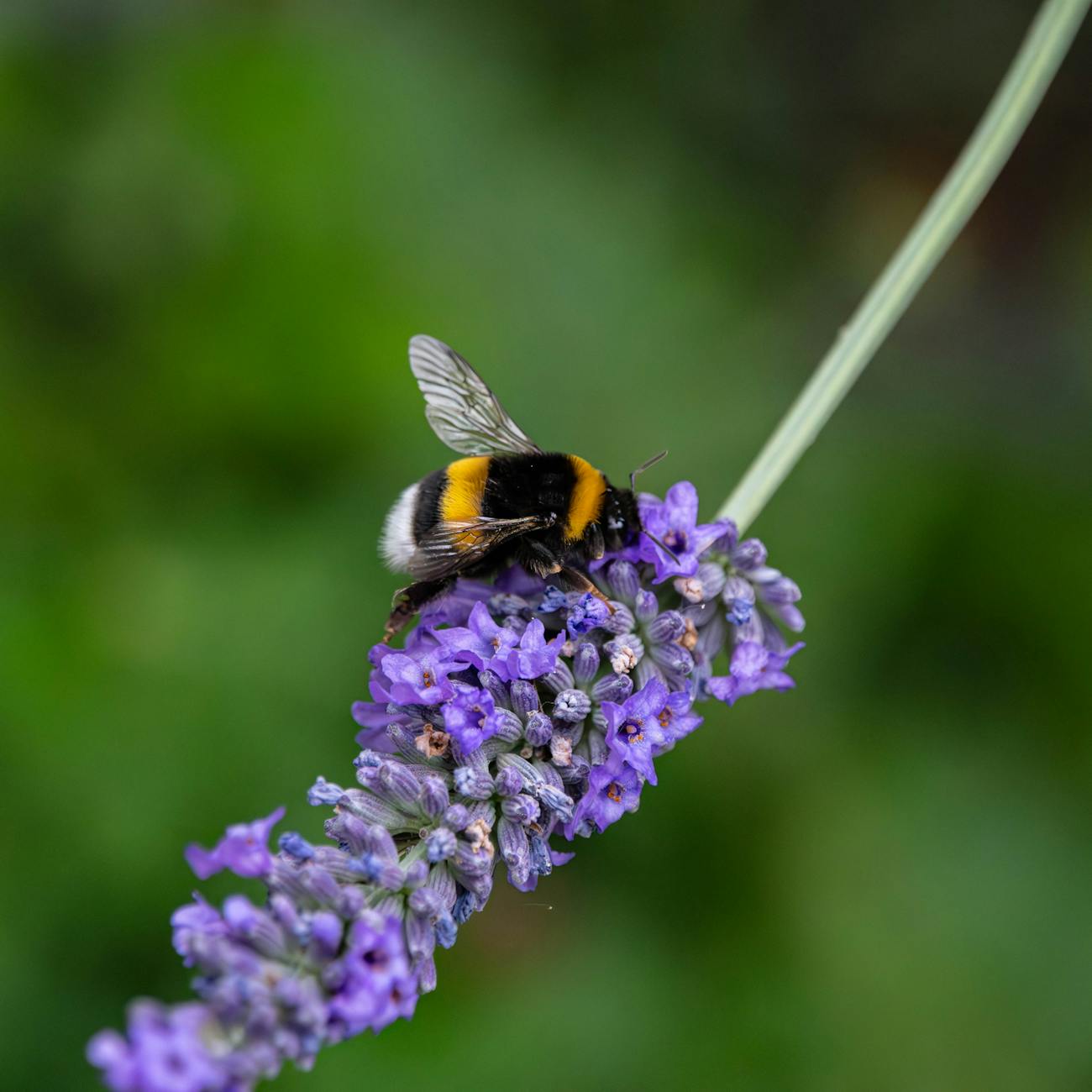
Pollinators: Pollinators are insects, such as bees, butterflies, and hummingbirds, that help to fertilize plants by transferring pollen from the male reproductive organs to the female reproductive organs. In a sensory garden, pollinators can be attracted and supported by including plants that produce nectar and pollen, such as flowers, herbs, and fruits.
Birdhouses and Birdfeeders: Birdhouses and birdfeeders are structures that are designed to provide shelter and food for birds. In a sensory garden, these can be used to attract and support local bird species, by providing a safe place for them to nest and feed.
Insect Hotels: Insect hotels are structures that are designed to provide shelter and habitat for insects, such as bees, butterflies, and ladybugs. In a sensory garden, insect hotels can help to support local insect populations, by providing a place for them to lay their eggs, hibernate, and escape from predators.
Soil Health: Soil health refers to the physical, chemical, and biological properties of soil, and its ability to support plant growth and development. In a sensory garden, soil health can be improved by adding organic matter, such as compost or mulch, and by avoiding the use of synthetic fertilizers and pesticides.
Composting: Composting is the process of breaking down organic matter, such as food scraps and yard waste, into a nutrient-rich soil amendment. In a sensory garden, composting can help to improve soil health, reduce waste, and provide a source of natural fertilizer.
Mulching: Mulching is the process of covering the soil with a layer of organic material, such as wood chips or straw. In a sensory garden, mulching can help to conserve moisture, suppress weeds, and improve soil health.
Integrated Pest Management: Integrated Pest Management (IPM) is a holistic approach to pest management that emphasizes prevention, monitoring, and natural controls, rather than the use of synthetic pesticides. In a sensory garden, IPM can be used to manage pests and diseases in a safe and sustainable way.
Permaculture: Permaculture is a design system that is based on the principles of natural ecosystems, and aims to create sustainable, productive, and resilient gardens and landscapes. In a sensory garden, permaculture principles can be used to create a more sustainable and self-sufficient ecosystem, by incorporating features such as edible plants, rainwater harvesting, and natural pest control.
Edible Plants: Edible plants are plants that are safe to eat and can be used for food, medicine, or other purposes. In a sensory garden, edible plants can be used to create a more functional and productive space, while also supporting local wildlife.
Rainwater Harvesting: Rainwater harvesting is the practice of collecting and storing rainwater for later use, rather than allowing it to run off and be wasted. In a sensory garden, rainwater harvesting can help to conserve water, reduce runoff, and provide a source of natural irrigation.
Community Engagement: Community engagement refers to the process of involving and engaging members of the local community in the design, implementation, and maintenance of a sensory garden. This can include activities such as workshops, tours, and volunteer opportunities, and can help to build a sense of ownership and stewardship among community members.
Accessibility: Accessibility refers to the design and layout of a sensory garden in a way that is inclusive and accessible to people of all ages and abilities. This can include features such as wide paths, level surfaces, and clear signage, and can help to ensure that the garden is welcoming and usable by everyone.
Sustainability: Sustainability refers to the ability of a sensory garden to be maintained and managed in a way that is environmentally, socially, and economically sustainable. This can include features such as drought-tolerant plants, natural pest control, and community engagement, and can help to ensure that the garden is a long-term and valuable resource for both wildlife and people.
In conclusion, creating a wildlife habitat in a sensory garden is a complex and rewarding process that requires careful planning, design, and management. By understanding and incorporating the key terms and vocabulary outlined above, you can help to create a more authentic, functional, and sustainable garden that supports local wildlife and provides a peaceful and engaging space for people to enjoy.
Examples:
* A sensory garden in a public park could include native plants, water features, and birdhouses to attract and support local wildlife, while also providing a peaceful and engaging space for visitors to explore and enjoy. * A community garden could incorporate permaculture principles, edible plants, and rainwater harvesting to create a sustainable and productive ecosystem that benefits both people and wildlife. * A school garden could engage students in the design, implementation, and maintenance of the garden, while also providing opportunities for hands-on learning and community engagement.
Practical Applications:
* When designing a sensory garden, consider the specific needs and preferences of local wildlife, and choose plants and features that will support and attract them. * Use integrated pest management strategies to manage pests and diseases in a safe and sustainable way, rather than relying on synthetic pesticides. * Engage members of the local community in the design, implementation, and maintenance of the sensory garden, to build a sense of ownership and stewardship.
Challenges:
* Maintaining a sensory garden can be time-consuming and resource-intensive, and may require ongoing effort and commitment from volunteers or staff. * Creating a truly sustainable and self-sufficient ecosystem can be challenging, and may require careful planning and management to balance the needs of wildlife and people. * Ensuring that the sensory garden is accessible and inclusive to people of all ages and abilities can be a complex and ongoing process, and may require ongoing feedback and input from community members.
Key takeaways
- When it comes to creating wildlife habitats in sensory gardens, there are several key terms and vocabulary that are important to understand.
- These gardens often include a variety of plants, flowers, herbs, and other features that are intended to stimulate the senses and create a peaceful, relaxing environment.
- Wildlife Habitats: A wildlife habitat is a natural environment that provides the necessary resources for a particular species of animal or plant to survive and thrive.
- These plants are adapted to the local climate, soil, and other environmental conditions, and are therefore more likely to thrive in a sensory garden.
- In a sensory garden, biodiversity can be increased by including a wide variety of different plants, flowers, and other features that attract and support a range of different species.
- Habitat Restoration: Habitat restoration is the process of restoring a natural environment that has been degraded or destroyed, in order to support local wildlife.
- Habitat Layering: Habitat layering is the process of creating different levels or layers of vegetation within a sensory garden, in order to support a wider range of wildlife.