
Engineering Sensory Gardens: Light
Illuminance refers to the amount of luminous flux falling on a surface per unit area, measured in lux. In a sensory garden, designers must calculate the illuminance required for different zones to support plant health, visual comfort, and t…
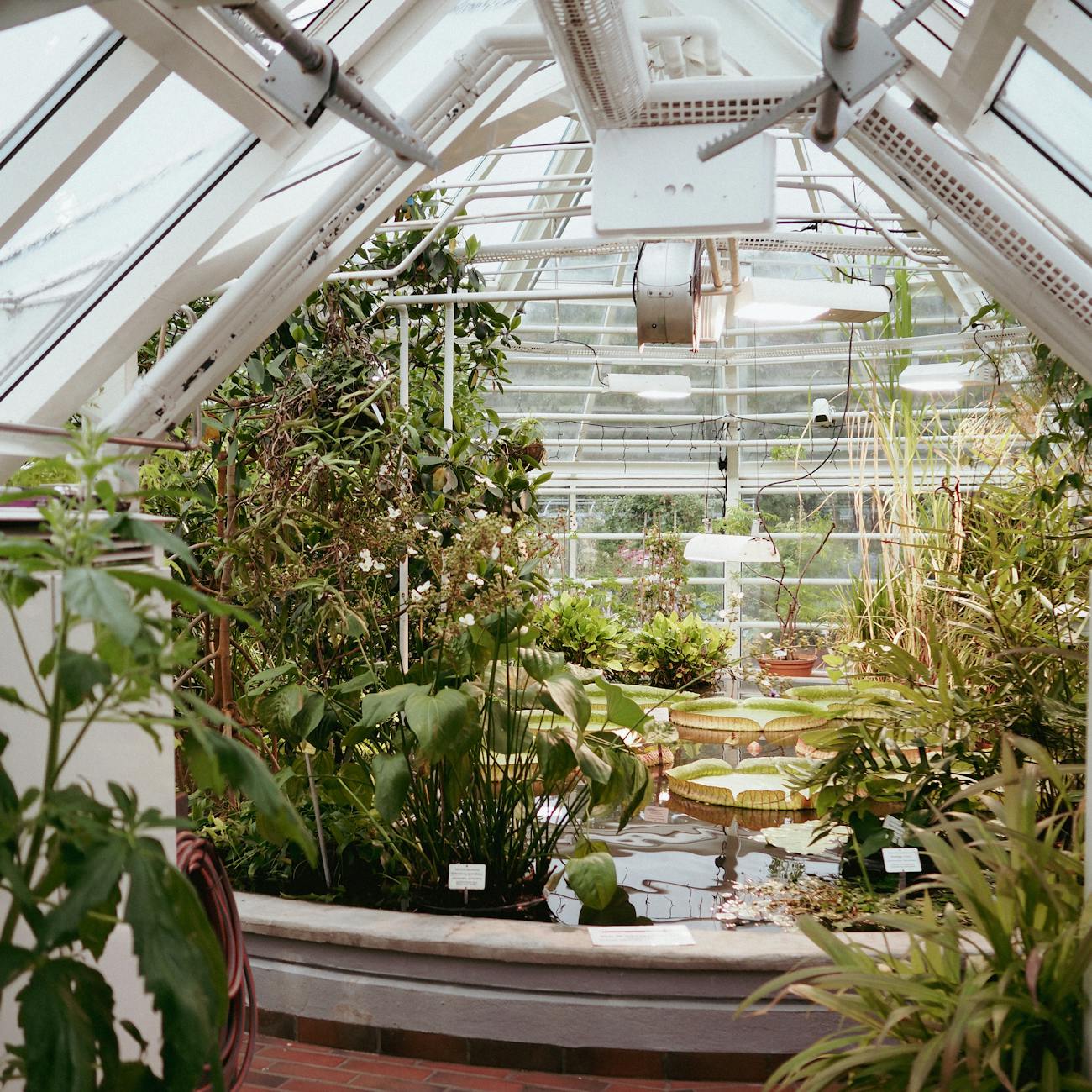
Illuminance refers to the amount of luminous flux falling on a surface per unit area, measured in lux. In a sensory garden, designers must calculate the illuminance required for different zones to support plant health, visual comfort, and therapeutic effects. For example, a shaded meadow may need only 500 lux, while a therapeutic walking path might be designed for 1,000 to 2,000 lux to ensure clear visibility and safety. Engineers use photometric meters to verify that the design intent matches the actual light levels after installation.
Luminance is the intensity of light emitted or reflected from a surface in a given direction, expressed in candela per square meter (cd/m²). Unlike illuminance, which measures light arriving on a surface, luminance determines how bright a surface appears to an observer. In sensory gardens, high luminance on flower petals can enhance visual stimulation, while low luminance on groundcover may create a calming, subdued atmosphere. Designers often select plant species with contrasting luminance values to create visual depth and interest.
Photoperiod describes the daily cycle of light and darkness that an organism experiences. Many plants are photoperiodic, meaning their flowering and growth cycles are triggered by specific lengths of daylight. In a sensory garden, manipulating the photoperiod through shading structures or supplemental lighting can extend blooming periods, ensuring that therapeutic plants are available year‑round. For instance, a pocket garden with a movable pergola can adjust the photoperiod to provide 14 hours of light during winter months, encouraging extended flower production.
Spectral Power Distribution (SPD) defines the power emitted by a light source at each wavelength across the visible spectrum. The SPD influences both plant photosynthesis and human perception. A light source with a balanced SPD, similar to natural daylight, supports healthy plant growth while providing a pleasing visual environment. Conversely, a source rich in blue wavelengths may stimulate alertness, whereas a source rich in red wavelengths can promote relaxation. Engineers select LEDs with specific SPD profiles to tailor the sensory experience.
Correlated Color Temperature (CCT) is a metric that describes the hue of a light source, measured in kelvin (K). Low CCT values (e.G., 2,700 K) emit warm, amber light, while high CCT values (e.G., 6,500 K) produce cool, bluish light. In sensory garden design, CCT is used to evoke emotional responses: Warm light can create a cozy, nurturing atmosphere, whereas cool light can enhance alertness and perception of space. A therapeutic garden may transition from warm to cool CCT throughout the day to mirror natural sunrise‑to‑sunset cycles.
Color Rendering Index (CRI) quantifies how accurately a light source reveals the colors of objects compared with a reference source. A high CRI (above 90) ensures that plant foliage and flower colors appear vivid and true‑to‑life, which is essential for visual stimulation therapies. Low CRI lighting can wash out colors, reducing the garden’s sensory impact. Designers often specify a minimum CRI for all fixtures in a sensory garden to maintain color fidelity.
Photosynthetic Photon Flux Density (PPFD) measures the number of photons in the photosynthetically active radiation (PAR) range (400–700 nm) that reach a surface each second, expressed in µmol·m⁻²·s⁻¹. PPFD is critical for plant health because it directly drives photosynthesis. In a sensory garden, PPFD values guide the selection of supplemental lighting for shade‑intolerant species. For example, a herb garden may require a PPFD of 200 µmol·m⁻²·s⁻¹ to sustain growth, while a shade‑loving fern may thrive at 50 µmol·m⁻²·s⁻¹. Engineers calculate PPFD using spectroradiometers and adjust fixture placement accordingly.
Daylight Factor (DF) is a ratio that expresses the amount of natural light available inside a space relative to the outdoor illuminance under overcast sky conditions. DF is used to evaluate the effectiveness of skylights, light wells, and reflective surfaces in delivering daylight into a garden pavilion or shaded area. A DF of 2 % to 5 % is typical for interior garden spaces, ensuring sufficient daylight without causing glare. Designers may employ reflective glazing or light‑diffusing panels to boost DF where needed.
Glare is excessive brightness that causes visual discomfort or reduces the ability to see details. In outdoor sensory environments, glare can be caused by direct sunlight, reflective surfaces, or poorly positioned lighting fixtures. To mitigate glare, engineers incorporate shading devices, use diffusing lenses on LEDs, and orient benches away from direct sun paths. The Unified Glare Rating (UGR) is a metric sometimes adapted for outdoor settings to assess glare levels.
Diffusion refers to the scattering of light to produce a soft, even illumination. Diffusers are commonly used on LED fixtures to reduce harsh shadows and create a calming visual field. In a sensory garden, diffusion can be achieved through frosted glass, translucent fabric canopies, or plant canopies themselves. For instance, a pergola draped with a semi‑transparent sailcloth can diffuse midday sun, providing a gentle light environment that encourages relaxation.
Light Pollution describes the excessive or misdirected artificial light that interferes with natural darkness. In the context of sensory gardens, minimizing light pollution preserves night‑time tranquility and protects nocturnal wildlife. Engineers design fixtures with full‑cutoff lenses, direct light only where needed, and use timers to limit operation after dusk. This approach supports both human sensory experience and ecological stewardship.
Photobiology is the study of how light influences living organisms. In sensory garden design, photobiology informs the selection of plant species, lighting regimes, and seasonal programming. Understanding the photobiological responses of therapeutic herbs, such as Lavandula angustifolia, allows designers to schedule light exposure that maximizes essential oil production, enhancing aromatic therapy. Photobiology also guides the use of ultraviolet (UV) light, which can influence plant morphology and scent emission.
Ultraviolet (UV) Radiation includes wavelengths from 100 to 400 nm, divided into UV‑A (315–400 nm), UV‑B (280–315 nm), and UV‑C (100–280 nm). While UV‑C is filtered by the atmosphere, UV‑A and UV‑B reach the Earth's surface and affect both plants and humans. In sensory gardens, limited UV‑A exposure can increase the production of flavonoids in foliage, deepening leaf color and enhancing visual interest. However, excessive UV can cause skin irritation, so designers must balance therapeutic benefits with safety, often using shade cloths with specific UV transmission ratings.
Infrared (IR) Radiation spans wavelengths longer than 700 nm and is primarily associated with heat. In garden design, IR influences thermal comfort and can affect plant transpiration rates. Infrared‑emitting heaters are sometimes used in winter to maintain a comfortable microclimate for visitors without disrupting the natural light palette. Engineers calculate the radiant heat flux to ensure that IR sources provide adequate warmth without creating hot spots that could stress plants.
Light Spectrum encompasses the range of wavelengths emitted by a source. A full‑spectrum light source mimics natural sunlight, containing a balanced mix of blue, green, and red wavelengths. Designers may choose full‑spectrum LEDs for indoor garden rooms to support photosynthesis and create a visually rich environment. In contrast, narrow‑band LEDs (e.G., 660 Nm red) are used for targeted plant growth, such as stimulating flowering in specific therapeutic species.
High‑Pressure Sodium (HPS) Lamps are traditional horticultural light sources that emit a strong orange‑red spectrum, ideal for promoting flowering and fruiting. However, HPS lamps produce low CRI and limited blue light, which can affect visual comfort. In a sensory garden, HPS may be used in a supplemental capacity for seasonal bloom extension, but designers often pair them with blue‑rich LEDs to balance the spectrum and improve visual quality.
Light Emitting Diodes (LEDs) have become the dominant technology for garden lighting due to their energy efficiency, tunable spectrum, and long lifespan. LEDs can be programmed to simulate sunrise, midday, and sunset cycles, enhancing the therapeutic narrative of a garden. For example, a “dawn” program might gradually increase illuminance from 0 to 300 lux over 30 minutes, using a cool CCT to mimic early morning light, thereby easing visitors into the space.
Photovoltaic (PV) Systems convert sunlight into electricity, providing a sustainable power source for garden lighting. Integrating PV panels with lighting control systems allows a sensory garden to operate off‑grid, reducing carbon footprint and reinforcing the nature‑based ethos of the program. Engineers design PV arrays to meet the peak demand of lighting fixtures, accounting for seasonal variations in solar irradiance.
Energy Efficiency in lighting design is measured by the ratio of luminous output to power consumption, expressed in lumens per watt (lm/W). A high‑efficiency LED fixture may deliver 150 lm/W, whereas older fluorescent fixtures might only achieve 60 lm/W. Selecting high‑efficiency fixtures reduces operating costs and aligns with sustainability goals. Energy modeling tools help designers predict annual energy use and identify opportunities for optimization.
Lighting Controls encompass dimmers, timers, occupancy sensors, and programmable controllers that adjust light output based on environmental conditions or user needs. In a sensory garden, lighting controls enable dynamic experiences: A motion sensor can increase illuminance along a pathway when a visitor approaches, while a timer can dim ambient lights at dusk to transition to a nocturnal ambience. Advanced controllers may integrate with weather stations to adapt lighting in response to cloud cover.
Daylight Harvesting is a strategy that uses sensors to monitor natural light levels and adjust artificial lighting accordingly, maintaining a constant illuminance while minimizing energy use. For example, a daylight sensor mounted on a pergola can lower LED output when sunlight penetrates the canopy, ensuring a stable visual environment without over‑lighting. This technique also helps preserve the natural rhythm of light that is central to therapeutic outcomes.
Light Zoning involves dividing a garden area into distinct zones, each with its own lighting specifications. Zones may be defined by function (e.G., Meditation area, horticultural demonstration, sensory pathway) or by sensory emphasis (e.G., High‑contrast visual zone, low‑light relaxation zone). Engineers design separate lighting circuits for each zone, allowing independent control and fine‑tuning of illuminance, CCT, and spectral composition.
Shading Devices such as louvers, pergolas, shade sails, and canopy trees provide protection from excessive sun while shaping light patterns. The shade factor quantifies the reduction in solar radiation caused by a device, expressed as a percentage. A shade sail with a 70 % shade factor blocks most direct sun, creating a soft, diffused environment suitable for sensory seating areas. Designers must calculate the shade factor to ensure adequate light for plant photosynthesis while delivering the desired human comfort.
Reflectance is the proportion of incident light that a surface reflects. High‑reflectance surfaces, like white stone or light‑colored walls, increase ambient illuminance by bouncing light into darker areas. In a sensory garden, reflective pathways can brighten adjacent planting beds, reducing the need for additional fixtures. Conversely, low‑reflectance surfaces, such as dark mulch, absorb light and can be used to create intimate, low‑light niches.
Transmittance measures the fraction of light that passes through a material. Transparent glazing has high transmittance, allowing daylight to flood interior garden rooms. Frosted or patterned glass reduces transmittance while increasing diffusion, creating a soft glow that protects sensitive plants from direct sun. Engineers select glazing with appropriate transmittance values to balance daylight entry with thermal performance.
Thermal Load is the amount of heat introduced into a space by lighting fixtures. LEDs generate relatively low thermal load compared with incandescent or HPS lamps, but in enclosed garden structures, even modest heat can affect plant microclimates. Thermal analysis helps designers position fixtures to avoid hot spots and ensure that any added heat supports, rather than stresses, plant health.
Photomorphogenesis refers to the developmental responses of plants to light quality, intensity, and direction. For example, blue light influences stem elongation and leaf expansion, while red light promotes flowering. In a therapeutic garden, manipulating light quality can enhance the production of secondary metabolites that contribute to aroma and therapeutic efficacy. Engineers may use adjustable‑spectrum LEDs to trigger specific photomorphogenic pathways at key growth stages.
Light Uniformity is the ratio of the minimum to the average illuminance across a surface, expressed as a percentage. High uniformity (above 80 %) ensures that visitors experience consistent lighting, which reduces visual strain and improves safety. Uniformity is particularly important on walking paths and tactile surfaces where uneven lighting could cause trips or disorientation. Designers achieve uniformity through careful fixture spacing, use of diffusers, and strategic placement of reflective surfaces.
Low‑Voltage Lighting systems operate at 12 V or 24 V, reducing the risk of electric shock and simplifying installation. Low‑voltage LEDs are often used in landscape accent lighting, such as uplighting of trees or accent strips along pathways. While low‑voltage fixtures may have lower luminous output than high‑voltage equivalents, they can be combined in clusters to achieve the desired illuminance while maintaining safety standards.
High‑Voltage Lighting provides greater power and typically higher luminous output, suitable for large‑area floodlighting or canopy illumination. In expansive sensory gardens, high‑voltage LED arrays can deliver uniform daylight‑level illuminance across broad open lawns, supporting both visual stimulation and safety. However, high‑voltage systems require careful conduit planning and compliance with electrical codes.
Light Pollution Ordinances are municipal regulations that limit the intensity, direction, and timing of outdoor lighting to protect night skies and wildlife. Designers must be familiar with local ordinances when specifying fixture mounting heights, shielding requirements, and curfew times. Compliance often involves using full‑cutoff fixtures, reducing illuminance to below prescribed thresholds, and employing motion sensors to limit operation to periods of occupancy.
Human Circadian Rhythm is the internal biological clock that regulates sleep‑wake cycles, hormone release, and other physiological processes. Light exposure, especially blue light, is a primary cue for circadian entrainment. Sensory gardens can support circadian health by providing appropriate illuminance and CCT at different times of day. Morning zones may emphasize cool, high‑blue light to promote alertness, while evening zones transition to warm, low‑blue light to encourage relaxation and melatonin production.
Melatonin Suppression occurs when exposure to short‑wavelength (blue) light in the evening inhibits the secretion of melatonin, a hormone that signals darkness and promotes sleep. In garden lighting design, reducing blue light after sunset helps avoid melatonin suppression for visitors who may remain in the garden after dark. This can be achieved by using warm‑CCT LEDs with low spectral power in the blue range, or by dimming overall output.
Visual Acuity is the ability to resolve fine detail. Adequate illuminance and contrast are essential for maintaining visual acuity, especially for individuals with age‑related vision decline. Designers may enhance contrast by selecting plant species with striking color differences, using textured paving, and providing localized lighting that highlights tactile pathways. Proper lighting reduces eye strain and supports the therapeutic goals of the garden.
Contrast Ratio is the difference in luminance between adjacent surfaces. High contrast ratios improve object recognition and depth perception, which are valuable for cognitive stimulation activities. In a sensory garden, a high contrast ratio might be achieved by pairing dark stone steps with bright, reflective water features. Lighting can be adjusted to amplify this contrast, ensuring that the visual cues remain clear even under varying ambient conditions.
Glare Index quantifies the potential for glare based on luminance, viewing angle, and observer position. While the Unified Glare Rating (UGR) is traditionally used for indoor spaces, a similar approach can be applied outdoors to assess the impact of direct sunlight on reflective surfaces. Designers may lower the Glare Index by incorporating matte finishes, using angled louvers, or providing shaded viewing areas.
Adaptive Lighting systems respond in real time to environmental inputs such as daylight, occupancy, and weather. Sensors feed data to a controller that modulates fixture output, achieving a dynamic balance between natural and artificial light. In a therapeutic garden, adaptive lighting can create a seamless transition from sunrise to midday, enhancing the sense of time passing and supporting mindfulness practices.
Light Distribution Curve illustrates how light intensity varies with distance from a source. Understanding the curve is vital for spacing fixtures to achieve uniform coverage. For example, a linear LED strip follows an inverse square law, meaning that doubling the distance reduces intensity to one‑quarter. Engineers use this knowledge to calculate the number of fixtures needed along a pathway to maintain the target illuminance throughout.
Photocatalytic Materials are surfaces that use light to catalyze chemical reactions, often for self‑cleaning or air‑purification. Incorporating photocatalytic tiles in a sensory garden can reduce maintenance and improve air quality, especially in enclosed pavilions. These materials typically require UV‑A illumination, which can be supplied by natural daylight or low‑intensity UV‑A LEDs integrated into the lighting scheme.
Light‑Sensitive Sensors include photodiodes, lux meters, and spectroradiometers that detect ambient light levels. In a sensory garden, these sensors enable automated dimming, daylight harvesting, and safety alerts. For instance, a sensor positioned near a water feature can trigger additional illumination if the ambient illuminance falls below a safety threshold, ensuring that the surface remains visible for slip prevention.
Light Mapping is the process of creating a spatial representation of light levels across a garden layout. Using software tools, designers generate heat maps that show areas of high and low illuminance, allowing them to refine fixture placement before installation. Light mapping also helps identify potential glare hotspots and informs decisions about shading and reflective surfaces.
Solar Angle changes throughout the year, affecting the direction and intensity of sunlight. Designers must account for the solar angle when positioning sun‑tracking devices, such as solar panels or shading structures. For example, a south‑facing pergola may need adjustable louvers to block high summer sun while allowing lower winter sun to penetrate, thereby maintaining consistent illuminance for both plants and visitors.
Seasonal Affective Disorder (SAD) is a mood disorder linked to reduced exposure to natural light during winter months. Sensory gardens can serve as therapeutic environments for individuals with SAD by providing bright, high‑CCT lighting that mimics daylight. Incorporating full‑spectrum LED fixtures that deliver at least 2,500 lux on benches can help alleviate symptoms, especially when combined with plant species that emit uplifting fragrances.
Thermal Comfort Index combines temperature, humidity, air velocity, and radiant heat to assess how comfortable a space feels. Lighting contributes to the radiant component, particularly when fixtures emit significant IR. Engineers calculate the index to ensure that lighting does not cause overheating in enclosed garden rooms, maintaining a pleasant environment for extended therapeutic sessions.
Biophilic Design emphasizes the integration of natural elements into built environments to promote well‑being. Light is a core component of biophilic design, as natural daylight connects occupants to the outdoor environment. In a sensory garden, biophilic lighting strategies may include skylights that frame the sky, reflective water surfaces that amplify daylight, and vegetation that filters light, creating a layered, immersive experience.
Light‑Induced Stress occurs when plants receive excessive or inappropriate light, leading to leaf burn, photoinhibition, or reduced growth. Sensory garden designers must balance therapeutic lighting with plant health by monitoring PPFD, CCT, and exposure duration. Using sensors to track real‑time light levels and implementing shading controls can prevent light‑induced stress while preserving the desired sensory impact.
Acoustic‑Light Interaction recognizes that light and sound together shape sensory perception. For instance, a waterfall illuminated with cool, blue‑rich light can evoke a sense of freshness, while warm, amber light on a stone bench may promote calm. Designers may coordinate lighting cues with soundscapes, adjusting light intensity to complement the volume or frequency of ambient sounds, thereby enhancing the overall therapeutic narrative.
Visual Contrast Enhancement techniques involve using lighting to accentuate differences between elements. Spotlights can highlight texture on bark, while backlighting can reveal the silhouette of a leaf. By selectively enhancing visual contrast, designers support cognitive stimulation exercises that encourage visitors to notice fine details, an important aspect of sensory therapy for individuals with neurodegenerative conditions.
Light‑Responsive Materials change appearance or properties when exposed to light. Photochromic glass, for example, darkens under intense sunlight, providing automatic shading. Incorporating such materials into garden structures reduces the need for manual shading devices and adds an interactive element that engages visitors, who can observe the material’s transformation throughout the day.
Dynamic Lighting Sequences are programmed changes in light intensity, color, and direction over time. In a therapeutic garden, a dynamic sequence might start with a slow increase in illuminance and a shift from warm to cool CCT, guiding participants through a mindfulness routine that mirrors sunrise. Engineers use lighting control software to script these sequences, ensuring smooth transitions and precise timing.
Light‑Based Wayfinding utilizes illumination to guide movement. Low‑level pathway lighting, directional uplights, and color‑coded zones can subtly direct visitors without relying on signage. For example, a series of soft amber lights can lead from the entrance to a quiet meditation alcove, while a cooler blue strip indicates a transition to a more active, exploratory area. Wayfinding lighting enhances safety and supports independent navigation for users with cognitive impairments.
Phototoxicity is the harmful effect of certain wavelengths on skin or eyes, particularly UV radiation. While UV‑A is generally safe at low levels, designers must avoid high‑intensity UV sources that could cause skin irritation for vulnerable users. Selecting fixtures with certified UV protection ratings and providing shaded rest areas mitigates phototoxic risk while still allowing the therapeutic benefits of limited UV exposure for plants.
Light‑Sensitive Species are plants that react strongly to changes in light quality or quantity. Examples include Digitalis purpurea, which increases cardiac glycoside production under high blue light, and Salvia officinalis, whose essential oil profile shifts with varying CCT. Understanding the light requirements of such species enables designers to tailor lighting regimes that enhance both visual appeal and therapeutic potency.
Photoperiodic Lighting systems simulate day length to influence plant phenology. By extending daylight hours with artificial light, designers can induce off‑season blooming, ensuring that key therapeutic plants are available throughout the year. Photoperiodic lighting controllers typically allow users to set sunrise and sunset times, as well as gradual ramp‑up and ramp‑down curves to mimic natural light transitions.
Light‑Induced Pigmentation refers to the production of pigments such as anthocyanins in response to specific light conditions. High‑intensity blue light often stimulates anthocyanin synthesis, deepening leaf coloration and enhancing visual contrast. In a sensory garden, this phenomenon can be exploited to create seasonal color changes, providing a dynamic visual experience that supports cognitive engagement.
Light‑Modulated Scent Emission is the relationship between illumination and volatile organic compound (VOC) release from aromatic plants. Research shows that increased light intensity can boost VOC production, intensifying fragrance. Designers may position scented herbs in well‑lit zones or use supplemental lighting to amplify scent during therapeutic sessions, creating a multi‑sensory environment that synergizes visual and olfactory stimulation.
Light‑Driven Water Features integrate illumination with water movement. For instance, LED‑lit fountains can create shimmering patterns that change with water flow, offering visual stimulation that aligns with the soothing sound of water. Engineers must balance the water’s reflective properties with the fixture’s luminance to avoid glare, often employing diffusing lenses or submerged LEDs to achieve a gentle glow.
Low‑Glare Fixtures are designed with optics that spread light evenly, reducing direct glare. Full‑cutoff lenses, diffusers, and indirect mounting are common strategies. In a sensory garden, low‑glare fixtures protect visitors with visual sensitivities while maintaining sufficient illuminance for safety and therapeutic effect. Selecting fixtures with a Glare Index below 20 helps meet accessibility standards.
Light‑Sensitive Pathway Materials change color or texture under illumination. Photochromic pavers that darken under bright light can provide tactile feedback, aiding visually impaired users in navigation. Conversely, phosphorescent materials absorb light during the day and emit a soft glow at night, offering low‑level illumination without electricity. These materials add an interactive dimension to the garden’s sensory palette.
Light‑Based Therapeutic Protocols are structured programs that use specific lighting conditions to achieve health outcomes. Protocols may prescribe a 30‑minute session under 2,500 lux of cool‑CCT light to stimulate alertness, followed by a 15‑minute period of warm, low‑lux lighting for relaxation. Engineers develop programmable lighting scenes that align with these protocols, ensuring reproducibility and consistency across sessions.
Light‑Emission Standards such as IEC 60601‑2‑59 for medical lighting provide guidelines for safety, performance, and electromagnetic compatibility. While sensory gardens are not medical facilities, adherence to these standards ensures that lighting installations are safe for prolonged human exposure and do not interfere with nearby electronic devices. Compliance checks include verifying fixture certification, proper grounding, and electromagnetic shielding.
Light‑Sensitive Maintenance practices involve scheduling cleaning, pruning, and equipment checks to avoid disrupting optimal lighting conditions. For example, dust accumulation on reflective surfaces can reduce illuminance by up to 20 %, so regular cleaning is essential. Similarly, leaf litter on pathways may alter light distribution, requiring periodic removal to preserve uniformity and safety.
Light‑Adaptive Plant Placement positions species according to their light preferences within the garden layout. Shade‑tolerant ferns may be placed beneath taller trees, while sun‑loving lavender can occupy open, sun‑exposed borders. Engineers map the illuminance gradient across the site and align plant zones accordingly, creating a harmonious balance between horticultural needs and sensory objectives.
Light‑Controlled Microclimates are localized environments where lighting influences temperature, humidity, and airflow. For instance, a bright, high‑CCT zone can increase leaf temperature, enhancing evaporation and raising local humidity—a desirable effect for moisture‑loving mosses. Designers can manipulate these microclimates by adjusting fixture placement, intensity, and spectral output, tailoring conditions to specific therapeutic functions.
Light‑Responsive Art Installations incorporate sensors and programmable LEDs to create interactive pieces that react to visitor movement or ambient light levels. An installation might brighten as a person approaches, providing visual feedback that encourages exploration. These artworks add an engaging layer to the sensory garden, reinforcing the connection between light and human perception.
Light‑Based Safety Protocols define minimum illuminance levels for pathways, steps, and transitional zones to prevent accidents. Standards often specify at least 150 lux for general walking areas and 300 lux for staircases. Engineers conduct a safety audit, measuring actual light levels after installation and adjusting fixture output to meet or exceed these thresholds, ensuring compliance with accessibility regulations.
Light‑Optimized Seating Areas consider both visual comfort and thermal comfort. Seating positioned under diffused light reduces glare, while reflective ground surfaces can increase ambient illuminance without adding direct fixtures. Additionally, incorporating low‑heat LEDs prevents localized warming, maintaining a pleasant temperature for extended sitting periods.
Light‑Sensitive Signage uses high‑contrast colors and reflective materials to remain visible under varying lighting conditions. For example, signage with matte white lettering on a dark background provides strong visual contrast, while retroreflective symbols enhance visibility at night when illuminated by low‑lux pathway lights. Designers test signage under both natural daylight and artificial lighting to verify legibility.
Light‑Driven Seasonal Programming aligns lighting themes with calendar events. During spring, a garden may emphasize fresh, cool light to celebrate renewal, while autumn programming might shift to warm, amber tones that evoke the changing foliage. Programming controllers store multiple seasonal scenes, allowing staff to switch themes with a single command, ensuring consistent thematic experiences throughout the year.
Light‑Integrated Accessibility Features include tactile paving illuminated with low‑glare LEDs to guide visually impaired users. The illumination levels are calibrated to be detectable by cane tips without overwhelming the surrounding environment. Additionally, audible cues synchronized with lighting changes can provide multimodal feedback, supporting users with diverse sensory needs.
Light‑Based Energy Monitoring tracks power consumption of lighting fixtures in real time. Smart meters report data to a building management system, allowing operators to identify inefficiencies, schedule maintenance, and adjust lighting schedules to reduce peak demand. Energy dashboards can display daily, weekly, and seasonal consumption trends, supporting sustainability reporting for the garden’s stakeholders.
Light‑Responsive Water Management integrates sensors that adjust irrigation based on light intensity. Higher illuminance often correlates with increased evapotranspiration, prompting the system to increase watering frequency. Conversely, on overcast days, the system reduces irrigation to prevent water waste. This synergy between lighting and irrigation promotes plant health while conserving resources.
Light‑Enhanced Accessibility Pathways incorporate gentle illumination that follows the curvature of the pathway, providing continuous visual cues without creating harsh shadows. Low‑profile LED strips recessed into the paving surface produce a subtle glow that assists users with low vision while preserving the natural aesthetic of the garden.
Light‑Induced Phenomena Documentation involves recording observations of plant responses to lighting conditions. Photographers capture color changes, bloom timing, and scent intensity under different lighting regimes. This documentation supports research on the therapeutic efficacy of specific lighting setups and informs future design iterations.
Light‑Based Evaluation Metrics assess the success of lighting designs against predefined goals. Metrics may include average illuminance levels, uniformity percentages, CRI values, energy consumption per square meter, and user satisfaction scores collected through surveys. Regular evaluation ensures that lighting continues to meet therapeutic, horticultural, and sustainability objectives.
Light‑Controlled Acoustic Dampening uses illuminated acoustic panels that absorb sound while providing visual interest. Panels with perforated patterns can be backlit with low‑intensity LEDs, creating a soft glow that also reduces echo in open garden spaces. This dual function enhances both auditory and visual comfort for visitors.
Light‑Responsive Seasonal Planting schedules planting times based on anticipated light conditions. By forecasting illuminance trends using solar radiation models, designers can select planting dates that align with optimal light exposure for each species, ensuring robust growth and timely therapeutic availability.
Light‑Based Therapeutic Zones are delineated areas where lighting is intentionally configured to support specific therapeutic outcomes. A “calm zone” may feature low illuminance, warm CCT, and high CRI, while an “energizing zone” employs brighter, cool‑CCT lighting with dynamic sequences that encourage movement and alertness. Clear zoning helps practitioners tailor interventions to individual client needs.
Light‑Sensitive Maintenance Scheduling plans routine checks around peak lighting periods to avoid disrupting therapeutic sessions. For example, fixture cleaning may be scheduled during low‑traffic early mornings, ensuring that the garden’s visual quality remains consistent for midday therapy groups.
Light‑Integrated Educational Displays present information about plant biology, light physics, and sensory therapy using interactive illuminated panels. Touch‑activated LEDs can highlight specific plant parts, illustrating how light influences growth, while audio narration provides additional context. These displays enrich the visitor experience and foster greater understanding of the garden’s design principles.
Light‑Controlled Evapotranspiration Modeling predicts water loss from plants based on light intensity, temperature, and humidity. Engineers use these models to balance lighting and irrigation, preventing over‑watering during periods of high illuminance that would otherwise increase water demand. Accurate modeling contributes to sustainable resource management.
Light‑Optimized Path Curvature considers the angle of incident light on curved pathways. By aligning curves to avoid direct glare from the sun, designers create comfortable walking experiences. Computational simulations can model sun paths throughout the year, identifying optimal curvature that maintains consistent illuminance without excessive shadows.
Light‑Responsive Color Schemes select plant and material colors that change appearance under different lighting conditions. A foliage plant may appear deep green under cool light but shift to a warmer hue under amber illumination, offering a dynamic visual palette. Designers exploit these shifts to keep the garden experience fresh and engaging across seasons.
Light‑Based Community Engagement programs involve local residents in the maintenance and programming of lighting. Workshops teach participants how to program dynamic lighting sequences, fostering a sense of ownership and encouraging stewardship of the garden’s sensory assets. Community involvement also provides valuable feedback for continuous improvement.
Light‑Enhanced Accessibility Audits assess whether lighting meets the needs of users with visual impairments. Audits measure contrast ratios, glare, and uniformity according to accessibility guidelines such as ADA or BS 8300. Findings inform retrofits, such as adding low‑glare uplights or increasing illuminance in critical wayfinding areas.
Light‑Driven Health Research explores the physiological impacts of garden lighting on participants. Studies may monitor heart rate variability, cortisol levels, and mood questionnaires before and after exposure to specific lighting conditions. Results contribute to evidence‑based design, validating the therapeutic value of engineered lighting in sensory gardens.
Light‑Sensitive Emergency Lighting ensures safe egress during power outages or emergencies. Battery‑backed LED fixtures with low‑glare output provide sufficient illuminance for evacuation routes without triggering panic. Emergency lighting is designed to integrate seamlessly with the garden’s aesthetic, maintaining a calming environment even in crisis situations.
Light‑Focused Sustainability Certifications such as LEED or BREEAM allocate points for energy‑efficient lighting, daylight harvesting, and low‑glare design. Achieving certification demonstrates the garden’s commitment to environmental stewardship and can attract funding or partnerships. Engineers track compliance metrics throughout the design and operation phases to secure these credits.
Light‑Integrated Maintenance Access includes discreetly placed task lighting for staff to perform repairs without disturbing visitors. Low‑profile LED strips concealed within railings or under benches provide targeted illumination for maintenance tasks, ensuring safety and efficiency while preserving the garden’s visual integrity.
Light‑Adaptive Seasonal Color Displays use programmable LEDs to mimic natural foliage color changes throughout the year. In winter, the lighting may shift to cooler tones, while in autumn, warm amber hues dominate, enhancing the perception of seasonal transition even when plant foliage remains static. Such displays reinforce the garden’s connection to natural cycles.
Light‑Based Sensory Integration Therapy combines visual, auditory, and tactile stimuli under coordinated lighting conditions.
Key takeaways
- For example, a shaded meadow may need only 500 lux, while a therapeutic walking path might be designed for 1,000 to 2,000 lux to ensure clear visibility and safety.
- In sensory gardens, high luminance on flower petals can enhance visual stimulation, while low luminance on groundcover may create a calming, subdued atmosphere.
- In a sensory garden, manipulating the photoperiod through shading structures or supplemental lighting can extend blooming periods, ensuring that therapeutic plants are available year‑round.
- A light source with a balanced SPD, similar to natural daylight, supports healthy plant growth while providing a pleasing visual environment.
- In sensory garden design, CCT is used to evoke emotional responses: Warm light can create a cozy, nurturing atmosphere, whereas cool light can enhance alertness and perception of space.
- A high CRI (above 90) ensures that plant foliage and flower colors appear vivid and true‑to‑life, which is essential for visual stimulation therapies.
- Photosynthetic Photon Flux Density (PPFD) measures the number of photons in the photosynthetically active radiation (PAR) range (400–700 nm) that reach a surface each second, expressed in µmol·m⁻²·s⁻¹.