
Pet Apparel Construction
Pet apparel construction involves a specialized set of terms that describe both general textile techniques and those unique to dressing animals. Mastery of this vocabulary enables designers to translate creative concepts into functional gar…
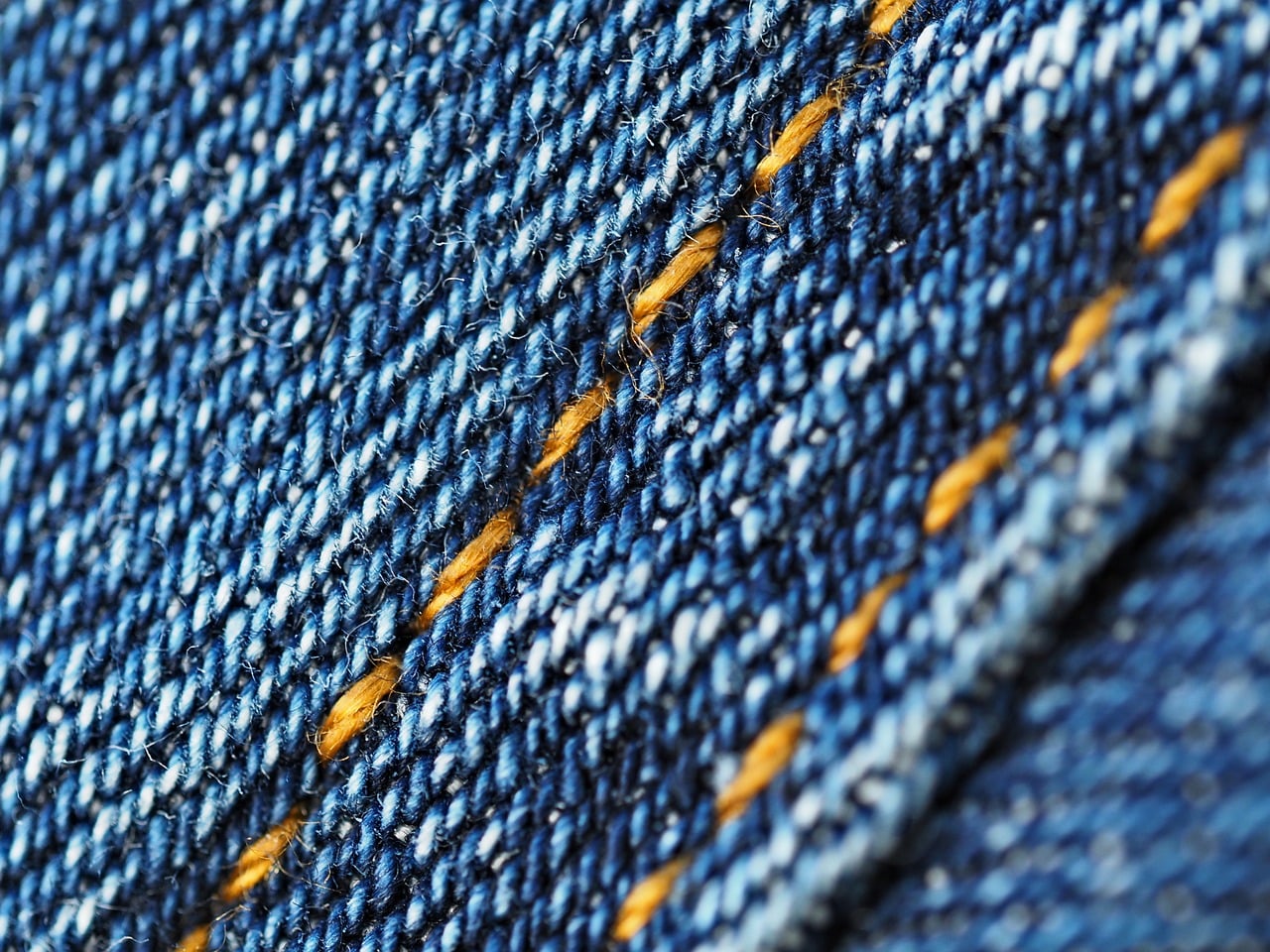
Pet apparel construction involves a specialized set of terms that describe both general textile techniques and those unique to dressing animals. Mastery of this vocabulary enables designers to translate creative concepts into functional garments that meet safety standards, comfort requirements, and aesthetic goals. The following explanation outlines the most important terms, provides clear definitions, and illustrates how each concept is applied in real‑world pet fashion projects. Practical examples and common challenges are included to deepen understanding and to prepare learners for the hands‑on work that follows in the Certificate in Pet Fashion Designing program.
Pattern – A two‑dimensional representation of a garment piece that is cut from fabric. In pet fashion, patterns are often drafted on paper or digitally and must accommodate the animal’s unique body shape. For example, a dog sweater pattern typically includes separate front and back panels, a neck opening, and a belly band. The pattern’s accuracy directly influences the final fit; a mis‑aligned pattern can cause a garment to be too tight around the chest or to slip off the shoulders.
Drafting – The process of creating a pattern from measurements. Drafting for pets differs from human pattern drafting because the animal’s anatomy includes a pronounced ribcage, a flexible spine, and a tail that may require additional room. Designers often start with a basic block (a simple, repeatable shape) and modify it to reflect breed‑specific proportions. A common drafting challenge is accounting for the “girth” measurement, which is taken around the widest part of the chest. If the pattern is not adjusted for the girth, the garment may restrict breathing.
Seam – The line where two pieces of fabric are joined together. In pet garments, seams must be durable yet comfortable. A common seam type is the flat‑felled seam, which encloses raw edges and provides a smooth finish that will not irritate fur. Flat‑felled seams are especially useful in collar and harness components where the seam may be in direct contact with the animal’s skin.
Stitch – The individual loop of thread created by a sewing machine or hand needle. Different stitch types serve specific purposes. The straight stitch is the most basic and is used for general construction. The zig‑zag stitch offers stretchability, making it ideal for areas like the belly band of a cat costume, which must expand as the animal moves. A challenge for designers is selecting a stitch length that balances strength with flexibility; too long a stitch can cause the seam to split under tension, while too short a stitch may create a stiff seam that restricts movement.
Seam allowance – The distance between the edge of the fabric and the stitching line. Typical seam allowances range from ¼ inch to ½ inch, but pet apparel often requires a larger allowance (¾ inch) to accommodate the extra bulk of interfacing and to allow for adjustments. When constructing a dog harness, a generous seam allowance ensures that the harness can be reinforced with additional layers of fabric without compromising the overall size.
Interfacing – A supportive material bonded to the interior of a fabric to add stability. In pet clothing, interfacing is used in areas that need structural integrity, such as the collar stands of a dog coat or the strap loops of a leash attachment. Interfacing comes in different weights: lightweight for delicate fabrics, medium for most sweaters, and heavyweight for rigid components. A practical example is applying a fusible, medium‑weight interfacing to the back panel of a dog jacket to prevent it from sagging. A common challenge is ensuring that the interfacing does not add excessive bulk, which can cause discomfort or restrict the animal’s range of motion.
Bias – The diagonal direction of fabric, at a 45‑degree angle to the grain. Cutting fabric on the bias allows it to stretch and drape more naturally. This is particularly useful for creating flexible openings, such as a cat’s hood that must conform to a round head without pulling. When a pattern piece is cut on the bias, designers must be mindful of the fabric’s grainline markers (often indicated by arrows on the pattern) to avoid distortion. An example of bias cutting is a “bias‑cut sleeve” for a small terrier sweater, which provides a snug yet comfortable fit around the foreleg.
Grain – The direction of the threads in woven fabric. The “lengthwise grain” (warp) runs parallel to the selvage, while the “crosswise grain” (weft) runs perpendicular. Aligning pattern pieces with the correct grain ensures that the garment retains its shape and that seams lie flat. In pet apparel, the grain is especially important for items that experience frequent movement, such as a dog’s raincoat. A misaligned grain can cause the coat to stretch unevenly, leading to sagging or a loose fit.
Notch – Small marks or cuts on the edge of a pattern piece that help align pieces during assembly. Notches are critical for matching seams accurately, especially when working with symmetrical components like the left and right front panels of a pet jacket. When a designer overlooks a notch, the garment may be assembled asymmetrically, resulting in an uneven appearance and potential fit issues.
Ease – The amount of extra space built into a garment to allow for movement. In pet clothing, ease must be carefully calculated to accommodate the animal’s natural motions without excess bulk. For a dog’s active wear, a 1‑to‑2‑inch ease in the chest area may be sufficient, while a cat’s formal costume may require less ease to maintain a sleek silhouette. Determining the appropriate ease is a common challenge, as too much ease can cause the garment to slip off, whereas too little can restrict breathing.
Girth – The circumference measurement taken around the animal’s chest, just behind the front legs. This is one of the most critical measurements for pet apparel because it directly influences the size of the belly band, collar, and overall fit. For example, a Labrador Retriever typically has a girth of 30‑38 inches, while a Chihuahua may have a girth of 8‑12 inches. Designers must adjust pattern dimensions accordingly and may incorporate an adjustable strap to accommodate growth or weight fluctuations.
Neck circumference – The measurement around the animal’s neck, taken just below the jawline. This measurement is essential for designing collars, harnesses, and neck openings on sweaters. An incorrect neck circumference can result in a collar that is too tight (causing choking hazards) or too loose (risking escape). A practical technique is to add a small allowance (½‑¾ inch) to the measured neck circumference, then provide a sliding adjustment mechanism, such as a buckle or Velcro, for fine‑tuning.
Tail allowance – An extra space incorporated into a pattern to accommodate the animal’s tail, preventing it from being pinched or restricted. Tail allowances are particularly important in costumes that cover the back, such as a tuxedo jacket for a dog. The allowance may be a simple cut‑out or a “tail pocket” that holds the tail comfortably. A common challenge is ensuring that the tail pocket does not create a bulge that distorts the garment’s silhouette.
Harness – A structured strap system that distributes pulling force across the animal’s chest and shoulders. In pet fashion, a harness may be purely decorative or functional, often combined with a leash attachment. When designing a harness, terms such as “D‑ring,” “adjustable strap,” and “reinforcement stitching” become relevant. For instance, a decorative harness for a show dog might use a soft, padded fabric with a metal D‑ring for leash attachment, reinforced with double stitching to prevent tearing under tension.
D‑ring – A metal loop shaped like the letter “D” used to attach a leash to a harness or collar. The D‑ring must be securely sewn or riveted to the fabric to withstand pulling forces. In a dog jacket, the D‑ring is typically positioned on the back panel, centered between the shoulder blades. Challenges include preventing the D‑ring from causing a bulkier seam that could irritate the animal’s skin; using a reinforced stitching pattern, such as a “triple‑stitch,” can mitigate this issue.
Bar tack – A series of closely spaced stitches that reinforce a high‑stress point, such as the end of a strap or a D‑ring attachment. Bar tacks are essential in pet apparel because animals can exert sudden, sharp forces on fasteners. An example is placing a bar tack at each end of a dog harness strap where the D‑ring is sewn. Failure to reinforce these points can result in seam failure, leading to a sudden release of the leash.
Topstitch – A visible line of stitching that runs on the exterior of a garment, often for decorative or functional purposes. In pet clothing, topstitching can reinforce seams and add a professional finish. For a cat’s raincoat, a contrasting topstitch along the hem not only strengthens the edge but also creates a visual accent that highlights the design. Topstitching must be done with a thread that is both durable and soft to avoid irritating the animal’s skin.
Felting – A process where wool fibers interlock through heat, moisture, and agitation, creating a dense, non‑stretch fabric. Felting is sometimes used in pet apparel for decorative trims or to produce a warm lining for cold‑weather jackets. A practical application is adding a felted patch on a dog’s chest for a “badge” effect. Designers must consider that felted areas are less flexible than the surrounding fabric, which may affect the garment’s overall comfort.
Quilted – A construction method where two outer layers of fabric are sewn together with a middle layer of padding, creating a three‑dimensional, insulated panel. Quilting is popular in winter coats for larger breeds, providing warmth without excessive bulk. A typical quilted dog coat consists of an outer shell of water‑resistant fabric, a middle layer of polyester batting, and an inner lining of soft fleece. The quilting pattern (e.g., diamond or parallel lines) can be both functional—distributing heat evenly—and aesthetic.
Bias tape – A narrow strip of fabric cut on the bias and folded to create a flexible binding. Bias tape is frequently used to finish raw edges on pet garments, such as the opening of a cat’s hood or the edge of a dog’s leash loop. Because it is cut on the bias, the tape stretches slightly, allowing it to conform to curved edges without puckering. A common challenge is ensuring that the bias tape’s grain is correctly aligned; otherwise, the finished edge may curl or pull away from the garment.
Velcro – A hook‑and‑loop fastener consisting of two fabric strips—one with tiny hooks and the other with loops—that adhere when pressed together. Velcro is widely used in pet apparel for adjustable closures, such as the strap of a harness or the opening of a sweater. Its quick‑release nature makes it convenient for owners, but designers must test the Velcro’s durability, as frequent opening and closing can cause the hooks to wear down. In a high‑activity dog jacket, additional stitching around the Velcro edge can extend its lifespan.
Snap fastener – A small, two‑part closure that clicks together, commonly used for removable accessories like a dog’s decorative badge or a cat’s collar attachment. Snap fasteners provide a secure yet removable connection, allowing accessories to be swapped without sewing. When integrating snaps into a pet garment, it is critical to reinforce the surrounding fabric with a back piece or a small patch of interfacing to prevent tearing under repeated use.
Thread tension – The amount of pull applied to thread as it passes through the sewing machine’s feed mechanism. Proper tension ensures even stitches; too tight a tension can cause puckering, while too loose a tension can lead to open seams. In pet apparel, managing thread tension is especially important when stitching stretchy fabrics like spandex blends used in active wear for agility dogs. Adjusting tension may require testing on a scrap piece before committing to the final garment.
Needle size – The thickness of the sewing needle, indicated by a number (e.g., 70/10, 80/12). Selecting the appropriate needle size depends on the fabric weight and type. For heavy canvas used in a protective dog coat, a larger needle (90/14) is required, whereas delicate silk lining for a cat’s formal dress calls for a finer needle (60/8). Using an incorrect needle can cause skipped stitches or fabric damage, both of which are critical concerns in pet apparel where durability and comfort are paramount.
Bobbin – The small spool that holds the lower thread in a sewing machine. The bobbin thread works in tandem with the upper thread to create stitches. In pet apparel, a strong, polyester bobbin thread is often preferred for its resistance to moisture and UV exposure, especially in outdoor garments. A practical tip is to use a bobbin thread that matches the upper thread’s color to avoid visible stitching on the garment’s interior.
Seam finish – The method used to treat raw edges of fabric to prevent fraying. Common seam finishes include overcasting, pinking, and binding. In pet apparel, binding with bias tape is popular for its softness and flexibility. For a dog’s raincoat, a waterproof overcast stitch may be applied to the outer seams to keep moisture out. Selecting an appropriate seam finish can also affect the garment’s aesthetic; a decorative topstitch may serve both functional and visual purposes.
Pattern grading – The process of scaling a pattern up or down to create multiple sizes. Grading is essential in pet fashion because animals of the same breed can vary widely in size. A designer may start with a base pattern for a medium‑size Labrador and grade it to produce small and large versions for a Chihuahua and a Great Dane, respectively. Grading must maintain proportion; otherwise, the garment may become too loose in the shoulders or too tight around the chest.
Fit test – A trial fitting of a prototype garment on a live animal or a mannequin that replicates the animal’s dimensions. Fit tests allow designers to assess comfort, mobility, and visual appeal. During a fit test, observations such as restricted leg movement, skin irritation, or slipping of the garment are recorded. Adjustments are then made to pattern pieces, seam allowances, or strap placements. A common challenge is the animal’s natural behavior; some pets may move unpredictably, making it difficult to evaluate the fit accurately. Using a weighted mannequin can mitigate this issue for preliminary testing.
Mock‑up – A prototype made from inexpensive or scrap material to evaluate pattern accuracy and construction methods before cutting into the final fabric. Mock‑ups are valuable for testing complex features like a cat’s hood with a built‑in ear flap. By constructing a mock‑up, designers can identify potential issues such as excess bulk around the head or inadequate ventilation. Once the mock‑up is refined, the final garment is cut from the chosen fashion fabric.
Ventilation panel – An opening or mesh section incorporated into a garment to improve airflow and reduce overheating. In a dog’s winter coat, a ventilation panel may be placed under the armpits to allow heat to escape during vigorous activity. Designers must balance ventilation with insulation; improper placement can create cold spots. Using a breathable but water‑resistant mesh, such as a lightweight nylon, can address both concerns.
Water‑resistant coating – A treatment applied to fabric to repel water while maintaining breathability. Common coatings include polyurethane (PU) and silicone. When constructing an outdoor jacket for a hunting dog, the outer fabric may be a ripstop nylon treated with a PU coating to shed rain. The coating must be applied evenly; uneven application can lead to stiff spots that restrict movement. Testing the coating’s performance by sprinkling water on a sample piece helps ensure consistency.
Reflective trim – Strips of material that reflect light, enhancing visibility in low‑light conditions. Reflective trim is often sewn onto the back of a dog’s safety vest or around the collar of a night‑time walker’s leash. The trim must be securely attached with double stitching to prevent fraying during high‑intensity activities. A challenge is ensuring the trim does not irritate the animal’s skin; using a soft backing material can alleviate this issue.
Tail guard – A reinforcement piece that protects the tail from abrasion or accidental catching in fasteners. Tail guards are typically made from a tougher material, such as leather or heavy‑weight canvas, and are sewn onto the interior of a costume where the tail passes through. For a dachshund’s formal dress, a tail guard prevents the tail from being pinched by a decorative belt. Designers must ensure the guard is thin enough to avoid adding bulk while still providing protection.
Fleece lining – A soft, insulating inner layer made from polyester or cotton fleece. Fleece linings add warmth without significant weight, making them ideal for cold‑weather pet jackets. A fleece lining may be attached with a simple seam or a double‑stitch for added durability. When sewing a fleece lining, it is important to use a longer stitch length (e.g., 3 mm) to prevent the fabric from puckering.
Elasticized cuff – A cuff that incorporates elastic to maintain a snug fit around a limb or opening. Elasticized cuffs are common on the leg openings of a dog’s raincoat, preventing water from entering while allowing the leg to move freely. The elastic must be sewn with a zig‑zag stitch to accommodate stretch. A frequent challenge is selecting the correct elastic width; too narrow an elastic may dig into the skin, while too wide may lose its ability to hold the cuff in place.
Raglan sleeve – A sleeve style where the sleeve extends in one piece from the neckline to the cuff, creating a diagonal seam that runs from the underarm to the collar. Raglan sleeves provide a greater range of motion, making them suitable for active dogs that need unrestricted foreleg movement. In a pet sweater, a raglan sleeve reduces the need for a separate set‑in sleeve, simplifying construction and reducing bulk.
Set‑in sleeve – A sleeve that is sewn into a specific armhole, creating a distinct seam at the shoulder. Set‑in sleeves are more structured and are often used in formal pet garments, such as a tuxedo jacket for a poodle. The shoulder seam must be reinforced with a bar tack to withstand pulling forces. Designers must carefully align the sleeve’s grain with the body’s grain to avoid twisting.
Shoulder strap – A strap that runs over the animal’s shoulder blades, often used in harnesses to distribute load. In a load‑carrying backpack for a working dog, the shoulder strap is padded and reinforced with heavy‑duty stitching. The strap’s attachment points should be reinforced with a double‑layer fabric sandwich to prevent tearing under weight. A challenge is ensuring the strap does not dig into the animal’s shoulders, which can be mitigated by adding a soft padding layer.
Back panel – The main piece of fabric that covers the animal’s back. The back panel often incorporates the most robust fabric in a pet garment, especially for outdoor wear. It may also contain functional elements such as a D‑ring, ventilation panel, or reflective trim. When cutting the back panel, designers must orient the fabric grain correctly to maintain the garment’s structural integrity.
Side seam – The seam that runs along the animal’s side, joining the front and back panels. Side seams are often reinforced with a double stitch or a bar tack at the point where the strap passes through, as this area experiences significant stress. A side seam that is not properly aligned can cause the garment to shift or ride up, leading to an uncomfortable fit.
Hem – The finished edge of a garment, typically folded and sewn to prevent fraying. Hem styles vary: a rolled hem provides a clean, low‑profile finish for a dog’s sleek coat, while a double‑fold hem offers extra weight for a heavy‑duty jacket. Hem allowances must be measured carefully; a hem that is too short may cause the fabric to roll up, while a hem that is too long adds unnecessary bulk.
Seam ripper – A tool used to remove stitches. While not a construction term per se, the seam ripper is essential for correcting errors during the garment‑making process. In pet fashion, designers often need to re‑adjust strap placements or correct misaligned notches, making the seam ripper an indispensable tool. A common mistake is cutting too deep into the fabric, which can weaken the material; using a sharp, precise seam ripper helps avoid this issue.
Rotary cutter – A cutting tool with a circular blade that slides along a cutting mat, allowing for precise, straight cuts. Rotary cutters are especially useful when cutting multiple layers of fabric for a dog’s coat, as they reduce the risk of jagged edges that could irritate the animal’s skin. When using a rotary cutter, it is important to keep the blade sharp and to replace it regularly to maintain clean cuts.
Cutting mat – A self‑healing surface on which fabric is placed for cutting. Cutting mats protect work surfaces and preserve the rotary cutter’s blade. They often have grid markings that assist in aligning pattern pieces accurately. For a complex pet costume with many small pieces (e.g., a dragon costume for a cat), a cutting mat helps maintain consistency across numerous cuts.
Tailor’s chalk – A marking tool used to transfer pattern lines onto fabric. In pet apparel, using a light-colored chalk on dark fabrics helps ensure visibility without leaving permanent stains. Designers must be careful to wipe away excess chalk before sewing, as residual chalk can cause the fabric to slip on the machine’s feed dogs.
Marking pen – A water‑based pen that can be used on a variety of fabrics. Marking pens are handy for drawing darts, pleats, or placement lines on lightweight fabrics like organza used in decorative pet accessories. After sewing, the markings can be washed away, leaving a clean finish.
Fabric grainline – An arrow printed on pattern pieces indicating the direction of the warp (lengthwise) grain. Aligning the grainline correctly during cutting ensures that the garment will hang properly and maintain its shape. Misinterpreting the grainline can lead to a garment that twists or stretches unevenly, especially problematic in stretchy fabrics used for active pet wear.
Stretch fabric – Fabric that contains elastane (spandex) or similar fibers, providing elasticity. Stretch fabrics are ideal for active dog wear, such as a performance vest for agility competitions. When sewing stretch fabric, a ballpoint needle and a stretch stitch (e.g., a narrow zig‑zag) are recommended to prevent the fabric from puckering or the needle from breaking.
Non‑stretch fabric – Fabric that does not contain elastane and therefore does not stretch. Non‑stretch fabrics, such as denim or canvas, are used for protective garments that need to retain shape, like a working dog’s utility coat. The lack of stretch requires careful pattern drafting to allow for movement through ease and strategic seam placement.
Fabric weight – The mass per unit area of a fabric, often expressed in ounces per square yard. Understanding fabric weight is essential for selecting appropriate materials for different climates and activities. A lightweight fabric (e.g., 3 oz) is suitable for a summer cat sweater, while a heavyweight fabric (e.g., 12 oz) is better for a winter dog coat.
Fiber content – The materials that make up a fabric, such as cotton, polyester, wool, or blends. Fiber content influences properties like breathability, moisture wicking, and durability. For a dog’s raincoat, a polyester‑cotton blend offers both water resistance and softness. In a cat’s formal dress, silk provides a luxurious sheen but may require a protective lining to prevent snagging.
Moisture‑wicking – The ability of a fabric to draw sweat away from the skin surface and disperse it across a larger area for evaporation. Moisture‑wicking fabrics are valuable in active pet apparel, especially for breeds that generate significant body heat during exercise. A common example is a polyester mesh lining in a dog’s training vest.
Breathability – The capacity of a fabric to allow air and vapor to pass through. Breathable fabrics help regulate temperature and reduce the risk of overheating. In a cat’s summer romper, a linen or lightweight cotton fabric provides high breathability, while a raincoat may incorporate breathable membranes to balance water resistance with airflow.
Durability – The ability of a garment to withstand wear, tear, and environmental factors. Durability is a primary concern for pet apparel because animals can be rough on clothing, especially during outdoor activities. Reinforcing high‑stress areas with double stitching, bar tacks, or interfacing improves durability. Selecting fabrics with high abrasion resistance, such as ripstop nylon, further enhances the garment’s lifespan.
Safety – The design considerations that prevent injury or harm to the animal. Safety includes using non‑toxic dyes, avoiding small detachable parts that could be swallowed, and ensuring that fasteners do not create choking hazards. For example, a dog’s collar should have a smooth edge, and any decorative beads should be securely sewn or embedded within the fabric.
Regulation compliance – Adherence to industry standards and legal requirements governing pet products. In many regions, pet garments must meet specific flammability, chemical, and labeling standards. Designers should familiarize themselves with regulations such as the EU’s REACH (Registration, Evaluation, Authorisation and Restriction of Chemicals) or the US Consumer Product Safety Commission guidelines for pet accessories. Failure to comply can result in product recalls or legal penalties.
Prototype – The first functional version of a garment, created to test design intent, fit, and performance. Prototypes are often made from inexpensive fabric to allow for rapid iteration. In pet fashion, a prototype may be a mock‑up of a dog’s Halloween costume, enabling the designer to assess the ease of putting the costume on and removing it, as well as the visual impact.
Production run – The series of garments produced after the prototype has been approved. Production runs require careful planning of material quantities, seam allowances, and quality control procedures. For a small boutique that produces custom dog jackets, a production run may consist of 10‑20 pieces per design, each requiring individualized measurements.
Quality control (QC) – The systematic process of inspecting garments to ensure they meet defined standards. QC in pet apparel includes checking seam integrity, verifying that all fasteners are securely attached, and confirming that measurements fall within tolerance ranges. A common QC checkpoint is the “stress test,” where a harness strap is pulled with a calibrated force to ensure it does not tear.
Fit tolerance – The allowable deviation from the target measurements. In pet apparel, fit tolerances are often tighter than in human apparel because animals cannot adjust garments themselves. A typical fit tolerance might be ±½ inch for chest measurements and ±¼ inch for neck circumference. Maintaining tight tolerances ensures a consistent product experience across different customers.
Garment care instructions – Guidelines for washing, drying, and maintaining the garment. Pet apparel often requires special care due to the presence of fur, saliva, and outdoor exposure. Instructions may include “machine wash cold, gentle cycle; tumble dry low; do not bleach; iron on low heat if needed.” Clear care instructions help preserve the garment’s performance and extend its service life.
Customization – The process of tailoring a garment to an individual pet’s measurements, preferences, or branding needs. Customization can involve monogramming, adding a pet’s name on a patch, or selecting specific colors. In a bespoke dog coat, the designer may offer options such as detachable fleece liners, adjustable strap lengths, and personalized embroidery.
Embroidery – Decorative stitching that creates patterns or text on fabric. Embroidery adds a premium feel to pet garments, often used for branding or decorative motifs. When embroidering on a dog’s coat, designers must use a thread that resists fraying and a backing stabilizer to prevent distortion of the fabric.
Patchwork – The technique of joining multiple fabric pieces to create a larger design. Patchwork can add visual interest and durability to a pet’s garment. For example, a terrier’s winter sweater may feature a patchwork front panel made from different shades of wool, providing both insulation and a distinctive pattern.
Applique – A decorative element that is sewn onto the surface of a garment. Appliques can be shaped like bones, paw prints, or other motifs that enhance the garment’s theme. In a dog’s birthday outfit, a bone‑shaped applique may be sewn onto the chest area. The applique must be attached with a reinforced stitch, such as a satin stitch, to withstand pulling.
Laser cutting – A technology that uses a focused laser beam to cut fabric with high precision. Laser cutting is increasingly used in pet fashion for intricate designs, such as lace‑like patterns for a cat’s dress. The process eliminates the need for manual cutting, reducing waste and ensuring consistent piece dimensions. Designers must account for the kerf (material removed by the laser) when calculating pattern dimensions.
Digital printing – A method of applying ink directly onto fabric using a computer‑controlled printer. Digital printing allows for complex, full‑color designs on pet garments, such as a custom camouflage pattern for a hunting dog’s jacket. The ink must be water‑resistant and non‑toxic to meet safety standards. After printing, the fabric often requires heat setting to fix the colors.
Heat press – A device that applies heat and pressure to transfer designs, logos, or patches onto fabric. Heat presses are used to apply vinyl graphics or embroidered patches onto a dog’s vest. The press must be calibrated to the fabric type; too much heat can scorch delicate fabrics, while insufficient heat may result in a weak bond.
Vinyl lettering – Cut‑out letters made from heat‑transfer vinyl that are applied to garments. Vinyl lettering is a popular way to add a pet’s name or a fun slogan to a jacket. The vinyl must be securely pressed onto the fabric and, if the garment will be laundered frequently, a protective overlay may be added to prevent cracking.
Adhesive backing – A layer of glue applied to a material, allowing it to be stuck onto fabric without sewing. Adhesive backing is useful for attaching decorative elements like sequins or reflective patches quickly. However, for high‑stress areas (e.g., around a leash attachment), sewing is preferred because adhesives can degrade with repeated washing and exposure to moisture.
Seam gauge – A measuring tool used to check seam allowances and distances between stitching lines. In pet apparel, a seam gauge helps ensure that the seam allowance around a harness strap is consistent, reducing the risk of weak points. Accurate measurement with a seam gauge is essential for reproducibility across multiple garments.
Tailoring – The art of adjusting a garment to achieve a precise fit. Tailoring in pet fashion may involve taking in a sweater’s side seams, adding darts to a cat’s bodice, or reshaping a harness strap. Skilled tailoring can transform a generic pattern into a custom‑fit piece that enhances both comfort and appearance.
Ergonomics – The study of how a garment interacts with the animal’s body to promote natural movement and reduce strain. Ergonomic design considerations include the placement of straps, the flexibility of seams, and the distribution of weight. For a working dog’s backpack, the load should be centered over the shoulders and supported by a padded harness that does not impede the animal’s gait.
Weight distribution – The method of balancing load across the garment. In a dog’s utility vest, weight distribution is achieved by placing heavier items (e.g., water bottles) higher on the back panel and using multiple straps to spread the load evenly. Poor weight distribution can cause the animal to favor one side, leading to muscle fatigue or injury.
Strap hardware – The metal or plastic components used to secure straps, such as buckles, clips, and rings. Hardware must be corrosion‑resistant, especially for outdoor garments. For a marine‑themed dog coat, stainless‑steel buckles are preferred over brass to prevent rust. The hardware’s size should be appropriate for the animal’s size; a large buckle on a small dog may become a snag point.
Quick‑release buckle – A fastening device that can be opened rapidly with one hand. Quick‑release buckles are valuable for emergency situations where a dog needs to be freed quickly. When incorporating a quick‑release buckle into a harness, designers must reinforce the surrounding fabric with a double layer of interfacing to prevent tearing under sudden force.
Snaps – Small, press‑fit fasteners that can be opened and closed repeatedly. Snap fasteners are often used for removable patches or decorative elements. In a cat’s costume, snap‑on ears can be added to a hood for a playful look. The snap’s hole must be reinforced with a backing piece to avoid fabric distortion.
Hook‑and‑loop – A fastening system consisting of two strips that interlock when pressed together (commonly known as Velcro). Hook‑and‑loop is widely used for adjustable straps, allowing owners to fine‑tune the fit. The hook side can attract lint, so designers may place the hook side on the interior of the garment where it is less exposed.
Thread type – The composition of the thread used for stitching. Polyester thread is favored for its strength and resistance to UV light, while cotton thread may be chosen for natural fabrics where a softer finish is desired. In pet apparel, a high‑tenacity polyester thread is often selected for seams that will bear load, such as the strap of a harness.
Thread color – The hue of the thread, chosen for either functional or aesthetic reasons. For a dog’s camouflage jacket, matching the thread color to the fabric helps conceal stitching. For decorative topstitching, a contrasting thread adds visual interest. The thread color must also be considered for safety; a bright thread can serve as a secondary reflective element.
Stitch density – The number of stitches per unit length. Higher stitch density creates stronger seams but may reduce flexibility. In a dog’s leash loop, a moderate stitch density (e.g., 3 stitches per mm) provides enough strength without making the loop too rigid. Adjusting stitch density is a key technique for balancing durability and comfort.
Stitch length – The distance between each stitch. A longer stitch length is suitable for lightweight fabrics, while a shorter stitch length provides greater strength for heavy fabrics. For a fleece‑lined dog coat, a stitch length of 2.5 mm is common, whereas a lightweight cat shirt may use a 3.5 mm stitch length.
Fabric grain direction – The orientation of the warp and weft threads relative to the pattern. Aligning pattern pieces with the grain direction ensures that the garment hangs correctly and that the seams resist distortion. In a dog’s raincoat, the outer shell is cut with the lengthwise grain parallel to the back panel to maximize water resistance.
Fabric bias – The diagonal orientation of the fabric at a 45‑degree angle to the grain. Cutting on the bias imparts stretch and flexibility, useful for curved edges such as a cat’s hood opening. Bias cut pieces must be handled carefully, as they are more prone to fraying and may require a binding or seam finish.
Fabric finishing – The treatment applied to fabric after weaving or knitting, such as water‑repellent coating, anti‑static treatment, or anti‑pilling finish. Finishing enhances performance characteristics. For a dog’s outdoor vest, a DWR (Durable Water Repellent) finish helps shed rain while maintaining breathability.
Fabric pre‑wash – The process of washing fabric before cutting to eliminate shrinkage and set the hand. Pre‑washing is essential for natural fibers like cotton or wool, which may shrink after the first wash. By pre‑washing, designers ensure that the final garment maintains its intended size and shape.
Fabric testing – The evaluation of fabric properties such as tensile strength, abrasion resistance, and water resistance. Fabric testing helps select the most suitable material for a given pet apparel application. For a sled dog jacket, testing for high tensile strength and low abrasion is critical to withstand the harsh environment.
Pattern grading – Adjusting a base pattern to create a range of sizes. In pet fashion, pattern grading must account for breed
Key takeaways
- Practical examples and common challenges are included to deepen understanding and to prepare learners for the hands‑on work that follows in the Certificate in Pet Fashion Designing program.
- The pattern’s accuracy directly influences the final fit; a mis‑aligned pattern can cause a garment to be too tight around the chest or to slip off the shoulders.
- Drafting for pets differs from human pattern drafting because the animal’s anatomy includes a pronounced ribcage, a flexible spine, and a tail that may require additional room.
- Flat‑felled seams are especially useful in collar and harness components where the seam may be in direct contact with the animal’s skin.
- A challenge for designers is selecting a stitch length that balances strength with flexibility; too long a stitch can cause the seam to split under tension, while too short a stitch may create a stiff seam that restricts movement.
- Typical seam allowances range from ¼ inch to ½ inch, but pet apparel often requires a larger allowance (¾ inch) to accommodate the extra bulk of interfacing and to allow for adjustments.
- In pet clothing, interfacing is used in areas that need structural integrity, such as the collar stands of a dog coat or the strap loops of a leash attachment.