
Pet Shoe Design
Last refers to the three‑dimensional form that determines the shape and size of a pet shoe. In pet shoe design the last must accommodate the unique curvature of a paw, including the pad arch and toe spread. Designers often create a digital …
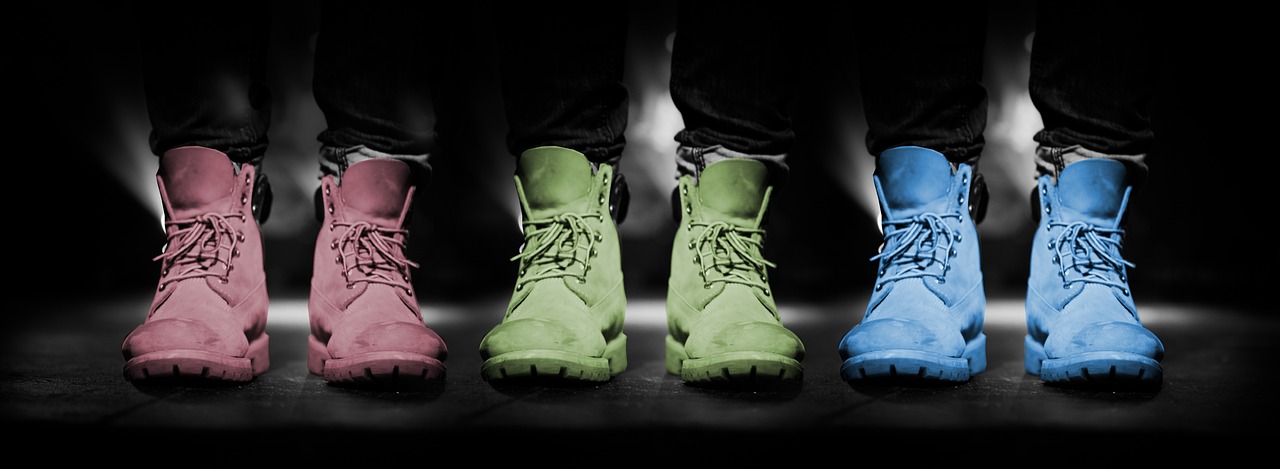
Last refers to the three‑dimensional form that determines the shape and size of a pet shoe. In pet shoe design the last must accommodate the unique curvature of a paw, including the pad arch and toe spread. Designers often create a digital last using 3D scanning of the animal’s foot, then adjust the model to achieve the desired fit. The accuracy of the last directly influences comfort and stability; an ill‑fitting last can cause chafing or slipping, especially during high‑energy activities.
Upper is the part of the shoe that covers the dorsal side of the paw. Common upper materials include lightweight canvas, breathable mesh, and supple leather. Each material offers a different balance of durability and flexibility. For a small breed with delicate paws, a soft leather upper may be preferred to reduce abrasion, while a working dog that frequently encounters rough terrain might benefit from a reinforced canvas with a waterproof coating. The upper may also incorporate decorative elements such as embroidery or reflective strips for visibility at night.
Outsole is the bottom layer that contacts the ground. It is typically made from rubber, TPU (thermoplastic polyurethane), or silicone. The choice of outsole material determines traction, wear resistance, and noise level. A rubber outsole with a patterned tread provides excellent grip on wet surfaces, whereas a silicone outsole offers a quieter step, which can be important for indoor pets that need to move silently on hardwood floors. The outsole thickness is also a factor; a thicker outsole protects the paw from sharp objects but may reduce the natural feel of the surface.
Midsole sits between the insole and outsole, adding cushioning and shock absorption. Materials such as EVA (ethylene‑vinyl acetate) foam or PU (polyurethane) foam are common. In pet shoe design the midsole must be lightweight yet resilient enough to absorb impact during running or jumping. For senior pets with joint concerns, a softer midsole can reduce stress on the knees and hips, while a firmer midsole may be chosen for agile breeds that require quick response to ground changes.
Insole is the interior layer that directly contacts the paw pad. It often includes a moisture‑wicking liner to keep the paw dry and comfortable. Antimicrobial treatments can be applied to the insole to prevent bacterial growth, which is especially important for dogs that spend time outdoors or in humid environments. A removable insole allows for easy cleaning and replacement, extending the shoe’s lifespan.
Vamp describes the section of the upper that extends from the toe to the ankle, covering the top of the paw. The vamp can be shaped to provide additional support around the metacarpal area, helping to prevent overextension during high‑impact activities. In some designs, a flexible vamp made from neoprene allows for greater range of motion while still offering protection against debris.
Heel in pet shoes is the rear portion that supports the heel of the paw. While many pet shoes are low‑profile, certain therapeutic models incorporate a slight heel lift to alleviate strain on the Achilles tendon and promote a more natural gait in animals recovering from injury. The heel may be reinforced with a denser rubber compound to improve durability where the most wear occurs.
Toe cap is a protective element that shields the front of the paw from impact and abrasion. It is commonly crafted from hard rubber or a reinforced TPU insert. The toe cap is essential for dogs that engage in activities such as hiking on rocky trails, where the toes are exposed to frequent contact with sharp objects. The cap can be molded to follow the natural curve of the toe, minimizing bulk while maximizing protection.
Tread pattern refers to the design etched or molded into the outsole. Patterns may be straight grooves, herringbone, or multidirectional lugs. The selection of a tread pattern influences slip resistance on various surfaces, such as wet grass, mud, or indoor tile. Designers often test tread patterns on a slip‑resistance rig to quantify the coefficient of friction, ensuring the shoe meets safety standards for both indoor and outdoor use.
Traction is the ability of the shoe to grip the surface without sliding. It is a combination of outsole material, tread pattern, and the weight distribution of the animal. For breeds with high activity levels, such as Border Collies, high traction is critical to prevent accidental slips during rapid directional changes. In contrast, indoor pets may require moderate traction to avoid excessive noise on hardwood floors.
Ergonomics in pet shoe design focuses on aligning the shoe’s structure with the natural anatomy of the animal’s foot. This includes considerations such as the angle of the toe box, the curvature of the arch support, and the positioning of fastening mechanisms. An ergonomic design reduces the risk of pressure points and encourages a natural gait, which is especially important for therapeutic footwear intended to aid in rehabilitation.
Fit is the overall relationship between the shoe’s dimensions and the animal’s paw measurements. Accurate fit is achieved by measuring paw length, paw width, girth around the mid‑pad, and toe spread. Many manufacturers provide a sizing chart that correlates these measurements to shoe size. However, due to breed‑specific variations, designers often recommend a trial fitting and the use of adjustable closures to fine‑tune the fit.
Adjustability refers to the ability to modify the shoe’s tightness after the initial fit. Common adjustable features include Velcro straps, elastic loops, buckles, and lacing systems. Velcro is popular for quick on/off application, while buckles can provide a more secure and customizable fit for larger or more active dogs. Elastic loops allow for a snug fit that accommodates slight swelling of the paw after exercise.
Closure systems encompass the methods used to secure the shoe to the paw. Velcro, elastic, hook‑and‑loop, and quick‑release buckles are typical. Each system has trade‑offs: Velcro offers ease of use but may lose adhesion over time; elastic provides stretch but can lose elasticity with repeated washing; buckles give a firm hold but require more dexterity to fasten. The choice of closure system often depends on the owner’s ability to handle the shoe and the pet’s temperament.
Strap is a band that wraps around the paw or leg to hold the shoe in place. Straps may be padded for added comfort and can be secured with Velcro or a snap fastener. In designs for larger breeds, a wider strap distributes pressure more evenly across the leg, reducing the likelihood of strap‑induced bruising. Straps can also serve as decorative elements, featuring contrasting colors or embossed logos.
Velcro (hook‑and‑loop) fasteners are ubiquitous in pet footwear because they allow rapid adjustment. The strength of the Velcro bond can be enhanced by using high‑cohesion material, which resists peeling under stress. For pets that tend to chew or scratch, Velcro may be reinforced with a protective covering to extend its lifespan.
Buckle closures, often made from metal or durable polymer, provide a secure lock that resists accidental release. Buckles are frequently used in high‑performance shoes where a firm hold is essential, such as in agility competitions. A quick‑release buckling mechanism can speed up the process of putting the shoes on and taking them off, which is beneficial for dogs that are impatient or nervous.
Lacing systems offer a customizable fit by allowing the owner to tighten the shoe precisely where needed. Lacing can be done with traditional cords, elastic shoelaces, or specialized quick‑lace mechanisms. While lacing provides excellent adjustability, it may be challenging for owners who are inexperienced with shoe tightening. Some designs incorporate a hybrid system where lacing is combined with Velcro for added security.
Paw pad protection is a critical feature for any pet shoe. It involves the use of cushioning materials, such as silicone gel inserts or foam pads, that sit directly under the insole to shield the sensitive paw pads from impact and temperature extremes. In hot climates, a cooling gel layer can help dissipate heat, while in cold climates, a thermal insulating layer can retain warmth. The protection must be breathable to prevent moisture buildup, which can lead to fungal infections.
Waterproofing is achieved through the application of a membrane or coating that prevents liquid from penetrating the shoe. Materials like PU laminate or a thin layer of TPU are commonly used. Waterproof shoes are essential for dogs that frequently encounter puddles, snow, or mud. However, designers must balance waterproofing with breathability to avoid creating a humid environment that can cause skin irritation.
Breathability refers to the ability of the shoe to allow air circulation, helping to regulate temperature and moisture. Mesh panels, perforated leather, and moisture‑wicking liners contribute to breathability. For indoor pets, a highly breathable design reduces the risk of odor buildup and keeps the paw dry, which is especially important for breeds prone to yeast infections.
Durability is the capacity of the shoe to withstand wear and tear over time. It is influenced by material selection, construction techniques, and reinforcement of high‑stress areas. Reinforced stitching, double‑stitched seams, and the use of abrasion‑resistant materials in the toe cap and outsole all contribute to longer product life. Durability is a key selling point for owners who view the shoe as an investment in their pet’s health.
Slip resistance is a safety feature that ensures the shoe does not slide on smooth surfaces. Slip‑resistant compounds are often added to the outsole, and tread designs are optimized for multi‑directional grip. Testing for slip resistance may involve a standardized incline test where the shoe is placed on a sloped surface and the animal’s ability to maintain footing is observed.
Anti‑microbial treatment involves applying agents that inhibit the growth of bacteria, fungi, and odor‑causing microbes. These treatments can be embedded in the lining, insole, or outer material. For pets that spend a lot of time outdoors or have a tendency to get their paws dirty, anti‑microbial properties help maintain hygiene and reduce the need for frequent washing.
Embroidery is a decorative technique where thread is stitched onto the shoe’s surface to create patterns, logos, or names. Embroidery adds a premium aesthetic and can be used to personalize a pet’s footwear. However, embroidery should be placed in low‑stress areas to avoid tearing when the shoe flexes.
Appliqué involves attaching fabric or leather pieces onto the shoe’s surface to create three‑dimensional designs. Appliqué can be used for branding or to add visual interest, such as a paw print motif. The attachment method—whether adhesive, stitching, or heat‑bonding—must be durable to withstand the rigors of active play.
Reflective striping enhances visibility in low‑light conditions. Reflective materials are typically sewn or printed onto the upper or strap. For owners who walk their dogs at dawn or dusk, reflective shoes improve safety by making the pet more noticeable to drivers.
Colorway describes the combination of colors used in a shoe design. In pet fashion, colorways are often selected to complement the animal’s coat, to match the owner’s style, or to reflect seasonal trends. Designers may offer limited‑edition colorways to create a sense of exclusivity.
Pattern refers to the visual design printed or woven into the fabric. Patterns can range from simple stripes to intricate animal motifs. Pattern selection can influence perceived style, such as sporty, casual, or formal. When choosing a pattern, designers must consider how it aligns with the intended market segment.
Silhouette describes the overall shape and profile of the shoe when viewed from the side. A low‑profile silhouette is sleek and unobtrusive, ideal for indoor use, while a bulkier silhouette may provide additional protection for rugged outdoor activities. The silhouette must balance aesthetics with functional coverage of the paw.
Girth measurement is the circumference taken around the mid‑pad of the paw. This measurement is crucial for determining the appropriate strap width and closure tension. Excessive girth can cause a shoe to feel loose, while insufficient girth may lead to a tight, uncomfortable fit that restricts blood flow.
Paw length is measured from the tip of the toe to the base of the heel. Accurate paw length measurement ensures that the toe box provides adequate room for natural toe spread without causing compression. Overly short toe boxes can result in toe bruising, whereas overly long boxes may cause the shoe to slip forward.
Paw width is the measurement across the widest part of the paw, usually at the metacarpal region. Width is essential for selecting the correct upper material stretch and for designing the strap or closure system. Wide paws may require a broader upper or a more flexible material to avoid pinching.
Toe spread indicates how far the toes naturally splay when the animal stands. A design that respects the natural toe spread reduces pressure on the interdigital space and promotes better balance. Some shoes incorporate a flexible toe box that expands to accommodate natural spread during motion.
Heel height in pet shoes is typically minimal but can be adjusted for therapeutic purposes. A slight heel elevation can reduce strain on the Achilles tendon and improve posture in dogs recovering from hind‑leg injuries. Heel height must be calibrated carefully to avoid altering the animal’s gait excessively.
Flex rating measures how easily the shoe bends at the forefoot. A high flex rating indicates a very flexible shoe, suitable for agility training where quick foot movements are essential. Conversely, a lower flex rating provides more support for heavy‑weight or senior dogs that need additional stability.
Weight of the shoe influences the animal’s comfort and energy expenditure. Lightweight designs, often achieved with minimalistic materials and thin outsoles, are preferred for high‑performance activities. However, a certain amount of weight may be necessary to provide sufficient protection for rugged terrain.
Thermal insulation is incorporated in shoes intended for cold climates. Insulating layers, such as Thinsulate or fleece liners, trap warmth while still allowing moisture to escape. Designers must ensure that insulation does not add bulk that interferes with the paw’s natural movement.
Cooling technology is used in shoes for hot environments. Materials like phase‑change cooling gels or breathable mesh with moisture‑wicking properties can lower the temperature of the paw surface. Cooling technology helps prevent overheating during intense exercise in summer months.
Shock absorption is achieved through the midsole and insole materials. Shock‑absorbing designs reduce impact forces transmitted to the joints, which is beneficial for older pets or those with joint conditions such as arthritis. The degree of shock absorption can be tailored by selecting different foam densities.
Stitching technique influences both aesthetics and durability. Common techniques include flat‑lock stitching for a smooth surface, reinforced double‑stitching at stress points, and blind stitching for hidden seams. The choice of stitching method can affect the shoe’s ability to withstand pulling and flexing.
Seam placement is strategically planned to avoid high‑friction zones. Seams placed along the dorsal side of the paw reduce the chance of rubbing against the ground, while seams on the lateral side can be concealed for a cleaner look. Proper seam placement enhances both comfort and visual appeal.
Bonding method includes adhesives, heat‑fusion, and ultrasonic welding. Adhesives are often used for attaching liners and insoles, whereas heat‑fusion may be employed for bonding TPU components. Ultrasonic welding provides a strong, waterproof seal without adding extra material, which is advantageous for waterproof shoe designs.
Testing protocol outlines the procedures used to evaluate shoe performance. Common tests include abrasion resistance, tensile strength of straps, slip resistance on various surfaces, and fit assessment on live animals. A rigorous testing protocol ensures that the final product meets safety and quality standards before market release.
Regulatory compliance involves adhering to industry standards such as ASTM for footwear safety, CE marking for European markets, and any specific pet‑product regulations. Compliance may require documentation of material safety data sheets, labeling of allergens, and proof of non‑toxicity for all components.
Material safety data sheet (MSDS) provides information on the chemical composition, hazards, and handling instructions for each material used in the shoe. Reviewing the MSDS helps designers select non‑toxic, pet‑friendly materials and ensures that any potential allergens are identified and avoided.
Allergen awareness is critical when selecting materials. Certain fabrics, like wool, can trigger skin sensitivities in some pets. Designers must consider hypoallergenic alternatives, such as cotton blends or synthetic fibers, especially for breeds known to have skin conditions.
Environmental impact is increasingly important to consumers. Sustainable materials, such as recycled polyester or bio‑based TPU, can reduce the carbon footprint of the shoe. Designers may also incorporate biodegradable components in the insole or lining, allowing the product to break down more easily at the end of its life cycle.
Recyclability refers to the ability of the shoe’s components to be processed and reused. Designing for disassembly—by using snap‑fasteners instead of permanent adhesives—facilitates recycling. Providing clear instructions for owners on how to separate materials can encourage responsible disposal.
Customization allows owners to personalize shoes with their pet’s name, favorite colors, or unique patterns. Customization can be achieved through laser engraving, embroidered patches, or interchangeable strap covers. Offering customization enhances the perceived value and can increase customer loyalty.
Batch production versus made‑to‑order are two manufacturing approaches. Batch production enables economies of scale and lower unit costs but may result in excess inventory. Made‑to‑order reduces waste and allows for precise sizing, but lead times are longer. Designers must balance these factors based on market demand and inventory strategy.
Supply chain logistics encompass sourcing raw materials, manufacturing, quality control, and distribution. A reliable supply chain ensures that critical components like high‑traction outsoles and breathable uppers are available when needed, preventing production delays. Effective logistics also support timely delivery to retailers and end‑customers.
Cost analysis involves evaluating material costs, labor, tooling, and overhead to determine the final price point. For premium pet shoes, higher material costs may be justified by superior performance and aesthetic features. However, for mass‑market products, cost efficiency is essential to remain competitive.
Market segmentation categorizes potential buyers into groups such as performance‑oriented owners, fashion‑focused consumers, and therapeutic users. Understanding the needs of each segment guides design decisions, such as emphasizing durability for performance shoes or focusing on style and embellishment for fashion‑forward collections.
Trend forecasting helps designers anticipate upcoming styles, colors, and functional innovations. Trends in human footwear, such as sustainable materials or minimalist designs, often influence pet shoe trends. Keeping abreast of industry publications, runway shows, and consumer feedback informs the development of contemporary collections.
Brand identity shapes the visual language and values associated with a pet shoe line. Consistent use of logos, color palettes, and design motifs reinforces brand recognition. A strong brand identity can differentiate a product in a crowded market and foster emotional connections with pet owners.
User experience (UX) in pet shoe design extends beyond the animal to the owner. The UX includes ease of putting the shoe on, adjusting the fit, cleaning the product, and monitoring wear. Designing intuitive closure systems and providing clear instructions enhance the overall user satisfaction.
Instruction manual is an essential companion piece that guides owners through sizing, fitting, and maintenance. Clear diagrams, step‑by‑step procedures, and troubleshooting tips reduce the likelihood of misuse and extend product life. Incorporating QR codes that link to video tutorials can further improve the learning experience.
Maintenance routine outlines how to clean, dry, and store the shoes after each use. Regular cleaning with mild soap and water prevents buildup of mud and bacteria. For waterproof shoes, a quick rinse and air‑dry cycle maintains performance. Proper storage—such as placing shoes in a breathable bag—prevents deformation of the last.
Fit assessment may be performed by the owner or a professional groomer. The assessment includes checking for pressure points, ensuring the strap does not dig into the skin, and confirming that the shoe does not impede natural movement. A well‑fitted shoe should stay securely in place without causing the pet to constantly shift its foot.
Training protocol is often required to accustom a pet to wearing shoes. Initial sessions should be brief, allowing the animal to sniff and explore the shoe before attempting to put it on. Positive reinforcement, such as treats and praise, encourages acceptance. Gradual increase in wear time helps prevent anxiety or resistance.
Behavioral considerations involve understanding how a pet’s temperament may affect shoe adoption. High‑energy dogs may be more tolerant of restrictive footwear, while nervous or older animals may require a softer, more flexible design. Tailoring the shoe’s rigidity and closure method to the individual’s behavior improves compliance.
Safety hazards must be identified and mitigated. Sharp edges on the outsole, loose decorative elements, or overly tight straps can cause injury. Designers conduct risk assessments to eliminate hazards, such as rounding all edges, securely anchoring embellishments, and providing adjustable tension to avoid excessive compression.
Regulatory labeling requires clear information on material composition, care instructions, and safety warnings. Labels should be placed in a visible location, such as on the inner side of the strap, and written in language appropriate for the target market. Accurate labeling builds trust and ensures compliance with consumer protection laws.
Patents and intellectual property protect innovative features such as a unique closure mechanism or a proprietary cushioning system. Securing patents prevents competitors from copying key design elements and adds value to the brand. Designers should conduct a thorough prior‑art search before filing to avoid infringement.
Feedback loop involves gathering user reviews, monitoring return reasons, and analyzing sales data to refine future designs. Direct feedback from owners—through surveys or social media—provides insights into performance gaps, desired features, and emerging trends. Incorporating this feedback into iterative design cycles drives continuous improvement.
Prototype development is a critical stage where concepts are turned into physical models. Rapid prototyping techniques, such as 3D printing of the last and CNC machining of outsole molds, accelerate the development timeline. Prototypes are tested for fit, comfort, and durability before moving to full‑scale production.
Material testing includes tensile strength, abrasion resistance, and chemical resistance. For example, a rubber outsole may be subjected to a Taber abrasion test to determine how many cycles it can endure before wearing down. Material testing ensures that the shoe will perform under the expected environmental conditions.
Ergonomic assessment uses motion capture and pressure mapping to evaluate how the shoe influences gait. Sensors placed on the paw can record pressure distribution, revealing areas of high stress. Adjustments to the last or midsole can then be made to redistribute load more evenly, enhancing comfort.
Compliance testing for slip resistance often follows ASTM F2913, which measures the coefficient of friction on wet and dry surfaces. Shoes that meet or exceed the standard are marketed as “anti‑slip” or “non‑slip,” providing an additional safety claim for owners concerned about accidents.
Environmental testing simulates extreme conditions, such as exposure to UV light, temperature cycling, and moisture. This testing predicts how the shoe will hold up over time when subjected to sun, snow, or humidity. Results guide decisions on material additives, such as UV stabilizers or anti‑mildew treatments.
Production scaling involves transitioning from limited‑run prototypes to high‑volume manufacturing. This step requires establishing quality control checkpoints, such as in‑line inspection of stitching integrity and automated measurement of outsole thickness. Scaling efficiently reduces per‑unit cost while maintaining product consistency.
Quality assurance protocols include random sampling of finished shoes for visual inspection, tensile testing of straps, and fit verification on a standard last. A QA checklist ensures that each batch meets defined specifications before shipment. Documentation of QA results supports traceability and helps address any post‑sale issues.
After‑sales support encompasses warranty policies, customer service channels, and repair services. Offering a limited warranty for defects builds confidence, while a responsive support team can address sizing concerns or material failures. Some brands provide an exchange program for shoes that have outgrown the pet, encouraging sustainable reuse.
Case study – a high‑performance agility shoe for Border Collies illustrates many of these concepts. The design employed a lightweight TPU outsole with a multidirectional herringbone tread for optimal grip on indoor and outdoor surfaces. A breathable mesh upper was reinforced with a silicone‑coated toe cap for abrasion protection. The shoe featured a dual‑strap system: an elastic loop for quick adjustment and a Velcro buckle for fine tuning. A removable silicone gel insole offered shock absorption and antimicrobial properties. Testing revealed a slip‑resistance coefficient of 0.68 on wet wood, exceeding the ASTM minimum of 0.55. Owner feedback highlighted the ease of donning the shoe and the dog’s willingness to wear it after a brief training protocol. The case study underscores the synergy of material selection, ergonomic design, and user‑focused features.
Case study – a therapeutic boot for senior Labrador Retrievers focused on joint support and warmth. The boot incorporated a low‑profile heel lift of 5 mm to reduce Achilles strain. A Thinsulate liner provided thermal insulation, while a moisture‑wicking polyester insole managed sweat. The outsole was a soft rubber compound with a shallow tread to minimize noise on indoor floors. Adjustable Velcro straps with padded edges prevented pressure points. Anti‑microbial treatment was applied to the lining to mitigate infection risk in dogs with compromised immunity. Clinical trials demonstrated a 30 % reduction in observed limping after two weeks of consistent use. This example illustrates how therapeutic goals drive material and structural choices.
Challenge – sizing variability across breeds presents a significant design obstacle. While a small terrier may have a paw length of 4 cm, a large mastiff can exceed 12 cm. Developing a universal last that accommodates this range without sacrificing fit is impractical. Designers therefore create multiple size families, each with its own last, and offer a sizing guide that instructs owners on measuring girth, length, and width. Additionally, adjustable closure systems help bridge minor size discrepancies, but extreme mismatches still require a different size category.
Challenge – ensuring durability while maintaining flexibility is a balancing act. A rigid outsole protects against punctures but can impede natural movement and increase fatigue. Conversely, a highly flexible outsole may wear quickly on abrasive surfaces. To address this, designers employ hybrid outsoles that combine a hard rubber core for puncture resistance with a softer rubber overlay in high‑flex zones. This layered approach delivers both protection and mobility.
Challenge – addressing pet anxiety related to footwear. Some animals resist wearing shoes due to unfamiliar sensations. Designers mitigate this by incorporating soft, padded liners and using gentle closure mechanisms that avoid sudden tightening. Training protocols, as mentioned earlier, are essential, but the shoe’s design should also minimize sensory overload. For instance, reducing the amount of external hardware and using quiet‑cushioning materials can help the pet accept the shoe more readily.
Challenge – maintaining hygiene in multi‑pet households. When several animals share the same living space, shoes can become a vector for pathogens. Selecting antimicrobial materials, providing removable and washable insoles, and encouraging regular cleaning are key strategies. Some manufacturers offer a dedicated cleaning spray formulated for the shoe’s material, ensuring effective sanitization without degrading performance.
Challenge – meeting diverse regulatory requirements across regions. Europe’s CE marking demands specific testing for chemical safety, while the United States may have different consumer product safety standards. Designers must compile comprehensive documentation, including MSDS for each component, to satisfy auditors. Engaging with a regulatory consultant early in development can streamline compliance and avoid costly redesigns later.
Practical application – integrating reflective striping for night walks. The reflective material is sewn onto the strap in a pattern that maximizes visibility from multiple angles. Designers must ensure the stitching does not compromise the strap’s flexibility. Testing involves exposing the shoe to low‑light conditions and measuring reflectivity with a photometer. The outcome guides material selection and placement to achieve optimal safety without sacrificing comfort.
Practical application – using laser‑etched logos for branding. Laser etching creates a permanent, precise imprint on the outsole or upper without adding bulk. This method is ideal for high‑volume production because it can be automated. The process requires selecting a material that reacts well to the laser, such as a coated TPU, and calibrating power settings to avoid damaging the surrounding area.
Practical application – implementing a modular strap system. Owners can purchase interchangeable strap covers in different colors or patterns, allowing them to customize the shoe’s appearance without altering the underlying structure. The modular system uses a snap‑fit attachment that locks securely while remaining easy to change. This approach extends the product’s lifespan by enabling aesthetic updates without replacing the entire shoe.
Practical application – developing a quick‑dry lining for water‑intensive activities. The lining is constructed from a hydrophobic polyester mesh that channels water away from the paw pad. After exposure to water, the lining drains within seconds, reducing the risk of skin maceration. Testing includes immersing the shoe in water for a set duration, then measuring residual moisture using a gravimetric method.
Practical application – creating a “break‑in” period for stiff materials. Some high‑performance shoes use a semi‑rigid TPU that requires a short break‑in to soften. Designers can accelerate this process by applying a gentle heat treatment before shipment, ensuring the shoe is supple enough for immediate use while retaining its protective qualities. This technique improves customer satisfaction by eliminating the need for a prolonged adjustment period.
Practical application – offering a size‑adjustable insole that can be trimmed. Insole blanks are supplied with perforated edges, allowing owners to cut the insole to match their pet’s paw length precisely. Instructions include measuring the paw and using a sharp pair of scissors to trim excess material. This customization ensures a snug fit and prevents the insole from sliding inside the shoe.
Practical application – employing a dual‑density foam midsole. The forefoot area uses a softer foam for cushioning, while the rear foot area incorporates a firmer foam to provide stability. This gradient design mirrors the varying load distribution across the paw during movement, enhancing comfort and reducing fatigue. Finite element analysis can model stress distribution, guiding the selection of appropriate foam densities.
Practical application – integrating a small pocket for a protective gel insert. The pocket, located on the lateral side of the upper, holds a detachable silicone gel pad that can be swapped out for a colder gel during summer or a heated pad in winter. This modular approach enables owners to adapt the shoe to seasonal temperature changes, extending its usability throughout the year.
Practical application – using a biodegradable TPU for the outsole. This material maintains the necessary durability for outdoor use but breaks down under industrial composting conditions after its service life. Designers must verify that the biodegradable compound still meets slip‑resistance and abrasion standards before market release. The eco‑friendly attribute can be highlighted in marketing to appeal to environmentally conscious consumers.
Practical application – adding a scent‑infused liner for calming purposes. A liner treated with a mild lavender or chamomile scent can help soothe anxious pets during the initial wearing period. The scent is microencapsulated to release slowly over time, ensuring it does not overwhelm the pet’s senses. Safety testing confirms that the fragrance compounds are non‑irritating and pet‑safe.
Practical application – developing a “smart” shoe with embedded sensors. Thin, flexible pressure sensors can be sewn into the insole to monitor gait patterns and detect abnormalities. Data collected via Bluetooth can be transmitted to a mobile app, providing owners and veterinarians with real‑time insights into the pet’s locomotion. This technology opens avenues for early detection of orthopedic issues.
Practical application – designing a shoe specifically for cats. Cats require a low‑profile silhouette, a flexible sole for silent movement, and a secure yet gentle closure system. A small hook‑and‑loop strap positioned around the ankle, combined with a stretchy neoprene upper, allows for a snug fit without restricting the cat’s natural agility. The outsole may feature a micro‑tread to maintain traction without producing noise.
Practical application – creating a “seasonal” collection that pairs colors and materials with weather patterns. Winter models might feature a dark, waterproof canvas upper with a fleece lining, while summer models could use breathable mesh with a bright, reflective colorway. Seasonal marketing can be synchronized with product launches, encouraging repeat purchases as conditions change.
Practical application – employing a “no‑lace” design for dogs that dislike extra objects near their paws. The shoe utilizes a molded footbed that snaps onto a custom‑shaped last, eliminating the need for laces entirely. The snap‑fit mechanism provides a secure hold while allowing quick removal for cleaning. This design simplifies the user experience for owners who prefer minimal handling.
Practical application – offering a “gift set” that includes a shoe, a cleaning kit, and a step‑by‑step training guide. Packaging the accessories together adds perceived value and encourages proper maintenance. The training guide can incorporate QR codes linking to short tutorial videos, enhancing the owner’s confidence in using the product correctly.
Practical application – integrating an anti‑slip silicone patch on the strap. The patch is positioned where the strap contacts the leg, providing additional grip to prevent the strap from sliding during vigorous activity. Silicone’s high coefficient of friction ensures the strap stays in place, even when the paw is wet.
Practical application – utilizing a double‑layered toe cap. The outer layer consists of a hard rubber for impact resistance, while the inner layer is a soft foam that cushions the toe. This combination protects the paw from sharp objects while reducing pressure on the digit during prolonged wear.
Practical application – adding a “quick‑release” buckle on the rear strap for emergency removal. In the event that the shoe becomes stuck or the pet panics, the owner can disengage the buckle with one hand, freeing the paw instantly. This safety feature is especially important for working dogs that may need to remove the shoe rapidly in the field.
Practical application – developing a “low‑maintenance” version where the outsole is self‑cleaning. The outsole surface is treated with a nano‑coating that repels dirt and mud, allowing the shoe to be rinsed quickly without the need for scrubbing. This technology reduces the time owners spend on cleaning, making the product more attractive for busy lifestyles.
Practical application – implementing a “size‑lock” indicator on the strap. Small visual markers, such as colored dots, align when the strap is tightened to the correct size. This assists owners in achieving a consistent fit each time they put the shoe on, reducing the likelihood of overtightening or loosening.
Practical application – offering a “personalized” embroidery option for the pet’s name. The embroidery is stitched onto the upper using a high‑strength thread that resists pulling. This personalization adds a premium feel and aids in identifying the pet’s footwear in multi‑pet households.
Practical application – creating a “reversible” shoe design where
Key takeaways
- The accuracy of the last directly influences comfort and stability; an ill‑fitting last can cause chafing or slipping, especially during high‑energy activities.
- For a small breed with delicate paws, a soft leather upper may be preferred to reduce abrasion, while a working dog that frequently encounters rough terrain might benefit from a reinforced canvas with a waterproof coating.
- A rubber outsole with a patterned tread provides excellent grip on wet surfaces, whereas a silicone outsole offers a quieter step, which can be important for indoor pets that need to move silently on hardwood floors.
- For senior pets with joint concerns, a softer midsole can reduce stress on the knees and hips, while a firmer midsole may be chosen for agile breeds that require quick response to ground changes.
- Antimicrobial treatments can be applied to the insole to prevent bacterial growth, which is especially important for dogs that spend time outdoors or in humid environments.
- The vamp can be shaped to provide additional support around the metacarpal area, helping to prevent overextension during high‑impact activities.
- While many pet shoes are low‑profile, certain therapeutic models incorporate a slight heel lift to alleviate strain on the Achilles tendon and promote a more natural gait in animals recovering from injury.