
Weather Routing and Voyage Planning
Weather routing and voyage planning are critical components of vessel performance management, requiring a thorough understanding of various key terms and vocabulary . To begin with, weather routing refers to the process of planning a vessel…
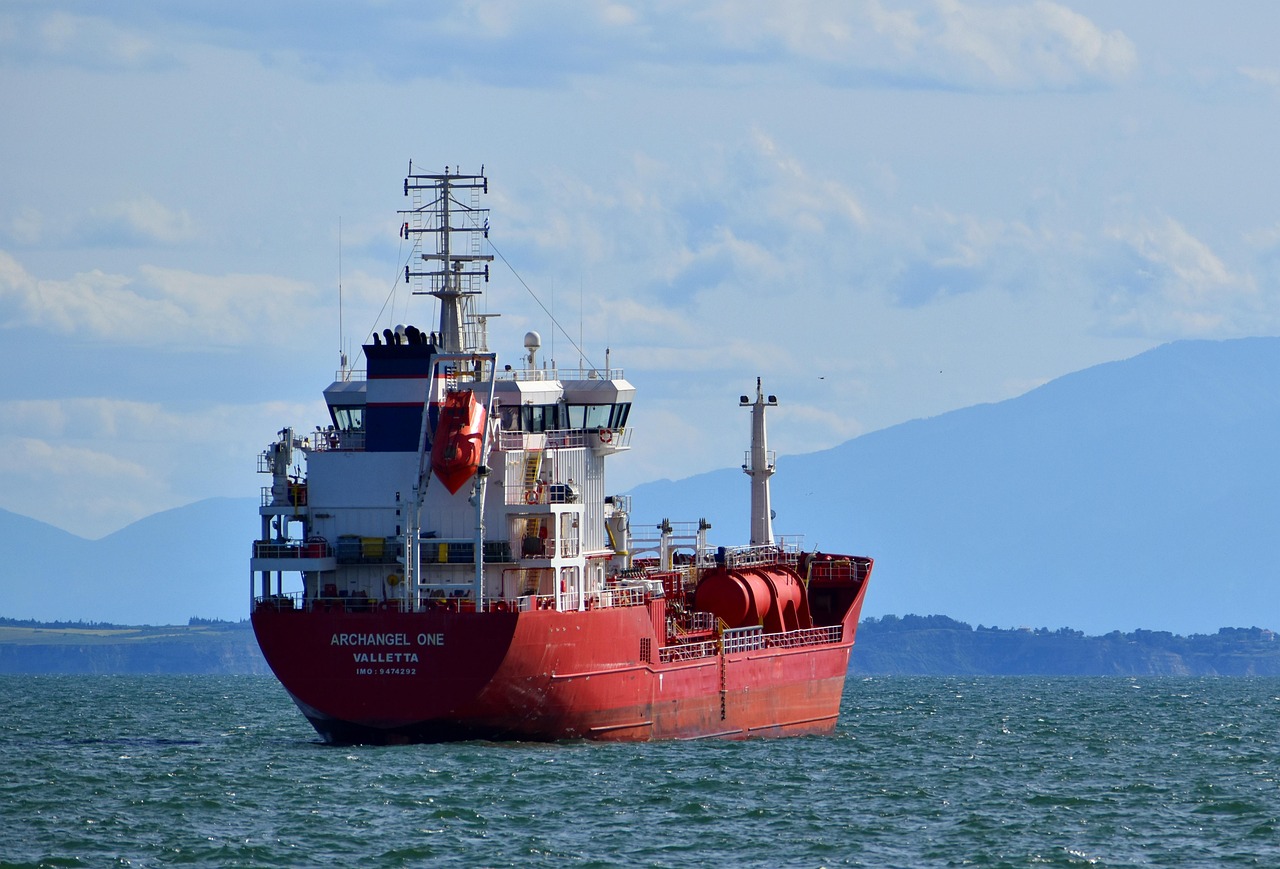
Weather routing and voyage planning are critical components of vessel performance management, requiring a thorough understanding of various key terms and vocabulary. To begin with, weather routing refers to the process of planning a vessel's route to minimize the impact of adverse weather conditions on its journey. This involves analyzing meteorological data to identify the most favorable route, taking into account factors such as wind direction, wave height, and sea state. The primary objective of weather routing is to ensure the safety of the vessel, its crew, and cargo, while also optimizing fuel efficiency and reducing voyage time.
In the context of weather routing, route optimization plays a crucial role. This involves using advanced algorithms and mathematical models to analyze various route options and identify the most efficient and safe route. Route optimization takes into account a range of factors, including weather forecasts, sea state, and traffic density, to minimize the risk of accidents and delays. By optimizing the route, vessel operators can reduce fuel consumption, lower emissions, and improve overall performance.
Voyage planning is another critical aspect of vessel performance management, involving the preparation of a detailed plan for a vessel's journey. This plan takes into account various factors, including weather forecasts, sea state, and traffic density, to ensure a safe and efficient voyage. A voyage plan typically includes information on the route to be taken, estimated arrival time, and contingency plans in case of emergencies or unforeseen circumstances. The plan is typically prepared by a qualified navigator or voyage planner, using a range of tools and software to analyze weather data and traffic information.
In addition to weather routing and voyage planning, vessel performance management also involves monitoring and analyzing performance metrics such as fuel consumption, speed, and distance traveled. This data is used to identify areas for improvement and optimize vessel performance. For example, by analyzing fuel consumption data, vessel operators can identify opportunities to reduce fuel waste and improve fuel efficiency. Similarly, by monitoring speed and distance traveled, operators can optimize route planning and reduce voyage time.
The use of technology plays a critical role in vessel performance management, with advanced software and hardware systems used to analyze weather data, traffic information, and performance metrics. For example, AIS (Automatic Identification System) technology is used to track vessel position and speed, while weather forecasting software is used to analyze meteorological data and predict weather patterns. The use of big data analytics and machine learning algorithms is also becoming increasingly important in vessel performance management, enabling operators to analyze large datasets and identify trends and patterns that can inform decision-making.
One of the key challenges in vessel performance management is data quality, with inaccurate or incomplete data potentially leading to poor decision-making and suboptimal performance. To address this challenge, vessel operators must ensure that data collection and analysis systems are robust and reliable, and that data quality is regularly monitored and verified. This may involve implementing quality control procedures, such as data validation and error checking, to ensure that data is accurate and reliable.
Another challenge in vessel performance management is regulatory compliance, with vessel operators required to comply with a range of regulations and standards related to safety, environmental protection, and security. For example, the International Maritime Organization (IMO) has implemented a range of regulations aimed at reducing greenhouse gas emissions and improving fuel efficiency. Vessel operators must ensure that they are aware of and comply with these regulations, which may involve implementing new technologies or operational practices to reduce emissions and improve performance.
In terms of best practices, vessel operators can take a range of steps to optimize performance and reduce risks. For example, implementing a robust voyage planning process can help to minimize the risk of accidents and delays, while regularly monitoring and analyzing performance metrics can help to identify areas for improvement. Additionally, investing in training and development programs can help to ensure that crew members have the skills and knowledge needed to operate vessels safely and efficiently.
The use of weather routing software is also becoming increasingly important in vessel performance management, with advanced algorithms and mathematical models used to analyze weather data and predict weather patterns. This software can help vessel operators to identify the most favorable route and minimize the impact of adverse weather conditions on their journey. For example, by analyzing wind direction and wave height, vessel operators can optimize route planning and reduce voyage time.
In addition to weather routing software, vessel operators can also use a range of other tools and technologies to support voyage planning and performance management. For example, AIS technology can be used to track vessel position and speed, while weather forecasting software can be used to analyze meteorological data and predict weather patterns. The use of big data analytics and machine learning algorithms is also becoming increasingly important in vessel performance management, enabling operators to analyze large datasets and identify trends and patterns that can inform decision-making.
The importance of crew training and development should not be underestimated in vessel performance management. Crew members must have the skills and knowledge needed to operate vessels safely and efficiently, and to respond effectively in case of emergencies or unforeseen circumstances. This may involve providing regular training and development programs, as well as on-the-job training and mentoring. By investing in crew training and development, vessel operators can help to minimize the risk of accidents and delays, and optimize performance.
In terms of challenges, vessel performance management is not without its difficulties. One of the key challenges is data quality, with inaccurate or incomplete data potentially leading to poor decision-making and suboptimal performance. Another challenge is regulatory compliance, with vessel operators required to comply with a range of regulations and standards related to safety, environmental protection, and security. Additionally, the cost of implementing new technologies and operational practices can be a significant challenge for vessel operators, particularly for smaller or less well-resourced organizations.
To address these challenges, vessel operators can take a range of steps. For example, implementing robust data collection and analysis systems can help to ensure that data is accurate and reliable. Additionally, investing in crew training and development programs can help to ensure that crew members have the skills and knowledge needed to operate vessels safely and efficiently. The use of technology such as weather routing software and big data analytics can also help to optimize performance and reduce risks.
In terms of future developments, the use of autonomous vessels and unmanned aerial vehicles (UAVs) is becoming increasingly important in vessel performance management. These technologies have the potential to revolutionize the way that vessels are operated, with autonomous systems able to optimize route planning and reduce voyage time. Additionally, the use of big data analytics and machine learning algorithms is likely to become even more important in the future, enabling vessel operators to analyze large datasets and identify trends and patterns that can inform decision-making.
The importance of collaboration and partnership should not be underestimated in vessel performance management. Vessel operators must work closely with regulatory bodies, industry organizations, and technology providers to ensure that they are aware of and comply with regulations and standards related to safety, environmental protection, and security. Additionally, collaboration and partnership can help to drive innovation and investment in new technologies and operational practices, enabling vessel operators to optimize performance and reduce risks.
In terms of practical applications, vessel performance management has a range of real-world applications. For example, the use of weather routing software can help vessel operators to minimize the impact of adverse weather conditions on their journey, while the use of big data analytics and machine learning algorithms can help to optimize route planning and reduce voyage time. Additionally, the implementation of robust voyage planning processes can help to minimize the risk of accidents and delays, while investing in crew training and development programs can help to ensure that crew members have the skills and knowledge needed to operate vessels safely and efficiently.
The use of case studies and examples can be a useful way to illustrate the practical applications of vessel performance management. For example, a case study of a vessel operator that has implemented a robust voyage planning process could highlight the benefits of this approach, including reduced risk of accidents and delays, and improved performance. Similarly, an example of a vessel operator that has used weather routing software to minimize the impact of adverse weather conditions on their journey could highlight the cost savings and performance benefits of this approach.
In terms of challenges and limitations, vessel performance management is not without its difficulties. One of the key challenges is data quality, with inaccurate or incomplete data potentially leading to poor decision-making and suboptimal performance. Another challenge is regulatory compliance, with vessel operators required to comply with a range of regulations and standards related to safety, environmental protection, and security. Additionally, the cost of implementing new technologies and operational practices can be a significant challenge for vessel operators, particularly for smaller or less well-resourced organizations.
To address these challenges, vessel operators can take a range of steps. For example, implementing robust data collection and analysis systems can help to ensure that data is accurate and reliable. Additionally, investing in crew training and development programs can help to ensure that crew members have the skills and knowledge needed to operate vessels safely and efficiently. The use of technology such as weather routing software and big data analytics can also help to optimize performance and reduce risks.
In terms of future research directions, there are a range of potential areas of study that could inform the development of vessel performance management. For example, the use of artificial intelligence and machine learning algorithms could be explored to optimize route planning and reduce voyage time. Additionally, the development of new technologies such as autonomous vessels and unmanned aerial vehicles (UAVs) could be explored to improve safety and efficiency. The use of big data analytics and data mining could also be explored to identify trends and patterns in performance data that could inform decision-making.
The importance of interdisciplinary collaboration should not be underestimated in vessel performance management. Vessel operators must work closely with regulatory bodies, industry organizations, and technology providers to ensure that they are aware of and comply with regulations and standards related to safety, environmental protection, and security. Additionally, collaboration and partnership can help to drive innovation and investment in new technologies and operational practices, enabling vessel operators to optimize performance and reduce risks.
In terms of best practices, vessel operators can take a range of steps to optimize performance and reduce risks. For example, implementing a robust voyage planning process can help to minimize the risk of accidents and delays, while regularly monitoring and analyzing performance metrics can help to identify areas for improvement. Additionally, investing in crew training and development programs can help to ensure that crew members have the skills and knowledge needed to operate vessels safely and efficiently. The use of technology such as weather routing software and big data analytics can also help to optimize performance and reduce risks.
The use of case studies and examples can be a useful way to illustrate the practical applications of vessel performance management. For example, a case study of a vessel operator that has implemented a robust voyage planning process could highlight the benefits of this approach, including reduced risk of accidents and delays, and improved performance. Similarly, an example of a vessel operator that has used weather routing software to minimize the impact of adverse weather conditions on their journey could highlight the cost savings and performance benefits of this approach.
In terms of challenges and limitations, vessel performance management is not without its difficulties. One of the key challenges is data quality, with inaccurate or incomplete data potentially leading to poor decision-making and suboptimal performance. Another challenge is regulatory compliance, with vessel operators required to comply with a range of regulations and standards related to safety, environmental protection, and security. Additionally, the cost of implementing new technologies and operational practices can be a significant challenge for vessel operators, particularly for smaller or less well-resourced organizations.
To address these challenges, vessel operators can take a range of steps. For example, implementing robust data collection and analysis systems can help to ensure that data is accurate and reliable. Additionally, investing in crew training and development programs can help to ensure that crew members have the skills and knowledge needed to operate vessels safely and efficiently. The use of technology such as weather routing software and big data analytics can also help to optimize performance and reduce risks.
The importance of continuous monitoring and evaluation should not be underestimated in vessel performance management. Vessel operators must regularly monitor and analyze performance metrics to identify areas for improvement and optimize performance. Additionally, the use of benchmarking and performance metrics can help to identify best practices and areas for improvement. The use of technology such as weather routing software and big data analytics can also help to optimize performance and reduce risks.
In terms of future research directions, there are a range of potential areas of study that could inform the development of vessel performance management. For example, the use of artificial intelligence and machine learning algorithms could be explored to optimize route planning and reduce voyage time. Additionally, the development of new technologies such as autonomous vessels and unmanned aerial vehicles (UAVs) could be explored to improve safety and efficiency. The use of big data analytics and data mining could also be explored to identify trends and patterns in performance data that could inform decision-making.
The importance of interdisciplinary collaboration should not be underestimated in vessel performance management. Vessel operators must work closely with regulatory bodies, industry organizations, and technology providers to ensure that they are aware of and comply with regulations and standards related to safety, environmental protection, and security. Additionally, collaboration and partnership can help to drive innovation and investment in new technologies and operational practices, enabling vessel operators to optimize performance and reduce risks.
In terms of practical applications, vessel performance management has a range of real-world applications. For example, the use of weather routing software can help vessel operators to minimize the impact of adverse weather conditions on their journey, while the use of big data analytics and machine learning algorithms can help to optimize route planning and reduce voyage time. Additionally, the implementation of robust voyage planning processes can help to minimize the risk of accidents and delays, while investing in crew training and development programs can help to ensure that crew members have the skills and knowledge needed to operate vessels safely and efficiently.
The use of case studies and examples can be a useful way to illustrate the practical applications of vessel performance management. For example, a case study of a vessel operator that has implemented a robust voyage planning process could highlight the benefits of this approach, including reduced risk of accidents and delays, and improved performance. Similarly, an example of a vessel operator that has used weather routing software to minimize the impact of adverse weather conditions on their journey could highlight the cost savings and performance benefits of this approach.
In terms of challenges and limitations, vessel performance management is not without its difficulties. One of the key challenges is data quality, with inaccurate or incomplete data potentially leading to poor decision-making and suboptimal performance. Another challenge is regulatory compliance, with vessel operators required to comply with a range of regulations and standards related to safety, environmental protection, and security. Additionally, the cost of implementing new technologies and operational practices can be a significant challenge for vessel operators, particularly for smaller or less well-resourced organizations.
To address these challenges, vessel operators can take a range of steps. For example, implementing robust data collection and analysis systems can help to ensure that data is accurate and reliable. Additionally, investing in crew training and development programs can help to ensure that crew members have the skills and knowledge needed to operate vessels safely and efficiently. The use of technology such as weather routing software and big data analytics can also help to optimize performance and reduce risks.
The importance of continuous monitoring and evaluation should not be underestimated in vessel performance management. Vessel operators must regularly monitor and analyze performance metrics to identify areas for improvement and optimize performance. Additionally, the use of benchmarking and performance metrics can help to identify best practices and areas for improvement. The use of technology such as weather routing software and big data analytics can also help to optimize performance and reduce risks.
In terms of future research directions, there are a range of potential areas of study that could inform the development of vessel performance management. For example, the use of artificial intelligence and machine learning algorithms could be explored to optimize route planning and reduce voyage time. Additionally, the development of new technologies such as autonomous vessels and unmanned aerial vehicles (UAVs) could be explored to improve safety and efficiency. The use of big data analytics and data mining could also be explored to identify trends and patterns in performance data that could inform decision-making.
The importance of interdisciplinary collaboration should not be underestimated in vessel performance management. Vessel operators must work closely with regulatory bodies, industry organizations, and technology providers to ensure that they are aware of and comply with regulations and standards related to safety, environmental protection, and security. Additionally, collaboration and partnership can help to drive innovation and investment in new technologies and operational practices, enabling vessel operators to optimize performance and reduce risks.
Key takeaways
- This involves analyzing meteorological data to identify the most favorable route, taking into account factors such as wind direction, wave height, and sea state.
- Route optimization takes into account a range of factors, including weather forecasts, sea state, and traffic density, to minimize the risk of accidents and delays.
- A voyage plan typically includes information on the route to be taken, estimated arrival time, and contingency plans in case of emergencies or unforeseen circumstances.
- In addition to weather routing and voyage planning, vessel performance management also involves monitoring and analyzing performance metrics such as fuel consumption, speed, and distance traveled.
- The use of technology plays a critical role in vessel performance management, with advanced software and hardware systems used to analyze weather data, traffic information, and performance metrics.
- To address this challenge, vessel operators must ensure that data collection and analysis systems are robust and reliable, and that data quality is regularly monitored and verified.
- Vessel operators must ensure that they are aware of and comply with these regulations, which may involve implementing new technologies or operational practices to reduce emissions and improve performance.