
Regulatory Compliance and Standards
Regulatory compliance and standards are essential components of vessel performance management, as they ensure that vessels operate safely, efficiently, and in an environmentally responsible manner. In the context of the Certificate in Vesse…
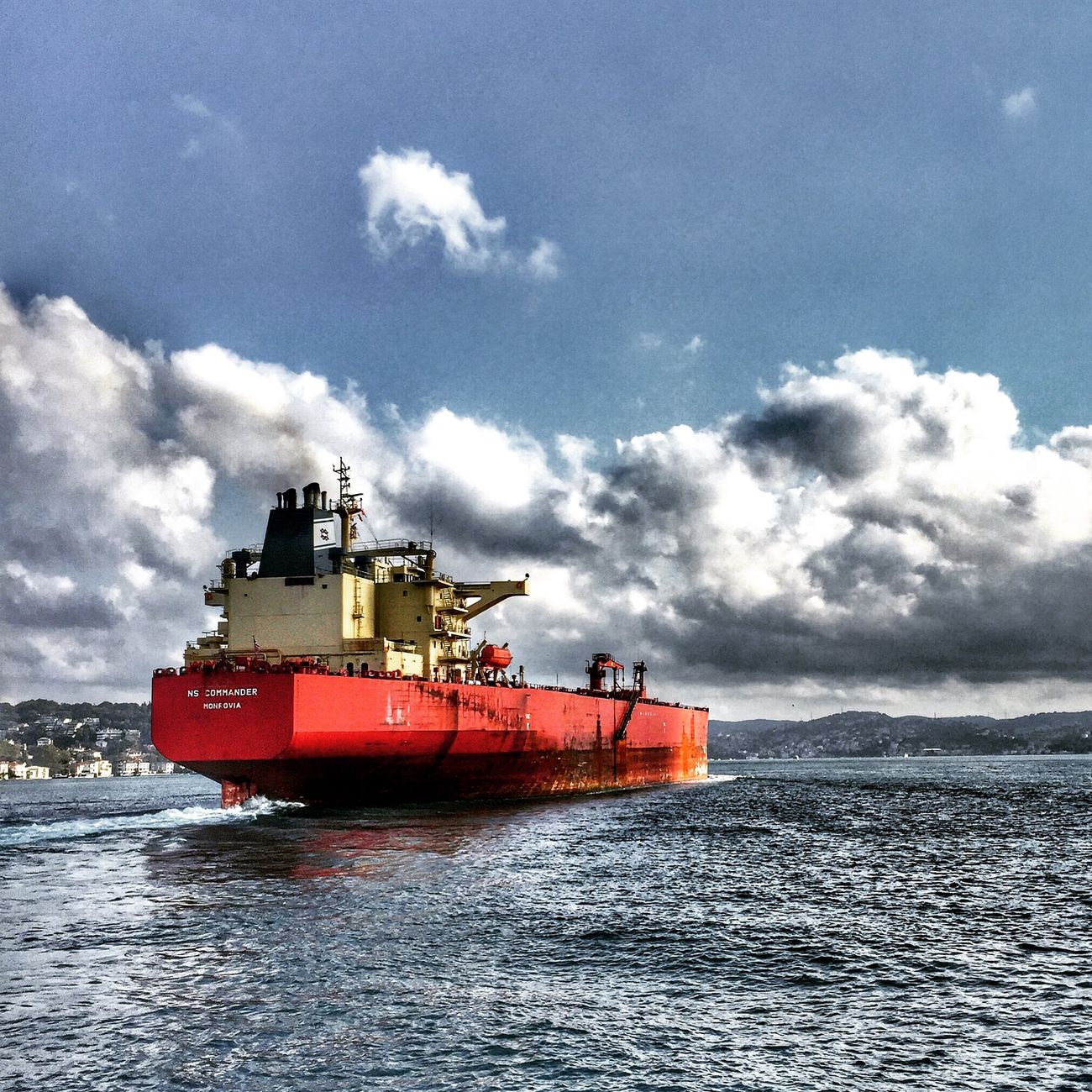
Regulatory compliance and standards are essential components of vessel performance management, as they ensure that vessels operate safely, efficiently, and in an environmentally responsible manner. In the context of the Certificate in Vessel Performance Management (India), it is crucial to understand key terms and vocabulary related to regulatory compliance and standards. One of the primary regulatory frameworks governing vessel operations is the International Maritime Organization (IMO) conventions and protocols. The IMO is a specialized agency of the United Nations responsible for developing and implementing global standards for the safety, security, and environmental sustainability of international shipping.
The IMO has developed a range of conventions and protocols that address various aspects of vessel operations, including safety, pollution prevention, and security. For example, the International Convention for the Safety of Life at Sea (SOLAS) sets minimum safety standards for vessels, while the International Convention for the Prevention of Pollution from Ships (MARPOL) regulates pollution from vessels. Vessel operators must comply with these conventions and protocols to ensure that their vessels are operated in a safe, efficient, and environmentally responsible manner. Compliance with international regulations is critical to avoiding penalties, fines, and damage to a company's reputation.
In addition to IMO conventions and protocols, vessel operators must also comply with national and local regulations. In India, for example, the Directorate General of Shipping (DGS) is responsible for regulating vessel operations and ensuring compliance with national and international regulations. Vessel operators must obtain the necessary certificates and permits to operate in Indian waters, and must comply with regulations related to safety, security, and environmental protection. The DGS also conducts regular inspections and audits to ensure that vessels are operated in compliance with regulatory requirements.
Another critical aspect of regulatory compliance is the implementation of management systems that ensure vessels are operated in a safe, efficient, and environmentally responsible manner. The International Safety Management (ISM) code, for example, provides a framework for vessel operators to implement a safety management system (SMS) that ensures compliance with regulatory requirements. The SMS must be tailored to the specific needs of the vessel and the company, and must include procedures for identifying and mitigating risks, as well as for responding to emergencies.
Vessel operators must also comply with standards related to vessel design, construction, and maintenance. The American Bureau of Shipping (ABS) and Lloyd's Register (LR) are examples of classification societies that develop and implement standards for vessel design, construction, and maintenance. These standards ensure that vessels are designed and constructed to operate safely and efficiently, and that they are maintained in a condition that ensures continued compliance with regulatory requirements. Classification societies also conduct regular surveys and inspections to ensure that vessels are maintained in compliance with their standards.
In addition to regulatory compliance, vessel operators must also consider industry best practices and standards. The Oil Companies International Marine Forum (OCIMF) and the Society of International Gas Tanker and Terminal Operators (SIGTTO) are examples of industry organizations that develop and implement best practices and standards for vessel operations. These organizations provide guidance on issues such as safety, security, and environmental protection, and help to promote a culture of excellence within the industry. Vessel operators can benefit from adopting industry best practices and standards, as they can help to improve safety, efficiency, and environmental sustainability.
The implementation of technology is also critical to ensuring regulatory compliance and improving vessel performance. Advances in technology have enabled the development of systems and tools that can help vessel operators to monitor and manage their vessels more effectively. For example, vessel monitoring systems (VMS) can be used to track vessel movements and monitor vessel performance, while software applications can be used to manage maintenance, inventory, and other critical functions. The use of technology can help to improve safety, efficiency, and environmental sustainability, and can also help to reduce costs and improve profitability.
However, the implementation of technology also presents challenges for vessel operators. The cost of implementing new technology can be significant, and vessel operators must carefully consider the benefits and costs of adopting new systems and tools. Additionally, the use of technology requires specialized training and expertise, and vessel operators must ensure that their personnel have the necessary skills and knowledge to use technology effectively. The integration of technology with existing systems and processes can also be complex, and vessel operators must carefully plan and manage the implementation of new technology to ensure that it is effective and efficient.
In terms of practical applications, vessel operators can use a range of tools and systems to ensure regulatory compliance and improve vessel performance. For example, vessel operators can use VMS to track vessel movements and monitor vessel performance, while software applications can be used to manage maintenance, inventory, and other critical functions. Vessel operators can also use data analytics and other tools to identify areas for improvement and to optimize vessel performance. The use of these tools and systems can help to improve safety, efficiency, and environmental sustainability, and can also help to reduce costs and improve profitability.
The implementation of regulatory compliance and standards is also critical to ensuring that vessels are operated in a safe, efficient, and environmentally responsible manner. Vessel operators must develop and implement policies and procedures that ensure compliance with regulatory requirements, and must also provide training and awareness programs for personnel. The use of audits and inspections can also help to ensure that vessels are operated in compliance with regulatory requirements, and can help to identify areas for improvement. Vessel operators must also establish a culture of accountability and transparency, where personnel are empowered to report incidents and near-misses, and where there is a commitment to continuous improvement.
Vessel operators must also consider the human element of regulatory compliance and standards. The training and awareness of personnel are critical to ensuring that vessels are operated in a safe, efficient, and environmentally responsible manner. Vessel operators must provide personnel with the necessary skills and knowledge to operate vessels safely and efficiently, and must also ensure that personnel are aware of their responsibilities and obligations under regulatory requirements. The use of performance metrics and benchmarks can also help to evaluate the effectiveness of personnel and to identify areas for improvement.
In addition to the above, vessel operators must also consider the environmental impact of their operations. The protection of the environment is a critical aspect of regulatory compliance and standards, and vessel operators must ensure that their operations do not harm the environment. The use of ballast water management systems, for example, can help to prevent the spread of invasive species and to protect the environment. Vessel operators must also comply with regulations related to waste management and pollution prevention, and must ensure that their operations are designed and implemented to minimize their environmental impact.
The management of vessel performance is also critical to ensuring that vessels are operated in a safe, efficient, and environmentally responsible manner. Vessel operators must develop and implement policies and procedures that ensure compliance with regulatory requirements, and must also provide training and awareness programs for personnel. The use of performance metrics and benchmarks can also help to evaluate the effectiveness of vessel operations and to identify areas for improvement. Vessel operators must also establish a culture of accountability and transparency, where personnel are empowered to report incidents and near-misses, and where there is a commitment to continuous improvement.
The certification of vessels is also an important aspect of regulatory compliance and standards. Vessel operators must obtain the necessary certificates and permits to operate their vessels, and must comply with regulations related to safety, security, and environmental protection. The classification of vessels is also critical, as it ensures that vessels are designed and constructed to operate safely and efficiently. Classification societies such as the American Bureau of Shipping (ABS) and Lloyd's Register (LR) provide standards and guidelines for vessel design, construction, and maintenance, and conduct regular surveys and inspections to ensure that vessels are maintained in compliance with their standards.
In terms of challenges, vessel operators face a range of difficulties in ensuring regulatory compliance and improving vessel performance. The cost of implementing new technology and systems can be significant, and vessel operators must carefully consider the benefits and costs of adopting new systems and tools. Additionally, the complexity of regulatory requirements can be challenging, and vessel operators must ensure that they have the necessary expertise and resources to comply with regulatory requirements. The management of vessel performance is also critical, as vessel operators must develop and implement policies and procedures that ensure compliance with regulatory requirements, and must also provide training and awareness programs for personnel.
The implementation of regulatory compliance and standards is also critical to ensuring that vessels are operated in a safe, efficient, and environmentally responsible manner. Vessel operators must develop and implement policies and procedures that ensure compliance with regulatory requirements, and must also provide training and awareness programs for personnel. The use of audits and inspections can also help to ensure that vessels are operated in compliance with regulatory requirements, and can help to identify areas for improvement. Vessel operators must also establish a culture of accountability and transparency, where personnel are empowered to report incidents and near-misses, and where there is a commitment to continuous improvement.
The future of regulatory compliance and standards is likely to be shaped by a range of factors, including advances in technology and changes in regulatory requirements. Vessel operators must be prepared to adapt to these changes and to implement new systems and tools to ensure compliance with regulatory requirements. The use of data analytics and other tools can also help to identify areas for improvement and to optimize vessel performance. The implementation of regulatory compliance and standards will continue to be critical to ensuring that vessels are operated in a safe, efficient, and environmentally responsible manner, and vessel operators must be prepared to meet the challenges and opportunities of the future.
In terms of best practices, vessel operators can learn from the experiences of other companies and organizations in the industry. The sharing of knowledge and expertise can help to promote a culture of excellence within the industry, and can help to identify areas for improvement. The use of benchmarks and metrics can also help to evaluate the effectiveness of vessel operations and to identify areas for improvement. Vessel operators must also establish a culture of accountability and transparency, where personnel are empowered to report incidents and near-misses, and where there is a commitment to continuous improvement.
The importance of regulatory compliance and standards cannot be overstated. The consequences of non-compliance can be severe, including penalties, fines, and damage to a company's reputation. Vessel operators must ensure that they have the necessary expertise and resources to comply with regulatory requirements, and must also provide training and awareness programs for personnel. The use of audits and inspections can also help to ensure that vessels are operated in compliance with regulatory requirements, and can help to identify areas for improvement. The implementation of regulatory compliance and standards will continue to be critical to ensuring that vessels are operated in a safe, efficient, and environmentally responsible manner.
The benefits of regulatory compliance and standards are numerous. The protection of the environment, for example, is a critical aspect of regulatory compliance and standards, and vessel operators must ensure that their operations do not harm the environment. The use of ballast water management systems, for example, can help to prevent the spread of invasive species and to protect the environment. Vessel operators must also comply with regulations related to waste management and pollution prevention, and must ensure that their operations are designed and implemented to minimize their environmental impact.
In terms of practical applications, vessel operators can use a range of tools and systems to ensure regulatory compliance and improve vessel performance. The use of software applications, for example, can help to manage maintenance, inventory, and other critical functions. The use of data analytics and other tools can also help to identify areas for improvement and to optimize vessel performance. Vessel operators must also establish a culture of accountability and transparency, where personnel are empowered to report incidents and near-misses, and where there is a commitment to continuous improvement.
The implementation of regulatory compliance and standards is a critical aspect of vessel performance management. Vessel operators must develop and implement policies and procedures that ensure compliance with regulatory requirements, and must also provide training and awareness programs for personnel. The use of audits and inspections can also help to ensure that vessels are operated in compliance with regulatory requirements, and can help to identify areas for improvement. Vessel operators must also establish a culture of accountability and transparency, where personnel are empowered to report incidents and near-misses, and where there is a commitment to continuous improvement.
The management of vessel performance is also critical to ensuring that vessels are operated in a safe, efficient, and environmentally responsible manner. Vessel operators must develop and implement policies and procedures that ensure compliance with regulatory requirements, and must also provide training and awareness programs for personnel. The use of performance metrics and benchmarks can also help to evaluate the effectiveness of vessel operations and to identify areas for improvement. Vessel operators must also establish a culture of accountability and transparency, where personnel are empowered to report incidents and near-misses, and where there is a commitment to continuous improvement.
In terms of challenges, vessel operators face a range of difficulties in ensuring regulatory compliance and improving vessel performance. The cost of implementing new technology and systems can be significant, and vessel operators must carefully consider the benefits and costs of adopting new systems and tools. Additionally, the complexity of regulatory requirements can be challenging, and vessel operators must ensure that they have the necessary expertise and resources to comply with regulatory requirements. The management of vessel performance is also critical, as vessel operators must develop and implement policies and procedures that ensure compliance with regulatory requirements, and must also provide training and awareness programs for personnel.
The future of regulatory compliance and standards is likely to be shaped by a range of factors, including advances in technology and changes in regulatory requirements. Vessel operators must be prepared to adapt to these changes and to implement new systems and tools to ensure compliance with regulatory requirements. The use of data analytics and other tools can also help to identify areas for improvement and to optimize vessel performance. The implementation of regulatory compliance and standards will continue to be critical to ensuring that vessels are operated in a safe, efficient, and environmentally responsible manner, and vessel operators must be prepared to meet the challenges and opportunities of the future.
The importance of regulatory compliance and standards cannot be overstated. The consequences of non-compliance can be severe, including penalties, fines, and damage to a company's reputation. Vessel operators must ensure that they have the necessary expertise and resources to comply with regulatory requirements, and must also provide training and awareness programs for personnel. The use of audits and inspections can also help to ensure that vessels are operated in compliance with regulatory requirements, and can help to identify areas for improvement. The implementation of regulatory compliance and standards will continue to be critical to ensuring that vessels are operated in a safe, efficient, and environmentally responsible manner.
The benefits of regulatory compliance and standards are numerous. The protection of the environment, for example, is a critical aspect of regulatory compliance and standards, and vessel operators must ensure that their operations do not harm the environment. The use of ballast water management systems, for example, can help to prevent the spread of invasive species and to protect the environment. Vessel operators must also comply with regulations related to waste management and pollution prevention, and must ensure that their operations are designed and implemented to minimize their environmental impact.
In terms of practical applications, vessel operators can use a range of tools and systems to ensure regulatory compliance and improve vessel performance. The use of software applications, for example, can help to manage maintenance, inventory, and other critical functions. The use of data analytics and other tools can also help to identify areas for improvement and to optimize vessel performance. Vessel operators must also establish a culture of accountability and transparency, where personnel are empowered to report incidents and near-misses, and where there is a commitment to continuous improvement.
The implementation of regulatory compliance and standards is a critical aspect of vessel performance management. Vessel operators must develop and implement policies and procedures that ensure compliance with regulatory requirements, and must also provide training and awareness programs for personnel. The use of audits and inspections can also help to ensure that vessels are operated in compliance with regulatory requirements, and can help to identify areas for improvement. Vessel operators must also establish a culture of accountability and transparency, where personnel are empowered to report incidents and near-misses, and where there is a commitment to continuous improvement.
The management of vessel performance is also critical to ensuring that vessels are operated in a safe, efficient, and environmentally responsible manner. Vessel operators must develop and implement policies and procedures that ensure compliance with regulatory requirements, and must also provide training and awareness programs for personnel. The use of performance metrics and benchmarks can also help to evaluate the effectiveness of vessel operations and to identify areas for improvement. Vessel operators must also establish a culture of accountability and transparency, where personnel are empowered to report incidents and near-misses, and where there is a commitment to continuous improvement.
Key takeaways
- The IMO is a specialized agency of the United Nations responsible for developing and implementing global standards for the safety, security, and environmental sustainability of international shipping.
- Vessel operators must comply with these conventions and protocols to ensure that their vessels are operated in a safe, efficient, and environmentally responsible manner.
- Vessel operators must obtain the necessary certificates and permits to operate in Indian waters, and must comply with regulations related to safety, security, and environmental protection.
- The International Safety Management (ISM) code, for example, provides a framework for vessel operators to implement a safety management system (SMS) that ensures compliance with regulatory requirements.
- These standards ensure that vessels are designed and constructed to operate safely and efficiently, and that they are maintained in a condition that ensures continued compliance with regulatory requirements.
- These organizations provide guidance on issues such as safety, security, and environmental protection, and help to promote a culture of excellence within the industry.
- For example, vessel monitoring systems (VMS) can be used to track vessel movements and monitor vessel performance, while software applications can be used to manage maintenance, inventory, and other critical functions.