
Mineral Extraction and Beneficiation
Mineral extraction and beneficiation are crucial processes in the mining and mineral processing industry, as they enable the separation and concentration of valuable minerals from waste rock. The mining process involves the removal of miner…
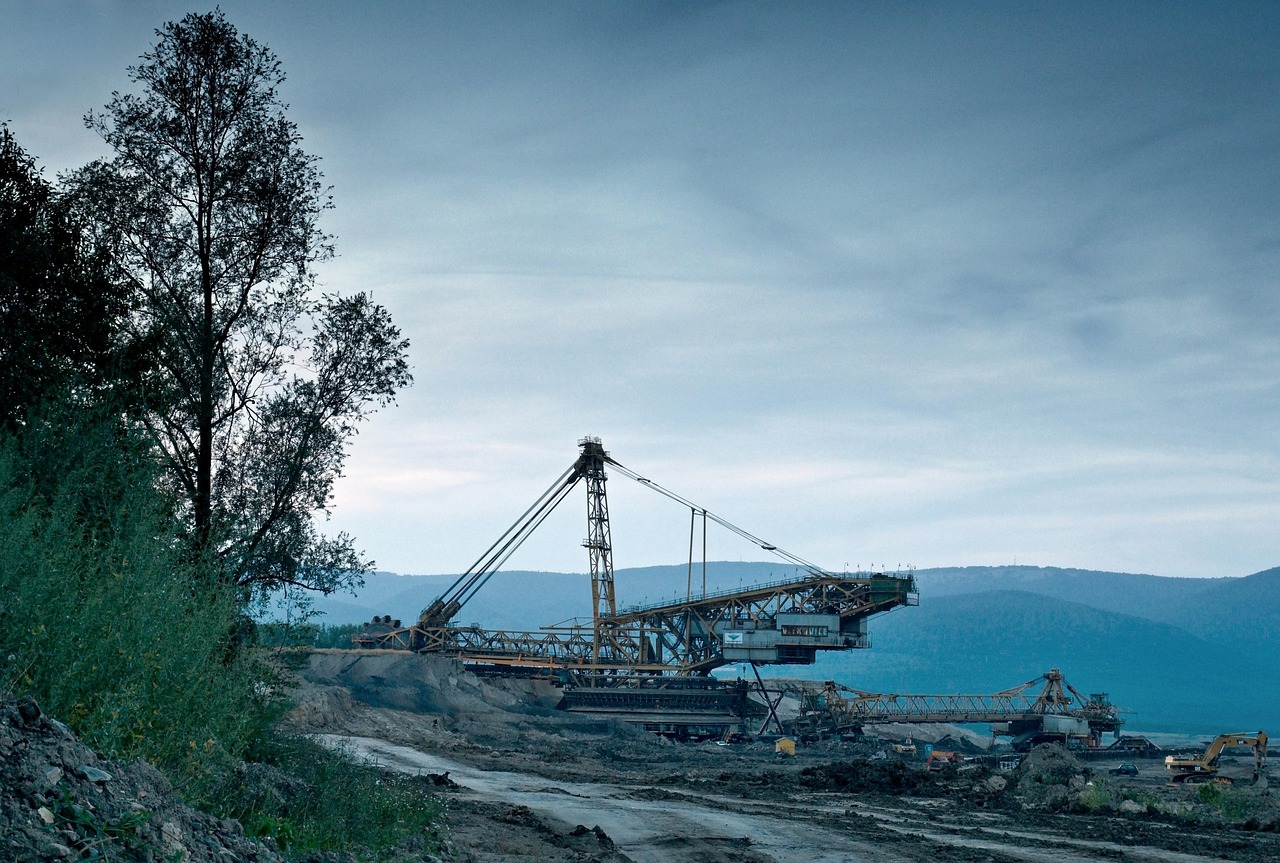
Mineral extraction and beneficiation are crucial processes in the mining and mineral processing industry, as they enable the separation and concentration of valuable minerals from waste rock. The mining process involves the removal of minerals from the earth, while beneficiation is the process of separating the valuable minerals from the waste rock. Mineral extraction and beneficiation are complex processes that require a thorough understanding of the geology of the deposit, the mineralogy of the ore, and the metallurgy of the minerals.
The first step in mineral extraction is exploration, which involves the search for and discovery of mineral deposits. This process typically involves geophysical and geochemical surveys, as well as drilling and sampling to determine the size and grade of the deposit. Once a deposit has been discovered, the next step is to conduct a feasibility study to determine whether the deposit can be mined profitably. This study typically involves an analysis of the geology and mineralogy of the deposit, as well as an evaluation of the metallurgical and environmental factors that may affect the mining and processing of the ore.
The mining process typically involves the removal of overburden, which is the rock and soil that covers the mineral deposit. This is typically done using heavy machinery, such as bulldozers and excavators. Once the overburden has been removed, the ore is extracted using a variety of mining methods, such as room and pillar mining, sublevel caving, and block caving. The choice of mining method depends on the geology of the deposit, the mineralogy of the ore, and the metallurgy of the minerals.
After the ore has been extracted, it is typically crushed and ground into a fine powder to release the valuable minerals. This process is known as comminution, and it is typically done using crushers and mills. The choice of comminution method depends on the mineralogy of the ore and the metallurgy of the minerals. For example, hard ores may require more energy to crush and grind than soft ores.
Once the ore has been comminuted, it is typically subjected to separation processes to separate the valuable minerals from the waste rock. This process is known as beneficiation, and it typically involves the use of physical and chemical methods to separate the minerals. For example, magnetic separation may be used to separate magnetic minerals from non-magnetic minerals, while flotation may be used to separate hydrophobic minerals from hydrophilic minerals.
The beneficiation process typically involves a series of stages, each of which is designed to separate a specific mineral or group of minerals from the waste rock. For example, the rougher stage may be used to separate the coarse minerals from the waste rock, while the cleaner stage may be used to separate the fine minerals from the waste rock. The final stage may be used to produce a high-grade concentrate that is suitable for smelting or refining.
One of the key challenges in mineral extraction and beneficiation is the mineralogy of the ore. Different minerals have different properties, such as hardness and magnetic susceptibility, that affect their behavior during the mining and processing stages. For example, hard minerals may be more difficult to crush and grind than soft minerals, while magnetic minerals may be more easily separated from non-magnetic minerals using magnetic separation.
Another key challenge in mineral extraction and beneficiation is the metallurgy of the minerals. Different minerals have different metallurgical properties, such as melting point and reactivity, that affect their behavior during the smelting and refining stages. For example, base metals such as copper and nickel may be more easily smelted and refined than precious metals such as gold and silver.
The environmental impact of mineral extraction and beneficiation is also a key challenge. The mining and processing of minerals can result in the release of hazardous chemicals and pollutants into the environment, which can have negative effects on human health and the environment. For example, the mining of coal can result in the release of methane and other greenhouse gases, while the processing of minerals can result in the release of heavy metals and other pollutants.
To mitigate the environmental impact of mineral extraction and beneficiation, the mining and mineral processing industry is increasingly adopting sustainable and responsible practices. For example, mining companies may use renewable energy sources, such as solar and wind power, to reduce their carbon footprint, while processing companies may use closed loop systems to minimize the release of hazardous chemicals and pollutants.
The economics of mineral extraction and beneficiation are also a key challenge. The mining and processing of minerals can be a capital intensive and high-risk activity, requiring significant investment in equipment and infrastructure. The price of minerals can also be volatile, fluctuating in response to changes in supply and demand. To mitigate these risks, mining and mineral processing companies may use a variety of strategies, such as hedging and diversification, to manage their exposure to market fluctuations.
In terms of technology, the mining and mineral processing industry is rapidly evolving, with the adoption of new and innovative technologies, such as automation and robotics, to improve the efficiency and productivity of mining and processing operations. For example, autonomous vehicles and drone technology may be used to monitor and control mining operations, while artificial intelligence and machine learning may be used to optimize and predict mining and processing outcomes.
The use of big data and analytics is also becoming increasingly important in the mining and mineral processing industry. By analyzing large datasets, mining and mineral processing companies can identify trends and patterns that can help them to optimize and improve their operations. For example, predictive maintenance may be used to predict when equipment is likely to fail, while real-time monitoring may be used to track and control mining and processing operations.
In terms of mineral processing, the use of new and innovative technologies, such as nano technology and biotechnology, is also becoming increasingly important. For example, nano particles may be used to enhance the recovery of valuable minerals, while biotechnology may be used to develop new and more efficient methods for extracting minerals from ore.
The future of mineral extraction and beneficiation is likely to be shaped by a variety of factors, including technological advancements, environmental concerns, and economic trends. As the world becomes increasingly dependent on minerals and metals, the mining and mineral processing industry will need to adapt and evolve to meet the changing needs of society. This may involve the development of new and sustainable mining and processing methods, as well as the adoption of new and innovative technologies.
One of the key challenges facing the mining and mineral processing industry is the need to balance economic and environmental concerns. As the world becomes increasingly aware of the importance of environmental protection, the mining and mineral processing industry will need to demonstrate its commitment to sustainable and responsible practices. This may involve the adoption of new and innovative technologies, as well as the development of new and sustainable mining and processing methods.
The role of government and regulatory bodies will also be important in shaping the future of mineral extraction and beneficiation. As the world becomes increasingly dependent on minerals and metals, governments and regulatory bodies will need to develop and implement policies and regulations that balance economic and environmental concerns. This may involve the development of new and sustainable mining and processing methods, as well as the adoption of new and innovative technologies.
In terms of education and training, the mining and mineral processing industry will need to develop and implement programs that equip workers with the skills and knowledge needed to work safely and effectively in the industry. This may involve the development of new and innovative training methods, as well as the adoption of new and emerging technologies.
The importance of research and development in the mining and mineral processing industry cannot be overstated. As the world becomes increasingly dependent on minerals and metals, the industry will need to develop and implement new and innovative technologies and methods to extract and process minerals in a sustainable and responsible way. This may involve the development of new and emerging technologies, such as nano technology and biotechnology, as well as the adoption of new and innovative methods for extracting and processing minerals.
In conclusion, mineral extraction and beneficiation are complex processes that require a thorough understanding of the geology of the deposit, the mineralogy of the ore, and the metallurgy of the minerals. The industry is rapidly evolving, with the adoption of new and innovative technologies, such as automation and robotics, to improve the efficiency and productivity of mining and processing operations. As the world becomes increasingly dependent on minerals and metals, the mining and mineral processing industry will need to adapt and evolve to meet the changing needs of society, while also demonstrating its commitment to sustainable and responsible practices.
Key takeaways
- Mineral extraction and beneficiation are complex processes that require a thorough understanding of the geology of the deposit, the mineralogy of the ore, and the metallurgy of the minerals.
- This process typically involves geophysical and geochemical surveys, as well as drilling and sampling to determine the size and grade of the deposit.
- Once the overburden has been removed, the ore is extracted using a variety of mining methods, such as room and pillar mining, sublevel caving, and block caving.
- After the ore has been extracted, it is typically crushed and ground into a fine powder to release the valuable minerals.
- For example, magnetic separation may be used to separate magnetic minerals from non-magnetic minerals, while flotation may be used to separate hydrophobic minerals from hydrophilic minerals.
- For example, the rougher stage may be used to separate the coarse minerals from the waste rock, while the cleaner stage may be used to separate the fine minerals from the waste rock.
- For example, hard minerals may be more difficult to crush and grind than soft minerals, while magnetic minerals may be more easily separated from non-magnetic minerals using magnetic separation.