
Mineral Processing Equipment and Operations
Mineral processing equipment and operations involve a range of complex processes and techniques that are used to extract valuable minerals from ores. The process begins with comminution , which involves crushing and grinding the ore into sm…
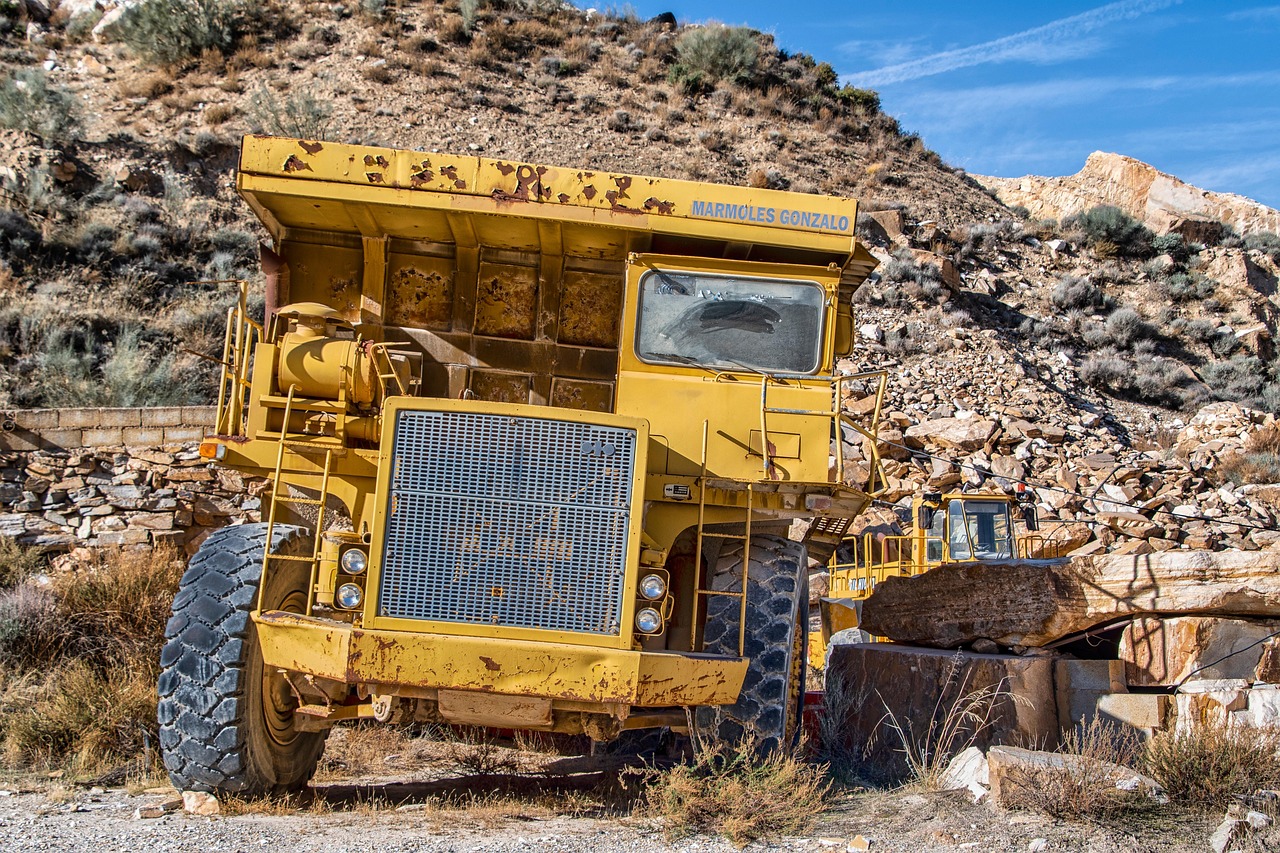
Mineral processing equipment and operations involve a range of complex processes and techniques that are used to extract valuable minerals from ores. The process begins with comminution, which involves crushing and grinding the ore into smaller particles to increase the surface area and facilitate the separation of minerals. This is typically done using crushers and grinders such as jaw crushers, cone crushers, and ball mills.
The crushed ore is then subjected to screening and classification to separate the particles into different size fractions. This is done using screens and hydrocyclones to separate the coarse and fine particles. The coarse particles are then further crushed and ground to increase the surface area, while the fine particles are sent to the next stage of processing.
The next stage of processing involves flotation, which is a process used to separate minerals based on their surface properties. The minerals are mixed with water and reagents such as surfactants and collectors, which attach to the surface of the minerals and allow them to be separated from the waste rock. The minerals are then floatated to the surface of the water, where they are skimmed off and sent to the next stage of processing.
The flotation process is widely used in mineral processing and is particularly effective for sulfide minerals such as copper, lead, and zinc. However, it can also be used for oxide minerals such as iron and chromium. The flotation process can be divided into several stages, including roughing, scavenging, and cleaning, each of which involves a series of cell banks and pumps to separate the minerals.
Another important process in mineral processing is gravity separation, which involves separating minerals based on their density. This is done using jigs and spirals to separate the heavy minerals from the light minerals. The heavy minerals are then sent to the next stage of processing, while the light minerals are discarded as waste.
The gravity separation process is widely used for iron and chromium ores, where the heavy minerals are separated from the light minerals using jigs and spirals. The process is also used for gold and platinum ores, where the heavy minerals are separated from the light minerals using sluice boxes and shaking tables.
In addition to flotation and gravity separation, mineral processing also involves electrostatic separation, which involves separating minerals based on their electrical properties. This is done using electrostatic separators to separate the minerals into different fractions. The process is widely used for minerals such as quartz and feldspar, where the minerals are separated based on their electrical conductivity.
The electrostatic separation process is also used for iron and chromium ores, where the minerals are separated based on their magnetic properties. The process involves using magnetic separators to separate the minerals into different fractions. The magnetic separation process is widely used for iron ores, where the minerals are separated based on their magnetic susceptibility.
Mineral processing equipment and operations also involve leaching, which involves using chemicals to dissolve the minerals and separate them from the waste rock. The process is widely used for gold and silver ores, where the minerals are dissolved using cyanide and acid. The leaching process is also used for copper and uranium ores, where the minerals are dissolved using acid and bacteria.
The leaching process can be done using heap leaching or tank leaching, depending on the type of ore and the minerals present. The heap leaching process involves piling the ore into a heap and irrigating it with a leaching solution to dissolve the minerals. The tank leaching process involves mixing the ore with a leaching solution in a tank and agitating it to dissolve the minerals.
In addition to leaching, mineral processing equipment and operations also involve solid-liquid separation, which involves separating the minerals from the waste rock based on their particle size and density. The process is widely used for minerals such as coal and iron, where the minerals are separated from the waste rock using centrifuges and filtration systems.
The solid-liquid separation process can be done using sedimentation or flotation, depending on the type of ore and the minerals present. The sedimentation process involves allowing the minerals to settle to the bottom of a tank, where they can be removed and sent to the next stage of processing. The flotation process involves using flotation cells to separate the minerals from the waste rock based on their surface properties.
Mineral processing equipment and operations also involve drying and calcination, which involve removing the water from the minerals and heating them to high temperatures to activate their chemical properties. The drying process is widely used for minerals such as iron and chromium, where the minerals are dried using rotary dryers and fluidized bed dryers.
The calcination process is widely used for minerals such as limestone and clay, where the minerals are heated to high temperatures to activate their chemical properties. The process involves using kilns and furnaces to heat the minerals to high temperatures, where they can be reacted with other minerals to produce a range of products.
In addition to drying and calcination, mineral processing equipment and operations also involve pelletizing and briquetting, which involve forming the minerals into pellets or briquettes to facilitate their transportation and storage. The pelletizing process is widely used for minerals such as iron and chromium, where the minerals are formed into pellets using disk pelletizers and drum pelletizers.
The briquetting process is widely used for minerals such as coal and clay, where the minerals are formed into briquettes using roller briquetters and extrusion briquetters. The briquettes can be used as a fuel source or as a raw material for further processing.
Mineral processing equipment and operations also involve material handling and conveying, which involve moving the minerals from one stage of processing to another. The process involves using conveyors and crushers to move the minerals and reduce their particle size. The material handling process is widely used for minerals such as coal and iron, where the minerals are moved using trucks and trains.
The conveying process is widely used for minerals such as copper and gold, where the minerals are moved using pipe conveyors and belt conveyors. The conveying process can be done using pneumatic conveying or mechanical conveying, depending on the type of ore and the minerals present.
In addition to material handling and conveying, mineral processing equipment and operations also involve process control and instrumentation, which involve monitoring and controlling the process parameters to ensure that the minerals are processed efficiently and effectively. The process involves using sensors and controllers to monitor the temperature, pressure, and flow rate of the minerals.
The process control process is widely used for minerals such as copper and gold, where the minerals are processed using computerized control systems and automation. The instrumentation process is widely used for minerals such as iron and chromium, where the minerals are monitored using level sensors and flow meters.
Mineral processing equipment and operations also involve safety and environmental considerations, which involve ensuring that the minerals are processed in a safe and environmentally friendly manner. The process involves using personal protective equipment and safety devices to protect the workers from hazards such as noise and dust.
The safety process is widely used for minerals such as coal and iron, where the minerals are processed using ventilation systems and dust suppression systems. The environmental process is widely used for minerals such as copper and gold, where the minerals are processed using wastewater treatment systems and air pollution control systems.
In addition to safety and environmental considerations, mineral processing equipment and operations also involve economics and marketing, which involve ensuring that the minerals are processed in a cost-effective manner and that the products are marketed effectively. The process involves using cost-benefit analysis and market research to determine the feasibility of the project and to identify the target market.
The economics process is widely used for minerals such as iron and chromium, where the minerals are processed using cost-effective methods such as heap leaching and in-situ mining. The marketing process is widely used for minerals such as copper and gold, where the minerals are marketed using advertising and public relations.
Mineral processing equipment and operations also involve research and development, which involve developing new technologies and methods to improve the efficiency and effectiveness of the mineral processing operations. The process involves using laboratories and pilot plants to test and develop new technologies and methods.
The research and development process is widely used for minerals such as copper and gold, where the minerals are processed using new technologies such as biotechnology and nanotechnology. The process involves collaborating with universities and research institutions to develop new technologies and methods that can be used to improve the efficiency and effectiveness of the mineral processing operations.
In addition to research and development, mineral processing equipment and operations also involve training and education, which involve providing the workers with the skills and knowledge they need to operate the equipment and processes safely and effectively. The process involves using classroom training and on-the-job training to provide the workers with the skills and knowledge they need.
The training and education process is widely used for minerals such as coal and iron, where the workers are trained using apprenticeships and certification programs. The process involves collaborating with universities and training institutions to provide the workers with the skills and knowledge they need to operate the equipment and processes safely and effectively.
Mineral processing equipment and operations involve a range of complex processes and techniques that are used to extract valuable minerals from ores. The process begins with comminution, which involves crushing and grinding the ore into smaller particles to increase the surface area and facilitate the separation of minerals. The minerals are then subjected to screening and classification to separate the particles into different size fractions.
The next stage of processing involves flotation, which is a process used to separate minerals based on their surface properties. The minerals are mixed with water and reagents such as surfactants and collectors, which attach to the surface of the minerals and allow them to be separated from the waste rock. The minerals are then floatated to the surface of the water, where they are skimmed off and sent to the next stage of processing.
In addition to flotation, mineral processing equipment and operations also involve gravity separation, which involves separating minerals based on their density. The process is widely used for minerals such as iron and chromium, where the heavy minerals are separated from the light minerals using jigs and spirals.
The gravity separation process is also used for minerals such as gold and platinum, where the heavy minerals are separated from the light minerals using sluice boxes and shaking tables. In addition to gravity separation, mineral processing equipment and operations also involve electrostatic separation, which involves separating minerals based on their electrical properties.
The electrostatic separation process is widely used for minerals such as quartz and feldspar, where the minerals are separated based on their electrical conductivity. The process involves using electrostatic separators to separate the minerals into different fractions.
Mineral processing equipment and operations involve a range of complex processes and techniques that are used to extract valuable minerals from ores. The process begins with comminution, which involves crushing and grinding the ore into smaller particles to increase the surface area and facilitate the separation of minerals. The minerals are then subjected to screening and classification to separate the particles into different size fractions.
The next stage of processing involves flotation, which is a process used to separate minerals based on their surface properties. The minerals are mixed with water and reagents such as surfactants and collectors, which attach to the surface of the minerals and allow them to be separated from the waste rock. The minerals are then floatated to the surface of the water, where they are skimmed off and sent to the next stage of processing.
In addition to flotation, mineral processing equipment and operations also involve gravity separation, which involves separating minerals based on their density. The process is widely used for minerals such as iron and chromium, where the heavy minerals are separated from the light minerals using jigs and spirals.
The gravity separation process is also used for minerals such as gold and platinum, where the heavy minerals are separated from the light minerals using sluice boxes and shaking tables. In addition to gravity separation, mineral processing equipment and operations also involve electrostatic separation, which involves separating minerals based on their electrical properties.
The electrostatic separation process is widely used for minerals such as quartz and feldspar, where the minerals are separated based on their electrical conductivity. The process involves using electrostatic separators to separate the minerals into different fractions.
Mineral processing equipment and operations involve a range of complex processes and techniques that are used to extract valuable minerals from ores. The process begins with comminution, which involves crushing and grinding the ore into smaller particles to increase the surface area and facilitate the separation of minerals. The minerals are then subjected to screening and classification to separate the particles into different size fractions.
The next stage of processing involves flotation, which is a process used to separate minerals based on their surface properties. The minerals are mixed with water and reagents such as surfactants and collectors, which attach to the surface of the minerals and allow them to be separated from the waste rock. The minerals are then floatated to the surface of the water, where they are skimmed off and sent to the next stage of processing.
In addition to flotation, mineral processing equipment and operations also involve gravity separation, which involves separating minerals based on their density. The process is widely used for minerals such as iron and chromium, where the heavy minerals are separated from the light minerals using jigs and spirals.
The gravity separation process is also used for minerals such as gold and platinum, where the heavy minerals are separated from the light minerals using sluice boxes and shaking tables. In addition to gravity separation, mineral processing equipment and operations also involve electrostatic separation, which involves separating minerals based on their electrical properties.
The electrostatic separation process is widely used for minerals such as quartz and feldspar, where the minerals are separated based on their electrical conductivity. The process involves using electrostatic separators to separate the minerals into different fractions.
Mineral processing equipment and operations involve a range of complex processes and techniques that are used to extract valuable minerals from ores. The process begins with comminution, which involves crushing and grinding the ore into smaller particles to increase the surface area and facilitate the separation of minerals. The minerals are then subjected to screening and classification to separate the particles into different size fractions.
The next stage of processing involves flotation, which is a process used to separate minerals based on their surface properties. The minerals are mixed with water and reagents such as surfactants and collectors, which attach to the surface of the minerals and allow them to be separated from the waste rock. The minerals are then floatated to the surface of the water, where they are skimmed off and sent to the next stage of processing.
In addition to flotation, mineral processing equipment and operations also involve gravity separation, which involves separating minerals based on their density. The process is widely used for minerals such as iron and chromium, where the heavy minerals are separated from the light minerals using jigs and spirals.
The gravity separation process is also used for minerals such as gold and platinum, where the heavy minerals are separated from the light minerals using sluice boxes and shaking tables. In addition to gravity separation, mineral processing equipment and operations also involve electrostatic separation, which involves separating minerals based on their electrical properties.
The electrostatic separation process is widely used for minerals such as quartz and feldspar, where the minerals are separated based on their electrical conductivity. The process involves using electrostatic separators to separate the minerals into different fractions.
Mineral processing equipment and operations involve a range of complex processes and techniques that are used to extract valuable minerals from ores. The process begins with comminution, which involves crushing and grinding the ore into smaller particles to increase the surface area and facilitate the separation of minerals. The minerals are then subjected to screening and classification to separate the particles into different size fractions.
The next stage of processing involves flotation, which is a process used to separate minerals based on their surface properties. The minerals are mixed with water and reagents such as surfactants and collectors, which attach to the surface of the minerals and allow them to be separated from the waste rock. The minerals are then floatated to the surface of the water, where they are skimmed off and sent to the next stage of processing.
In addition to flotation, mineral processing equipment and operations also involve gravity separation, which involves separating minerals based on their density. The process is widely used for minerals such as iron and chromium, where the heavy minerals are separated from the light minerals using jigs and spirals.
The gravity separation process is also used for minerals such as gold and platinum, where the heavy minerals are separated from the light minerals using sluice boxes and shaking tables. In addition to gravity separation, mineral processing equipment and operations also involve electrostatic separation, which involves separating minerals based on their electrical properties.
The electrostatic separation process is widely used for minerals such as quartz and feldspar, where the minerals are separated based on their electrical conductivity. The process involves using electrostatic separators to separate the minerals into different fractions.
Mineral processing equipment and operations involve a range of complex processes and techniques that are used to extract valuable minerals from ores. The process begins with comminution, which involves crushing and grinding the ore into smaller particles to increase the surface area and facilitate the separation of minerals. The minerals are then subjected to screening and classification to separate the particles into different size fractions.
The next stage of processing involves flotation, which is a process used to separate minerals based on their surface properties. The minerals are mixed with water and reagents such as surfactants and collectors, which attach to the surface of the minerals and allow them to be separated from the waste rock. The minerals are then floatated to the surface of the water, where they are skimmed off and sent to the next stage of processing.
In addition to flotation, mineral processing equipment and operations also involve gravity separation, which involves separating minerals based on their density. The process is widely used for minerals such as iron and chromium, where the heavy minerals are separated from the light minerals using jigs and spirals.
The gravity separation process is also used for minerals such as gold and platinum, where the heavy minerals are separated from the light minerals using sluice boxes and shaking tables. In addition to gravity separation, mineral processing equipment and operations also involve electrostatic separation, which involves separating minerals based on their electrical properties.
The electrostatic separation process is widely used for minerals such as quartz and feldspar, where the minerals are separated based on their electrical conductivity. The process involves using electrostatic separators to separate the minerals into different fractions.
Mineral processing equipment and operations involve a range of complex processes and techniques that are used to extract valuable minerals from ores. The process begins with comminution, which involves crushing and grinding the ore into smaller particles to increase the surface area and facilitate the separation of minerals. The minerals are then subjected to screening and classification to separate the particles into different size fractions.
The next stage of processing involves flotation, which is a process used to separate minerals based on their surface properties. The minerals are mixed with water and reagents such as surfactants and collectors, which attach to the surface of the minerals and allow them to be separated from the waste rock. The minerals are then floatated to the surface of the water, where they are skimmed off and sent to the next stage of processing.
In addition to flotation, mineral processing equipment and operations also involve gravity separation, which involves separating minerals based on their density. The process is widely used for minerals such as iron and chromium, where the heavy minerals are separated from the light minerals using jigs and spirals.
The gravity separation process is also used for minerals such as gold and platinum, where the heavy minerals are separated from the light minerals using sluice boxes and shaking tables. In addition to gravity separation, mineral processing equipment and operations also involve electrostatic separation, which involves separating minerals based on their electrical properties.
The electrostatic separation process is widely used for minerals such as quartz and feldspar, where the minerals are separated based on their electrical conductivity. The process involves using electrostatic separators to separate the minerals into different fractions.
Mineral processing equipment and operations involve a range of complex processes and techniques that are used to extract valuable minerals from ores. The process begins with comminution, which involves crushing and grinding the ore into smaller particles to increase the surface area and facilitate the separation of minerals. The minerals are then subjected to screening and classification to separate the particles into different size fractions.
The next stage of processing involves flotation, which is a process used to separate minerals based on their surface properties. The minerals are mixed with water and reagents such as surfactants and collectors, which attach to the surface of the minerals and allow them to be separated from the waste rock. The minerals are then floatated to the surface of the water, where they are skimmed off and sent to the next stage of processing.
In addition to flotation, mineral processing equipment and operations also involve gravity separation, which involves separating minerals based on their density. The process is widely used for minerals such as iron and chromium, where the heavy minerals are separated from the light minerals using jigs and spirals.
The gravity separation process is also used for minerals such as gold and platinum, where the heavy minerals are separated from the light minerals using sluice boxes and shaking tables. In addition to gravity separation, mineral processing equipment and operations also involve electrostatic separation, which involves separating minerals based on their electrical properties.
The electrostatic separation process is widely used for minerals such as quartz and feldspar, where the minerals are separated based on their electrical conductivity. The process involves using electrostatic separators to separate the minerals into different fractions.
Mineral processing equipment and operations involve a range of complex processes and techniques that are used to extract valuable minerals from ores. The process begins with comminution, which involves crushing and grinding the ore into smaller particles to increase the surface area and facilitate the separation of minerals. The minerals are then subjected to screening and classification to separate the particles into different size fractions.
The next stage of processing involves flotation, which is a process used to separate minerals based on their surface properties. The minerals are mixed with water and reagents such as surfactants and collectors, which attach to the surface of the minerals and allow them to be separated from the waste rock. The minerals are then floatated to the surface of the water, where they are skimmed off and sent to the next stage of processing.
In addition to flotation, mineral processing equipment and operations also involve gravity separation, which involves separating minerals based on their density. The process is widely used for minerals such as iron and chromium, where the heavy minerals are separated from the light minerals using jigs and spirals.
The gravity separation process is also used for minerals such as gold and platinum, where the heavy minerals are separated from the light minerals using sluice boxes and shaking tables. In addition to gravity separation, mineral processing equipment and operations also involve electrostatic separation, which involves separating minerals based on their electrical properties.
The electrostatic separation process is widely used for minerals such as quartz and feldspar, where the minerals are separated based on their electrical conductivity. The process involves using electrostatic separators to separate the minerals into different fractions.
Mineral processing equipment and operations involve a range of complex processes and techniques that are used to extract valuable minerals from ores. The process begins with comminution, which involves crushing and grinding the ore into smaller particles to increase the surface area and facilitate the separation of minerals. The minerals are then subjected to screening and classification to separate the particles into different size fractions.
The next stage of processing involves flotation, which is a process used to separate minerals based on their surface properties. The minerals are mixed with water and reagents such as surfactants and collectors, which attach to the surface of the minerals and allow them to be separated from the waste rock. The minerals are then floatated to the surface of the water, where they are skimmed off and sent to the next stage of processing.
In addition to flotation, mineral processing equipment and operations also involve gravity separation, which involves separating minerals based on their density. The process is widely used for minerals such as iron and chromium, where the heavy minerals are separated from the light minerals using jigs and spirals.
The gravity separation
Key takeaways
- The process begins with comminution, which involves crushing and grinding the ore into smaller particles to increase the surface area and facilitate the separation of minerals.
- The coarse particles are then further crushed and ground to increase the surface area, while the fine particles are sent to the next stage of processing.
- The minerals are mixed with water and reagents such as surfactants and collectors, which attach to the surface of the minerals and allow them to be separated from the waste rock.
- The flotation process can be divided into several stages, including roughing, scavenging, and cleaning, each of which involves a series of cell banks and pumps to separate the minerals.
- Another important process in mineral processing is gravity separation, which involves separating minerals based on their density.
- The gravity separation process is widely used for iron and chromium ores, where the heavy minerals are separated from the light minerals using jigs and spirals.
- In addition to flotation and gravity separation, mineral processing also involves electrostatic separation, which involves separating minerals based on their electrical properties.