
Neurodevelopmental Movement Strategies
Neurodevelopmental movement strategies focus on the intricate relationship between brain development and motor behavior, especially as it pertains to individuals on the autism spectrum. Understanding the specialized vocabulary is essential …
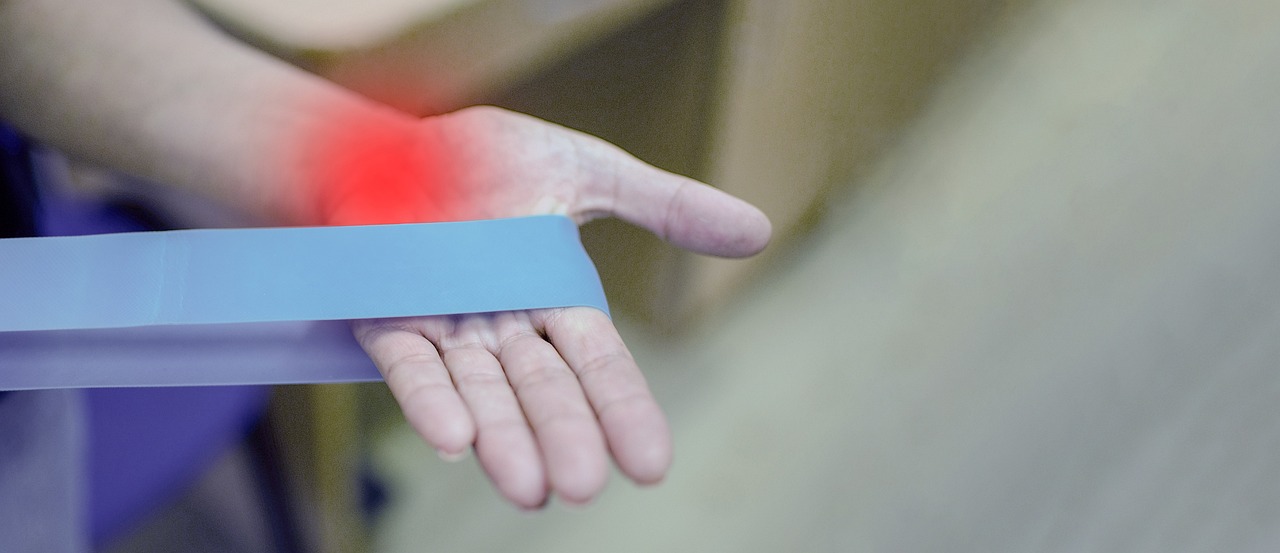
Neurodevelopmental movement strategies focus on the intricate relationship between brain development and motor behavior, especially as it pertains to individuals on the autism spectrum. Understanding the specialized vocabulary is essential for clinicians, educators, and therapists who aim to design effective interventions that respect both neurobiological foundations and the lived experience of autistic learners.
Neurodevelopment refers to the progressive maturation of the central nervous system from prenatal stages through early adulthood. In the context of movement therapy, it emphasizes how neuronal pathways that govern motor control are shaped by genetic factors, environmental exposure, and experiential learning. For example, a child who frequently engages in open‑ended play with varied textures will develop richer sensorimotor connections than a peer who only experiences limited, repetitive activities.
Motor planning is the cognitive process that organizes a sequence of movements to achieve a goal. It involves anticipation, selection, and timing of muscle actions. A practical illustration is the act of reaching for a cup: The brain must calculate the distance, adjust hand orientation, and coordinate grip strength. When motor planning is disrupted, as often observed in autistic individuals, simple tasks become laborious and may result in stereotyped or fragmented movements. Therapists address this by breaking tasks into smaller, observable steps and reinforcing each component until the whole sequence becomes fluid.
Praxis is the ability to carry out purposeful movements, especially those that are socially prescribed, such as waving hello or using utensils. Praxis deficits may manifest as clumsy gestures or an inability to imitate actions demonstrated by others. To remediate praxis, clinicians use modeling, guided practice, and video feedback, allowing the learner to internalize the visual and proprioceptive cues necessary for accurate execution.
Sensorimotor integration describes the process by which sensory input is transformed into motor output. This integration relies on the seamless communication between peripheral receptors (e.G., Skin, muscle spindles) and central processing centers such as the cerebellum and motor cortex. In autism, atypical sensory processing can lead to either hyper‑responsiveness or hypo‑responsiveness, which in turn influences movement quality. A child who is hypersensitive to tactile input may avoid certain textures, limiting opportunities for fine‑motor practice. An intervention may therefore incorporate gradual desensitization while simultaneously providing clear proprioceptive feedback through weighted blankets or resistance bands.
Proprioception is the sense of body position and movement derived from receptors in muscles, tendons, and joints. It supplies the nervous system with real‑time data about limb orientation, force, and speed. When proprioceptive feedback is diminished, a learner may appear clumsy, over‑extend joints, or have difficulty maintaining posture. Practical strategies include deep‑pressure activities such as push‑ups against a wall, carrying weighted objects, or using “body socks” that create resistance during movement, thereby amplifying proprioceptive signals.
Vestibular processing concerns the inner ear’s detection of head movement and spatial orientation. It contributes to balance, eye‑head coordination, and postural stability. Vestibular challenges are common in autistic children; they may display excessive rocking, spinning, or, conversely, a reluctance to engage in dynamic play. Therapeutic activities such as swinging, rolling on a therapy ball, or practicing “head‑tilt” transitions can calibrate vestibular input, promoting smoother gait and better equilibrium.
Tactile processing involves the interpretation of skin‑based stimuli, ranging from light touch to pressure. Dysregulated tactile processing can lead to avoidance of certain fabrics, resistance to grooming, or an over‑reliance on self‑stimulatory behaviors. To address tactile challenges, therapists may employ graduated exposure, starting with low‑intensity textures (e.G., Smooth silicone) and progressing to more complex surfaces (e.G., Sandpaper) while monitoring the learner’s affective response.
Motor learning is the set of processes by which experience leads to relatively permanent changes in the capability for movement. It is underpinned by neural plasticity, the brain’s ability to reorganize connections in response to repeated practice. Effective motor learning in autism hinges on repetition, consistency, and meaningful context. For instance, teaching a child to button a shirt is more successful when the activity is embedded within a preferred routine, such as dressing for a favorite character’s costume, rather than presented as an abstract drill.
Motor control encompasses the hierarchical regulation of movement from high‑order planning in the frontal cortex to low‑order execution in the spinal cord. Dysfunctions in motor control can appear as delayed initiation, poor sequencing, or excessive muscle tone. Interventions that target motor control may use rhythmic auditory cues (e.G., Metronome beats) to synchronize muscle activation, thereby improving timing and reducing variability.
Motor sequencing is the orderly arrangement of movement components to produce a fluid action. In autism, the ability to sequence movements can be fragmented, leading to choppy or disjointed actions. Therapists often employ “chain‑link” methods, where each movement is linked to the next through a tactile cue (e.G., A gentle tap on the shoulder) that signals transition, reinforcing the temporal relationship between steps.
Dyspraxia is a term commonly used to describe developmental coordination disorder, characterized by difficulty planning and executing coordinated movements. While dyspraxia can occur in any population, it is prevalent among autistic individuals. The hallmark signs include clumsiness, difficulty with handwriting, and problems with tasks that require bilateral coordination such as tying shoelaces. Remediation strategies focus on strengthening the underlying sensory pathways and providing explicit, step‑by‑step guidance.
Mirror neuron system refers to a network of neurons that fire both when an individual performs an action and when they observe the same action performed by another. This system is thought to support imitation, empathy, and social learning. In autism, atypical activation of the mirror neuron system may contribute to challenges in social imitation and joint attention. Therapists can enhance mirror neuron engagement by using live modeling, video demonstrations, and interactive games that require the learner to mirror movements in real time.
Sensory integration is the process by which the brain combines information from multiple sensory modalities to produce a coherent perception of the environment. Successful sensory integration allows for adaptive responses to complex situations, such as navigating a crowded hallway while maintaining balance. Sensory integration therapy (SIT) uses controlled sensory experiences—like swinging, tactile exploration, and vestibular challenges—to promote more efficient neural processing. It is essential that SIT be individualized, as over‑stimulation can exacerbate anxiety and impede progress.
Gross motor skills involve the coordination of large muscle groups for functions such as crawling, walking, jumping, and climbing. These skills form the foundation for more refined movements and are crucial for participation in school and community activities. An example of a gross motor intervention is a “obstacle course” that requires the learner to step over hurdles, balance on a beam, and push a weighted cart, thereby integrating strength, balance, and coordination.
Fine motor skills refer to the precise control of small muscles, particularly in the hands and fingers, enabling tasks like writing, buttoning, and using utensils. In autism, fine motor challenges often coexist with sensory sensitivities, making activities such as cutting with scissors or holding a pencil uncomfortable. Adaptive tools—such as pencil grips, scissor adaptors, and weighted writing implements—can reduce the effort required and improve accuracy.
Body schema is an internal representation of the body’s position, size, and capabilities. A well‑developed body schema supports effortless movement and spatial awareness. Disruptions in body schema may cause a learner to misjudge limb position, leading to collisions or loss of balance. Therapeutic approaches that enhance body schema include “mirror work,” where the learner observes their reflection while performing movements, and “proprioceptive mapping,” where tactile cues are placed on the skin to delineate joint boundaries.
Kinesthetic awareness is closely related to proprioception but emphasizes the conscious perception of movement. It involves recognizing the quality of motion, such as speed, direction, and force. Kinesthetic training can involve “movement journaling,” where learners describe sensations after completing a task, fostering introspection and self‑regulation.
Motor cortex is the region of the brain responsible for the generation of voluntary movement. Its development is influenced by experience; repetitive practice strengthens cortical maps, while lack of use leads to atrophy. In therapy, targeting the motor cortex may involve “task‑specific training,” where the learner repeatedly practices a functional task (e.G., Pouring a drink) to refine cortical representation.
Cerebellum plays a pivotal role in balance, timing, and motor learning. It fine‑tunes movement by comparing intended actions with actual performance and making corrective adjustments. Cerebellar dysfunction can manifest as ataxic gait, dysmetria (overshooting or undershooting targets), and difficulty with rapid alternating movements. Interventions such as “ball‑catch drills” and “rhythmic stepping” can stimulate cerebellar pathways and improve coordination.
Basal ganglia are subcortical structures involved in movement initiation, habit formation, and procedural learning. Abnormal basal ganglia activity can lead to either excessive movement (as seen in stereotypies) or reduced initiation (as seen in akinesia). Therapists may employ “habit‑stacking” techniques, linking a new movement to an already established habit, thereby leveraging basal ganglia circuitry to facilitate smoother transitions.
Neural plasticity denotes the brain’s capacity to reorganize its structure and function in response to experience. Plasticity is the scientific basis for all therapeutic change. In autistic learners, plasticity can be harnessed by providing enriched, multisensory environments that encourage repeated practice. The principle of “use‑it‑or‑lose‑it” guides the selection of activities that are both meaningful and challenging.
Repetitive motor patterns are hallmark behaviors in autism, often described as “stimming.” While these patterns can serve a self‑regulatory purpose, they may also interfere with functional movement if they dominate motor output. Therapists balance respect for self‑stimulatory needs with the introduction of alternative, functional movements. For example, a child who enjoys hand‑flapping may be guided to channel that rhythmic energy into a “tactile drum” activity, preserving sensory input while promoting purposeful motor engagement.
Sensory modulation involves the regulation of sensory input to achieve an optimal arousal level for learning and interaction. Dysregulated modulation can cause either hyperarousal (leading to agitation) or hypoarousal (leading to disengagement). Strategies such as “sensory diet” planning—where scheduled sensory breaks using equipment like therapy swings, weighted vests, or chewable items—help maintain a balanced arousal state conducive to movement learning.
Developmental coordination disorder (DCD) is a clinical diagnosis describing significant motor skill deficits that interfere with daily living. It often co‑occurs with autism, compounding challenges in school performance and social participation. Assessment tools such as the “Movement ABC” provide benchmarks for identifying specific deficits, guiding individualized intervention plans.
Motor milestones are age‑appropriate benchmarks that track the acquisition of gross and fine motor abilities. Delays in motor milestones can signal underlying neurodevelopmental concerns. For instance, a child who has not achieved independent walking by 18 months may benefit from early intervention focusing on lower‑limb strength and balance training.
Therapeutic movement intervention is a broad term encompassing any purposeful activity designed to improve motor function. It may blend elements of sensory integration, motor learning theory, and play. A therapist might design a “movement story” where the learner embodies a character who must navigate obstacles, thereby integrating narrative motivation with physical challenge.
Movement re‑education involves teaching new movement patterns to replace maladaptive habits. It typically follows a hierarchy: Awareness, trial, feedback, and consolidation. For example, to improve a child’s gait symmetry, the therapist first raises awareness through visual mirrors, then practices stepping on alternating colored tiles, provides tactile cues for weight shifting, and finally consolidates the pattern through repeated walking drills.
Sensory‑motor play is an approach that merges sensory experiences with motor tasks, fostering integration in a naturalistic setting. Activities such as “mud kitchen” play encourage tactile exploration while requiring reaching, scooping, and pouring, thus simultaneously targeting fine motor dexterity and sensory tolerance.
Dynamic balance refers to the ability to maintain stability while the body is in motion. Training dynamic balance may involve “single‑leg hops,” “lateral shuffles,” or “balance beam walks” with varying speeds and directions. For autistic learners who may have vestibular sensitivities, these tasks are introduced gradually, with supportive handholds and visual markers to reduce anxiety.
Postural control is the capacity to maintain an upright position against gravity. Weak postural control can impede tasks such as writing or using a computer. Interventions include core strengthening exercises, “wall sits,” and “wall‑supported push‑ups,” all of which enhance trunk stability and promote a solid foundation for fine motor work.
Facilitation techniques are methods used to activate or enhance neural pathways that support movement. One widely used technique is proprioceptive neuromuscular facilitation (PNF), which utilizes diagonal patterns of movement combined with resistance to improve motor output. In practice, a therapist may guide a child’s arm through a “reach‑and‑pull” pattern while applying gentle resistance, thereby stimulating muscle activation and improving coordination.
Neurofacilitation is a broader concept encompassing any strategy that encourages optimal neural activation for movement. It includes techniques such as “thermal taping,” where warm or cool packs are applied to prime muscle groups before activity, and “vibration therapy,” which provides high‑frequency stimulation to enhance proprioceptive feedback.
Bobath Concept is a therapeutic framework that emphasizes the facilitation of normal movement patterns while inhibiting abnormal tone. It is grounded in the principle of “use‑dependent neuroplasticity.” In a Bobath session, the therapist may support the learner’s trunk while guiding the limb through functional tasks, gradually reducing assistance as the learner gains control.
Ayres Sensory Integration is a model that focuses on providing controlled sensory experiences to promote adaptive responses. It often utilizes equipment such as “sensory swings,” “textured mats,” and “heavy work stations.” The goal is to improve the brain’s ability to process and integrate sensory input, thereby enhancing motor planning and execution.
Cerebellar re‑education specifically targets the cerebellum’s role in timing and coordination. Exercises such as “alternating arm‑leg lifts” and “rhythmic stepping on a metronome” are designed to recalibrate the cerebellar feedback loop. Consistent practice leads to smoother, more predictable movements.
Proprioceptive Neuromuscular Facilitation (PNF) is a specialized set of techniques that employ stretch‑shortening cycles to improve strength, flexibility, and motor control. For an autistic child who struggles with reaching overhead, a therapist might use a “reverse‑pattern” PNF stretch that engages the shoulder extensors while gently guiding the arm upward, enhancing both range of motion and coordination.
Motor imagery is the mental rehearsal of movement without physical execution. It activates similar neural circuits as actual movement, supporting skill acquisition and retention. In a therapeutic session, a learner may be asked to imagine themselves completing a “puzzle‑assembly” task, visualizing each hand movement, before physically attempting the activity.
Task‑oriented approach prioritizes functional goals and real‑world tasks over isolated exercises. It aligns with the principle that motor learning is most effective when the context mirrors the intended use. For instance, rather than practicing isolated grasping, a therapist might incorporate “packing a backpack” as a task, requiring the learner to select items, place them in the bag, and close the zipper, thereby integrating multiple motor components.
Ecological validity refers to the degree to which an intervention reflects real‑life situations. High ecological validity ensures that gains achieved in therapy translate to everyday environments. Designing a “classroom transition” drill where a learner moves from the desk to the hallway while carrying a book exemplifies ecological validity, as it mirrors daily school routines.
Generalization is the capability to apply learned skills across different settings, people, and contexts. A common challenge is that autistic learners may perform a movement accurately in a therapy room but struggle to replicate it on the playground. To promote generalization, therapists embed “transfer trials” into each session, deliberately varying the environment, materials, and prompts.
Individualized goal setting is a collaborative process that aligns therapeutic objectives with the learner’s preferences, strengths, and needs. Goals are stated in observable, measurable terms, such as “increase independent buttoning of a shirt from 30% to 80% within eight weeks.” Involving caregivers in goal formulation enhances motivation and ensures relevance.
Observation remains a cornerstone of assessment. Skilled observation allows the therapist to identify subtle motor patterns, timing irregularities, and compensatory strategies. Video recording offers an additional layer of analysis, enabling frame‑by‑frame review to pinpoint specific breakdowns in movement sequences.
Assessment tools provide standardized measures to evaluate motor competence. Instruments such as the “Bruininks‑Oseretsky Test of Motor Proficiency (BOT‑2)”, “Sensory Profile”, and “Peabody Developmental Motor Scales” generate quantitative data that guide intervention planning and track progress over time.
Movement analysis is the systematic breakdown of a movement into its component parts: Preparation, execution, and termination. For example, analyzing a “jump” involves examining the crouch, the explosive extension, and the landing. By isolating each phase, therapists can target specific deficits, such as poor knee alignment during landing.
Video modeling utilizes recorded demonstrations of desired behaviors. It is highly effective for teaching complex motor tasks because learners can replay the model as many times as needed. A video showing a peer correctly tying shoelaces can be shown repeatedly, allowing the autistic learner to observe the sequence at their own pace.
Joint attention is the shared focus of two individuals on an object or event. It forms the basis for social learning and collaborative movement. In therapy, joint attention is cultivated through “hand‑over‑hand” techniques, where the therapist guides the learner’s hand to a target while maintaining eye contact, reinforcing both social and motor engagement.
Social motor synchrony describes the spontaneous alignment of movement patterns between individuals, such as mirroring gestures or walking in step. Difficulties in achieving synchrony can hinder peer relationships. Rhythm‑based activities, like “clap‑and‑step” games, encourage spontaneous coordination, fostering both social connection and motor timing.
Dynamic systems theory posits that movement emerges from the interaction of multiple subsystems: The individual, the task, and the environment. This perspective encourages therapists to manipulate task constraints (e.G., Changing the size of a target) and environmental variables (e.G., Lighting) to facilitate more optimal movement solutions.
Constraint‑based learning builds on dynamic systems theory by deliberately altering task parameters to promote adaptation. For example, using a “large‑handle” pencil forces a learner to adopt a more stable grip, thereby improving fine motor control. Over time, the constraint can be removed, allowing the learner to transfer the improved skill to a standard pencil.
Motor schema is a mental representation of a movement pattern that can be applied to novel contexts. Developing robust motor schemas enables learners to adapt a skill to varying conditions. Practicing a “throw” from different distances and angles enriches the underlying schema, making it more flexible.
Feedback loops are essential for refining movement. They consist of sensory input, central processing, and motor output. In therapy, feedback can be intrinsic (the learner feels the movement) or extrinsic (the therapist provides verbal or tactile cues). Effective feedback is specific, timely, and paired with an opportunity for the learner to correct the error.
Error‑based learning encourages learners to experience and correct mistakes, which strengthens neural pathways associated with adaptation. Rather than preventing errors, therapists may design “challenge points” where the learner must adjust to a slightly altered task, such as a moving target, fostering resilience and problem‑solving.
Motor repertoire refers to the range of movements an individual can perform. Expanding the motor repertoire is a primary goal in neurodevelopmental therapy, as it provides the learner with a toolbox of options for interacting with their environment. Activities that introduce novel actions—like “animal walks” that require crawling, hopping, and balancing—broadly enrich the repertoire.
Transfer of training is the degree to which skills learned in one context improve performance in another. Transfer is maximized when the training environment closely resembles the target context and when the learner perceives the relevance of the skill. A therapist may practice “using a fork” at a table and then simulate a cafeteria setting to promote transfer.
Motor proficiency is a composite measure of skill, speed, accuracy, and fluidity across motor tasks. Achieving higher motor proficiency supports academic participation (e.G., Handwriting), self‑care independence, and social engagement. Regular assessment of proficiency helps identify plateaus and informs the need for program adjustments.
Sensory‑motor coupling highlights the interdependence of sensory input and motor output. When coupling is weak, movements may appear disjointed from the sensory context. Strategies such as “guided discovery”—where the learner explores a texture while simultaneously performing a reaching task—strengthen this coupling.
Adaptive equipment includes tools designed to compensate for motor deficits, such as “button hooks,” “elastic shoelaces,” and “weighted utensils.” While equipment can facilitate independence, it must be introduced judently to avoid dependency. The ultimate aim is to wean the learner off the aid as motor competence increases.
Self‑regulation in movement involves the ability to modulate one's own motor output to meet situational demands. Autistic learners often require explicit instruction to recognize when to increase or decrease movement intensity. Techniques like “calm‑down breathing” combined with “slow‑stretch movements” teach the learner to regulate arousal through controlled motor actions.
Motor fatigue is a decline in performance due to sustained activity. It can be peripheral (muscle‑based) or central (neural). Recognizing signs of fatigue—such as slumped posture, decreased accuracy, or increased irritability—allows therapists to schedule rest breaks, adjust activity intensity, and prevent over‑exertion.
Co‑activation describes simultaneous contraction of agonist and antagonist muscles, which can stabilize joints but also limit fluid movement when excessive. In therapy, co‑activation is addressed through “reciprocal inhibition” techniques, where the therapist gently stretches the antagonist while encouraging activation of the agonist, restoring balanced muscle activity.
Motor sequencing disorders are characterized by difficulty arranging movements in the correct temporal order. They often present as fragmented speech gestures or irregular gait patterns. Interventions include “sequencing charts” that visually map out each step, combined with rhythmic cues to reinforce temporal order.
Functional mobility encompasses the ability to move safely and efficiently in daily life, including transitions such as “sit‑to‑stand,” “bed‑to‑chair,” and “floor‑to‑standing.” Training functional mobility often uses “task‑specific supports,” such as handrails or “step‑up platforms,” gradually reducing assistance as strength and balance improve.
Motor inhibition is the capacity to suppress unwanted movements, a skill critical for attention and self‑control. Over‑active motor inhibition can manifest as rigidity, while under‑inhibition may lead to impulsive actions. Structured “stop‑go” games, where the learner must halt movement on a cue, help develop this executive function.
Neuromuscular re‑education is the process of teaching the nervous system to activate muscles in a coordinated, efficient manner. It often involves “biofeedback devices” that provide real‑time visual or auditory signals about muscle activation, enabling the learner to adjust effort and achieve smoother movement patterns.
Multisensory integration expands on sensory integration by explicitly linking multiple senses within a single task. For instance, a “sound‑guided obstacle course” where the learner follows auditory cues while navigating tactile surfaces promotes simultaneous processing of auditory, vestibular, and proprioceptive information.
Executive function includes planning, organization, and flexible thinking, all of which influence motor behavior. Deficits in executive function can cause difficulties in initiating movement sequences or adapting to changing task demands. Cognitive‑motor interventions, such as “planning‑to‑act” worksheets paired with movement rehearsals, target these higher‑order processes.
Motor anticipation is the ability to predict the sensory consequences of an upcoming movement, facilitating smoother execution. Training anticipation may involve “pre‑motor cueing,” where the therapist announces a movement before it occurs, allowing the learner to prepare mentally and physically.
Sensorimotor loops are continuous pathways that transmit information from receptors to the brain and back to effectors. Efficient loops are essential for rapid adjustments, such as correcting a mis‑step. Exercises that emphasize rapid feedback—like “ball‑catch with variable speed”—strengthen these loops.
Neurodevelopmental trajectories map the expected progression of brain and motor development across ages. Understanding typical trajectories enables clinicians to identify deviations early and implement timely interventions. For example, the emergence of coordinated bilateral hand use around age three signals readiness for more complex fine motor tasks.
Motor adaptation refers to the process by which the nervous system modifies movement strategies in response to altered conditions. A classic example is adjusting gait when walking on a slippery surface. In therapy, motor adaptation is cultivated through “variable practice,” where the learner performs the same skill under different environmental constraints, promoting flexibility.
Motor synergy describes the coordinated activation of groups of muscles to produce efficient movement. Dysregulated synergies can lead to compensatory patterns, such as excessive shoulder elevation when reaching. Therapists may use “synergy‑focused drills,” like “scapular retraction with arm raise,” to restore balanced muscle activation.
Neurocognitive coupling highlights the link between cognitive processes (attention, memory) and motor execution. In autism, challenges in attention can impair motor performance. Incorporating “dual‑task” training—where the learner must solve a simple problem while performing a motor task—helps integrate cognitive load with movement practice.
Motor echo is a phenomenon where a movement is unintentionally repeated after an initial action, often observed in stereotypic behaviors. Recognizing motor echo allows the therapist to intervene with “interruptive cues” that redirect attention and break the repetitive loop.
Task analysis decomposes a complex activity into discrete, teachable components. For example, “tying shoelaces” can be broken down into “crossing laces,” “forming loops,” and “tightening.” Each component is taught sequentially, with mastery criteria established before progressing.
Motor facilitation is the process of enhancing the excitability of neural pathways to improve movement performance. Techniques such as “quick stretch‑shortening cycles” and “tactile cueing” increase motor facilitation, resulting in smoother, more coordinated actions.
Motor inhibition training involves exercises that require the learner to halt or modify an ongoing movement in response to a cue. Games like “Red Light, Green Light” provide natural contexts for practicing inhibition, building both motor control and self‑regulation.
Movement variability reflects the natural fluctuations in motor output that allow adaptation to changing environments. While excessive variability may signal instability, too little variability can indicate rigidity. Therapists aim for “optimal variability,” encouraging learners to explore multiple movement solutions within a controlled framework.
Neuromodulation refers to the alteration of neural activity through external means, such as transcranial magnetic stimulation (TMS) or sensory stimulation devices. Although still emerging in autism therapy, neuromodulation shows promise for enhancing motor learning when combined with traditional movement interventions.
Motor rehearsal is the repeated practice of a movement to consolidate neural pathways. Rehearsal can be physical, mental, or a combination of both. Structured rehearsal schedules, such as “10‑minute practice blocks three times daily,” have been shown to accelerate skill acquisition.
Motor outcome measures provide quantitative data on the effectiveness of interventions. Common outcome measures include “speed of task completion,” “accuracy of movement trajectories,” and “number of prompts required.” Consistent use of outcome measures ensures accountability and informs evidence‑based practice.
Motor patterning involves the repetitive execution of a movement sequence to embed it into long‑term memory. Patterning is especially useful for automating functional tasks, such as “hand‑to‑mouth coordination” for feeding, reducing reliance on conscious instruction.
Embodied cognition posits that cognition is deeply rooted in bodily experiences. This perspective encourages therapists to integrate movement into learning across domains. For instance, using “body‑based math” where learners physically step on numbered mats to solve equations merges motor activity with abstract reasoning.
Motoric dysregulation captures the broader spectrum of motor disturbances, including timing, force, and rhythm irregularities. Identifying motoric dysregulation requires careful observation of movement quality across contexts, followed by targeted interventions that address specific deficits.
Motor rehearsal is distinct from rote repetition; it incorporates purposeful focus on the quality of each movement. Therapists may employ “error‑highlighting” where the learner receives immediate feedback on deviations, fostering awareness and correction during rehearsal.
Movement scaffolding provides temporary supports that enable the learner to perform a task beyond their current capability. Scaffolding may be physical (e.G., A hand‑held support) or verbal (e.G., Step‑by‑step prompts). As competence grows, the scaffold is systematically removed, promoting independence.
Motor adaptation to fatigue teaches learners to recognize early signs of fatigue and adjust their movement strategy accordingly. Strategies include “pacing,” where the learner alternates high‑effort tasks with low‑effort activities, and “energy conservation techniques,” such as using momentum to assist with transitions.
Motor sequencing rehearsal utilizes rhythmic cues—like clapping or metronome beats—to reinforce the temporal order of movements. For example, a learner practicing a “hand‑wave” sequence may synchronize each motion with a distinct beat, embedding the sequence into auditory memory.
Motor readiness is the state of physiological and neurological preparedness for movement. It is influenced by factors such as arousal level, muscle temperature, and attentional focus. Therapists may employ “warm‑up routines” that combine light aerobic activity with sensory input to achieve optimal motor readiness.
Motor learning curve visualizes the rate of skill acquisition over time, typically showing rapid initial gains followed by a plateau. Recognizing where a learner lies on the curve helps therapists adjust intensity, introduce novel challenges, or provide consolidation phases to overcome plateaus.
Motor reinforcement utilizes positive consequences to increase the likelihood of desired movement patterns. Reinforcement can be social (praise), sensory (a preferred texture), or tangible (a small token). Consistency in reinforcement strengthens neural pathways associated with the target behavior.
Movement fidelity measures the degree to which a performed movement matches the intended pattern. High fidelity indicates precise execution, while low fidelity suggests deviations that may need corrective feedback. Fidelity assessments often involve video analysis and rating scales.
Motor planning hierarchy organizes movement tasks from simple to complex, guiding curriculum design. Basic tasks such as “grasping” serve as building blocks for more intricate actions like “typing.” Therapists align intervention sequencing with this hierarchy to ensure foundational skills are secured before advancing.
Motoric integration emphasizes the coordinated development of gross, fine, and oral‑motor skills. Integrated programs might combine “balance beam walking” with “speech articulation drills,” recognizing that oral‑motor control can influence breathing patterns used in gross motor activities.
Motoric resilience refers to the capacity to recover from motor setbacks, such as injury or regression. Building resilience involves fostering a growth mindset, celebrating incremental successes, and providing consistent opportunities for practice, even after periods of inactivity.
Motoric self‑monitoring equips learners with strategies to assess their own movement quality. Techniques include “check‑list mirrors,” where the learner compares their posture to a visual guide, and “sensory check‑ins,” prompting the learner to notice how their body feels during an activity.
Motoric transferability describes the extent to which skills learned in one domain apply to another. For instance, mastering “pencil grasp” may facilitate better “keyboard typing.” Transferability is enhanced when the underlying motor principles—such as finger extension—are common across tasks.
Motoric pacing teaches learners to regulate speed to maintain accuracy and endurance. Controlled pacing drills, such as “slow‑motion obstacle navigation,” help learners develop a sense of appropriate tempo, reducing the tendency toward rushed, error‑prone movements.
Motoric chunking groups individual movements into larger, manageable units—similar to how language is chunked into phrases. Chunking a “hand‑to‑mouth” feeding sequence into “reach, grasp, bring, swallow” reduces cognitive load and improves execution fluidity.
Motoric feedback loops are reinforced through consistent, multi‑modal signals. For example, a therapist may combine verbal praise (“Great lift!”), Tactile cue (“light tap on the shoulder”), and visual confirmation (a star on a progress chart) to close the loop and solidify learning.
Motoric readiness assessment evaluates the learner’s baseline capacity before initiating an intervention. This assessment may include measures of muscle tone, balance, attention, and sensory thresholds, providing a comprehensive picture that informs individualized goal setting.
Motoric modulation involves adjusting movement intensity, force, and speed to suit task demands. Training modulation skills enables learners to perform delicate actions—such as turning a page—without excessive force, while also allowing them to generate sufficient power for tasks like “pushing a cart.”
Motoric generalization strategies include “cross‑setting practice,” where skills are rehearsed in multiple environments (home, school, community) to promote adaptability. The therapist may also use “symbolic cues” (e.G., A picture of a playground) to cue the learner to apply a skill in a new context.
Motoric sequencing interventions often employ “sequencing cards” that visually display each step of a movement. Learners arrange the cards in the correct order before physically performing the task, reinforcing cognitive organization alongside motor execution.
Motoric inhibition drills such as “stop‑and‑go” games develop the ability to halt ongoing movement, a skill crucial for safety and self‑control. These drills also improve attentional shifting, as the learner must monitor for cues that signal a change in action.
Motoric reinforcement schedules can be continuous (reward after each correct movement) or intermittent (reward after a set number of correct movements). Intermittent schedules tend to produce more durable learning, as the learner becomes less dependent on immediate reinforcement.
Motoric fatigue monitoring involves tracking signs of decline during activity, such as slower execution or increased errors. Tools such as “fatigue rating scales” allow both therapist and learner to quantify fatigue, informing the timing of rest breaks.
Motoric co‑activation reduction strategies focus on decreasing simultaneous antagonist contraction, which can impede fluid movement. Techniques include “reciprocal inhibition stretches” and “active relaxation cues,” where the learner is taught to consciously relax the opposing muscle group during movement.
Key takeaways
- Understanding the specialized vocabulary is essential for clinicians, educators, and therapists who aim to design effective interventions that respect both neurobiological foundations and the lived experience of autistic learners.
- For example, a child who frequently engages in open‑ended play with varied textures will develop richer sensorimotor connections than a peer who only experiences limited, repetitive activities.
- When motor planning is disrupted, as often observed in autistic individuals, simple tasks become laborious and may result in stereotyped or fragmented movements.
- To remediate praxis, clinicians use modeling, guided practice, and video feedback, allowing the learner to internalize the visual and proprioceptive cues necessary for accurate execution.
- An intervention may therefore incorporate gradual desensitization while simultaneously providing clear proprioceptive feedback through weighted blankets or resistance bands.
- Practical strategies include deep‑pressure activities such as push‑ups against a wall, carrying weighted objects, or using “body socks” that create resistance during movement, thereby amplifying proprioceptive signals.
- Therapeutic activities such as swinging, rolling on a therapy ball, or practicing “head‑tilt” transitions can calibrate vestibular input, promoting smoother gait and better equilibrium.