
Adaptive Motor Skill Development
Adaptive motor skill development is a crucial aspect of movement therapy for individuals with autism, as it enables them to navigate their environment, interact with others, and engage in various activities. The process of adaptive motor sk…
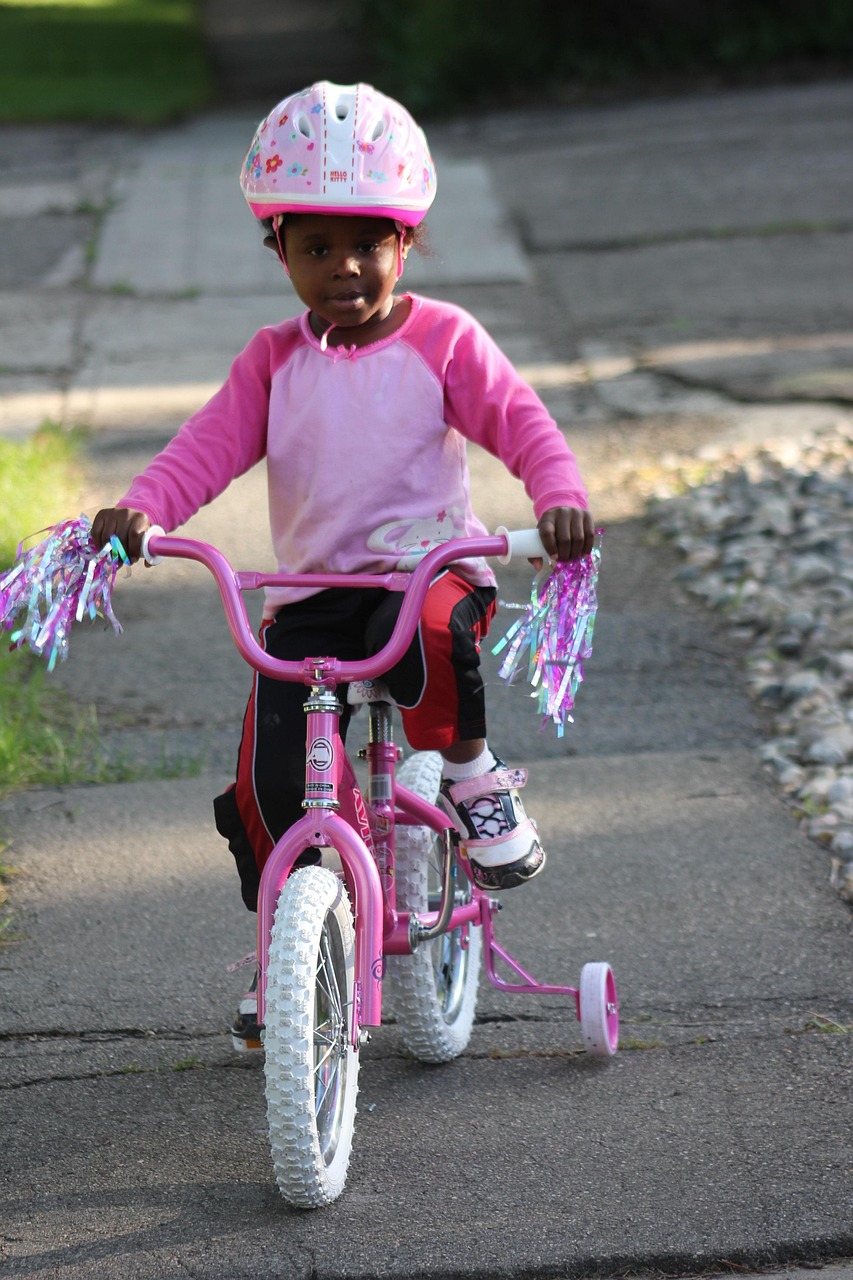
Adaptive motor skill development is a crucial aspect of movement therapy for individuals with autism, as it enables them to navigate their environment, interact with others, and engage in various activities. The process of adaptive motor skill development involves the acquisition and refinement of motor skills, which are essential for daily living, social interaction, and overall well-being. In the context of autism, adaptive motor skills refer to the ability to perform tasks that require coordination, balance, and movement, such as walking, running, jumping, and manipulating objects.
The development of adaptive motor skills in individuals with autism is often influenced by various factors, including sensory integration difficulties, motor planning challenges, and executive function deficits. Sensory integration refers to the ability to process and integrate sensory information from the environment, which is essential for motor planning and execution. Motor planning, on the other hand, involves the ability to plan and execute movements, which requires coordination, balance, and proprioception. Executive function deficits, such as difficulties with working memory and attention, can also impact the development of adaptive motor skills in individuals with autism.
One of the key concepts in adaptive motor skill development is the idea of motor learning, which refers to the process of acquiring new motor skills through practice, repetition, and feedback. Motor learning involves the development of new neural pathways and connections in the brain, which enable the individual to perform the desired movement or action. In the context of autism, motor learning can be facilitated through the use of repetitive practice, positive reinforcement, and feedback from therapists, caregivers, or family members.
Another important concept in adaptive motor skill development is the idea of task analysis, which involves breaking down complex motor tasks into smaller, more manageable components. Task analysis enables therapists and caregivers to identify the specific sensory and motor requirements of a task, and to develop strategies for teaching and supporting the individual with autism. For example, the task of tying one's shoes can be broken down into smaller components, such as holding the laces, making a bunny ear, and wrapping the laces around the shoe. By analyzing the task in this way, therapists and caregivers can provide targeted support and feedback to help the individual with autism master the task.
The development of adaptive motor skills in individuals with autism can be facilitated through the use of various movement-based interventions, such as occupational therapy, physical therapy, and adaptive physical education. These interventions often involve the use of sensory integration techniques, such as swinging, rocking, and brushing, to help the individual with autism regulate their sensory experiences and develop greater body awareness. They may also involve the use of assistive technology, such as wheelchairs or communication devices, to support the individual's mobility and communication needs.
In addition to these interventions, the development of adaptive motor skills in individuals with autism can be facilitated through the use of parent-mediated interventions, which involve training parents and caregivers to provide support and feedback to the individual with autism. These interventions often involve the use of video modeling and prompting techniques, which enable parents and caregivers to provide targeted support and feedback to help the individual with autism master new motor skills. For example, a parent may use video modeling to demonstrate a new motor skill, such as riding a bike, and then provide prompting and feedback to help the individual with autism practice and master the skill.
The assessment of adaptive motor skills in individuals with autism typically involves the use of standardized assessments, such as the Peabody Developmental Motor Scales or the Bruininks-Oseretsky Test of Motor Proficiency. These assessments provide a comprehensive evaluation of the individual's motor skills, including their gross motor and fine motor abilities, as well as their balance and coordination. The results of these assessments can be used to identify areas of strength and weakness, and to develop targeted interventions to support the individual's adaptive motor skill development.
The development of adaptive motor skills in individuals with autism can be challenging, and may require ongoing support and intervention throughout the individual's lifespan. Some of the common challenges associated with adaptive motor skill development in autism include sensory integration difficulties, motor planning challenges, and executive function deficits. Additionally, individuals with autism may experience anxiety and stress related to motor tasks, which can impact their motivation and engagement in adaptive motor skill development.
To overcome these challenges, therapists and caregivers can use a variety of strategies, such as gradual exposure to new motor tasks, positive reinforcement for attempts and successes, and adaptation of motor tasks to meet the individual's needs and abilities. For example, an individual with autism who is learning to ride a bike may require additional support and feedback to help them develop the necessary balance and coordination skills. By providing this support and feedback, therapists and caregivers can help the individual with autism build confidence and mastery of the motor task, and develop greater independence and self-esteem.
In terms of practical applications, the development of adaptive motor skills in individuals with autism can have a significant impact on their daily living, social interaction, and overall well-being. For example, the ability to walk or run can provide individuals with autism with greater independence and mobility, enabling them to participate in a wider range of activities and interact with others more easily. The ability to manipulate objects and use tools can also provide individuals with autism with greater autonomy and self-sufficiency, enabling them to perform daily tasks and engage in activities with greater ease and independence.
The development of adaptive motor skills in individuals with autism can also have a significant impact on their social interaction and relationships. For example, the ability to play and engage in physical activities with others can provide individuals with autism with opportunities for socialization and friendship, helping to build their confidence and self-esteem. The ability to communicate and interact with others through motor activities, such as dance or team sports, can also provide individuals with autism with opportunities for expression and connection, helping to build their relationships and social bonds.
In addition to these practical applications, the development of adaptive motor skills in individuals with autism can also have a significant impact on their mental health and well-being. For example, the ability to engage in physical activities and exercise can provide individuals with autism with opportunities for stress reduction and anxiety management, helping to improve their mood and overall well-being. The ability to develop and master new motor skills can also provide individuals with autism with a sense of accomplishment and pride, helping to build their self-esteem and confidence.
Overall, the development of adaptive motor skills in individuals with autism is a complex and multifaceted process, which requires ongoing support and intervention throughout the individual's lifespan. By using a variety of strategies and interventions, such as task analysis, motor learning, and parent-mediated interventions, therapists and caregivers can help individuals with autism develop the adaptive motor skills they need to navigate their environment, interact with others, and engage in various activities. By providing targeted support and feedback, and by adapting motor tasks to meet the individual's needs and abilities, therapists and caregivers can help individuals with autism build confidence and mastery of new motor skills, and develop greater independence and self-esteem.
Key takeaways
- Adaptive motor skill development is a crucial aspect of movement therapy for individuals with autism, as it enables them to navigate their environment, interact with others, and engage in various activities.
- The development of adaptive motor skills in individuals with autism is often influenced by various factors, including sensory integration difficulties, motor planning challenges, and executive function deficits.
- In the context of autism, motor learning can be facilitated through the use of repetitive practice, positive reinforcement, and feedback from therapists, caregivers, or family members.
- Task analysis enables therapists and caregivers to identify the specific sensory and motor requirements of a task, and to develop strategies for teaching and supporting the individual with autism.
- They may also involve the use of assistive technology, such as wheelchairs or communication devices, to support the individual's mobility and communication needs.
- These interventions often involve the use of video modeling and prompting techniques, which enable parents and caregivers to provide targeted support and feedback to help the individual with autism master new motor skills.
- These assessments provide a comprehensive evaluation of the individual's motor skills, including their gross motor and fine motor abilities, as well as their balance and coordination.