
Alternative Energy Combustion Systems
Alternative Energy Combustion Systems encompass a broad range of technologies that convert non‑conventional fuels into heat and power while aiming to reduce environmental impact. Understanding the terminology is essential for engineers who …
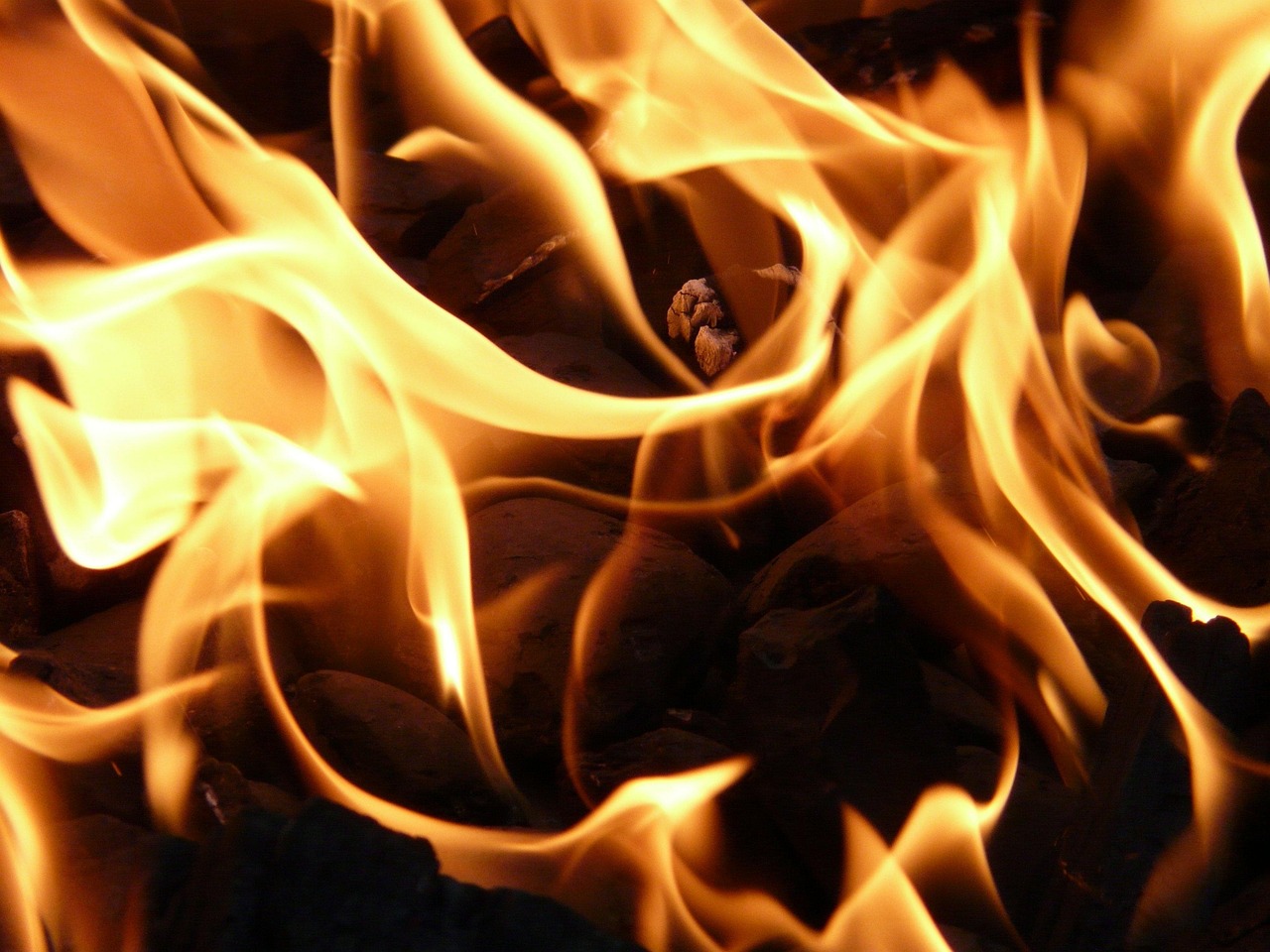
Alternative Energy Combustion Systems encompass a broad range of technologies that convert non‑conventional fuels into heat and power while aiming to reduce environmental impact. Understanding the terminology is essential for engineers who design, operate, or optimize these systems. The following exposition presents the most important terms, organized alphabetically for quick reference, and includes definitions, practical examples, typical applications, and common challenges associated with each concept.
Air‑fuel ratio (AFR) refers to the proportion of air mass to fuel mass entering the combustion zone. A stoichiometric AFR for gasoline is approximately 14.7 : 1, Meaning fourteen point seven kilograms of air are required for complete combustion of one kilogram of fuel. Operating a burner at a lean AFR (greater than stoichiometric) reduces peak flame temperature and NOx formation, but may increase CO emissions if the mixture becomes too lean for stable ignition.
Catalytic combustion utilizes a solid catalyst, often based on platinum or palladium, to lower the activation energy of the fuel oxidation reaction. In a catalytic combustor, the flame can be stabilized at temperatures as low as 600 °C, which dramatically cuts thermal NOx. Catalytic systems are employed in micro‑turbines for portable power generation, yet catalyst poisoning by sulfur compounds remains a major durability issue.
Carbon capture and storage (CCS) describes the process of separating CO₂ from flue gases, transporting it, and injecting it into geological formations for long‑term isolation. In alternative combustion, CCS is frequently coupled with oxy‑fuel combustion, where pure oxygen replaces air, producing a flue gas that is primarily water vapor and CO₂, simplifying capture. The main challenges are the high energy penalty of CO₂ compression and the cost of infrastructure for transport and injection.
Combustion efficiency measures the ratio of the useful heat released to the total chemical energy of the fuel. It is expressed as a percentage and can be calculated using the higher heating value (HHV) of the fuel. High efficiency is achieved by maximizing complete combustion, minimizing heat losses, and recovering waste heat through recuperators. For example, a well‑designed biomass boiler can reach efficiencies above 90 % on a HHV basis, whereas an improperly tuned system may fall below 70 %.
Combustion instability describes oscillations in pressure, heat release, or flow that can damage equipment or reduce performance. In gas turbines, high‑frequency acoustic modes can couple with the heat release rate, leading to “rumble” or “screech” phenomena. Active control strategies, such as modulating fuel flow or using secondary air injection, are employed to damp these oscillations.
Combustion pressure loss quantifies the reduction in pressure as the working fluid passes through the burner, heat exchanger, and exhaust. Excessive pressure loss reduces turbine inlet pressure and overall cycle efficiency. Designers use computational fluid dynamics (CFD) to optimize flow paths and minimize loss while maintaining adequate mixing.
Diffusion flame is a flame type where fuel and oxidizer meet primarily by molecular diffusion, as opposed to premixed flames where they are mixed before ignition. Diffusion flames are common in industrial furnaces and oil‑fired boilers. They are inherently stable but often produce higher soot levels because fuel‑rich zones can exist near the burner tip.
Emissions regulations, such as the EPA’s NAAQS or the EU’s Euro standards, set limits on pollutants like NOx, SO₂, CO, and particulate matter. Compliance drives the adoption of low‑temperature combustion techniques, flue‑gas recirculation, and after‑treatment technologies. Engineers must balance emission limits with cost, efficiency, and reliability.
Exergy analysis evaluates the quality of energy flows, distinguishing between usable work potential and unrecoverable losses. In alternative combustion, exergy destruction is often highest in the high‑temperature flame zone due to irreversibilities. By identifying exergy‑intensive components, designers can target improvements, such as adding recuperators to preheat combustion air with waste heat.
Flame speed, also called laminar burning velocity, is the rate at which a premixed flame front propagates through a quiescent mixture. Hydrogen has a flame speed roughly three times that of natural gas, which enables rapid energy release but also increases the risk of flashback in premixed burners. Accurate flame speed data are essential for designing stable combustion chambers and for validating CFD models.
Flue‑gas recirculation (FGR) reintroduces a portion of the cooled exhaust gas back into the combustion zone, diluting the reactants and lowering flame temperature. FGR is a key technique for achieving ultra‑low NOx emissions in large‑scale boilers. However, excessive recirculation can lead to incomplete combustion and higher CO emissions, necessitating careful control of recirculation ratios.
Fuel flexibility denotes the ability of a combustion system to operate on multiple fuel types without extensive hardware changes. A fuel‑flexible gas turbine might accept natural gas, biogas, syngas, or hydrogen blends, adjusting control parameters automatically. The advantage is resilience to fuel price volatility, while the challenge lies in maintaining performance across fuels with differing calorific values, moisture contents, and impurity levels.
Fuel cell‑integrated combustion refers to hybrid systems where a fuel cell provides base load power and a combustion unit supplies peak demand or rapid load changes. For instance, a solid oxide fuel cell (SOFC) can be paired with a micro‑turbine that burns the same fuel, sharing exhaust heat for increased overall efficiency. Integration complexity, thermal management, and control coordination are primary hurdles.
Flamelet model is a reduced‑order approach used in CFD to represent turbulent combustion by assuming the flame structure resembles a collection of thin, laminar flame elements (flamelets) embedded in the turbulent flow. This model simplifies the chemistry while preserving essential flame dynamics, making it suitable for simulating large industrial burners. Limitations include reduced accuracy for highly strained or partially premixed flames.
Gasification is the thermochemical conversion of solid carbonaceous feedstocks, such as coal, biomass, or municipal solid waste, into a combustible gas mixture called syngas. The process occurs at temperatures above 700 °C in a limited‑oxygen environment, producing a gas rich in H₂, CO, CH₄, and CO₂. Syngas can fuel combustion turbines, internal combustion engines, or be processed into chemicals. Gasifier design must address tar removal, slag handling, and feedstock variability.
Hydrogen enrichment involves blending hydrogen with conventional fuels to improve combustion characteristics or reduce carbon emissions. A typical enrichment level might be 5–20 % hydrogen by volume in natural gas pipelines. Hydrogen’s high flame speed and wide flammability limits enable leaner operation and lower peak temperatures, but they also raise concerns about material embrittlement and flashback in existing infrastructure.
Ignition delay time is the interval between the start of fuel injection and the onset of rapid combustion. In high‑speed engines, a short ignition delay is crucial for efficient power delivery, while in low‑temperature combustion modes, a longer delay can help achieve low NOx by allowing more thorough mixing before ignition. Ignition delay is influenced by fuel chemistry, temperature, pressure, and the presence of radicals.
Kinetic mechanism describes the set of elementary chemical reactions and associated rate constants that define fuel oxidation pathways. Detailed mechanisms for hydrocarbon fuels can contain hundreds of species and thousands of reactions, making them computationally intensive. Reduced mechanisms, often derived through sensitivity analysis, retain key pathways while enabling faster simulations for design and optimization.
Lean premixed combustion (LPC) injects a premixed fuel‑air mixture into the combustion chamber at a lean equivalence ratio (ϕ < 1). LPC achieves lower flame temperatures, reducing thermal NOx. It is widely used in low‑emission gas turbines and residential furnaces. However, LPC is prone to flashback, where the flame propagates upstream into the premixing zone, requiring flame‑holding devices and careful flow control.
Low‑temperature combustion (LTC) is a family of strategies that deliberately operate combustion at temperatures below 1,300 K to suppress NOx formation. Techniques include staged combustion, partially premixed combustion, and fuel‑lean operation. LTC can achieve NOx levels below 5 ppm without downstream SCR (selective catalytic reduction), but maintaining high efficiency and stability at such low temperatures is challenging.
Methane slip refers to the fraction of methane that passes through a combustion system unburned, typically expressed as a percentage of the inlet methane flow. In gas turbines and engines, methane slip contributes to greenhouse gas emissions because CH₄ has a global warming potential 28–36 times that of CO₂ over 100 years. Reducing slip requires precise control of fuel‑air mixing, higher combustion temperatures, and sometimes additional after‑treatment such as oxidation catalysts.
Micro‑turbine technology provides compact, high‑speed rotating machinery that converts fuel energy into electricity, often for distributed generation. Micro‑turbines can operate on natural gas, biogas, or hydrogen‑rich fuels, and they typically incorporate recuperators to improve efficiency above 30 %. Their small size makes them suitable for combined heat and power (CHP) in residential or commercial buildings, yet their performance is sensitive to inlet temperature variations and fuel quality.
NOx (nitrogen oxides) collectively denote NO and NO₂, pollutants formed primarily through the high‑temperature reaction of nitrogen and oxygen in air. Thermal NOx dominates in combustion processes above 1,800 K, while fuel‑bound NOx arises from nitrogen present in the fuel itself, such as in coal or heavy oil. Mitigation strategies include low‑temperature combustion, flue‑gas recirculation, selective catalytic reduction, and exhaust gas reburning.
Oxy‑fuel combustion replaces ambient air with pure oxygen, producing a flue gas composed mainly of CO₂ and H₂O. After condensation of water, the remaining CO₂ can be captured with minimal additional separation steps. Oxy‑fuel technology is being piloted in large coal‑fired power plants and in some biomass boilers. The main drawbacks are the high cost of oxygen production (cryogenic air separation) and the need for materials that can tolerate higher CO₂ partial pressures.
Partial oxidation is a process where a fuel is reacted with a limited amount of oxygen, producing a mixture of CO, H₂, and CO₂, known as syngas. Unlike full combustion, partial oxidation does not aim to release all chemical energy as heat; instead, it provides a fuel rich in combustible gases for downstream applications such as fuel cells or gas turbines. Reactor design must manage temperature spikes and catalyst deactivation caused by carbon deposition.
Premixed flame is a flame where fuel and oxidizer are mixed prior to ignition, resulting in a thin reaction zone that can be precisely controlled. Premixed burners are common in residential gas stoves, industrial furnaces, and low‑NOx gas turbines. While premixed operation enables uniform temperature fields, it also raises the risk of flashback and blow‑off, necessitating careful design of flame holders and flow dynamics.
Quenching distance is the minimum gap between two solid surfaces that allows a flame to be extinguished by heat loss to the walls. In safety engineering, knowledge of quenching distances helps determine the spacing of flame arrestors and the design of combustion chambers to prevent flame propagation. For hydrogen‑air mixtures, the quenching distance is about 0.2 Mm, much smaller than for methane‑air mixtures, reflecting hydrogen’s higher flame speed.
Recirculation zone forms downstream of an obstacle, such as a bluff body or a flame holder, where flow separates and circulates back toward the inlet. This zone enhances mixing and residence time, stabilizing the flame. In swirl burners, the central recirculation zone created by the swirl generator is essential for flame anchoring and for achieving low emissions. However, excessive recirculation can increase pressure loss and cause acoustic instabilities.
Selective catalytic reduction (SCR) is an after‑treatment technology that reduces NOx to N₂ by injecting a reductant, typically ammonia or urea, into the flue gas and passing it over a catalyst. SCR can achieve NOx removal efficiencies above 90 % when operated at temperatures between 300 and 400 °C. Integration with low‑temperature combustion can reduce the need for SCR, but when SCR is required, careful control of ammonia slip and catalyst poisoning by sulfur compounds is necessary.
Syngas (synthesis gas) is a mixture primarily of H₂, CO, CO₂, and CH₄ produced by gasification, partial oxidation, or steam reforming. Syngas can be burned directly in combustion turbines, providing a pathway for renewable fuels derived from biomass or waste. The variable composition of syngas, especially the H₂/CO ratio, influences flame stability, emissions, and turbine inlet temperature limits. Conditioning syngas, for example by water‑gas shift reaction, is often required to meet specific combustion specifications.
Thermal NOx formation follows the Zeldovich mechanism, which describes the reaction pathways leading to NO production at high temperatures. The rate of thermal NOx increases exponentially with temperature, making temperature control the most effective strategy for NOx reduction. Engineers use staged combustion and exhaust gas recirculation to keep peak temperatures below the threshold where significant thermal NOx is generated.
Turbulent combustion occurs when the flow field is chaotic, causing rapid mixing of fuel and oxidizer. Turbulence enhances the flame surface area, increasing the overall reaction rate. In large industrial burners, turbulence is deliberately introduced through swirl generators, perforated plates, or acoustic drivers to promote stable, high‑intensity combustion. Modeling turbulent combustion requires advanced turbulence‑chemistry interaction models, such as the Eddy Dissipation Concept or the Flamelet Generated Manifold approach.
Ultra‑lean combustion operates at equivalence ratios well below 0.5, Resulting in very low flame temperatures and consequently ultra‑low NOx emissions. This regime is attractive for small‑scale power generators and automotive engines seeking to meet stringent emission standards. The primary difficulty is maintaining flame stability, as ultra‑lean mixtures have reduced flame speeds and can be prone to blow‑off. Advanced ignition systems and precise fuel metering are commonly employed to address these issues.
Variable geometry combustor (VGC) incorporates adjustable components, such as movable swirl vanes or variable‑area nozzles, to adapt the flow field to changing operating conditions. VGCs enable a single combustor to achieve low emissions across a wide load range, from part‑load to full‑load operation. The mechanical complexity and control system requirements of VGCs are challenges that must be balanced against the benefits of flexibility and performance.
Water‑gas shift reaction (WGS) converts CO in syngas to CO₂ while producing additional H₂, according to the reaction CO + H₂O → CO₂ + H₂. In combustion applications, WGS can be used to increase the hydrogen content of syngas, which may improve flame speed and reduce carbon emissions. High‑temperature shift reactors achieve rapid conversion but must be designed to avoid catalyst sintering and carbon deposition.
Zero‑emission combustion refers to the concept of achieving net‑zero greenhouse gas emissions from a combustion system, typically through the use of carbon‑neutral fuels (e.G., Biomass, synthetic methane) combined with CCS. While technically feasible, zero‑emission combustion requires integrated solutions that address fuel production, capture technology, and economic viability.
Air‑blown gasification utilizes air rather than pure oxygen to supply the oxidant for the gasification reaction. Although air‑blown gasifiers are cheaper to operate because air is free, the resulting syngas contains a higher nitrogen content, lowering its heating value and increasing the volume of exhaust gases that must be handled. Designing downstream combustion equipment to accommodate nitrogen‑diluted syngas presents performance and emission challenges.
Biomass torrefaction is a mild thermal pre‑treatment that drives off moisture and some volatiles from raw biomass, producing a brittle, higher‑energy‑density fuel called torrefied biomass. Torrefied fuel can be pulverized and co‑fired with coal in existing boilers, reducing CO₂ emissions and improving combustion efficiency. However, torrefaction requires careful control of temperature (typically 200–300 °C) to avoid excessive carbon loss and to preserve the fuel’s energy content.
Catalyst deactivation occurs when the active sites of a catalyst become blocked or chemically altered, reducing its effectiveness. In combustion systems, deactivation can be caused by sulfur poisoning, carbon fouling, or sintering at high temperatures. Periodic regeneration, such as oxidative cleaning, and the selection of sulfur‑resistant catalyst formulations are common mitigation strategies.
Combustor pressure ratio is the ratio of the pressure at the combustor exit to the pressure at the inlet. A higher pressure ratio generally improves turbine inlet pressure and overall cycle efficiency, but it also increases the risk of flame blow‑off and places higher mechanical loads on the combustor walls. Designers must balance pressure ratio against material limits and stability considerations.
Diffusion flame stabilization techniques include the use of pilot flames, bluff bodies, and recirculation zones. Pilot flames provide a hot core that ignites the main fuel stream, while bluff bodies create low‑pressure zones that trap the flame. These methods are widely employed in industrial furnaces to maintain stable operation under varying load conditions.
Exhaust gas temperature (EGT) is a key diagnostic parameter that indicates the thermal state of the combustion process and the health of the turbine. Elevated EGT can signal combustion instability, fouling, or a malfunctioning sensor. Operators monitor EGT to ensure that turbine inlet temperatures remain within design limits, thereby protecting downstream components from thermal stress.
Flame anchoring is the process by which a flame is held in a fixed location relative to a physical feature, such as a recirculation zone or a swirl vortex. Effective anchoring is essential for consistent heat release and low emissions. In swirl burners, the central recirculation zone acts as a natural anchor point, allowing the flame to remain stable across a wide range of equivalence ratios.
Fuel‑lean premixed (FLP) combustion is a specific low‑NOx strategy where a lean premixed mixture is burned in a staged configuration, typically with a secondary rich zone that completes oxidation. FLP achieves low emissions while maintaining high efficiency, but it requires precise control of the staging to avoid excessive CO or unburned hydrocarbons.
Gas turbine inlet temperature (GTIT) is the temperature of the gas entering the turbine stage. Higher GTIT improves the thermodynamic efficiency of the Brayton cycle, but material limits and cooling technology constrain the maximum allowable temperature. Advanced cooling schemes, such as transpiration cooling and internal cooling passages, enable GTIT values exceeding 1,500 °C in modern high‑performance turbines.
Hydrogen flame propagation speed is significantly higher than that of hydrocarbon fuels, resulting in rapid flame front movement and a tendency for flashback in premixed systems. Engineers mitigate this by using dilution (e.G., Adding nitrogen or carbon dioxide) and by designing flame arrestors with appropriate quenching distances.
Ignition system reliability is critical for alternative combustion technologies that operate under variable fuels and low temperatures. Spark ignition, laser ignition, and hot‑surface igniters are common approaches, each with trade‑offs in energy consumption, durability, and suitability for high‑pressure environments.
Low‑Btu fuel refers to fuels with a lower heating value below that of conventional natural gas, such as low‑calorific‑value syngas or waste gases from industrial processes. Combusting low‑Btu fuels often requires flame stabilization enhancements and careful control of excess air to achieve acceptable efficiency and emissions.
Mixing time is the characteristic time required for fuel and oxidizer to achieve a homogeneous mixture before ignition. In turbulent flows, mixing time is reduced by eddy turnover, while in laminar flows it can dominate the overall combustion time scale. Short mixing times are desirable for fast‑response combustion systems, such as those used in automotive engines.
Oxidizer enrichment involves increasing the proportion of oxygen in the oxidizer stream, often by adding pure oxygen to air. This raises flame temperature and reduces nitrogen dilution, which can improve combustion efficiency but also increase NOx formation. Balancing oxidizer enrichment with downstream NOx control technologies is a common design challenge.
Partial load operation refers to running a combustion system at a fraction of its rated capacity. Many alternative energy combustors are optimized for full‑load efficiency, so operating at partial load can lead to higher specific emissions and lower overall efficiency. Variable geometry combustors and staged combustion are strategies used to maintain performance across a wide load range.
Recirculation ratio quantifies the amount of exhaust gas that is returned to the combustion zone relative to the fresh air flow. High recirculation ratios lower flame temperature and reduce NOx, but they can also increase CO and unburned hydrocarbon emissions if the mixture becomes too diluted. Precise control of the recirculation ratio is essential for achieving the desired balance between emissions and efficiency.
Syngas cleanup includes processes such as desulfurization, tar removal, and particulate filtration. Effective cleanup is mandatory before syngas can be used in turbines or fuel cells, as contaminants can poison catalysts, erode turbine blades, and cause fouling. Technologies like wet scrubbers, cyclones, and high‑temperature filters are employed, each with specific cost and performance characteristics.
Thermal efficiency of a combined cycle power plant is the ratio of net electrical output to the total fuel energy input, typically exceeding 60 % when both a gas turbine and a steam turbine are used. Incorporating alternative fuels, such as biomass‑derived syngas, can maintain high thermal efficiency while reducing net CO₂ emissions.
Ultra‑low NOx burners achieve emissions below 5 ppm by employing a combination of lean premixed combustion, staged injection, and precise flame control. These burners are used in modern gas turbines that must comply with stringent environmental regulations. The main technical difficulty lies in maintaining stable operation across a broad range of operating conditions without sacrificing efficiency.
Variable air‑fuel ratio control is an advanced strategy that adjusts the AFR in real time based on load demand, fuel composition, and emission targets. Sensors measure parameters such as oxygen concentration, exhaust temperature, and combustion pressure, feeding data to a controller that modulates fuel and air flow. This dynamic approach enables optimal performance and compliance with emissions standards.
Water injection in combustion systems introduces a fine spray of water into the flame zone, absorbing heat and lowering peak temperature. Water injection is an effective method for reducing NOx in high‑temperature turbines and can also increase mass flow through the turbine, providing a modest boost in power output. However, the added water can lead to corrosion and increased wear on turbine blades if not properly managed.
Zero‑carbon fuel is a fuel that, when combusted, does not add net CO₂ to the atmosphere because the carbon released is balanced by carbon sequestration elsewhere in the lifecycle. Examples include synthetic methane produced from captured CO₂ and renewable hydrogen. Using zero‑carbon fuels in existing combustion infrastructure can dramatically reduce the carbon footprint of power generation, provided that the supporting supply chain is sustainable.
Key takeaways
- The following exposition presents the most important terms, organized alphabetically for quick reference, and includes definitions, practical examples, typical applications, and common challenges associated with each concept.
- Operating a burner at a lean AFR (greater than stoichiometric) reduces peak flame temperature and NOx formation, but may increase CO emissions if the mixture becomes too lean for stable ignition.
- Catalytic systems are employed in micro‑turbines for portable power generation, yet catalyst poisoning by sulfur compounds remains a major durability issue.
- In alternative combustion, CCS is frequently coupled with oxy‑fuel combustion, where pure oxygen replaces air, producing a flue gas that is primarily water vapor and CO₂, simplifying capture.
- For example, a well‑designed biomass boiler can reach efficiencies above 90 % on a HHV basis, whereas an improperly tuned system may fall below 70 %.
- Active control strategies, such as modulating fuel flow or using secondary air injection, are employed to damp these oscillations.
- Combustion pressure loss quantifies the reduction in pressure as the working fluid passes through the burner, heat exchanger, and exhaust.