
Radiology Service Planning
Radiology Service Planning is a multidisciplinary discipline that integrates clinical, operational, financial, and technological considerations to design, implement, and sustain imaging services that meet patient needs while achieving organ…
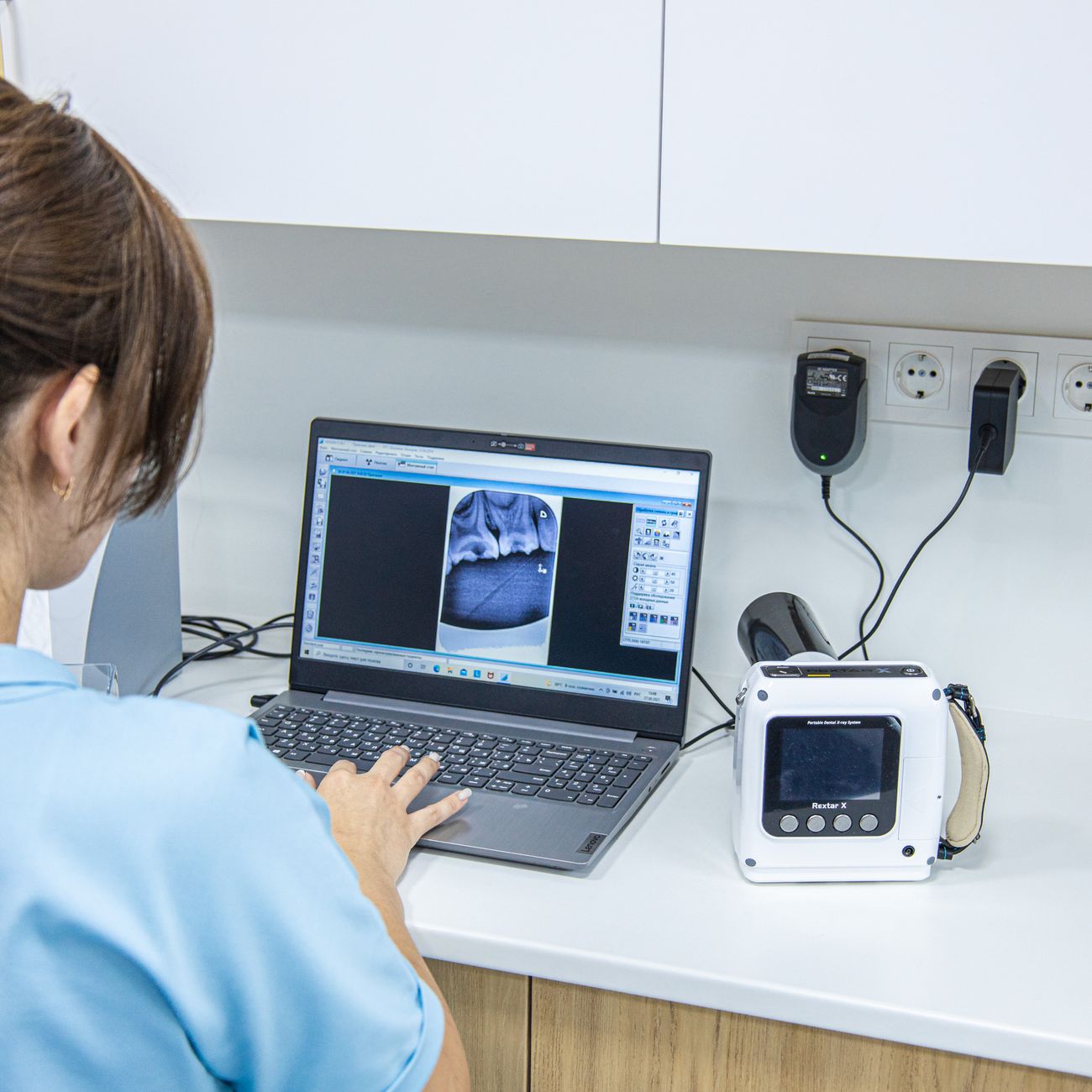
Radiology Service Planning is a multidisciplinary discipline that integrates clinical, operational, financial, and technological considerations to design, implement, and sustain imaging services that meet patient needs while achieving organizational objectives. Mastery of the terminology used in this field is essential for effective communication, strategic decision‑making, and successful execution of projects. The following exposition outlines the most important terms and concepts, providing definitions, illustrative examples, practical applications, and common challenges associated with each.
Modality refers to the specific imaging technology or technique employed to acquire diagnostic images. Typical modalities include computed tomography (CT), magnetic resonance imaging (MRI), ultrasound (US), plain radiography (X‑ray), nuclear medicine (NM), and positron emission tomography (PET). In planning, the choice of modality is driven by clinical demand, disease prevalence, and cost‑effectiveness. For example, a community hospital serving a high‑volume orthopedic population may prioritize a high‑capacity CT scanner for rapid trauma assessment, whereas a tertiary cancer center would allocate resources to a PET‑CT system for oncologic staging. Challenges arise when balancing the capital cost of a new modality against uncertain future utilization, especially in regions with shifting demographic patterns.
Throughput measures the number of examinations that can be completed within a defined time frame, usually expressed as studies per day or per shift. Throughput is directly influenced by scanner performance, staffing levels, protocol efficiency, and patient preparation time. A practical application is the calculation of expected daily throughput during the feasibility stage of a new imaging suite: If a 64‑slice CT scanner processes 30 examinations per hour with a 15‑minute turnover, the theoretical maximum is 240 studies per 8‑hour shift. However, real‑world throughput is often reduced by factors such as patient no‑shows, equipment downtime, and staffing constraints. Planners must therefore incorporate a realistic “efficiency factor” (often 70–80 %) to avoid over‑optimistic capacity assumptions.
Capacity Planning is the systematic process of determining the amount of imaging resources required to meet projected demand. It involves forecasting patient volumes, assessing current capacity, and identifying gaps. Capacity planning commonly uses historical data, population health trends, and referral patterns to predict future workload. For instance, a health system anticipating a 10 % annual increase in MRI referrals might model three scenarios: Maintaining current capacity (leading to increased wait times), adding a second MRI scanner (improving access but raising capital expenditure), or implementing an accelerated scheduling algorithm (optimizing existing resources). The principal challenge is the uncertainty inherent in demand forecasts, particularly when new clinical guidelines or reimbursement policies are expected to alter imaging utilization.
Utilization Rate quantifies the proportion of available scanner time that is actually used for patient examinations. It is calculated by dividing the total scan time by the total available operating time, expressed as a percentage. A utilization rate of 85 % is often cited as a target for high‑efficiency departments, but rates above 90 % may indicate bottlenecks or staff fatigue. In practice, utilization rates are monitored through the radiology information system (RIS) and used to adjust staffing schedules or to justify the acquisition of additional equipment. A common pitfall is interpreting high utilization as an unequivocal sign of success, when in fact it may mask underlying inefficiencies such as prolonged patient positioning or excessive protocol length.
Workload Analysis involves a detailed examination of the types and numbers of imaging studies performed, stratified by modality, anatomic region, and clinical indication. This analysis helps identify high‑volume procedures, seasonal variations, and under‑utilized resources. For example, a workload analysis might reveal that musculoskeletal MRI accounts for 35 % of all MRI studies, prompting a review of protocol standardization to reduce scan time. Practical applications include staffing model development (e.G., Allocating more technologists during peak musculoskeletal demand) and negotiating service contracts (e.G., Justifying a higher reimbursement rate for high‑complexity studies). The main challenge lies in obtaining accurate, granular data, as misclassification or incomplete capture can lead to suboptimal planning decisions.
Service Line denotes a cohesive group of related imaging services that are organized around a specific clinical specialty or patient pathway. Typical service lines include neuro‑imaging, cardiovascular imaging, and pediatric imaging. Aligning radiology service lines with clinical departments facilitates collaborative care, improves referral efficiency, and supports joint business cases for equipment investment. For instance, a neuro‑imaging service line might jointly develop a rapid stroke protocol that integrates CT, CTA, and MRI, thereby reducing door‑to‑needle times. Challenges include coordinating governance across multiple specialties, reconciling differing priorities, and ensuring equitable resource allocation among service lines.
Clinical Pathway is a standardized, evidence‑based sequence of diagnostic and therapeutic steps designed to optimize patient outcomes for a specific condition. In radiology, clinical pathways often dictate the appropriate imaging modality, timing, and protocol for conditions such as acute chest pain or suspected appendicitis. By embedding imaging decisions within a pathway, planners can reduce unnecessary examinations and improve resource utilization. A practical example is the “Chest Pain Algorithm” that recommends a low‑dose CT coronary calcium score before proceeding to coronary CTA, thereby triaging low‑risk patients away from more intensive imaging. Barriers to pathway implementation include resistance from clinicians accustomed to discretionary ordering and the need for ongoing education to ensure adherence.
Imaging Protocol refers to the set of technical parameters (e.G., Tube voltage, slice thickness, contrast timing) and procedural steps used to acquire a specific type of study. Protocols are central to quality assurance, dose optimization, and throughput. Standardizing protocols across scanners and technologists can reduce variability, shorten scan times, and enhance diagnostic consistency. For example, a standardized abdominal CT protocol with a fixed contrast injection rate may cut average scan time by 2 minutes while maintaining image quality. However, challenges arise when attempting to balance protocol flexibility (to accommodate patient-specific factors) with the desire for uniformity, especially in institutions with diverse equipment generations.
Dose Optimization is the practice of adjusting imaging parameters to achieve the lowest radiation dose possible while preserving diagnostic image quality. This principle is encapsulated in the acronym ALARA (As Low As Reasonably Achievable). In service planning, dose optimization influences equipment selection (e.G., Choosing scanners with advanced dose‑reduction technologies) and protocol development. A practical application is the implementation of iterative reconstruction algorithms in CT, which can reduce dose by up to 40 % without compromising image fidelity. Common challenges include ensuring technologists are trained to apply dose‑saving techniques consistently and monitoring cumulative dose across patient populations to detect inadvertent overexposure.
PACS (Picture Archiving and Communication System) is the digital infrastructure that stores, retrieves, and distributes medical images. PACS is a cornerstone of modern radiology service delivery, enabling rapid image access, remote viewing, and integration with electronic health records (EHR). In planning, the capacity of PACS storage, network bandwidth, and redundancy must be assessed to support projected imaging volumes. For instance, a 500‑study per day increase in MRI output may require an additional 20 TB of storage and upgraded network switches to maintain acceptable retrieval times. Challenges include managing the lifecycle of storage media, ensuring compliance with data retention regulations, and mitigating the risk of system outages that could halt clinical workflows.
RIS (Radiology Information System) is the software platform that tracks patient scheduling, examination orders, results reporting, and billing information. RIS functions as the operational hub for radiology departments, interfacing with PACS, EHR, and billing systems. Effective RIS utilization enables accurate workload forecasting, performance monitoring, and resource allocation. A practical example is the use of RIS data to generate weekly dashboards displaying modality utilization, exam turnaround time, and no‑show rates, thereby informing staffing adjustments. Integration challenges often stem from disparate vendor systems, data mapping inconsistencies, and the need for customized interfaces to meet specific workflow requirements.
Turnaround Time (TAT) measures the interval from image acquisition to final report issuance. Short TATs are critical for time‑sensitive diagnoses such as stroke, trauma, or oncologic assessment. Service planners aim to establish target TAT benchmarks (e.G., CT head ≤ 30 minutes, MRI spine ≤ 48 hours) and design processes to achieve them. Strategies include employing dedicated “stat” reading teams, optimizing PACS routing, and automating preliminary report generation using AI algorithms. Common obstacles are high volume spikes, limited radiologist availability, and technical delays caused by system downtimes.
Downtime refers to periods when imaging equipment is unavailable due to maintenance, repair, or unexpected failure. Downtime directly impacts capacity, utilization, and patient satisfaction. In planning, historical downtime data are used to estimate “effective” scanner availability, often by applying a “downtime factor” of 5–10 % to the total operating hours. A practical mitigation strategy is the implementation of a preventive maintenance schedule that reduces unplanned breakdowns. Nevertheless, unpredictable failures, parts supply chain issues, and insufficient on‑site technical expertise remain persistent challenges.
Preventive Maintenance is a scheduled set of activities designed to keep imaging equipment in optimal operating condition and to preemptively address wear‑and‑tear issues. Preventive maintenance contracts typically include routine inspections, calibration, software updates, and component replacement. From a planning perspective, the cost of preventive maintenance must be balanced against the potential revenue loss from unplanned downtime. For example, a monthly service contract for a 3‑Tesla MRI may cost $5,000 but could prevent a single week of lost scanning time that would otherwise cost upwards of $150,000 in revenue. Challenges include negotiating service level agreements (SLAs) that guarantee rapid response times and ensuring that maintenance activities do not interfere with peak service periods.
Capital Expenditure (CapEx) denotes the funds allocated for acquiring, upgrading, or expanding physical assets such as imaging equipment, building renovations, or IT infrastructure. CapEx decisions are typically justified through a business case that demonstrates return on investment (ROI) and alignment with strategic goals. For instance, purchasing a new CT scanner may be classified as CapEx, with projected financial benefits derived from increased throughput, higher reimbursement rates for advanced protocols, and reduced operating costs per study. The primary difficulty in CapEx planning is the long payback horizon of imaging assets, which can extend beyond typical budgeting cycles, making it essential to secure multi‑year financial commitments.
Operating Expenditure (OpEx) encompasses the ongoing costs required to run radiology services, including salaries, consumables, maintenance contracts, software licenses, and utilities. OpEx is a critical component of the financial model for service planning, as it directly influences profitability and sustainability. An example of OpEx management is the negotiation of bulk purchasing agreements for contrast agents, which can lower per‑study costs and improve margin. The challenge lies in accurately forecasting OpEx, especially for variable items such as contrast usage, which can fluctuate with changes in protocol or patient demographics.
Business Case is a structured document that outlines the justification for a proposed investment or initiative, detailing expected costs, benefits, risks, and performance metrics. In radiology service planning, a robust business case includes clinical need assessment, financial analysis (including ROI, net present value, and internal rate of return), and alignment with organizational strategy. For example, a business case for a dedicated pediatric MRI suite would highlight reduced sedation rates, improved patient experience, and projected revenue growth from referral contracts with nearby pediatric clinics. Common obstacles include incomplete data, insufficient stakeholder engagement, and underestimation of implementation risks.
Return on Investment (ROI) measures the financial return generated by an investment relative to its cost. ROI is expressed as a percentage and is calculated by dividing net profit by the total investment amount. In radiology, ROI calculations often consider incremental revenue from additional studies, cost savings from operational efficiencies, and depreciation. A practical scenario: A 1.5‑Tesla MRI scanner purchased for $3 million generates an additional $600,000 in annual revenue; after accounting for $150,000 in additional operating costs, the net profit is $450,000, yielding an ROI of 15 % per year. However, ROI analyses can be skewed by optimistic volume projections, neglect of indirect costs, or failure to incorporate regulatory compliance expenses.
Cost‑Benefit Analysis expands on ROI by comparing all anticipated costs (both capital and operating) with the full spectrum of benefits, including non‑financial gains such as improved patient outcomes, reduced length of stay, and enhanced reputation. For instance, implementing low‑dose CT protocols may incur upfront software upgrade costs but generate benefits through reduced radiation exposure, lower liability risk, and compliance with accreditation standards. The challenge in cost‑benefit analysis is quantifying intangible benefits and ensuring that they are weighted appropriately against measurable financial metrics.
Stakeholder Engagement involves identifying and actively involving all parties who have an interest in radiology services, including clinicians, administrators, patients, payers, and regulatory bodies. Effective engagement ensures that service planning reflects real‑world needs and garners support for implementation. A practical technique is the formation of a multidisciplinary steering committee that meets monthly to review project progress, resolve conflicts, and adjust priorities. Barriers to stakeholder engagement often include competing agendas, communication gaps, and limited time for collaborative decision‑making.
Accreditation is the formal recognition by an external body that a radiology department meets defined standards of quality, safety, and performance. Organizations such as the American College of Radiology (ACR) provide accreditation programs that evaluate equipment, personnel qualifications, and quality assurance processes. Achieving accreditation can be a prerequisite for reimbursement and can serve as a marketing advantage. In planning, the requirements for accreditation influence equipment selection (e.G., Ensuring scanner software meets ACR standards), staffing (e.G., Maintaining required technologist certifications), and quality control procedures. Maintaining accreditation demands ongoing compliance monitoring, which can strain resources if not integrated into routine operations.
Quality Assurance (QA) encompasses systematic activities designed to ensure that imaging services consistently meet predetermined standards of performance. QA programs include routine equipment testing, image quality audits, radiation dose monitoring, and peer review of reports. For example, a monthly QA audit might involve measuring the uniformity of a CT scanner’s water phantom and comparing results against baseline values. The primary challenge is embedding QA activities into daily workflows without causing disruption, and ensuring that findings are acted upon promptly to prevent quality degradation.
Benchmarking is the process of comparing a department’s performance metrics against industry standards, peer institutions, or historical data. Benchmarking helps identify areas of relative strength and weakness, informing targeted improvement initiatives. A common benchmark in radiology is the average exam turnaround time for CT head studies, typically ranging from 20 to 30 minutes across comparable hospitals. By analyzing deviations from the benchmark, managers can pinpoint process bottlenecks such as delayed image transfer or insufficient radiologist coverage. Challenges include obtaining reliable external data, accounting for case‑mix differences, and translating benchmark insights into actionable change.
Patient Flow describes the movement of patients through the imaging service, from appointment scheduling to registration, preparation, scanning, and post‑procedure discharge. Optimizing patient flow minimizes wait times, improves satisfaction, and maximizes equipment utilization. Techniques such as “lean” workflow redesign, dedicated pre‑scan holding areas, and real‑time location tracking can streamline flow. For instance, implementing a “single‑queue” system for MRI appointments can reduce the average waiting time by 15 minutes compared with multiple parallel queues. Obstacles include resistance to change, variability in patient preparation requirements, and constraints imposed by physical layout.
Scheduling Algorithms are computational methods used to assign imaging appointments to available time slots, balancing factors such as urgency, modality availability, and technologist expertise. Advanced scheduling software can incorporate predictive analytics to forecast no‑show probabilities and dynamically adjust overbooking levels. A practical example is the use of a rule‑based algorithm that reserves two “stat” slots per day on the MRI scanner for emergent cases, while filling the remaining slots with routine outpatient appointments. Challenges include integrating the algorithm with existing RIS, managing the complexity of multi‑modality scheduling, and ensuring transparency for referring physicians.
Resource Allocation involves distributing limited assets—such as scanner time, technologist hours, and budget—across competing demands to achieve optimal service delivery. Effective allocation requires alignment with strategic priorities and data‑driven decision‑making. For example, allocating a greater proportion of MRI capacity to neuro‑oncology during a clinical trial phase can support research objectives while maintaining baseline service for other specialties. The difficulty lies in balancing short‑term operational needs with long‑term strategic goals, particularly when resources are scarce and demand fluctuates.
Staffing Models define the composition and scheduling of personnel required to support imaging services, including radiologists, technologists, nurses, and administrative staff. Models may be based on fixed shifts, flexible staffing, or pooled resources across modalities. An example is a “mixed‑skill” model where technologists are cross‑trained on both CT and MRI, allowing the department to shift personnel to match peak demand periods. Common challenges include ensuring adequate coverage for high‑complexity examinations, managing overtime costs, and maintaining staff morale amid variable schedules.
Credentialing is the formal process by which a radiology department verifies the qualifications, experience, and competence of its professionals, particularly radiologists and technologists. Credentialing ensures that personnel meet regulatory and institutional standards, and it is often required for participation in insurance networks. In practice, credentialing involves reviewing board certifications, performing peer‑review assessments, and documenting continuing education. Difficulties arise when integrating credentialing data across multiple sites, keeping records current, and addressing variations in credentialing requirements among different payers.
Credentialing Matrix is a tool that maps individual staff members’ qualifications against the specific procedures they are authorized to perform. This matrix helps schedule appropriate personnel for complex examinations, such as interventional radiology procedures that require additional certifications. For instance, a credentialing matrix may indicate that only three technologists are certified to operate the high‑field 3‑Tesla MRI, prompting targeted training initiatives to expand the pool. Maintaining an up‑to‑date matrix can be labor‑intensive, especially in large departments with frequent staff turnover.
Imaging Suite Layout refers to the physical arrangement of equipment, workstations, control rooms, and patient areas within a radiology department. An efficient layout reduces patient transport distance, minimizes staff movement, and supports ergonomic workflow. For example, positioning the CT scanner adjacent to the waiting area and close to the PACS workstations can cut patient transfer time by several minutes per case. Planning the suite layout requires collaboration with architects, infection control experts, and equipment vendors. Constraints such as building codes, shielding requirements, and existing infrastructure often limit design flexibility.
Ergonomics focuses on designing work environments that promote comfort, safety, and efficiency for staff. In radiology, ergonomics addresses issues such as technologist posture during patient positioning, radiologist screen height, and the placement of control panels. Implementing ergonomic solutions, such as adjustable exam tables and height‑adjustable workstations, can reduce musculoskeletal injuries and improve productivity. The main challenge is securing funding for ergonomic upgrades, which may be perceived as non‑essential despite their long‑term benefits.
Radiation Safety encompasses all measures taken to protect patients, staff, and the public from unnecessary exposure to ionizing radiation. Core components include shielding, dose monitoring, training, and adherence to regulatory limits. In service planning, radiation safety considerations influence equipment selection (e.G., Low‑dose CT capabilities), facility design (e.G., Lead‑lined walls), and protocol development. A practical application is the establishment of a dose‑tracking database that alerts technologists when cumulative patient dose exceeds predefined thresholds. Ongoing challenges involve maintaining compliance with evolving regulations and ensuring that safety culture permeates all levels of staff.
ALARA (As Low As Reasonably Achievable) is the guiding principle for radiation protection, emphasizing the minimization of dose while preserving diagnostic image quality. ALARA informs protocol optimization, equipment selection, and staff training. For example, employing automatic exposure control (AEC) on CT scanners can automatically adjust tube current based on patient size, thereby reducing dose without compromising image quality. Implementing ALARA requires continuous education, regular audit of dose metrics, and the willingness to revise long‑standing protocols that may be outdated.
Dose Index is a quantitative metric that represents the radiation dose delivered during a specific imaging examination, often expressed as CTDIvol (Computed Tomography Dose Index volume) for CT or DLP (Dose Length Product). Monitoring dose index values across scanners enables identification of outliers and facilitates dose reduction initiatives. A practical use case is setting institutional reference levels (IRLs) for common CT protocols and triggering alerts when a scan exceeds the IRL by more than 20 %. Challenges include accounting for patient size variations and ensuring that dose reduction does not degrade diagnostic confidence.
Clinical Decision Support (CDS) systems provide evidence‑based recommendations to ordering physicians at the point of care, guiding appropriate imaging selection. Integration of CDS into the electronic order entry system can reduce inappropriate examinations, improve guideline adherence, and enhance resource utilization. For instance, a CDS rule may prompt the ordering physician to select a low‑dose CT instead of a full‑dose CT for a patient with a low pre‑test probability of pulmonary embolism. Barriers to CDS adoption include alert fatigue, workflow disruption, and the need for regular updates to reflect current clinical guidelines.
Referral Management involves the processes by which imaging requests are received, triaged, scheduled, and tracked. Effective referral management ensures that patients receive the correct study in a timely manner and that capacity is allocated efficiently. A common approach is the creation of a central referral desk staffed by coordinators who verify appropriateness, confirm insurance eligibility, and assign priority levels. The difficulty lies in balancing rapid access for urgent cases with the need to maintain a steady flow of routine appointments, especially when referral volumes exceed capacity.
Referral Funnel is a conceptual model that visualizes the stages an imaging request passes through—from initial ordering to final examination—highlighting attrition points such as cancellations or insurance denials. Analyzing the funnel can reveal opportunities to improve conversion rates and reduce wasted capacity. For example, a high drop‑off rate between scheduling and exam completion may indicate patient communication gaps or inconvenient appointment times. Addressing these issues often requires targeted patient outreach and flexible scheduling options.
Imaging Appropriateness denotes the suitability of a requested imaging study based on clinical indication, patient history, and evidence‑based guidelines. Ensuring appropriateness reduces unnecessary radiation exposure, lowers costs, and improves care quality. Tools such as the ACR Appropriateness Criteria provide a framework for evaluating orders. A practical implementation is the use of an automated appropriateness check that flags low‑value studies for review before they are scheduled. Challenges include physician resistance to perceived “gatekeeping,” variability in guideline interpretation, and the need for real‑time decision support.
Evidence‑Based Imaging refers to the practice of selecting imaging studies supported by the best available scientific evidence, thereby maximizing diagnostic yield while minimizing waste. Incorporating evidence‑based imaging into service planning requires continuous literature review, guideline updates, and education of referring clinicians. An example is replacing routine abdominal X‑ray for suspected obstruction with a low‑dose CT protocol that provides superior diagnostic information. The main difficulty is keeping pace with rapidly evolving research and translating findings into operational policies.
Imaging Utilization Review is a systematic evaluation of imaging orders to assess compliance with appropriateness criteria, cost effectiveness, and clinical impact. Utilization review committees often comprise radiologists, clinicians, and administrators who conduct chart audits and provide feedback. A practical outcome may be the development of targeted education programs for high‑utilization specialties. Limitations include the resource intensity of manual chart reviews and potential friction between reviewers and ordering physicians.
Imaging Protocol Standardization aims to harmonize scan parameters across equipment and sites to ensure consistent image quality, dose, and reporting. Standardization facilitates multi‑center research, improves comparability of studies, and simplifies training. For instance, establishing a uniform brain MRI protocol with identical slice thickness, field‑of‑view, and contrast timing across all scanners in a health system can reduce variability in diagnostic interpretation. Barriers include differing vendor capabilities, legacy equipment constraints, and clinician preferences for customized protocols.
Service Expansion denotes the addition of new imaging modalities, locations, or service lines to meet growing demand or strategic objectives. Expansion projects typically involve market analysis, feasibility studies, and capital planning. A concrete example is the opening of an outpatient MRI center in a suburban area to capture community‑based demand and reduce hospital congestion. The challenges of service expansion include accurate demand forecasting, securing sufficient referral pathways, and ensuring that expanded services maintain quality standards.
Feasibility Study is an investigative analysis that determines the practicality, costs, benefits, and risks associated with a proposed radiology project. It includes assessments of market demand, financial viability, technical requirements, and regulatory compliance. For example, a feasibility study for a new 3‑Tesla MRI might examine expected patient volume, insurance reimbursement rates, space requirements, and required shielding. Limitations often stem from reliance on assumptions that may change over the project lifecycle, underscoring the need for sensitivity analyses.
Market Analysis involves evaluating the external environment to identify opportunities and threats related to radiology services. Key components include competitor assessment, payer mix, demographic trends, and referral patterns. A practical application is identifying a gap in advanced cardiac imaging within a region, which could justify investment in a dedicated cardiac CT suite. Challenges include obtaining reliable market data, accounting for future technological disruptions, and aligning findings with internal strategic priorities.
Demographic Profiling is the process of characterizing the patient population based on age, gender, ethnicity, disease prevalence, and socioeconomic status. Demographic data inform service planning by highlighting specific imaging needs. For instance, an aging population may increase demand for bone densitometry and joint MRI, prompting allocation of dedicated slots for these studies. The difficulty lies in accessing up‑to‑date demographic information and translating broad trends into specific operational plans.
Service Portfolio encompasses the range of imaging services offered by a radiology department, from basic plain radiography to advanced interventional procedures. Managing the service portfolio involves evaluating each service’s performance, profitability, and strategic fit. A portfolio review might reveal that a low‑volume PET‑CT is operating at a loss, leading to a decision to either enhance referral pathways, share the scanner with a partner institution, or discontinue the service. Balancing portfolio breadth with depth is a persistent strategic challenge.
Revenue Cycle Management (RCM) covers the entire process of capturing, processing, and collecting payments for imaging services, from order entry to final reimbursement. Effective RCM ensures cash flow stability and minimizes claim denials. Practical steps include verifying insurance eligibility before scheduling, using accurate CPT codes, and promptly addressing claim rejections. Common obstacles are coding errors, mismatched documentation, and delays in claim submission, all of which can erode profitability.
Billing Codes such as CPT (Current Procedural Terminology) and HCPCS (Healthcare Common Procedure Coding System) are standardized identifiers used to describe medical services for reimbursement. Accurate coding is essential for appropriate payment and compliance. For example, a contrast‑enhanced abdominal CT is coded as CPT 74177, and using an incorrect code could result in underpayment or audit penalties. Challenges include staying current with annual code updates and ensuring that documentation supports the selected codes.
DRG (Diagnosis‑Related Group) is a classification system used primarily for inpatient reimbursement, grouping cases with similar clinical characteristics and resource consumption. While radiology services are often billed separately, understanding DRG assignments helps radiology managers anticipate imaging volume associated with particular inpatient diagnoses. For instance, a DRG for “major chest surgery” may predict a surge in postoperative chest X‑rays and CT scans. Integrating DRG insights into capacity planning can improve staffing and equipment allocation, though the complexity of DRG algorithms can pose analytical challenges.
Reimbursement refers to the payment received from insurers, government programs, or patients for imaging services rendered. Reimbursement rates vary by payer, modality, and geographic location. Knowledge of reimbursement structures guides strategic decisions such as which services to prioritize or where to locate a new imaging center. An example is the higher reimbursement for advanced MRI sequences (e.G., MR angiography) compared with routine sequences, influencing protocol development. Reimbursement volatility, especially with policy changes, introduces financial risk that must be managed through diversified payer mixes.
Payer Mix describes the proportion of revenue derived from different sources, such as private insurance, Medicare, Medicaid, and self‑pay patients. A balanced payer mix can shield a radiology department from fluctuations in any single reimbursement stream. For example, reliance on a single government payer may expose the department to policy changes that reduce rates, whereas a diversified mix can provide stability. Adjusting payer mix often involves targeted marketing, contracting with new insurers, and developing cash‑pay service lines for uninsured patients.
Funding Sources for radiology projects include internal capital budgets, external loans, lease financing, government grants, and philanthropic donations. Selecting the appropriate funding mechanism depends on the organization’s financial health, tax considerations, and project timeline. Leasing may be advantageous for rapidly evolving technologies, allowing upgrades without large upfront costs, while grants can subsidize capital for community health initiatives. Each source carries distinct risks, such as interest obligations for loans or restrictive conditions attached to grant funding.
Grant Funding is a non‑repayable source of capital typically awarded by government agencies, foundations, or industry partners to support specific projects, such as research imaging facilities or community outreach programs. Successful grant applications require a clear statement of need, robust methodology, and measurable outcomes. For instance, a grant to establish a low‑dose CT screening program for lung cancer may cover equipment costs and staff training. The challenge lies in the competitive nature of grant processes and the requirement for detailed reporting and compliance with grant terms.
Lease vs Purchase analysis compares the financial and operational implications of acquiring imaging equipment through leasing arrangements versus outright purchase. Leasing can reduce upfront capital outlay and provide flexibility for technology upgrades, while purchasing may result in lower long‑term costs and full ownership benefits. A practical decision matrix evaluates factors such as equipment lifespan, expected utilization, interest rates, and tax implications. The difficulty is accurately projecting future technology changes that could render a leased asset obsolete before the lease term ends.
Vendor Selection is the systematic process of evaluating and choosing equipment manufacturers, service providers, and software vendors. Criteria often include product performance, cost, service support, warranty terms, and compatibility with existing systems. An effective vendor selection process might involve a request for proposal (RFP) that solicits detailed technical specifications, followed by site visits and reference checks. Common pitfalls include over‑emphasis on price at the expense of service quality, and insufficient due diligence on vendor financial stability.
Contract Negotiation involves establishing the terms and conditions of agreements with vendors, service providers, and payers. Key elements include pricing, delivery schedules, performance guarantees, maintenance response times, and liability clauses. Skilled negotiation can secure favorable pricing, extended warranty periods, and service level agreements (SLAs) that protect against downtime. The challenge is balancing the desire for aggressive cost savings with the need for reliable service and ensuring that contract language is clear and enforceable.
Service Level Agreement (SLA) is a contractual commitment that defines the expected performance standards of a service provider, such as response time for equipment repairs, uptime guarantees, and support availability. In radiology, an SLA might stipulate a 4‑hour response time for critical scanner failures and a 99.5 % Annual uptime guarantee. SLAs provide a measurable benchmark for vendor performance and can be linked to financial penalties or incentives. Negotiating realistic SLAs can be difficult, especially when vendors must accommodate multiple client sites with varying needs.
Performance Metrics are quantifiable indicators used to assess the effectiveness and efficiency of radiology services. Common metrics include modality utilization, exam turnaround time, patient satisfaction scores, radiation dose indices, and financial margins. By tracking these metrics, managers can identify trends, benchmark against peers, and drive continuous improvement. For example, a rising trend in CT dose index may trigger a review of protocol parameters. Selecting appropriate metrics and ensuring data integrity are essential to avoid misinterpretation and misguided initiatives.
KPI (Key Performance Indicator) is a subset of performance metrics that are deemed most critical to achieving strategic objectives. KPIs provide focus for management and staff, aligning daily activities with broader goals. Typical radiology KPIs might be “average MRI turnaround time ≤ 48 hours” or “annual revenue growth ≥ 5 %.” Establishing realistic KPI targets requires collaboration across clinical, operational, and financial stakeholders. The difficulty often lies in balancing ambitious targets with the practical constraints of staffing, equipment, and patient demand.
Dashboard refers to a visual display that aggregates multiple KPIs and performance metrics into an intuitive, real‑time interface. Dashboards enable rapid assessment of departmental health and support data‑driven decision‑making. A radiology dashboard may show live scanner utilization, pending studies, average report turnaround, and patient satisfaction trends. Implementing an effective dashboard requires integration of data sources (PACS, RIS, billing systems) and careful design to avoid information overload. Maintaining data accuracy and updating visualizations as priorities shift are ongoing challenges.
Continuous Improvement is an organizational philosophy that seeks incremental enhancements in processes, quality, and efficiency over time. Radiology departments often adopt methodologies such as Plan‑Do‑Study‑Act (PDSA) cycles, Lean, or Six Sigma to drive improvement. A concrete example is a PDSA project aimed at reducing MRI patient preparation time by standardizing contrast administration protocols, resulting in a 10 % reduction in overall exam duration. Sustaining continuous improvement demands a culture that encourages staff participation, transparent reporting of failures, and leadership commitment.
Lean Six Sigma combines the waste‑reduction focus of Lean with the statistical rigor of Six Sigma to improve process performance. In radiology, Lean Six Sigma projects may target bottlenecks such as registration delays, image transfer latency, or report distribution. For instance, a Six Sigma analysis of CT scan preparation identified that 15 % of delays were due to missing consent forms, leading to the implementation of electronic consent capture and a subsequent 12 % reduction in overall cycle time. Challenges include securing expertise, training staff in methodology, and maintaining momentum after initial gains.
Key takeaways
- The following exposition outlines the most important terms and concepts, providing definitions, illustrative examples, practical applications, and common challenges associated with each.
- Typical modalities include computed tomography (CT), magnetic resonance imaging (MRI), ultrasound (US), plain radiography (X‑ray), nuclear medicine (NM), and positron emission tomography (PET).
- Throughput measures the number of examinations that can be completed within a defined time frame, usually expressed as studies per day or per shift.
- The principal challenge is the uncertainty inherent in demand forecasts, particularly when new clinical guidelines or reimbursement policies are expected to alter imaging utilization.
- A common pitfall is interpreting high utilization as an unequivocal sign of success, when in fact it may mask underlying inefficiencies such as prolonged patient positioning or excessive protocol length.
- Workload Analysis involves a detailed examination of the types and numbers of imaging studies performed, stratified by modality, anatomic region, and clinical indication.
- Aligning radiology service lines with clinical departments facilitates collaborative care, improves referral efficiency, and supports joint business cases for equipment investment.