
Conservation Techniques for Wooden Stocks
Dry rot is a term used to describe the advanced stage of fungal decay that results in the complete disintegration of wood fibers. In wooden firearm stocks, dry rot manifests as a brittle, crumbly texture that can no longer support the struc…
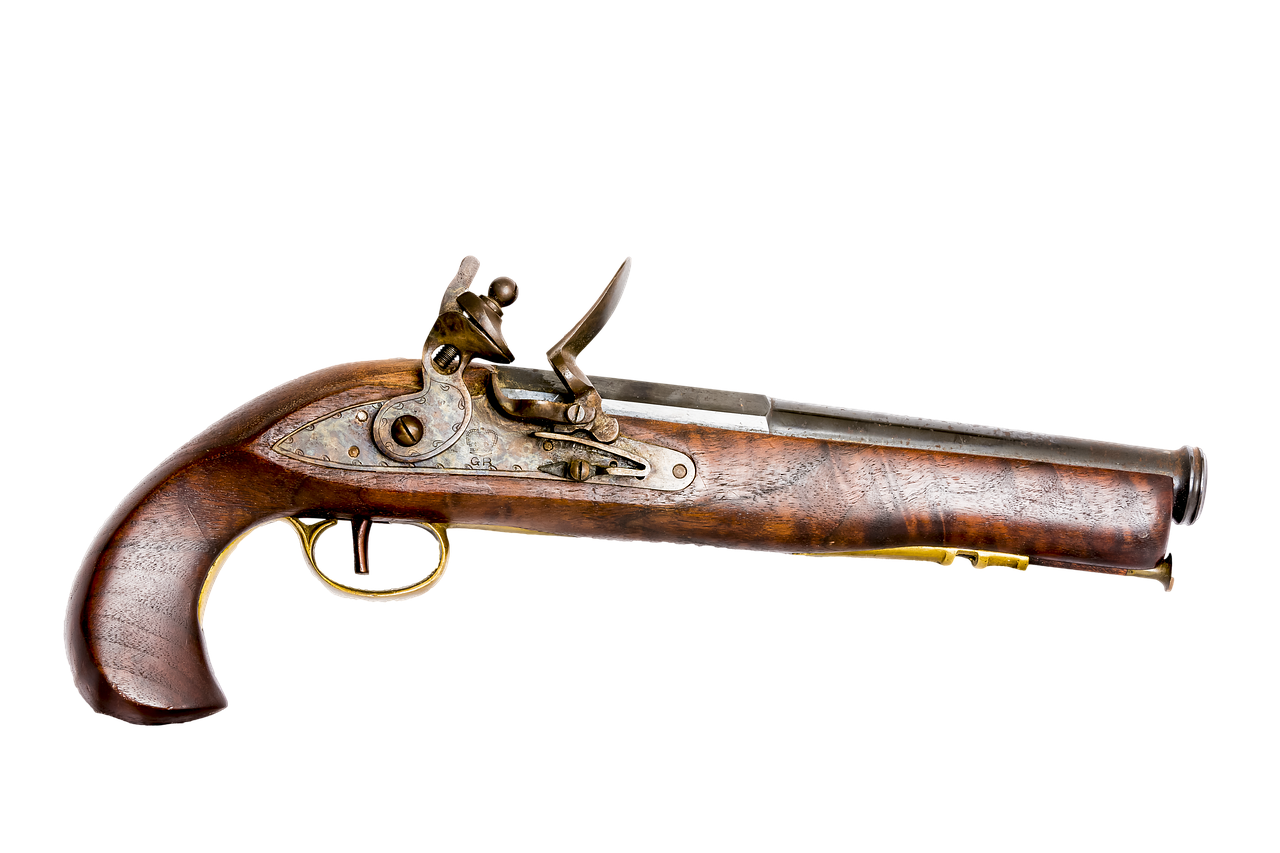
Dry rot is a term used to describe the advanced stage of fungal decay that results in the complete disintegration of wood fibers. In wooden firearm stocks, dry rot manifests as a brittle, crumbly texture that can no longer support the structural integrity of the stock. The fungus responsible, typically Serpula lacrymans, thrives in environments with high relative humidity (above 80 %) and poor ventilation. An example of dry rot in a 19th‑century rifle stock may be observed as a network of fine cracks radiating from the grain, often accompanied by a musty odor. Conservationists must first confirm the presence of fungal hyphae through microscopic examination before proceeding with treatment.
Fungal decay refers broadly to the process by which wood‑degrading fungi break down cellulose, hemicellulose, and lignin. In the context of antique firearms, the most common agents are brown‑rot fungi, which primarily consume cellulose, and white‑rot fungi, which attack lignin. The type of decay influences the choice of treatment; for instance, brown‑rot often results in a “shrinkage” pattern, while white‑rot can cause a more uniform softening. A practical application involves the use of a low‑temperature (cold) oven to halt fungal activity, followed by controlled drying to a target relative humidity of 45 % to prevent further colonisation.
Consolidant is a liquid polymer applied to weakened wood to bind the deteriorated fibers together, thereby restoring structural strength. Common consolidants include epoxy resin, methylcellulose, and acrylic polymer emulsions. The selection of a consolidant depends on factors such as the wood species, the degree of decay, and the intended future use of the firearm. For example, a low‑viscosity epoxy may be chosen for a heavily cracked walnut stock, while a water‑based acrylic might be preferred for a more delicate maple stock that will later be displayed rather than fired. Application techniques range from brush coating to vacuum impregnation, each with its own set of challenges related to penetration depth and potential alteration of surface appearance.
Surface cleaning is the process of removing accumulated dust, grime, and surface contaminants without damaging the underlying wood. The method must be compatible with the wood’s finish, which may be oil‑based, shellac, or a modern polyurethane. A typical approach involves a soft natural‑fiber brush to dislodge loose particles, followed by a cotton swab lightly dampened with a solvent such as mineral spirits for oil‑based finishes. When cleaning a varnished stock from a 18th‑century musket, conservators often perform a spot test in an inconspicuous area to verify that the solvent does not cause discoloration or swelling.
Solvent refers to a liquid capable of dissolving or dispersing another substance without chemically reacting with it. In wood conservation, solvents are used to remove old finishes, adhesives, or contaminant layers. The choice of solvent is critical; for instance, acetone is a strong solvent that can quickly strip lacquers but may also cause rapid drying and cracking in fragile wood. A safer alternative for many antique stocks is a mixture of denatured alcohol and distilled water (often 1 % to 5 % concentration) which provides gentle cleaning while preserving the wood’s moisture equilibrium. Practical challenges include ensuring adequate ventilation, as many solvents emit volatile organic compounds (VOCs) that can be hazardous to both the conservator and the artifact.
Microclimate denotes the localized environmental conditions surrounding an object, including temperature, relative humidity, light exposure, and air quality. For wooden stocks, maintaining a stable microclimate is essential to prevent dimensional changes that can lead to cracking or warping. The ideal microclimate for most hardwoods used in firearms is a temperature of 18–22 °C (64–72 °F) and a relative humidity of 45–55 %. Fluctuations beyond ±5 % RH can cause the wood to swell or shrink, especially in regions where the stock has been previously repaired with synthetic adhesives that have different hygroscopic properties. A common solution is to place the stock in a sealed display case equipped with a silica gel desiccant and a digital hygrometer, thereby achieving a controlled environment without excessive isolation.
Relative humidity (RH) is the percentage of water vapor present in the air relative to the maximum amount the air can hold at a given temperature. In conservation, RH is a paramount factor because wood is hygroscopic; it absorbs or releases moisture in response to ambient RH changes. For example, a historic English long‑rifle stock stored at 70 % RH may swell, causing the grain to lift and exposing the underlying surface to contaminants. Conversely, a sudden drop to 30 % RH can lead to desiccation, resulting in surface checking and loss of finish. Conservation protocols often recommend gradual acclimatization, adjusting RH by no more than 5 % per week to minimise stress on the wood.
Temperature interacts with RH to influence the wood’s moisture content. Higher temperatures increase the capacity of air to hold moisture, potentially lowering RH if moisture sources are not added. In a workshop setting, temperature control is achieved through HVAC systems that maintain a constant range, typically 20 °C (68 °F) for most wooden firearms. An illustrative challenge is the seasonal variation in a museum’s climate control; during summer, the HVAC may struggle to keep RH below 55 % while maintaining temperature, necessitating supplemental dehumidification strategies such as activated charcoal or chilled coils.
pH is a measure of acidity or alkalinity, which can affect both the wood and any applied conservation materials. Certain wood finishes, especially those derived from natural oils, may become acidic over time, leading to surface degradation. In the case of a wooden stock that has been treated with a shellac finish, the pH of the underlying wood may drift toward acidic values (pH 4–5). Conservationists often test pH using a micro‑probe or a small scraped sample dissolved in a neutral buffer. If the pH is outside the optimal range (approximately 6–7 for most hardwoods), a buffered solution may be applied to neutralise the surface before any further treatment.
Buffered solution is a liquid prepared to maintain a stable pH during application, preventing sudden shifts that could damage the wood. A common buffered solution for wood conservation contains sodium bicarbonate (a weak base) and a weak acid such as acetic acid, creating a pH‑controlled environment around 6.5. This solution can be used to rinse a stock after cleaning with a slightly acidic solvent, thereby mitigating any residual acidity that could weaken the wood fibers. The practical challenge lies in ensuring the solution does not infiltrate deep into the wood, which could cause unintended swelling or discoloration.
Polishing in the context of wooden firearms refers to the final stage of surface preparation, where a fine, uniform sheen is achieved to both protect the wood and enhance its aesthetic appeal. Traditional polishing agents include beeswax, carnauba wax, and sometimes a mixture of linseed oil and turpentine. For an 1850s breech‑loading rifle, a conservator may apply a thin layer of microcrystalline wax, buffed with a soft cloth to a subtle luster. Over‑polishing can obscure original tool marks or patina, so conservators must balance protective functions with the preservation of historical evidence.
Wax is a semi‑solid material used to form a protective barrier on wood surfaces. Natural waxes such as beeswax are favoured for their permeability, allowing wood to “breathe” while repelling moisture and dust. Synthetic waxes, while offering higher durability, may create an impermeable film that traps moisture, potentially accelerating internal decay. In practice, a conservator may blend beeswax with a small amount of turpentine to achieve a workable consistency, then apply it using a cotton cloth in thin, overlapping strokes. The wax must be allowed to cure for at least 24 hours before any handling to ensure proper adhesion.
Adhesive denotes any bonding agent used to repair cracks or re‑assemble broken components of a wooden stock. Historically, hide glue was common, while modern conservation may employ reversible adhesives such as fish glue or polyvinyl acetate (PVA). The choice of adhesive is guided by the principle of reversibility: The repair should be removable without harming the original wood. For instance, a split in a wooden pistol grip might be repaired with a diluted fish glue mixture, which can later be softened with warm water if needed. Challenges include ensuring the adhesive does not creep into adjacent grain, which could cause staining or further weakening.
Reversible adhesive is a bonding material designed to be undone using a specific solvent or condition, preserving the artifact’s integrity. In the conservation of wooden stocks, reversible adhesives are preferred for any intervention that may need future adjustment. A well‑known reversible adhesive is a 3 % solution of methylcellulose in distilled water, which dries to a flexible film that can be re‑solubilised with warm water. When applied to a cracked fore‑stock of a vintage rifle, the adhesive must be applied sparingly with a fine brush to avoid excess that could seep into surrounding wood pores.
Epoxy resin is a two‑part polymer that cures to a hard, durable mass, often used for structural reinforcement. While epoxy provides excellent strength, its permanence makes it a less desirable choice for historic wooden stocks unless the damage is severe and other options have failed. An example of epoxy use is in the restoration of a heavily splintered walnut stock where the wood cannot be consolidated by less invasive means. The conservator must take care to mask surrounding areas, as epoxy can be difficult to remove once cured and may create a visual contrast with the original wood.
Acetone is a volatile organic solvent with strong degreasing properties, frequently employed to strip old finishes. Its rapid evaporation rate can cause the wood to dry too quickly, leading to surface checking. When used on an antique wooden stock, acetone should be applied in a well‑ventilated area, with the stock supported on a stable surface to prevent accidental damage. A practical guideline is to work in small sections, applying a thin layer of acetone with a lint‑free cloth and immediately following with a stabilising agent such as a humidity‑controlled blotting paper to moderate drying.
Mineral spirits are a petroleum‑based solvent used for cleaning oil‑based finishes and removing surface grime. Compared with acetone, mineral spirits evaporate more slowly, providing a gentler cleaning action that reduces the risk of wood desiccation. In the conservation of a wooden stock that has a historic linseed oil finish, mineral spirits can be used to dissolve accumulated soot without stripping the original oil layer. The conservator must rinse the wood with a damp cloth after cleaning to remove any residual solvent, thereby preventing long‑term chemical interaction.
Denatured alcohol is ethanol mixed with additives that render it unsuitable for consumption, commonly used as a mild cleaning solvent. Its low surface tension allows it to penetrate wood pores, making it useful for removing water‑soluble residues. However, denatured alcohol can also lower the wood’s moisture content, so it should be applied in a controlled manner. For example, a conservator may dampen a cotton swab with 70 % denatured alcohol and gently wipe a tarnished brass trigger guard, ensuring that the surrounding wood is protected with a barrier of parchment paper.
Silica gel is a desiccant composed of porous silicon dioxide beads that adsorb moisture from the surrounding air. It is frequently placed inside display cases or storage containers to maintain low relative humidity, thereby protecting wooden stocks from fungal growth. Silica gel packets are typically colour‑coded (e.G., Blue for dry, orange for saturated) to indicate moisture absorption status. A practical challenge is the need to regenerate the silica gel by heating it to 120 °C for several hours, which must be done outside the case to avoid exposing the stock to heat.
Activated charcoal is a porous carbon material that adsorbs volatile organic compounds and odors. In the context of wooden stock conservation, activated charcoal can be used to remove musty smells associated with fungal decay or previous storage in damp environments. A small sachet of activated charcoal can be placed near the stock within a sealed container, allowing the charcoal to capture odorous molecules over several weeks. Care must be taken to avoid direct contact between the charcoal and the wood, as fine particles could embed in the finish.
Humidity buffer refers to a material that stabilises the relative humidity within an enclosure, preventing rapid fluctuations. Common buffers include saturated salt solutions (e.G., Magnesium nitrate for 54 % RH) and hygroscopic salts such as calcium chloride. When storing a set of wooden pistol stocks, a conservator might use a humidity buffer consisting of a sealed jar with a magnesium nitrate solution, placed alongside the stocks to maintain a constant RH. The buffer must be regularly inspected and refreshed to ensure continued efficacy.
Dehumidification is the process of removing excess moisture from the air, often achieved through mechanical dehumidifiers or chemical absorbers. In a museum storage room, dehumidification is essential to keep RH below the threshold that encourages fungal growth. Modern dehumidifiers employ refrigeration cycles to condense water, while chemical dehumidifiers rely on desiccants such as silica gel. A practical issue is the potential for over‑drying; overly low RH (below 30 %) can cause wooden stocks to become brittle, so monitoring devices must be calibrated to maintain the desired range.
Re‑humidification is the intentional introduction of moisture into a dry environment to raise relative humidity to a safe level for wood. This may be necessary after a dehumidification event has lowered RH too far, risking shrinkage or surface checking. Re‑humidification can be performed using humidifiers that emit a fine mist, or by placing water‑filled trays within a sealed cabinet. For example, after transporting a wooden stock in a low‑humidity aircraft cabin, a conservator may place the stock in a sealed bag with a damp sponge to gradually raise RH to 45 % over several days.
Vacuum impregnation is a technique whereby a liquid consolidant is forced into the wood’s pores under reduced pressure, enhancing penetration depth. The process involves placing the wooden stock in a sealed chamber, evacuating the air, and then introducing the consolidant. The vacuum removes trapped gases, allowing the consolidant to fill the voids created by decay. This method is particularly effective for heavily deteriorated stocks where surface applications would not reach the weakened interior. Challenges include ensuring that the consolidant does not alter the stock’s dimensions excessively, as the added material can cause swelling if not properly controlled.
Penetration depth measures how far a consolidant or preservative travels into the wood structure. Accurate assessment of penetration depth is crucial for predicting the long‑term stability of a repaired stock. Techniques such as micro‑drilling and subsequent microscopy can reveal the extent of consolidant distribution. For a walnut stock treated with a low‑viscosity acrylic emulsion, a typical penetration depth might be 2–3 mm, sufficient to stabilise surface cracks but insufficient for deep internal rot. Adjustments in viscosity, application pressure, or use of a vacuum can improve depth.
Dimensional stability describes a wood’s ability to maintain its original size and shape despite changes in moisture content. In antique firearms, dimensional stability is essential to preserve the fit between the stock and metal components such as the barrel and lock. A stock that expands or contracts can alter the trigger pull, affect accuracy, or even cause the barrel to become misaligned. Conservation strategies to enhance dimensional stability include controlling environmental RH, using reversible consolidants, and avoiding over‑drying during cleaning procedures.
Finish is the protective layer applied to the surface of a wooden stock, which may consist of oils, varnishes, shellac, lacquer, or modern polyurethane. The finish serves both aesthetic and protective functions, shielding the wood from moisture, dirt, and mechanical wear. Identifying the type of finish present on a historic firearm is a key step; for example, a glossy amber sheen may indicate a nitrocellulose lacquer applied in the early 20th century, while a matte amber colour could be shellac. Conservationists must select cleaning agents compatible with the identified finish to avoid stripping or damaging it.
Shellac is a natural resin dissolved in alcohol, historically used as a finish on wooden stocks for its quick drying time and ease of repair. Shellac is brittle when fully cured, making it susceptible to cracking in fluctuating humidity. When conserving a shellac‑finished stock, a conservator may use a mild denatured alcohol solution to clean the surface, followed by a thin re‑application of shellac to fill micro‑cracks. The challenge lies in matching the original shellac’s colour and gloss level, which may have aged to a darker tone over time.
Lacquer refers to a fast‑drying resin, often nitrocellulose‑based, used in the late 19th and early 20th centuries for a glossy, durable finish. Lacquer provides a hard, protective coating but is less permeable than traditional oil finishes, potentially trapping moisture beneath it. In conservation, lacquer removal is performed with solvents such as acetone or lacquer thinner, applied carefully to avoid swelling the underlying wood. After removal, a conservator may apply a breathable oil finish to restore the wood’s ability to equilibrate with ambient humidity.
Oil finish is typically a mixture of drying oils (e.G., Linseed, tung) that polymerise upon exposure to air, forming a flexible protective layer. Oil finishes are valued for their ability to penetrate the wood surface, enhancing dimensional stability and providing a subtle sheen. For a wooden stock that originally received an oil finish, conservators may restore the finish by applying several thin coats of boiled linseed oil, allowing each coat to dry fully before the next. Over‑application can lead to a sticky surface, so careful monitoring of drying times is essential.
Polishing compound is an abrasive paste used to smooth the surface of a wooden stock, often containing fine abrasives such as pumice or silica, mixed with a lubricating oil. The compound is applied with a soft cloth, moving in the direction of the wood grain to avoid cross‑grain scratches. When polishing a historically significant stock, conservators must use a low‑abrasion compound (e.G., 400‑Grit) to avoid removing too much material, which could erase tool marks that are important for provenance documentation.
Tool marks are the impressions left on the wood by the hand tools used during the original manufacturing process, such as gouges, chisels, and planes. These marks are valuable for identifying the maker, period, and region of production. Conservation work should aim to preserve tool marks whenever possible. For instance, when sanding a cracked area, a conservator may use a fine‑grain sandpaper wrapped around a small wooden block, moving it gently along the grain so that the original tool marks remain visible.
Patina describes the surface colour change that occurs naturally over time due to oxidation, exposure to light, and interaction with the environment. In wooden stocks, patina may appear as a subtle amber hue, a darkening of the grain, or a fine surface film. Patina is an integral part of the artifact’s historical character; therefore, conservation efforts generally seek to stabilise rather than remove it. A common practice is to apply a protective wax over the existing patina, preserving the aged appearance while providing a barrier against further oxidation.
Re‑treating involves applying a new layer of protective material to a wooden stock that has previously been conserved. Re‑treating may be required when the original protective layer has deteriorated, become discoloured, or no longer offers adequate protection. The decision to re‑treat must consider the compatibility of the new treatment with any remaining original material. For example, a stock previously treated with a synthetic polymer consolidant may need a compatible polymer overlay rather than a traditional oil finish, to avoid delamination.
Conservation ethics are the guiding principles that dictate how interventions should be performed on cultural heritage objects. The core tenets include minimal intervention, reversibility, documentation, and respect for the artifact’s authenticity. In the case of wooden stocks, these ethics translate into selecting the least invasive cleaning method, using reversible adhesives, and thoroughly recording every step of the treatment. A practical illustration is the decision to avoid aggressive solvent cleaning on a delicate ivory‑inlaid stock, opting instead for a dry‑brush technique that respects the original materials.
Documentation is the systematic recording of all observations, treatments, materials, and environmental conditions associated with a conservation project. Accurate documentation ensures that future conservators can understand the decisions made and replicate or reverse treatments if necessary. For wooden stocks, documentation typically includes photographs taken under raking light, written condition reports, and detailed logs of humidity and temperature readings before, during, and after treatment. Digital databases may be employed to store this information, with metadata tags for easy retrieval.
Condition report is a written assessment that outlines the current state of a wooden stock, noting any defects, previous repairs, material composition, and signs of deterioration. The report serves as a baseline for monitoring changes over time. A thorough condition report for a 19th‑century rifle stock would list the presence of dry rot patches, the exact location and dimensions of cracks, the type of finish observed, and any evidence of prior consolidant applications. The report should be updated after each conservation intervention.
Micro‑climate monitoring involves the use of small, precise sensors placed near or on the wooden stock to continuously record temperature, relative humidity, and sometimes light exposure. These sensors provide real‑time data that can inform immediate adjustments to the storage environment. For instance, a data logger attached to the butt of a wooden shotgun stock may reveal a gradual rise in RH during the summer months, prompting the conservator to increase dehumidification efforts before visible damage occurs.
Light exposure is a factor that can cause photodegradation of both wood and its finishes. Ultraviolet (UV) radiation accelerates the breakdown of lignin, leading to surface checking and colour loss. In display settings, wooden stocks should be protected from direct sunlight and, if possible, from high‑intensity artificial lighting. UV‑filtering glass or acrylic can be installed on display cases, reducing UV transmission to less than 5 %. A practical challenge is balancing illumination needs for visitor appreciation with the necessity of limiting light damage.
Photodegradation refers to the chemical changes that occur in wood and finishes when exposed to light, especially UV wavelengths. The process leads to the formation of free radicals that break down cellulose and lignin, resulting in surface chalking, discoloration, and loss of mechanical strength. Conservation strategies to mitigate photodegradation include limiting exposure time, using low‑intensity lighting, and applying protective finishes that contain UV‑absorbing additives. For a wooden stock with a historic varnish, a conservator may test a small area with a UV‑blocking varnish before applying it more widely.
Staining in conservation terminology denotes the intentional or accidental alteration of the wood’s colour. Stains may be applied deliberately to match surrounding wood, or they may arise unintentionally from exposure to substances such as water, oil, or metal ions. When addressing a water stain on a wooden stock, a conservator may use a poultice of calcium carbonate to draw out the discoloration, followed by a gentle cleaning with a pH‑balanced solution. The challenge is to achieve colour matching without over‑bleaching the wood.
Poultice is a moist, absorbent material applied to a surface to draw out stains, moisture, or soluble degradation products. In wooden stock conservation, poultices are often made from a mixture of calcium carbonate and distilled water, forming a creamy paste that can be spread over the stained area. The poultice is left in place for several hours to allow capillary action to extract the unwanted substances. After removal, the area is rinsed with a damp cloth and allowed to dry slowly. Care must be taken to avoid excessive moisture that could promote fungal growth.
Capillary action is the movement of liquid within the narrow pores of wood due to surface tension forces. This principle underlies many conservation techniques, such as the use of poultices and the application of consolidants. Understanding capillary action helps conservators predict how far a liquid will travel into the wood and how quickly it will evaporate. For instance, a low‑viscosity consolidant may travel several millimetres into a porous hardwood, whereas a thicker resin may remain largely on the surface.
Hygroscopic equilibrium is the state at which the wood’s moisture content is balanced with the surrounding relative humidity. When the wood is at hygroscopic equilibrium, it neither gains nor loses moisture, minimizing dimensional changes. Achieving this equilibrium is a primary goal in the storage of wooden firearms. A conservator may use a combination of humidifiers, dehumidifiers, and buffering agents to maintain the environment within the equilibrium range for the specific wood species.
Wood species identification is essential because different species have varying densities, grain patterns, and susceptibility to decay. Common species used in historic firearm stocks include walnut, maple, mahogany, and pine. Walnut, for example, is prized for its workability and attractive grain but is also moderately prone to fungal attack if not properly protected. Knowing the species informs the selection of appropriate consolidants, finishes, and environmental controls. A practical method for species identification involves microscopic examination of cell structure, looking for characteristic vessels and ray patterns.
Density influences how wood responds to moisture changes; denser woods generally exhibit slower moisture movement and greater dimensional stability. A high‑density stock such as a mahogany may tolerate a wider RH range without noticeable warping, whereas a low‑density pine stock may require tighter control. Understanding density assists conservators in predicting the rate at which a stock will acclimatise to new environmental conditions after relocation.
Grain orientation describes the direction of wood fibers relative to the surface of the stock. Grain orientation affects both aesthetic appearance and mechanical behaviour. When repairing a crack that runs across the grain, a consolidant may be less effective because the wood’s natural tension resists penetration. In such cases, a conservator may align the repair adhesive parallel to the grain, using a thin strip of matching wood to reinforce the area. Careful attention to grain orientation also guides sanding and polishing, ensuring that operations are performed in the direction of the fibers.
Surface tension is a physical property of liquids that influences how they spread over a wood surface. Solvents with low surface tension, such as alcohol, spread more readily, potentially penetrating deeper into the wood. This characteristic can be advantageous for cleaning, but it also raises the risk of unintended moisture migration. Conservators often modify surface tension by adding a small amount of surfactant to the cleaning solution, allowing better control over the depth of penetration.
Surfactant is a compound that reduces surface tension, facilitating the spread of liquids over surfaces. In wood conservation, a mild surfactant may be added to a cleaning solution to improve wetting of a heavily soiled stock. However, excessive surfactant can leave residues that attract dust, so the solution must be thoroughly rinsed after cleaning. An example of a suitable surfactant is a few drops of non‑ionic detergent diluted in distilled water, applied with a soft cloth and then wiped clean with a damp rag.
Residue refers to any remaining material after a cleaning or treatment process, which may include solvent traces, surfactant films, or degradation by‑products. Residues can attract dirt, promote corrosion of metal components, or interfere with subsequent conservation steps. To avoid residue buildup, conservators employ a final rinsing stage, using a clean, distilled water wipe or a neutral pH buffer solution. The effectiveness of residue removal can be assessed with a simple hand‑wipe test: If the cloth remains dry after a brief press, the surface is considered clean.
Corrosion of metal fittings, such as the lock mechanisms or barrel bands, is often accelerated by moisture absorbed by the wooden stock. When moisture migrates from the wood to the metal, it can create rust spots that further degrade the wood through staining and mechanical weakening. A preventive measure is the application of a thin barrier coating, such as a wax or silicone‑based spray, to metal parts before the stock is placed in a controlled environment. Regular inspection of metal components helps identify early signs of corrosion that may require targeted intervention.
Barrier coating is a thin, protective layer applied to a surface to prevent moisture ingress or egress. In the conservation of wooden stocks, barrier coatings may be applied to both wood and metal. For wood, a microcrystalline wax provides a breathable barrier; for metal, a light oil or silicone spray can inhibit rust formation. The coating must be compatible with the underlying material and reversible, allowing future removal without damage. A challenge arises when a barrier coating interacts with an existing finish, potentially causing discoloration; therefore, spot testing is essential.
Reversibility is a principle stating that any conservation treatment should be removable without harming the original material. This concept guides the selection of adhesives, consolidants, and finishes. For example, a reversible fish glue can be dissolved with warm water, whereas a cured epoxy cannot be undone without mechanical removal that may damage the wood. In practice, conservators document the exact formulation and concentration of each material used, ensuring that future practitioners have the necessary information to reverse the treatment if required.
Mechanical removal involves physically extracting unwanted material, such as old paint layers or deteriorated adhesives, using tools like scalpel blades, micro‑saws, or ultrasonic devices. Mechanical removal must be performed with extreme care to avoid gouging the original wood or damaging historic metal fittings. For a stock with multiple layers of aged lacquer, a conservator may employ a low‑speed rotary tool with a fine‑grit abrasive tip, working under magnification to monitor progress. The process is time‑consuming and requires a steady hand, but it can achieve results that chemical methods cannot.
Ultrasonic cleaning uses high‑frequency sound waves to agitate a liquid medium, creating cavitation bubbles that assist in loosening contaminants. While ultrasonic cleaning is widely used for metal parts, its application to wooden stocks is limited due to the risk of water infiltration and subsequent swelling. However, a controlled ultrasonic bath with a low‑temperature, non‑ionic detergent solution may be employed on small, removable wooden components, such as a wooden trigger guard, after thorough sealing of any cracks. The conservator must monitor the process closely, halting the treatment if any sign of wood softening appears.
Thermal treatment involves the application of controlled heat to stabilize wood or eradicate fungal spores. A common method is the use of a low‑temperature oven set to 45–55 °C for several hours, which can kill active fungal colonies without causing excessive drying. Thermal treatment must be calibrated to the specific wood species and its moisture content; overheating can cause surface checking or warping. Practical challenges include ensuring uniform temperature distribution within the oven and avoiding condensation on the stock’s surface during cooling.
Freezing is an alternative method for arresting fungal activity, wherein the wood is placed in a freezer at temperatures below –20 °C for a minimum of 48 hours. Freezing does not kill the fungus but renders it dormant, allowing conservators to perform cleaning and consolidation without the risk of rapid fungal resurgence. After freezing, the stock should be allowed to thaw slowly in a controlled environment to prevent moisture shock. This method is especially useful for delicate stocks that cannot tolerate heat‑based treatments.
Controlled drying refers to the gradual reduction of moisture content in wood to a safe level, typically achieved using dehumidifiers, desiccants, or low‑heat drying chambers. The rate of drying must be carefully managed; a rapid loss of moisture can cause surface checking, warping, or split grain. A standard protocol involves reducing RH by no more than 5 % per week, monitoring the wood’s moisture content with a moisture meter. For a heavily swollen stock, conservators may first stabilise the environment with a humidity buffer, then commence the drying phase.
Moisture meter is an instrument used to measure the water content of wood, usually expressed as a percentage of the wood’s dry weight. Pin‑type meters insert electrodes into the wood, while pinless meters use electromagnetic waves to assess moisture content. In conservation, a pinless meter is often preferred to avoid additional damage to historic wood. Regular moisture readings guide decisions on when to initiate treatment, how to adjust environmental controls, and when a stock has reached an acceptable equilibrium for further handling.
Pin‑type meter can provide accurate readings in dense wood but leaves small holes that may become entry points for moisture or insects. Therefore, conservators often limit its use to small, non‑visible areas or to test samples taken from non‑critical sections of the stock. The meter’s calibration must be verified against known standards, as different wood species can affect the electrical resistance reading, leading to inaccurate moisture assessments.
Pinless meter operates on the principle of capacitance, measuring the dielectric constant of the wood, which varies with moisture content. This non‑invasive method is suitable for delicate historic stocks, allowing repeated measurements without additional harm. However, pinless meters may be less precise in very dense or highly resinous woods, requiring cross‑verification with a pin‑type meter in controlled test samples. Consistent use of the same instrument across a conservation project enhances data reliability.
Environmental control encompasses the integrated management of temperature, humidity, light, and air quality to create a stable microclimate for wooden stocks. Modern museums employ sophisticated climate control systems that can maintain temperature within ±1 °C and RH within ±5 % of target values. In smaller conservation studios, portable humidifiers, dehumidifiers, and climate‑monitoring data loggers are employed to achieve similar stability. The key challenge is balancing the cost and complexity of control systems with the specific preservation needs of the collection.
Air filtration removes dust, particulate matter, and airborne pollutants that can settle on wooden stocks, accelerating deterioration. HEPA filters are commonly used to capture fine particles, while activated carbon filters can adsorb volatile organic compounds that may react with wood finishes. In a conservation lab, a laminar flow hood equipped with both HEPA and carbon filtration provides a clean work area for delicate treatments, reducing the risk of re‑contamination after cleaning.
Ventilation is essential to prevent the buildup of moisture and VOCs within storage or display cases. Proper ventilation can be achieved through passive means, such as micro‑perforated case panels, or active systems that circulate filtered air. For wooden stocks displayed in glass cases, a small, silent fan may be installed to exchange air every 30 minutes, maintaining a stable RH and preventing condensation on interior surfaces. Over‑ventilation, however, can introduce drafts that cause uneven drying, so airflow rates must be carefully calibrated.
Dust management involves strategies to minimise the accumulation of dust on wooden surfaces, which can obscure details and contribute to abrasion. Regular dusting with a soft, lint‑free microfiber cloth, performed in a clockwise motion following the grain, helps maintain cleanliness without scratching the finish. For highly valuable stocks, conservators may employ antistatic wipes that reduce static attraction of dust particles, especially in low‑humidity environments where static buildup is more pronounced.
Static electricity can cause dust to cling to wooden surfaces, particularly when the relative humidity drops below 30 %. To mitigate static, conservators may increase ambient humidity slightly, use antistatic sprays (applied sparingly and tested for compatibility), or ground the work surface by connecting it to a conductive mat. A practical tip is to gently wipe the stock with a slightly dampened cloth before applying any antistatic treatment, ensuring that the wood does not absorb excess moisture.
Acidic degradation occurs when wood or its finish is exposed to acidic substances, leading to cellulose breakdown and surface discoloration. Sources of acidity include polluted air, acidic cleaning agents, or acidic residues from previous conservation attempts. Detecting acidic degradation involves pH testing of surface extracts, often using a pH indicator strip. If acidity is confirmed, a neutralising treatment, such as a buffered alkaline solution, may be applied to raise the surface pH to a safer range (typically pH 6–7).
Key takeaways
- An example of dry rot in a 19th‑century rifle stock may be observed as a network of fine cracks radiating from the grain, often accompanied by a musty odor.
- A practical application involves the use of a low‑temperature (cold) oven to halt fungal activity, followed by controlled drying to a target relative humidity of 45 % to prevent further colonisation.
- For example, a low‑viscosity epoxy may be chosen for a heavily cracked walnut stock, while a water‑based acrylic might be preferred for a more delicate maple stock that will later be displayed rather than fired.
- When cleaning a varnished stock from a 18th‑century musket, conservators often perform a spot test in an inconspicuous area to verify that the solvent does not cause discoloration or swelling.
- A safer alternative for many antique stocks is a mixture of denatured alcohol and distilled water (often 1 % to 5 % concentration) which provides gentle cleaning while preserving the wood’s moisture equilibrium.
- Fluctuations beyond ±5 % RH can cause the wood to swell or shrink, especially in regions where the stock has been previously repaired with synthetic adhesives that have different hygroscopic properties.
- For example, a historic English long‑rifle stock stored at 70 % RH may swell, causing the grain to lift and exposing the underlying surface to contaminants.