
Legal Framework for Antique Firearms
Antique firearm refers to a weapon that was manufactured before a specific cutoff date established by law, typically 1898 in many jurisdictions, and that is not capable of being readily converted to fire modern ammunition. The definition is…
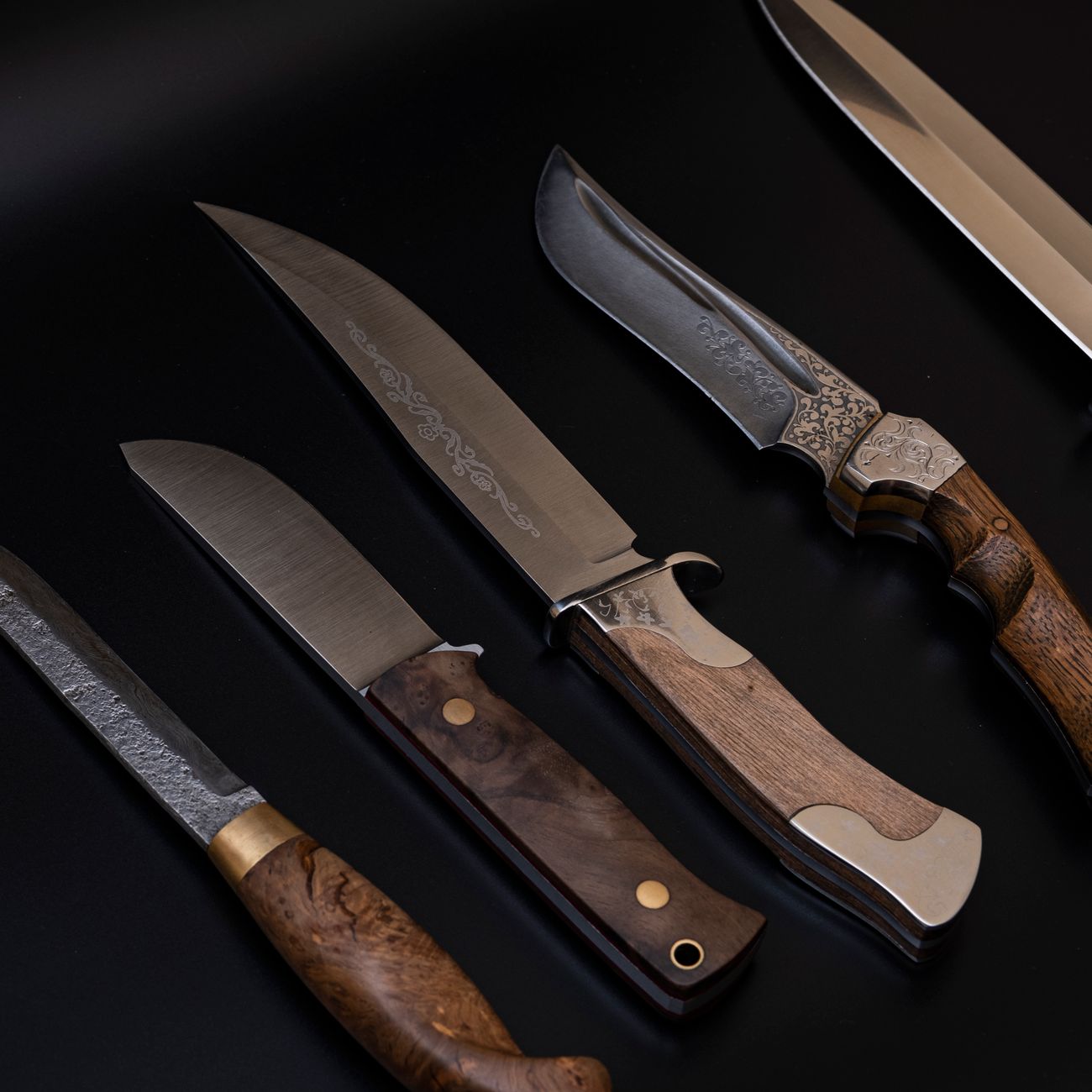
Antique firearm refers to a weapon that was manufactured before a specific cutoff date established by law, typically 1898 in many jurisdictions, and that is not capable of being readily converted to fire modern ammunition. The definition is crucial because it determines whether the item is subject to the same licensing and registration requirements as contemporary firearms. For example, a 1870 single‑action revolver with original black‑powder cartridges is generally classified as an antique, whereas a 1900‑era revolver that can be rechambered for modern cartridges may be excluded from the antique category.
Firearm is a broader term encompassing any weapon that expels a projectile by the action of an explosive. Federal statutes, such as the Gun Control Act (GCA) of 1968, define a firearm to include rifles, shotguns, handguns, and any weapon that can be readily converted to fire ammunition, but they also carve out specific exemptions for antique firearms. Understanding this definition is essential for distinguishing which legal obligations apply.
National Firearms Act (NFA) is a cornerstone of U.S. Federal firearms regulation, imposing registration, taxation, and transfer requirements on certain classes of weapons, including short‑barreled rifles (SBRs), short‑barreled shotguns (SBSs), suppressors, and machine guns. While most antique firearms are exempt from the NFA, certain antique designs that fall within the NFA’s scope—such as a pre‑1898 fully automatic weapon—must still be registered and taxed. Students must be able to identify when an antique firearm is also an NFA item.
Collector’s permit is a state‑issued authorization that allows individuals to possess, display, and sometimes transfer antique firearms without the standard licensing requirements imposed on modern firearms. The criteria for obtaining such a permit usually include proof of expertise, a clean criminal record, and a documented collection plan. Practical application: A museum curator with a collector’s permit can legally acquire a 19th‑century musket for exhibition, whereas a private individual without the permit would be prohibited from doing so.
Bona fide collector is a legal term used in many state statutes to describe a person who acquires antique firearms primarily for historical, educational, or curatorial purposes rather than for functional use. Demonstrating bona fide collector status often requires submitting a detailed inventory, letters of recommendation, and evidence of participation in recognized collector organizations. Challenges arise when authorities question the intent behind a purchase, particularly if the firearm could be readily converted to fire modern ammunition.
Serial number is a unique identifier stamped or engraved on a firearm. For antique firearms, serial numbers may be absent, illegible, or applied after the fact. In many jurisdictions, the presence of a serial number can affect the classification of a weapon; for instance, an antique rifle with a post‑1898 serial number may be deemed a modern firearm and thus subject to registration. Practical example: A collector who discovers a forged serial number on a purported antique must report the discrepancy to avoid legal penalties.
Provenance refers to the documented history of an artifact, including its origin, ownership chain, and any restoration work performed. In the context of antique firearms, establishing provenance is essential for both legal compliance and market valuation. Accurate provenance can demonstrate lawful acquisition, which is a key factor in satisfying statutory requirements for importation and interstate transfer. A lack of provenance may raise suspicion of illicit trafficking, leading to seizure and prosecution.
Import license is a federal authorization required to bring antique firearms into the United States from foreign sources. The U.S. Department of State, through the Office of Defense Trade Controls, oversees the issuance of such licenses, often in coordination with the Bureau of Alcohol, Tobacco, Firearms and Explosives (ATF). The license specifies the allowed quantity, type, and condition of the firearms. For example, an importer seeking to bring a batch of 1850s breech‑loading rifles must demonstrate that each item meets the antique criteria and provide supporting documentation, such as original purchase receipts.
Export control regulations govern the removal of antique firearms from the United States. The International Traffic in Arms Regulations (ITAR) and the Export Administration Regulations (EAR) may apply, depending on the classification of the firearm. While many antique firearms are exempt from strict export controls, certain historically significant pieces—especially those with unique markings or associated with notable figures—may be subject to additional licensing. Failure to secure the appropriate export license can result in severe civil and criminal penalties.
Transfer in legal terminology denotes the conveyance of ownership or possession of a firearm from one party to another. For antique firearms, transfer requirements vary by jurisdiction. Some states require a simple bill of sale, while others mandate a formal transfer record filed with a state agency. Federal law may also impose requirements if the transfer crosses state lines, especially when the firearm is not classified as an antique. Practical scenario: A collector in State A sells a 1860s percussion rifle to a buyer in State B; the parties must verify that both states recognize the weapon as an antique and comply with any interstate transfer reporting obligations.
Sale is a subset of transfer that involves a monetary transaction. Retailers dealing in antique firearms often operate under a “dealer” license, which may be distinct from a standard firearms dealer license because of the antique exemption. However, dealers must still maintain accurate records, including the buyer’s name, address, and the firearm’s description. In many cases, a dealer must retain these records for a minimum of five years, providing a trail for law‑enforcement verification.
Possession refers to the physical control of a firearm, regardless of ownership. Legal statutes frequently differentiate between lawful possession (e.G., A licensed collector) and unlawful possession (e.G., A prohibited person). For antique firearms, possession laws can be more lenient, but certain restrictions remain, such as prohibitions on carrying loaded antique firearms in public spaces. Challenges emerge when a collector travels with an antique firearm across state lines; the collector must be aware of varying state possession rules to avoid inadvertent violations.
Deferred possession is a legal concept allowing an individual to take physical custody of a firearm after a transfer but before receiving formal registration or licensing. This arrangement is common in estate situations where an heir inherits an antique firearm pending probate. The heir may be permitted to store the firearm securely while the legal process completes. However, the heir must ensure that the firearm is not accessible to prohibited persons during the deferment period.
Civil penalties are monetary fines imposed for non‑compliance with firearms regulations, distinct from criminal penalties which may include imprisonment. For example, failure to maintain proper documentation for an antique firearm transfer can result in a civil penalty of up to $5,000 per violation, depending on the jurisdiction. Such penalties serve as a deterrent and underscore the importance of meticulous record‑keeping.
Criminal liability arises when a person knowingly violates a firearms statute, such as transferring an antique firearm to a prohibited individual or falsifying provenance. Penalties can range from misdemeanor charges to felony convictions, especially when the violation involves firearms that are also classified under the NFA. A practical illustration: A collector who knowingly provides a 19th‑century rifle to a person with a felony conviction may face both civil fines and criminal prosecution.
Chain of custody is a documented sequence of custody, control, transfer, and disposition of a firearm. In the antique firearms market, establishing a clear chain of custody is vital for both legal compliance and authenticity verification. Each link in the chain should include dates, parties involved, and supporting documentation such as bills of sale or auction records. Disruptions in the chain can lead to legal challenges, especially if the firearm is suspected of being stolen or illegally imported.
Documentation encompasses all paperwork associated with an antique firearm, including acquisition receipts, appraisal reports, restoration logs, and export/import licenses. Proper documentation not only satisfies regulatory requirements but also enhances the firearm’s value to collectors. For instance, a well‑documented 1851 rifle may command a premium at auction because buyers can verify its authenticity and legal status.
Restoration refers to the process of returning an antique firearm to its original condition, often involving cleaning, metalwork, and the replacement of missing components. While restoration can improve a firearm’s aesthetic and functional qualities, it may also affect its legal classification. Certain jurisdictions consider heavily modified antique firearms as “non‑antique” if the modifications enable the use of modern ammunition. Therefore, restorers must be mindful of the extent and nature of alterations.
Historical significance is a qualitative assessment used by courts and regulatory agencies to determine whether a firearm qualifies for special exemptions. A firearm linked to a notable historical event, person, or technological milestone may be granted “relic” status, affording it broader protection from restrictive statutes. For example, an 1848 percussion cap rifle owned by a known Civil War officer could be deemed historically significant, facilitating its import under a special exemption.
Recoil (note: Not a legal term but a technical one) is sometimes referenced in legal contexts when describing the functional capabilities of an antique firearm. Certain statutes differentiate firearms based on the energy they can generate; a low‑recoil antique may be considered less dangerous, influencing sentencing guidelines in cases of unlawful discharge. While this term is peripheral, understanding its relevance helps in interpreting legal language accurately.
Exempt firearm is a category of weapon that is excluded from standard licensing and registration requirements. Exemptions commonly apply to antique firearms, certain muzzle‑loading weapons, and firearms used for ceremonial purposes. The precise definition of “exempt” varies by state; some states may list specific models or eras, while others rely on functional criteria such as the inability to fire modern cartridges. Practically, an exempt firearm can be transferred without a background check, but the parties must still retain proof of exemption.
Firearms registry is a governmental database that records information about firearms, including make, model, serial number, and owner. Most antique firearms are not required to be entered into a registry, but certain jurisdictions maintain a “relic” registry for historical weapons. Registration may be mandatory for antique firearms that also fall under the NFA, such as an 1890 machine gun that can be converted to fire modern ammunition. Maintaining accurate registry entries helps law enforcement trace firearms in investigations.
State law governs the regulation of antique firearms at the sub‑national level. While federal law provides a baseline, states can impose additional restrictions, such as prohibiting the possession of any antique firearm in certain public venues or requiring a state‑level collector’s permit. Students must compare and contrast differing state statutes to understand the mosaic of legal requirements. For example, State X may allow open carry of antique rifles in rural areas, whereas State Y bans all firearm possession in public parks, regardless of age.
Local ordinance refers to municipal or county regulations that may further restrict antique firearm activities. Some localities enact “no‑gun zones” that apply to all firearms, including antiques, while others adopt “historical preservation” policies that encourage the display of antique firearms in museums. Compliance with local ordinances is essential for collectors who participate in community events, such as historical reenactments, where the presence of an antique firearm may otherwise be prohibited.
Interstate commerce involves the movement of goods across state lines and is regulated by the Commerce Clause of the U.S. Constitution. When an antique firearm is shipped from one state to another, federal regulations may apply, especially if the firearm does not meet the strict antique exemption. The ATF requires a “Form 4473” in many cases for interstate transfers, unless the firearm is unequivocally classified as an antique. Understanding the interplay between federal and state rules is critical for lawful interstate transactions.
Firearms tracing is a law‑enforcement technique used to track the history of a firearm from manufacture to its current possessor. Although most antique firearms lack modern serial numbers, tracing can still be performed using provenance documents, dealer records, and historical registries. Effective tracing assists in recovering stolen antiques and in verifying the legitimacy of a collector’s acquisition. Challenges arise when documentation is incomplete or falsified, impeding the tracing process.
Custodial storage denotes the secure keeping of an antique firearm by a third party, such as a bank vault or a specialized firearms storage facility. Custodial storage may be required by law in certain circumstances, such as when a collector is prohibited from possessing the firearm directly due to temporary legal restrictions. The storage provider must meet specific security standards, and the collector remains legally responsible for the firearm’s condition and compliance.
Legal possession age is the minimum age at which an individual may lawfully own or possess an antique firearm. Federal law typically sets this age at 18 for most firearms, but some states raise the threshold to 21 for any firearm, including antiques. Collectors must be aware of age restrictions when transferring firearms to younger family members or apprentices. For instance, a 17‑year‑old may be allowed to handle a museum piece under adult supervision, but cannot be listed as the owner in official records.
Prohibited person is a legal term describing individuals barred from possessing firearms due to criminal convictions, mental health adjudications, restraining orders, or status as a felon. Even though many antique firearms are exempt from certain licensing requirements, prohibited persons are generally barred from any firearm possession, including antiques, unless a specific statutory exception applies. A collector must conduct due‑diligence checks before transferring an antique firearm to ensure the recipient is not a prohibited person.
Background check is a vetting process conducted by the National Instant Criminal Background Check System (NICS) to determine if a prospective firearm owner is a prohibited person. For antique firearms, a background check is often not required if the firearm meets the antique exemption. However, some states mandate a check regardless of age, especially for transfers involving high‑value or historically significant pieces. Practical application: A dealer in State Z must run a NICS check for every sale, even if the item is classified as an antique under federal law.
Firearms safety training is an educational program that teaches proper handling, storage, and transportation of firearms. While not always legally mandated for antique firearms, many collector societies require members to complete safety training before granting access to club ranges or lending firearms for reenactments. Training reduces the risk of accidental discharge, which can lead to criminal charges if an unintentional injury occurs.
Reenactment exemption is a statutory provision allowing participants in historical reenactments to use antique firearms that would otherwise be restricted. The exemption typically requires that the firearms be loaded with period‑appropriate ammunition (e.G., Black powder) and that the event be approved by a governing body. Participants must maintain records of the event, the firearms used, and the ammunition type to demonstrate compliance. Violations of the exemption can result in revocation of the privilege and possible legal sanctions.
Firearms trafficking is the illegal distribution of firearms, including antiques, across jurisdictions or to prohibited persons. Trafficking networks may exploit the antique exemption to obscure the movement of modernizable weapons. Law‑enforcement agencies monitor patterns such as frequent interstate sales of high‑value antiques, rapid turnover of items without proper documentation, or sales to known criminal elements. Understanding trafficking indicators helps collectors avoid inadvertent involvement in illicit activities.
Forensic ballistics involves the scientific analysis of firearm discharge evidence, such as bullet markings and cartridge case impressions. Although antique firearms often use black‑powder or cap‑and‑ball ammunition, forensic ballistics can still be applied to link a projectile to a specific weapon. In legal proceedings, forensic ballistics may be used to prove that an antique firearm was used in a crime, thereby overriding the usual exemption status. Collectors should be aware that the mere possession of an antique firearm does not immunize them from forensic scrutiny.
Import quota is a limit imposed by the government on the number of certain items that may be brought into the country during a given period. For antique firearms, import quotas are rarely restrictive, but certain historically significant pieces may be subject to limited entry permits. Importers must apply for a quota allocation and demonstrate compliance with both customs and ATF regulations. Failure to obtain a quota can result in the seizure of the firearms upon arrival.
Export documentation includes the commercial invoice, export license, end‑user certificate, and any relevant historical certificates required to legally ship antique firearms abroad. Accurate export documentation ensures that the destination country’s import requirements are satisfied and that the firearms do not fall under prohibited categories. An exporter who neglects to provide a valid end‑user certificate may face penalties for violating both U.S. Export controls and foreign laws.
Dealer license is a state‑issued credential that authorizes an individual or business to engage in the wholesale or retail sale of firearms. For antique firearms, many states issue a “collector‑dealer” license, which may have reduced fees and reporting obligations compared to a standard dealer license. The license typically requires background checks, fingerprinting, and the maintenance of a secure inventory. Dealers must also track sales of antique firearms separately from modern firearms to comply with record‑keeping statutes.
Record‑keeping requirement mandates that dealers and collectors retain documentation of each acquisition, transfer, and disposal of a firearm for a prescribed period, often three to five years. For antique firearms, the records may include provenance, appraisal reports, and any conservation work performed. Proper record‑keeping facilitates compliance audits and aids investigators in tracing firearms. Non‑compliance can trigger administrative fines and, in severe cases, suspension of the dealer’s license.
Firearms tax stamp is a physical indication, often a metal plate or engraving, affixed to a firearm to certify that the required federal excise tax has been paid. While most antique firearms are exempt from the tax, those that fall under the NFA—such as an antique fully automatic weapon—must bear a tax stamp. The presence of a tax stamp serves as proof of compliance and is essential for legal ownership and transfer.
Firearms exhibition is a public display of antique firearms, often hosted by museums, historical societies, or collector clubs. Exhibitions may be subject to special permits, especially when the firearms are displayed in a manner that could be construed as encouraging use. Organizers must ensure that all displayed firearms are either inert, deactivated, or securely stored, and that proper signage indicates the historical nature of the pieces. Failure to secure the appropriate permits can result in liability for the hosting organization.
Deactivation refers to the permanent alteration of a firearm to render it incapable of firing. Deactivated antique firearms are often used in educational settings because they alleviate legal concerns while preserving historical authenticity. Deactivation typically involves removing the firing pin, welding the barrel closed, or other irreversible modifications. Some jurisdictions require that deactivation be performed by a certified gunsmith and that a certificate of deactivation be issued.
Firearms insurance provides financial protection against loss, theft, or damage to a collection. For antique firearms, insurance policies may require detailed appraisals, photographs, and provenance documentation. Insurers often differentiate between “standard” coverage for modern firearms and “specialty” coverage for historical artifacts, reflecting the higher valuation and unique risk profile of antiques. Failure to maintain adequate insurance can result in significant financial loss if a collection is compromised.
Legal precedent consists of prior court decisions that interpret firearms statutes and shape future rulings. In the realm of antique firearms, landmark cases have clarified the boundaries of the antique exemption, the applicability of the NFA, and the responsibilities of collectors. For instance, a federal appellate decision may hold that a 1890 rifle, despite being pre‑1898, is not exempt because it can be readily converted to fire modern cartridges. Students must study such precedents to anticipate how courts may rule in ambiguous situations.
Statutory interpretation is the process by which courts determine the meaning of legislative language. When statutes use terms like “antique” or “historically significant,” judges examine legislative history, dictionary definitions, and the purpose of the law. Understanding statutory interpretation helps collectors anticipate how ambiguous provisions may be applied. For example, a clause stating that “any firearm manufactured before 1900” may be interpreted to exclude weapons that have been extensively modified after that date.
Regulatory agency refers to the governmental body tasked with enforcing firearms laws, primarily the ATF at the federal level and state licensing boards at the state level. These agencies issue guidance documents, conduct inspections, and adjudicate violations. Interaction with regulatory agencies often involves submitting forms, responding to inquiries, and complying with audit findings. Maintaining a cooperative relationship can facilitate smoother licensing processes and reduce the likelihood of punitive actions.
Lawful acquisition is the process by which a collector obtains an antique firearm in compliance with all applicable statutes. This includes verifying the seller’s authority to transfer, confirming the firearm’s classification, and completing any required licensing or registration steps. A lawful acquisition may also involve obtaining a certificate of authenticity from a recognized expert, which supports the firearm’s historical validity and helps satisfy legal requirements.
Illicit acquisition occurs when an antique firearm is obtained through illegal means, such as theft, smuggling, or fraudulent documentation. Illicit acquisitions pose significant legal risks, including criminal prosecution, forfeiture, and civil liability. Collectors must exercise due diligence, including background checks on sellers, verification of provenance, and scrutiny of any unusual price differentials that may signal illicit activity.
Restoration ethics is a set of principles guiding how collectors approach the repair and preservation of antique firearms. Ethical restoration seeks to retain original materials, avoid unnecessary alterations, and document any changes made. Over‑restoration can diminish a firearm’s historical value and may trigger re‑classification under the law, especially if the weapon becomes capable of firing modern ammunition. Collectors should balance functional interest with preservation of authenticity.
Firearms appraisal is an expert evaluation of a firearm’s monetary and historical value. Appraisers consider factors such as rarity, condition, provenance, and market demand. A formal appraisal is often required for insurance purposes, estate planning, and legal disputes. Accurate appraisals also aid in establishing the authenticity of an antique firearm, which is essential for compliance with import and export regulations.
Documentation verification involves the systematic review of all paperwork associated with an antique firearm to confirm its legitimacy. This process may include cross‑checking purchase receipts against dealer records, confirming the authenticity of provenance certificates, and validating any restoration reports. Verification is a critical step before any transfer, sale, or exhibition, as it helps prevent inadvertent violations of firearms law.
Legal disclaimer is a statement that clarifies the scope of liability for information provided in publications, presentations, or online resources. In the context of antique firearms education, a disclaimer may note that the material is for informational purposes only and does not constitute legal advice. Collectors should seek professional counsel for specific legal questions, as statutes vary widely across jurisdictions.
Compliance audit is an examination conducted by a regulatory agency or an independent auditor to assess whether a collector or dealer meets statutory obligations. Audits may review records, licensing status, storage conditions, and transaction histories. Findings can result in corrective actions, fines, or, in extreme cases, suspension of licensing privileges. Preparing for audits involves maintaining organized files, updating licenses promptly, and ensuring that all firearms are correctly classified.
Legal research is the systematic investigation of statutes, regulations, case law, and administrative rulings to determine the applicable legal framework. For antique firearm professionals, legal research is essential to stay current with evolving legislation, particularly as states periodically revise their definitions of “antique” and “collector.” Effective research utilizes official government websites, legal databases, and direct communication with regulatory agencies.
Risk assessment is the process of identifying, evaluating, and mitigating potential legal and safety hazards associated with owning or handling antique firearms. A thorough risk assessment examines factors such as the firearm’s condition, the collector’s expertise, storage security, and the regulatory environment. By proactively addressing identified risks, collectors can reduce the likelihood of accidents, legal violations, and financial loss.
Firearms education program is an organized curriculum designed to teach safe handling, historical context, and legal responsibilities related to antique firearms. Programs may be offered by museums, historical societies, or academic institutions, and often culminate in certification. Participation in an education program can demonstrate a collector’s commitment to responsible stewardship and may be viewed favorably by licensing boards.
Legal counsel refers to an attorney with expertise in firearms law who can advise collectors on compliance, licensing, and dispute resolution. Engaging legal counsel is advisable when navigating complex transactions, such as cross‑border imports, large estate transfers, or challenges arising from law‑enforcement investigations. Counsel can also assist in drafting contracts, interpreting statutes, and representing clients in administrative hearings.
Repatriation is the process of returning an antique firearm to its country of origin, often in response to claims that the item was illicitly removed or exported. International agreements, such as the UNESCO Convention, may obligate collectors to cooperate with repatriation requests. Compliance with repatriation laws demonstrates respect for cultural heritage and helps avoid diplomatic disputes.
Firearms lobbying denotes efforts by interest groups, such as collector associations, to influence legislation affecting antique firearms. Lobbying may involve drafting model statutes, testifying before legislative committees, and mobilizing members to contact elected officials. Understanding the lobbying landscape empowers collectors to participate in policy development and protect favorable legal provisions.
Public policy in the realm of antique firearms balances historical preservation with public safety concerns. Policymakers consider factors such as the risk of conversion to modern ammunition, the cultural value of preserving historical weapons, and the need to prevent illicit trafficking. Engaged collectors can contribute to public policy debates by providing expert testimony and data on the harmless nature of most antique firearms.
Legal liability encompasses both civil and criminal responsibility for actions that violate firearms regulations. Civil liability may arise from negligence leading to injury, while criminal liability stems from intentional violations of statutes. For antique firearms, liability can be mitigated through diligent compliance, proper storage, and thorough documentation, but it cannot be entirely eliminated.
Due diligence is the comprehensive investigation undertaken before acquiring, transferring, or exhibiting an antique firearm. Due diligence includes verifying the seller’s credentials, confirming the firearm’s classification, reviewing provenance, and ensuring that all regulatory requirements are satisfied. Practicing due diligence protects collectors from inadvertent participation in illegal activities and supports ethical stewardship.
Firearms compliance program is an internal set of policies and procedures designed to ensure that an organization or collector meets all applicable legal obligations. A compliance program may outline record‑keeping protocols, staff training requirements, audit schedules, and incident response plans. Implementing a robust compliance program demonstrates a proactive approach to legal adherence and reduces the risk of enforcement actions.
Firearms compliance officer is a designated individual responsible for overseeing adherence to legal standards within a collector’s organization or a dealership. The officer monitors licensing status, conducts internal audits, and serves as the point of contact for regulatory agencies. Having a qualified compliance officer can streamline interactions with authorities and facilitate swift resolution of any compliance concerns.
Firearms transfer form is a standardized document used to record the details of a firearm’s change in ownership. For antique firearms, the form may require fields specific to historical classification, such as the original manufacture date and any known modifications. Accurate completion of the transfer form is essential for maintaining a transparent record trail and for meeting both federal and state reporting obligations.
Firearms exhibition permit is a specific authorization that allows a museum or historical society to display antique firearms publicly. The permit may stipulate security requirements, such as locked display cases, surveillance, and limited public access. Obtaining the permit often involves submitting a detailed inventory, proof of insurance, and a plan for safeguarding the firearms during the exhibition period.
Firearms storage law governs how firearms must be secured to prevent unauthorized access. While many jurisdictions relax storage requirements for antique firearms, some still mandate that they be kept in a locked container or a safe that meets specific standards. Failure to comply with storage laws can result in civil penalties and may be considered negligence if an incident occurs.
Firearms disposal refers to the lawful destruction or transfer of a firearm that is no longer wanted or is deemed unsafe. For antique firearms, disposal may involve deactivation, donation to a museum, or transfer to a licensed collector. Disposal must be documented, and in some cases, a disposal certificate issued by a regulatory agency is required to confirm that the firearm has been rendered permanently inoperable.
Firearms acquisition record is a log that details each firearm added to a collection, including acquisition date, source, purchase price, and supporting documentation. Maintaining an acquisition record facilitates compliance with reporting statutes, eases appraisal processes, and provides a clear history for future owners. The record should be updated promptly after each acquisition to ensure accuracy.
Firearms export license is a federal authorization required to ship antique firearms out of the United States. The license outlines the destination, end‑user, and purpose of the export. Exporters must provide evidence that the receiving party is authorized to receive the antique firearm and that the transaction complies with both U.S. And foreign regulations. Failure to secure an export license can lead to seizure and penalties.
Firearms import restriction includes any limitation that prevents certain antique firearms from entering the United States. Restrictions may be based on the firearm’s age, design, or association with prohibited activities. For instance, an antique firearm that incorporates a suppressor mechanism may be barred from import due to its classification as a modern accessory. Importers must verify that the firearm is not subject to any restriction before proceeding.
Firearms trade association is an organization that represents the interests of collectors, dealers, and manufacturers. Trade associations often provide resources on compliance, host conferences, and lobby for favorable legislation. Membership in a reputable association can enhance credibility and provide networking opportunities for professionals engaged in the antique firearms market.
Firearms legal definition is the precise wording used in statutes to delineate what constitutes a firearm, an antique firearm, an NFA item, and other classifications. The legal definition determines the scope of regulatory requirements. For example, the definition may specify that a “firearm” includes any weapon that expels a projectile by combustion, but excludes “any weapon which is not designed or redesigned for the purpose of firing a projectile using a combustible propellant.” Understanding these nuances prevents misclassification.
Firearms regulation compliance checklist is a practical tool that lists all the steps a collector must take to remain in legal conformity. Items on the checklist may include verifying antique status, obtaining necessary permits, maintaining records, conducting background checks where required, and ensuring secure storage. Regularly reviewing the checklist helps mitigate the risk of oversight.
Firearms legal research database is an online repository that aggregates statutes, regulations, case law, and agency guidance related to firearms. Utilizing a reputable database enables collectors to stay informed about changes in the law, interpret ambiguous provisions, and access primary source material for reference. Many legal research databases offer alerts that notify users of new developments in antique firearms law.
Firearms compliance training is an instructional program that educates staff, volunteers, or members on the legal obligations associated with antique firearms. Training may cover topics such as record‑keeping, licensing, safe handling, and reporting requirements. Effective compliance training reduces the likelihood of inadvertent violations and fosters a culture of responsibility within an organization.
Firearms heritage preservation is the practice of safeguarding antique firearms as cultural artifacts. Preservation includes proper conservation techniques, documentation of historical context, and public education. While heritage preservation focuses on the historical value, it must coexist with legal frameworks that regulate possession and transfer. Balancing preservation with compliance ensures that these artifacts remain accessible for future generations.
Firearms statute of limitations defines the time period within which legal actions can be initiated against a violation. For certain firearms offenses, the statute of limitations may be extended, especially when the violation involves the concealment of illicit activity. Collectors should be aware that certain infractions, such as failure to report a prohibited transfer, can be prosecuted years after the event.
Firearms legal precedent database compiles judicial decisions that have shaped the interpretation of firearms law. Access to this database allows collectors and legal professionals to research how courts have ruled on issues like the antique exemption, the scope of the NFA, and the applicability of state restrictions. Analyzing precedent assists in predicting outcomes of potential legal disputes.
Firearms compliance risk matrix is a visual tool that categorizes potential compliance risks by likelihood and impact. Risks may include accidental discharge, unauthorized transfer, or documentation errors. By plotting each risk on the matrix, collectors can prioritize mitigation strategies, allocate resources effectively, and develop contingency plans for high‑impact scenarios.
Firearms licensing renewal is the periodic process of updating a license to remain valid. Renewal requirements often involve submitting updated records, paying fees, and confirming continued compliance with training or storage standards. Missing a renewal deadline can result in a lapse of authority, rendering any subsequent transfers illegal. Collectors should set reminders well in advance of renewal dates.
Firearms legal counsel retainer is an arrangement where an attorney provides ongoing legal services for a fixed fee. Retainers are useful for collectors who regularly engage in transactions, navigate complex import/export rules, or require advice on evolving statutes. A retainer ensures timely access to expert counsel, reducing the risk of costly legal errors.
Firearms documentation audit trail is a chronological record of all documents related to a firearm’s lifecycle, from acquisition to disposition. An audit trail provides transparency, facilitates verification, and supports compliance during regulatory inspections. Maintaining a clear audit trail is especially important when dealing with high‑value or historically significant antique firearms.
Firearms legal compliance certification is a formal acknowledgement issued by a regulatory agency or accredited organization confirming that a collector or dealer meets all applicable legal standards. Certification may be required for participation in certain events, such as national gun shows or historical reenactments. Achieving certification demonstrates a commitment to lawful and ethical practices.
Firearms inventory management system is a software solution designed to track the location, condition, and status of each firearm in a collection. An effective inventory system can generate reports for audits, flag items that require maintenance, and integrate with compliance checklists. For large collections, a digital inventory system streamlines record‑keeping and enhances security.
Firearms historical research involves investigating the origins, usage, and cultural context of a firearm. Historical research supports provenance claims, informs restoration decisions, and enriches educational programming. Researchers may consult archives, military records, and contemporary accounts to construct a comprehensive narrative for each antique piece.
Firearms legal terminology glossary provides concise definitions of key terms used in statutes, regulations, and case law. A glossary serves as a quick reference for students, collectors, and legal professionals, ensuring consistent understanding of concepts such as “antique firearm,” “NFA item,” and “collector’s permit.” Maintaining an up‑to‑date glossary aids in accurate communication and reduces misinterpretation.
Firearms compliance management software integrates licensing data, record‑keeping, audit scheduling, and reporting functionalities into a single platform. The software can automate reminders for license renewals, generate compliance reports for regulatory submissions, and store digital copies of documentation. Adoption of compliance software improves efficiency and reduces the likelihood of human error.
Firearms legal audit is a systematic review conducted by an independent expert to assess whether a collector’s practices align with current laws. An audit examines licensing status, documentation accuracy, storage security, and transaction histories. Findings from a legal audit can guide corrective actions, enhance compliance, and provide assurance to stakeholders.
Firearms regulatory compliance officer is a professional tasked with overseeing adherence to firearms statutes within an organization. The officer monitors changes in legislation, conducts internal training, and liaises with government agencies. By centralizing compliance responsibilities, the organization can respond swiftly to regulatory updates and maintain a strong compliance posture.
Firearms ethical acquisition policy outlines the principles guiding the purchase of antique firearms, emphasizing transparency, provenance verification, and avoidance of illicit sources. The policy may require that all acquisitions be reviewed by a compliance committee, that sellers provide verifiable documentation, and that the collection’s historical objectives be upheld. Implementing an ethical acquisition policy reinforces the integrity of the collection.
Key takeaways
- For example, a 1870 single‑action revolver with original black‑powder cartridges is generally classified as an antique, whereas a 1900‑era revolver that can be rechambered for modern cartridges may be excluded from the antique category.
- Firearm is a broader term encompassing any weapon that expels a projectile by the action of an explosive.
- Federal firearms regulation, imposing registration, taxation, and transfer requirements on certain classes of weapons, including short‑barreled rifles (SBRs), short‑barreled shotguns (SBSs), suppressors, and machine guns.
- Collector’s permit is a state‑issued authorization that allows individuals to possess, display, and sometimes transfer antique firearms without the standard licensing requirements imposed on modern firearms.
- Bona fide collector is a legal term used in many state statutes to describe a person who acquires antique firearms primarily for historical, educational, or curatorial purposes rather than for functional use.
- In many jurisdictions, the presence of a serial number can affect the classification of a weapon; for instance, an antique rifle with a post‑1898 serial number may be deemed a modern firearm and thus subject to registration.
- Accurate provenance can demonstrate lawful acquisition, which is a key factor in satisfying statutory requirements for importation and interstate transfer.