
Dry Dock Scheduling
Dry dock scheduling is a complex process that involves planning and managing the maintenance and repair of ships in a dry dock. The process requires careful consideration of various factors, including the type of ship, the extent of repairs…
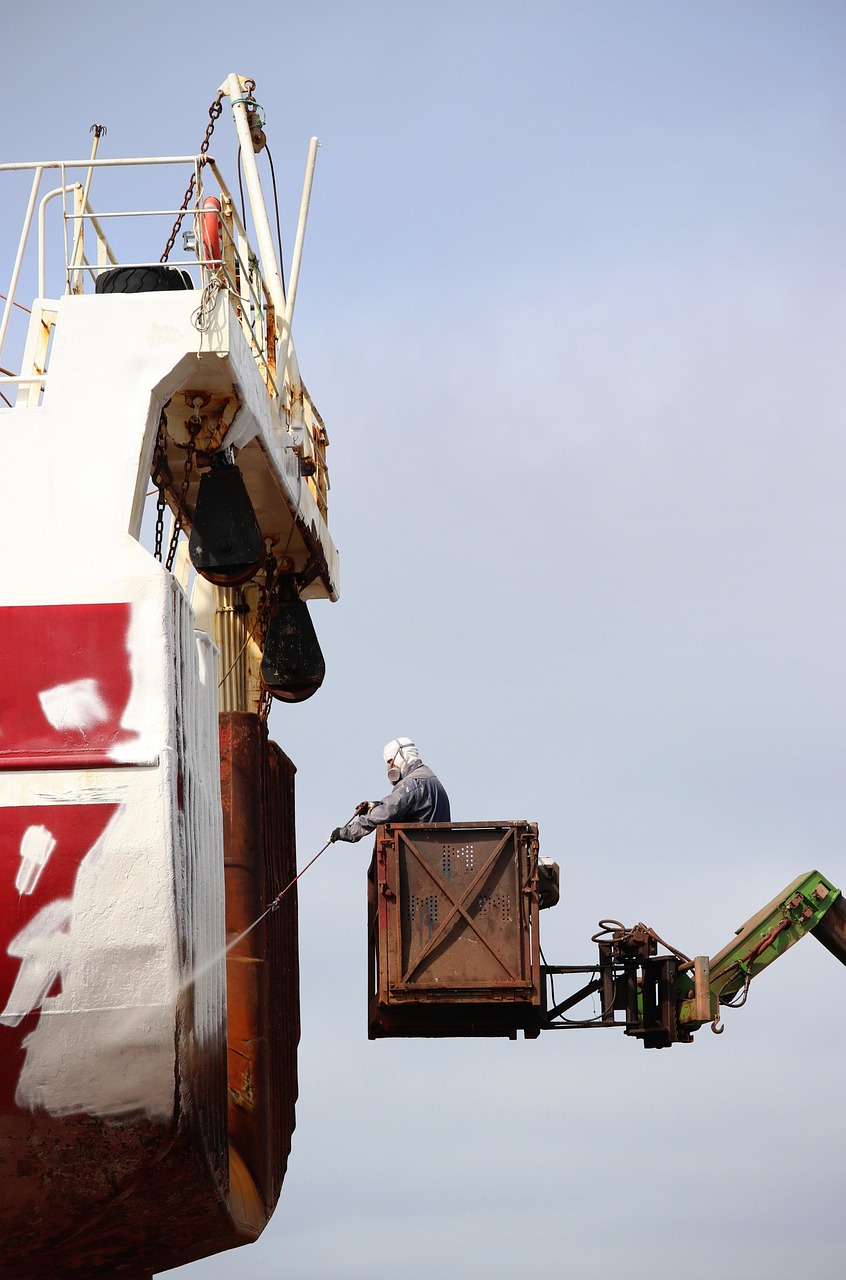
Dry dock scheduling is a complex process that involves planning and managing the maintenance and repair of ships in a dry dock. The process requires careful consideration of various factors, including the type of ship, the extent of repairs needed, and the availability of resources such as labor and equipment. One key term in dry dock scheduling is berth allocation, which refers to the assignment of a specific dry dock to a ship for a specified period of time. This allocation is critical to ensuring that the ship is properly positioned for repairs and that the dry dock is utilized efficiently.
Another important concept in dry dock scheduling is the ship repair cycle, which encompasses all the activities involved in repairing and maintaining a ship, from initial inspection to final completion. This cycle typically includes activities such as hull inspection, propeller repair, and coating application. The ship repair cycle can be divided into several phases, including the planning phase, the execution phase, and the completion phase. Each phase requires careful planning and coordination to ensure that the repairs are completed on time and within budget.
Dry dock scheduling also involves managing the workforce and equipment required to perform the repairs. This includes labor planning, which involves determining the number of workers needed to complete the repairs, as well as equipment planning, which involves selecting the necessary tools and machinery. The workforce and equipment must be carefully managed to ensure that the repairs are completed efficiently and safely.
The dry dock itself is a critical component of the scheduling process. The dry dock must be large enough to accommodate the ship, and it must be equipped with the necessary cranes and other equipment to facilitate the repairs. The dry dock must also be properly ventilated to ensure a safe working environment for the workers. The dry dock can be either a graving dock, which is a traditional dry dock that uses gates to flood and drain the dock, or a floating dry dock, which is a mobile dry dock that can be towed to different locations.
In addition to the physical dry dock, the scheduling process also involves managing the materials and supplies needed to complete the repairs. This includes steel plates, welding rods, and other equipment and tools required to perform the repairs. The materials and supplies must be carefully managed to ensure that they are available when needed and that they are used efficiently.
The planning phase of the dry dock scheduling process is critical to ensuring that the repairs are completed on time and within budget. This phase involves estimating the time and resources required to complete the repairs, as well as scheduling the workforce and equipment needed to perform the repairs. The planning phase also involves coordinating with other stakeholders, such as the ship owner and the classification society, to ensure that all parties are aware of the repair schedule and requirements.
The execution phase of the dry dock scheduling process involves the actual performance of the repairs. This phase requires careful monitoring of the repair process to ensure that the repairs are completed on time and to the required standard. The execution phase also involves managing the workforce and equipment to ensure that they are used efficiently and safely.
The completion phase of the dry dock scheduling process involves the final inspection and testing of the repairs to ensure that they meet the required standards. This phase also involves obtaining certification from the classification society and other regulatory bodies to confirm that the ship is seaworthy and compliant with all relevant regulations.
Dry dock scheduling also involves managing the risks associated with the repair process. This includes identifying potential hazards, such as falls from heights or electric shocks, and implementing controls to mitigate these risks. The risks must be carefully managed to ensure that the workers are safe and that the repairs are completed efficiently.
In addition to the technical aspects of dry dock scheduling, the process also involves managing the costs associated with the repairs. This includes estimating the costs of labor, materials, and equipment, as well as managing the budget to ensure that the repairs are completed within the allocated funds. The costs must be carefully managed to ensure that the repairs are completed efficiently and that the ship owner receives value for money.
The ship owner plays a critical role in the dry dock scheduling process. The ship owner is responsible for providing information about the ship, including its dimensions and configuration, as well as the type and extent of repairs needed. The ship owner must also approve the repair schedule and budget, and monitor the progress of the repairs to ensure that they are completed on time and to the required standard.
The classification society also plays a critical role in the dry dock scheduling process. The classification society is responsible for verifying that the repairs meet the required standards, and for issuing certification to confirm that the ship is seaworthy and compliant with all relevant regulations. The classification society must be involved in the planning and execution phases of the repair process to ensure that the repairs are completed to the required standard.
The regulatory framework is also an important consideration in dry dock scheduling. The regulatory framework includes laws and regulations that govern the repair process, such as those related to safety and environmental protection. The regulatory framework must be carefully considered in the planning and execution phases of the repair process to ensure that the repairs are completed in compliance with all relevant regulations.
In practice, dry dock scheduling involves a range of challenges, including delays and disruptions to the repair schedule. These challenges can be caused by a range of factors, including weather conditions, equipment failures, and labor shortages. The challenges must be carefully managed to ensure that the repairs are completed on time and within budget.
To overcome these challenges, dry dock schedulers use a range of tools and techniques, including software applications and planning methodologies. These tools and techniques help to streamline the repair process, and to optimize the use of resources such as labor and equipment. The tools and techniques must be carefully selected and implemented to ensure that they meet the needs of the repair process.
In addition to the technical and practical aspects of dry dock scheduling, the process also involves a range of soft skills, including communication and teamwork. The dry dock scheduler must be able to communicate effectively with a range of stakeholders, including the ship owner, the classification society, and the workforce. The dry dock scheduler must also be able to work effectively in a team environment, and to manage the workforce and equipment to ensure that the repairs are completed efficiently and safely.
The future of dry dock scheduling is likely to involve a range of developments, including the use of new technologies and innovative repair methods. The use of digital technologies, such as artificial intelligence and blockchain, is likely to become more prevalent in the dry dock scheduling process. These technologies will help to streamline the repair process, and to optimize the use of resources such as labor and equipment.
In terms of best practices, dry dock scheduling involves a range of principles and guidelines that help to ensure that the repairs are completed efficiently and safely. These principles and guidelines include planning carefully, monitoring progress, and managing risks. The principles and guidelines must be carefully followed to ensure that the repairs are completed to the required standard.
The benefits of effective dry dock scheduling are numerous, and include reduced costs, improved efficiency, and enhanced safety. Effective dry dock scheduling also helps to minimize delays and disruptions to the repair schedule, and to maximize the use of resources such as labor and equipment. The benefits must be carefully considered in the planning and execution phases of the repair process to ensure that the repairs are completed efficiently and safely.
In terms of case studies, there are many examples of successful dry dock scheduling projects that demonstrate the benefits of effective planning and management. These case studies include real-world examples of dry dock scheduling in practice, and provide valuable insights into the challenges and opportunities of the repair process. The case studies must be carefully analyzed to identify best practices and lessons learned.
The role of the dry dock scheduler is critical to the success of the repair process. The dry dock scheduler is responsible for planning and managing the repair process, and for coordinating with other stakeholders to ensure that the repairs are completed on time and within budget. The dry dock scheduler must have a range of skills and knowledge, including technical expertise, communication skills, and problem-solving abilities. The dry dock scheduler must be able to work effectively in a team environment, and to manage the workforce and equipment to ensure that the repairs are completed efficiently and safely.
In terms of training and development, dry dock schedulers require a range of skills and knowledge to perform their role effectively. The training and development programs for dry dock schedulers include technical training, management training, and soft skills training. The training and development programs must be carefully designed and delivered to ensure that the dry dock scheduler has the necessary skills and knowledge to perform their role effectively.
The importance of dry dock scheduling cannot be overstated. Effective dry dock scheduling is critical to ensuring that ships are repaired and maintained efficiently and safely, and that they are returned to service on time and within budget. The importance of dry dock scheduling must be carefully considered in the planning and execution phases of the repair process to ensure that the repairs are completed to the required standard.
In terms of research and development, there are many opportunities for innovation and improvement in dry dock scheduling. The research and development activities include investigating new technologies and innovative repair methods, and developing new tools and techniques to support the dry dock scheduling process. The research and development activities must be carefully managed to ensure that they are aligned with the needs of the repair process, and that they deliver practical benefits and value to the ship owner and other stakeholders.
The challenges of dry dock scheduling are numerous, and include delays and disruptions to the repair schedule, as well as risks to the safety of the workforce and the environment. The challenges must be carefully managed to ensure that the repairs are completed on time and within budget, and that the ship is returned to service safely and efficiently. The challenges of dry dock scheduling require careful planning and management to ensure that they are overcome, and that the repairs are completed to the required standard.
The future of dry dock scheduling is likely to be shaped by a range of Factors, including technological advancements, changes in regulatory requirements, and shifts in market demand. The future of dry dock scheduling will require careful planning and management to ensure that the repairs are completed efficiently and safely, and that the ship is returned to service on time and within budget. The future of dry dock scheduling will also require innovation and improvement in the dry dock scheduling process, to ensure that it remains effective and efficient in the face of changing circumstances and requirements.
Key takeaways
- The process requires careful consideration of various factors, including the type of ship, the extent of repairs needed, and the availability of resources such as labor and equipment.
- Another important concept in dry dock scheduling is the ship repair cycle, which encompasses all the activities involved in repairing and maintaining a ship, from initial inspection to final completion.
- This includes labor planning, which involves determining the number of workers needed to complete the repairs, as well as equipment planning, which involves selecting the necessary tools and machinery.
- The dry dock can be either a graving dock, which is a traditional dry dock that uses gates to flood and drain the dock, or a floating dry dock, which is a mobile dry dock that can be towed to different locations.
- In addition to the physical dry dock, the scheduling process also involves managing the materials and supplies needed to complete the repairs.
- The planning phase also involves coordinating with other stakeholders, such as the ship owner and the classification society, to ensure that all parties are aware of the repair schedule and requirements.
- This phase requires careful monitoring of the repair process to ensure that the repairs are completed on time and to the required standard.