
Human Rights and Social Justice (United Kingdom)
Human Rights and Social Justice are crucial concepts that shape the legal and ethical framework of societies around the world. In the United Kingdom, these principles are enshrined in various laws and regulations to protect the rights and d…
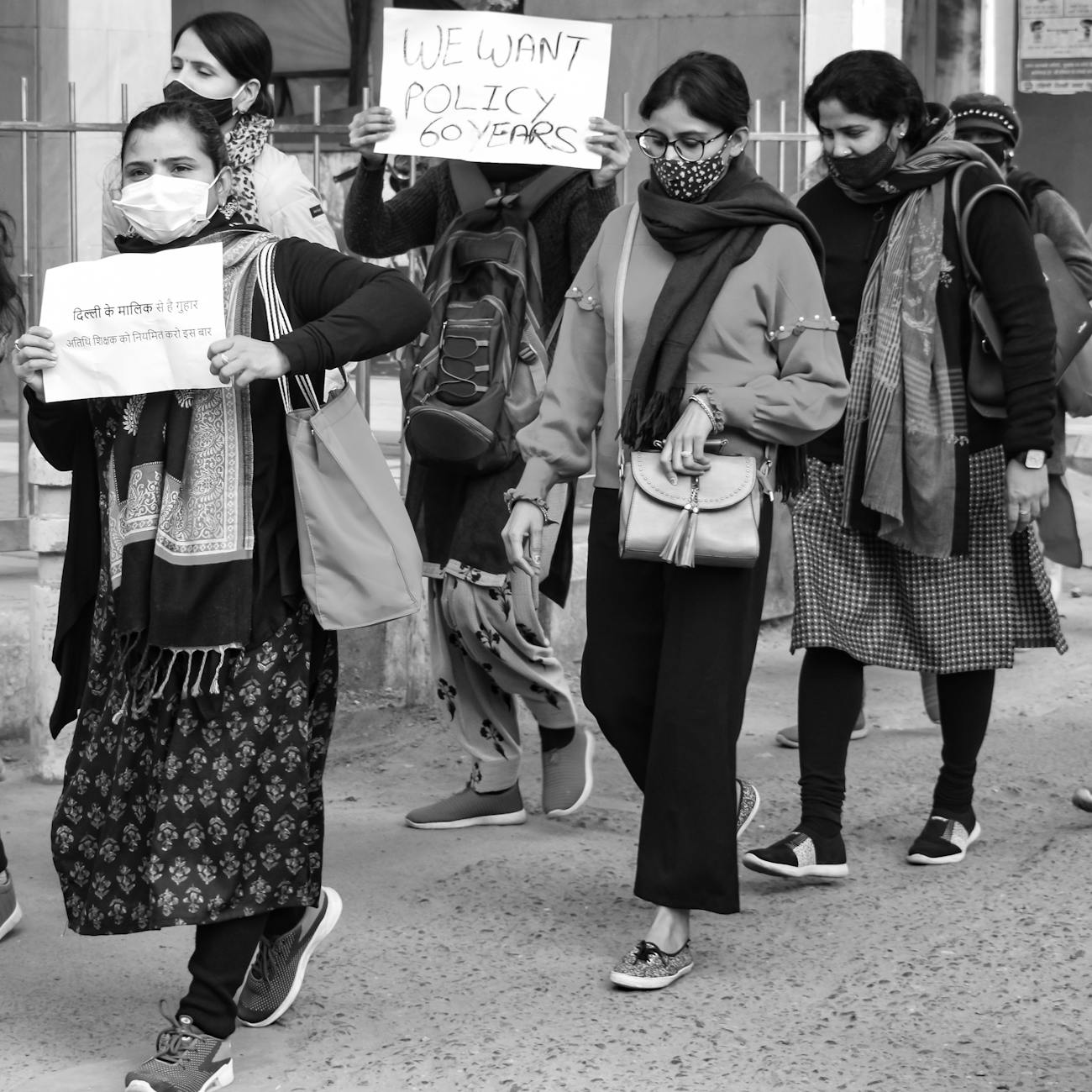
Human Rights and Social Justice are crucial concepts that shape the legal and ethical framework of societies around the world. In the United Kingdom, these principles are enshrined in various laws and regulations to protect the rights and dignity of all individuals. Understanding key terms and vocabulary related to Human Rights and Social Justice is essential for professionals working in fields such as law, journalism, advocacy, and policymaking.
**Human Rights**:
Human Rights are inherent rights that every individual is entitled to by virtue of being human. These rights are universal, inalienable, and indivisible, meaning they apply to everyone without discrimination, cannot be taken away, and are interrelated and interconnected. Human Rights are enshrined in international treaties, national laws, and customary international law. Some key human rights include the right to life, liberty, and security of person; the right to freedom of expression and opinion; the right to education; the right to work and fair wages; and the right to health and social security.
**Social Justice**:
Social Justice refers to the fair and equitable distribution of resources, opportunities, and rights in society. It aims to address inequalities, discrimination, and marginalization based on factors such as race, gender, class, disability, sexual orientation, and religion. Social Justice seeks to create a society where all individuals have equal access to resources and opportunities, and where their human rights are respected and protected. It involves challenging systemic injustices and advocating for policies that promote equality, diversity, and inclusion.
**Key Terms and Vocabulary**:
1. **Equality**: Equality is the principle of treating all individuals fairly and equally, without discrimination or prejudice. It involves ensuring that everyone has the same opportunities and rights, regardless of their background or characteristics.
2. **Discrimination**: Discrimination is the unjust or prejudicial treatment of individuals or groups based on factors such as race, gender, age, disability, religion, or sexual orientation. It can take various forms, including direct discrimination, indirect discrimination, and systemic discrimination.
3. **Diversity**: Diversity refers to the variety of different backgrounds, experiences, and perspectives within a society or organization. Embracing diversity promotes inclusivity and understanding among individuals from different cultural, social, and demographic backgrounds.
4. **Inclusion**: Inclusion is the practice of ensuring that all individuals feel valued, respected, and included in society or within an organization. It involves creating environments where everyone can participate fully and contribute their unique perspectives.
5. **Marginalization**: Marginalization occurs when certain individuals or groups are excluded or pushed to the margins of society, often due to systemic inequalities and discrimination. Marginalized groups may face barriers to accessing resources, opportunities, and rights.
6. **Intersectionality**: Intersectionality is the recognition that individuals may experience multiple forms of discrimination and privilege based on intersecting factors such as race, gender, class, and sexuality. It highlights the complexity of identity and the need to address overlapping forms of oppression.
7. **Human Dignity**: Human Dignity is the inherent worth and value of every individual, regardless of their circumstances or characteristics. Respecting human dignity is essential for upholding human rights and promoting social justice.
8. **Civil and Political Rights**: Civil and Political Rights are rights that protect individuals' freedoms and liberties, such as the right to free speech, freedom of assembly, the right to a fair trial, and the right to vote. These rights are essential for ensuring democratic governance and the rule of law.
9. **Economic, Social, and Cultural Rights**: Economic, Social, and Cultural Rights are rights that guarantee individuals' access to basic necessities such as food, shelter, healthcare, education, and cultural participation. These rights are essential for promoting social and economic equality.
10. **Freedom of Expression**: Freedom of Expression is the right to express opinions, ideas, and information without censorship or restraint. It is a fundamental human right that underpins democracy, public debate, and the exchange of diverse viewpoints.
11. **Right to Education**: The Right to Education is the right of every individual to receive a quality education that is accessible, inclusive, and equitably provided. Education is essential for personal development, social mobility, and economic empowerment.
12. **Right to Work**: The Right to Work is the right of every individual to freely choose their employment, receive fair wages, and work in safe and healthy conditions. It is essential for achieving economic security, social inclusion, and human dignity.
13. **Rule of Law**: The Rule of Law is the principle that all individuals and institutions are subject to and accountable under the law. It ensures that laws are applied equally and fairly, and that justice is administered impartially.
14. **Accountability**: Accountability is the obligation of individuals and institutions to answer for their actions, decisions, and policies. It is essential for promoting transparency, integrity, and respect for human rights.
15. **Justice**: Justice is the principle of upholding fairness, equality, and rights in society. It involves ensuring that individuals receive due process, access to legal remedies, and protection from harm or injustice.
16. **Advocacy**: Advocacy is the act of supporting and promoting a cause, policy, or rights on behalf of individuals or groups. Advocates work to raise awareness, mobilize support, and influence decision-makers to bring about positive change.
17. **Empowerment**: Empowerment is the process of enabling individuals or communities to take control of their lives, make informed decisions, and advocate for their rights. It involves building capacity, confidence, and resilience to overcome challenges and achieve goals.
18. **Sustainability**: Sustainability is the practice of meeting current needs without compromising the ability of future generations to meet their own needs. It involves balancing economic, social, and environmental factors to ensure long-term well-being and prosperity.
19. **Humanitarianism**: Humanitarianism is the belief in promoting human welfare, dignity, and rights, particularly in times of crisis or conflict. Humanitarian efforts aim to alleviate suffering, protect vulnerable populations, and uphold the principles of humanity.
20. **Globalization**: Globalization is the process of interconnectedness and interdependence among nations, economies, cultures, and societies. It has led to increased international cooperation, trade, communication, and migration, as well as new challenges related to human rights and social justice.
**Practical Applications**:
Understanding key terms and vocabulary related to Human Rights and Social Justice is essential for professionals working in various fields, including:
- **Law**: Lawyers, judges, and legal professionals need to be familiar with human rights and social justice concepts to advocate for clients, uphold the rule of law, and ensure justice is served.
- **Journalism**: Journalists play a crucial role in reporting on human rights violations, social injustices, and advocacy efforts. They need to understand key terms to communicate effectively and ethically on these issues.
- **Advocacy**: Advocates and activists work to promote human rights, social justice, and policy change. They use terminology to raise awareness, mobilize support, and hold decision-makers accountable.
- **Policy-making**: Policymakers and government officials develop laws, regulations, and programs that impact human rights and social justice. They rely on key terms to draft effective policies that protect and promote the well-being of all individuals.
- **Non-governmental organizations (NGOs)**: NGOs and civil society organizations work to advance human rights, social justice, and humanitarian causes. They use terminology to conduct research, advocacy campaigns, and programs that benefit marginalized communities.
**Challenges**:
Despite the progress made in promoting human rights and social justice, there are still challenges that need to be addressed:
- **Inequality**: Economic, social, and political inequalities persist in many societies, leading to disparities in access to resources, opportunities, and rights.
- **Discrimination**: Discrimination based on race, gender, religion, disability, sexual orientation, and other factors continues to marginalize individuals and groups, limiting their full participation in society.
- **Violations**: Human rights violations, such as torture, slavery, discrimination, and censorship, occur in various parts of the world, undermining the principles of human dignity and justice.
- **Lack of Accountability**: Some governments, institutions, and individuals evade accountability for human rights abuses, perpetuating impunity and injustice.
- **Climate Change**: Environmental degradation, climate change, and natural disasters pose new challenges to human rights, social justice, and sustainable development, requiring innovative solutions and global cooperation.
In conclusion, a strong grasp of key terms and vocabulary related to Human Rights and Social Justice is essential for professionals working in diverse fields to promote equality, dignity, and justice for all individuals. By understanding these concepts, practitioners can advocate for positive change, challenge injustices, and contribute to creating a more inclusive and equitable society.
Key takeaways
- Understanding key terms and vocabulary related to Human Rights and Social Justice is essential for professionals working in fields such as law, journalism, advocacy, and policymaking.
- Some key human rights include the right to life, liberty, and security of person; the right to freedom of expression and opinion; the right to education; the right to work and fair wages; and the right to health and social security.
- Social Justice seeks to create a society where all individuals have equal access to resources and opportunities, and where their human rights are respected and protected.
- **Equality**: Equality is the principle of treating all individuals fairly and equally, without discrimination or prejudice.
- **Discrimination**: Discrimination is the unjust or prejudicial treatment of individuals or groups based on factors such as race, gender, age, disability, religion, or sexual orientation.
- Embracing diversity promotes inclusivity and understanding among individuals from different cultural, social, and demographic backgrounds.
- **Inclusion**: Inclusion is the practice of ensuring that all individuals feel valued, respected, and included in society or within an organization.