
The Role of Journalism in Promoting Human Rights (United Kingdom)
Journalism is a crucial pillar of society that plays a vital role in promoting human rights . It serves as a watchdog, holding those in power accountable and giving a voice to the voiceless. In the United Kingdom , journalism has been instr…
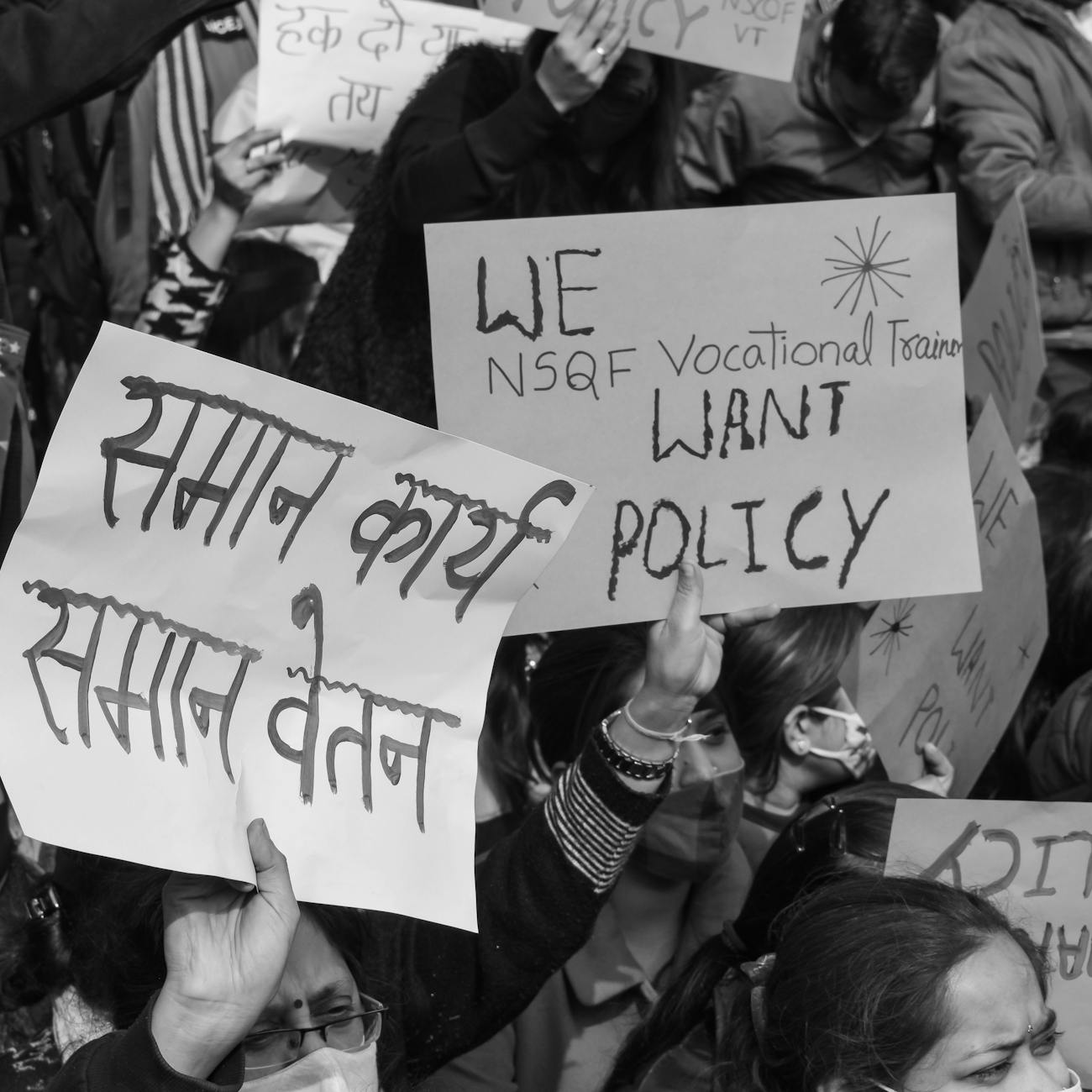
Journalism is a crucial pillar of society that plays a vital role in promoting human rights. It serves as a watchdog, holding those in power accountable and giving a voice to the voiceless. In the United Kingdom, journalism has been instrumental in advocating for human rights, shedding light on injustices, and fostering public awareness and debate on critical issues.
Human rights are fundamental rights and freedoms that every individual is entitled to, regardless of their race, gender, religion, or other characteristics. These rights are enshrined in international treaties and national laws to protect individuals from abuse and discrimination. Some key human rights include the right to life, freedom of speech, freedom of assembly, and the right to a fair trial.
The Role of Journalism in promoting human rights is multifaceted and essential for a functioning democracy. Journalists act as watchdogs, exposing human rights violations, corruption, and abuse of power. They provide a platform for marginalized groups to share their stories, raise awareness about human rights issues, and hold governments and institutions accountable for their actions.
One of the key functions of journalism in promoting human rights is to provide information and education to the public. By reporting on human rights abuses, discrimination, and social injustices, journalists raise awareness and educate the public about these issues. This helps to mobilize public opinion, create pressure for change, and push for reforms to protect human rights.
Journalism also plays a crucial role in advocacy and activism for human rights. Journalists often work closely with human rights organizations, activists, and advocates to shine a light on human rights abuses and push for accountability and justice. Through their reporting, journalists can amplify the voices of victims, expose perpetrators, and advocate for policy changes to protect human rights.
In the United Kingdom, journalism has been instrumental in promoting human rights in various ways. For example, investigative journalists have exposed police brutality, government corruption, and corporate malpractice, leading to reforms and accountability. Media outlets have also highlighted issues such as gender inequality, racial discrimination, and LGBTQ+ rights, sparking public debate and societal change.
However, journalism faces several challenges in promoting human rights. Censorship and government control can restrict journalists' ability to report on human rights abuses and hold those in power accountable. In some cases, journalists face intimidation, harassment, and violence for their reporting on sensitive issues. Media bias and misinformation can also distort public understanding of human rights issues and undermine the credibility of journalism.
Despite these challenges, journalism remains a powerful tool for promoting human rights in the United Kingdom and around the world. By upholding ethical standards, objectivity, and accuracy in their reporting, journalists can build trust with their audiences and make a meaningful impact on human rights protection. Collaborating with human rights organizations, advocates, and experts can also strengthen the impact of journalism in promoting human rights.
In conclusion, the role of journalism in promoting human rights is indispensable in the United Kingdom and beyond. By shedding light on human rights abuses, advocating for justice, and educating the public, journalists have the power to drive social change, protect vulnerable populations, and uphold the principles of democracy and human rights. It is essential to support and protect journalists in their work to ensure a free, fair, and informed society that respects and upholds human rights for all.
Key takeaways
- In the United Kingdom, journalism has been instrumental in advocating for human rights, shedding light on injustices, and fostering public awareness and debate on critical issues.
- Human rights are fundamental rights and freedoms that every individual is entitled to, regardless of their race, gender, religion, or other characteristics.
- They provide a platform for marginalized groups to share their stories, raise awareness about human rights issues, and hold governments and institutions accountable for their actions.
- By reporting on human rights abuses, discrimination, and social injustices, journalists raise awareness and educate the public about these issues.
- Journalists often work closely with human rights organizations, activists, and advocates to shine a light on human rights abuses and push for accountability and justice.
- For example, investigative journalists have exposed police brutality, government corruption, and corporate malpractice, leading to reforms and accountability.
- Censorship and government control can restrict journalists' ability to report on human rights abuses and hold those in power accountable.