
Air Quality Management in Mining Operations
Welcome to this episode of the Advanced Skill Certificate in Environmental Management for Mining, a course offered by the London School of International Business, or LSIB. I'm your host, and I'm excited to dive into one of the most critical…
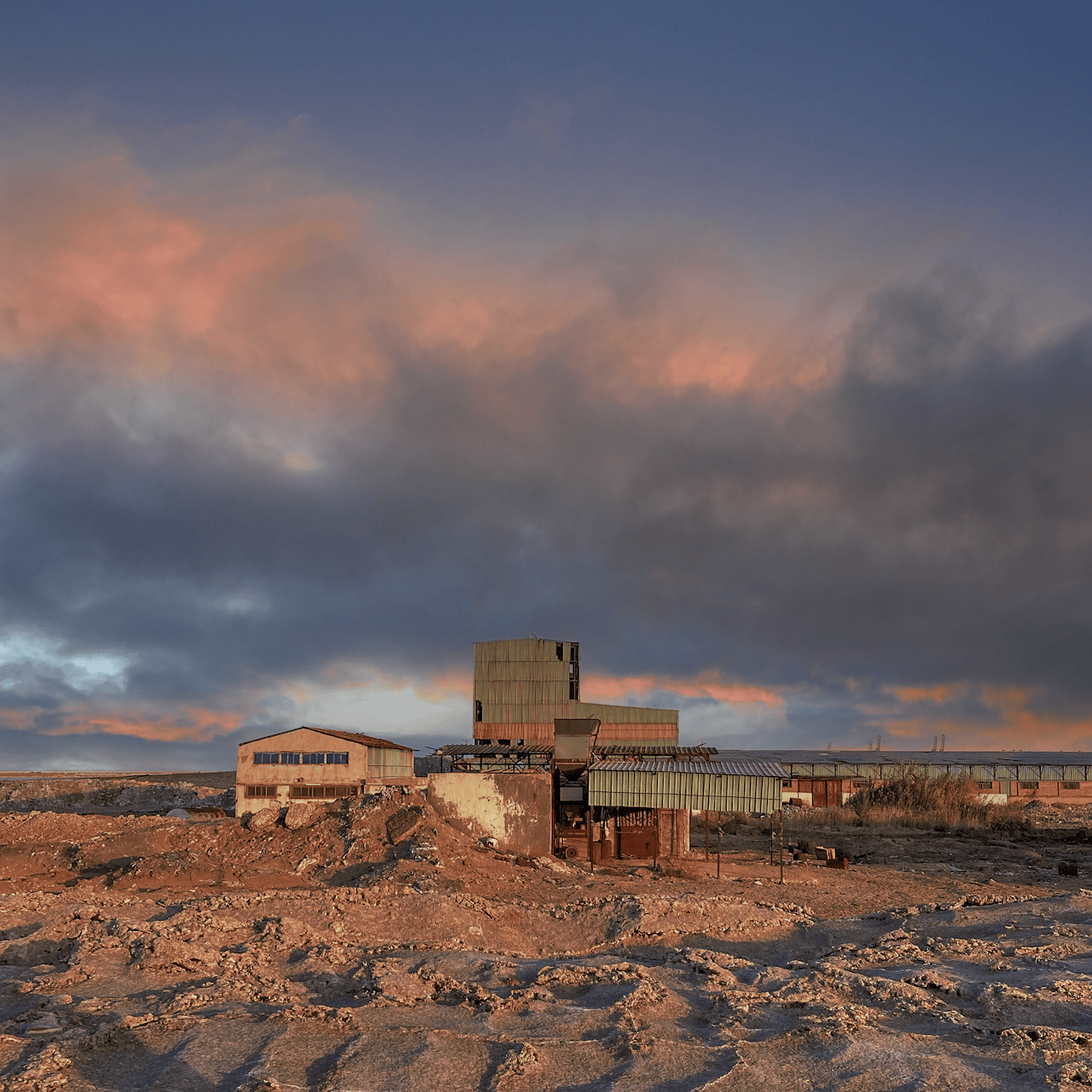
Photo from Pexels
Welcome to this episode of the Advanced Skill Certificate in Environmental Management for Mining, a course offered by the London School of International Business, or LSIB. I'm your host, and I'm excited to dive into one of the most critical aspects of mining operations: Air Quality Management. As we explore this topic, you'll discover how it's not just a regulatory requirement, but a vital component of responsible mining practices that impact not only the environment, but also the health and well-being of communities and workers.
Let's take a step back and look at the history of air quality management in mining. It's a story that spans centuries, from the early days of coal mining to the modern, high-tech operations of today. In the past, air quality was often an afterthought, with miners and nearby communities suffering the consequences of poor ventilation and toxic emissions. However, as our understanding of the environment and human health has evolved, so too have the regulations and best practices surrounding air quality management. Today, mining companies are expected to prioritize air quality, not just to comply with regulations, but to ensure the long-term sustainability of their operations and the well-being of their stakeholders.
So, what does effective air quality management look like in mining operations? It starts with monitoring and assessment, using advanced technologies to track emissions and identify potential hazards. From there, it's about implementing strategies to mitigate those hazards, whether through ventilation systems, dust suppression, or emission controls. But it's not just about throwing technology at the problem; it's also about changing behaviors and attitudes. For example, simple practices like regular maintenance of equipment, proper storage of materials, and employee training can make a significant difference in reducing air pollution.
Now, I know some of you might be thinking, "But isn't air quality management just a cost center, a necessary evil in the mining industry?" The answer is no. By prioritizing air quality, mining companies can actually reduce costs in the long run, improve productivity, and enhance their reputation. It's a win-win situation. However, there are common pitfalls to avoid, such as inadequate monitoring, insufficient training, or a lack of community engagement. To avoid these pitfalls, it's essential to take a proactive, holistic approach to air quality management, one that involves all stakeholders and considers the broader social and environmental implications.
To avoid these pitfalls, it's essential to take a proactive, holistic approach to air quality management, one that involves all stakeholders and considers the broader social and environmental implications.
As we wrap up this episode, I want to leave you with a challenge. Whether you're a mining professional, an environmental advocate, or simply someone who cares about the planet, I encourage you to apply the principles of air quality management in your own life and work. Look for opportunities to make a positive impact, whether it's through your daily choices or your professional endeavors. And if you're interested in learning more about environmental management in mining, I invite you to explore the courses and resources offered by the London School of International Business, or LSIB.
Before you go, take a moment to subscribe to our podcast, share this episode with your network, and engage with us on social media. Your feedback and support are invaluable in helping us create content that matters. As you continue on your journey of growth and learning, remember that every small action counts, and collective efforts can lead to significant positive change. Thanks for joining me on this episode, and I look forward to exploring more topics in environmental management with you in the future.
Key takeaways
- As we explore this topic, you'll discover how it's not just a regulatory requirement, but a vital component of responsible mining practices that impact not only the environment, but also the health and well-being of communities and workers.
- Today, mining companies are expected to prioritize air quality, not just to comply with regulations, but to ensure the long-term sustainability of their operations and the well-being of their stakeholders.
- For example, simple practices like regular maintenance of equipment, proper storage of materials, and employee training can make a significant difference in reducing air pollution.
- To avoid these pitfalls, it's essential to take a proactive, holistic approach to air quality management, one that involves all stakeholders and considers the broader social and environmental implications.
- Whether you're a mining professional, an environmental advocate, or simply someone who cares about the planet, I encourage you to apply the principles of air quality management in your own life and work.
- As you continue on your journey of growth and learning, remember that every small action counts, and collective efforts can lead to significant positive change.