
Mine Site Rehabilitation and Closure
Welcome to this exciting episode of our Advanced Skill Certificate in Environmental Management for Mining, where we delve into the world of Mine Site Rehabilitation and Closure. I'm thrilled to have you here, as we explore the importance an…
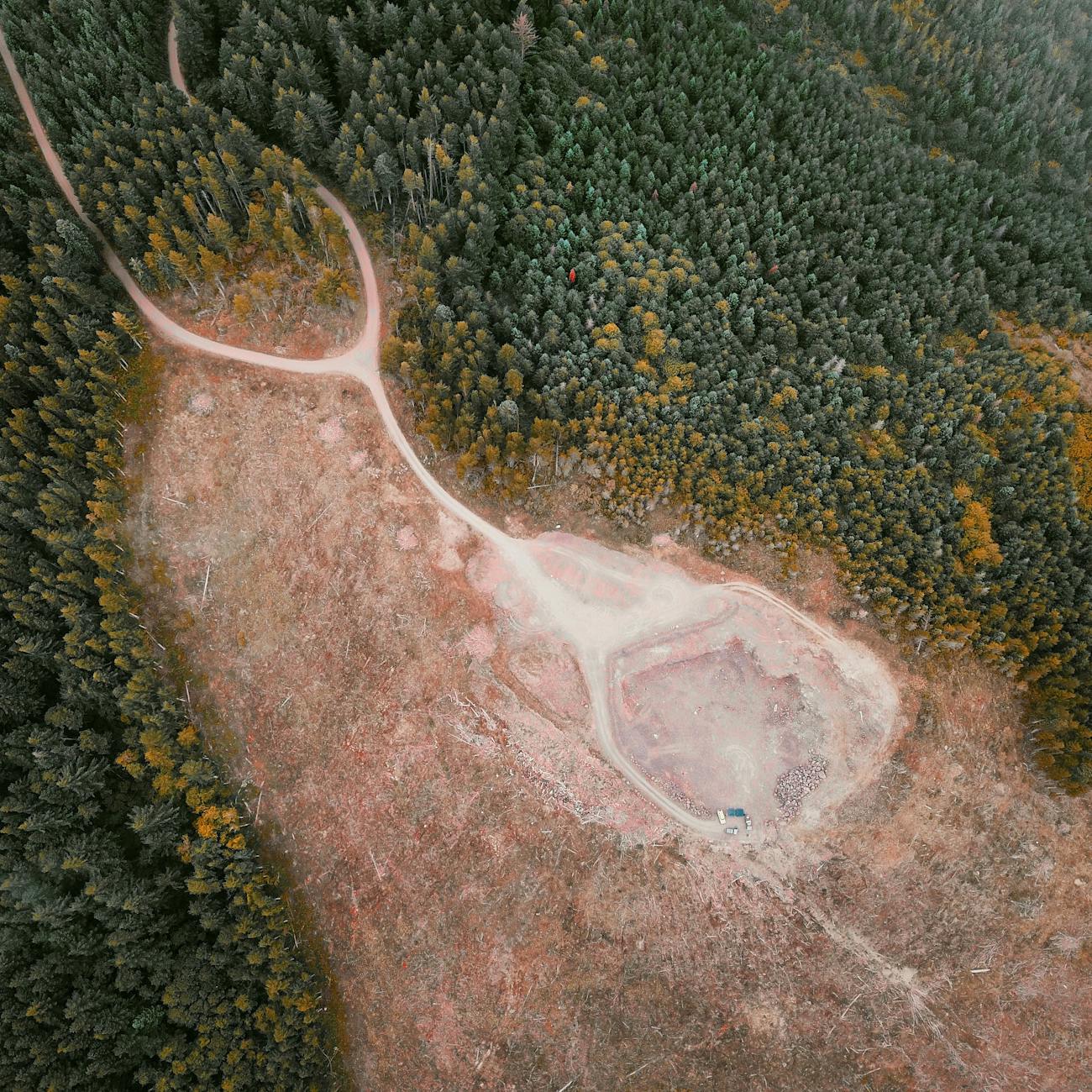
Photo from Pexels
Welcome to this exciting episode of our Advanced Skill Certificate in Environmental Management for Mining, where we delve into the world of Mine Site Rehabilitation and Closure. I'm thrilled to have you here, as we explore the importance and relevance of this topic in today's mining industry.
Imagine a world where mining sites are left abandoned, with toxic waste seeping into the ground and water supplies, polluting the environment and endangering local communities. It's a grim picture, but one that has been all too common in the past. Thankfully, times have changed, and so has our approach to mining.
Mine Site Rehabilitation and Closure is the process of restoring the land after mining operations have ceased. It's a critical component of responsible mining practices, ensuring that the environment and local communities are protected, and that the land can be used for future generations.
In this unit, you'll learn about the strategies, tips, and best practices for effective Mine Site Rehabilitation and Closure. You'll discover how to plan, implement, and monitor rehabilitation activities, and how to avoid common pitfalls that can lead to costly delays and environmental damage.
Let's start with a brief historical context. In the past, mining companies often viewed rehabilitation as an afterthought, something to be done once the mining was complete. This led to a legacy of abandoned and contaminated sites, with little regard for the environment or local communities.
However, times have changed, and so has our approach to mining. Today, rehabilitation is an integral part of the mining process, with companies required to allocate resources and plan for rehabilitation from the outset.
So, what does this mean for you? Whether you're a mining professional, an environmental consultant, or a community member, understanding Mine Site Rehabilitation and Closure is essential. It's not just about meeting regulatory requirements, but about doing the right thing for the environment and local communities.
Now, let's dive into some practical applications. One key strategy for effective rehabilitation is to start planning early. This means identifying potential rehabilitation areas before mining begins, and developing a rehabilitation plan as part of the overall mining plan.
By involving local communities in the rehabilitation process, mining companies can build trust and support, and ensure that the rehabilitated land meets the needs of the community.
Another important aspect is community engagement. By involving local communities in the rehabilitation process, mining companies can build trust and support, and ensure that the rehabilitated land meets the needs of the community.
But, as with any process, there are potential pitfalls to avoid. One common mistake is to underestimate the time and resources required for rehabilitation. This can lead to delays, cost overruns, and ineffective rehabilitation.
To avoid this, it's essential to develop a detailed rehabilitation plan, with clear timelines, resource requirements, and performance indicators. This will help ensure that the rehabilitation is completed on time, within budget, and to the required standard.
In conclusion, Mine Site Rehabilitation and Closure is a critical component of responsible mining practices. It's not just about meeting regulatory requirements, but about doing the right thing for the environment and local communities.
As you embark on this journey of growth and learning, I encourage you to apply what you've learned, and to continue exploring this important topic. Remember, every small step towards responsible mining practices makes a difference, and together, we can create a sustainable future for all.
Before I let you go, I'd like to ask for your support. If you've enjoyed this episode, please subscribe, share it with your colleagues and friends, and leave a review. Your engagement helps us to continue creating valuable content, and to make a positive impact on the mining industry.
Thank you for joining me on this journey, and until next time, keep learning, growing, and striving for a sustainable future.
Key takeaways
- Welcome to this exciting episode of our Advanced Skill Certificate in Environmental Management for Mining, where we delve into the world of Mine Site Rehabilitation and Closure.
- Imagine a world where mining sites are left abandoned, with toxic waste seeping into the ground and water supplies, polluting the environment and endangering local communities.
- It's a critical component of responsible mining practices, ensuring that the environment and local communities are protected, and that the land can be used for future generations.
- You'll discover how to plan, implement, and monitor rehabilitation activities, and how to avoid common pitfalls that can lead to costly delays and environmental damage.
- In the past, mining companies often viewed rehabilitation as an afterthought, something to be done once the mining was complete.
- Today, rehabilitation is an integral part of the mining process, with companies required to allocate resources and plan for rehabilitation from the outset.
- Whether you're a mining professional, an environmental consultant, or a community member, understanding Mine Site Rehabilitation and Closure is essential.