
Marine Environmental Protection
Welcome to this episode of the London School of International Business podcast, where we're diving into the fascinating world of International Maritime Law, and specifically, the crucial unit of Marine Environmental Protection. As we explor…
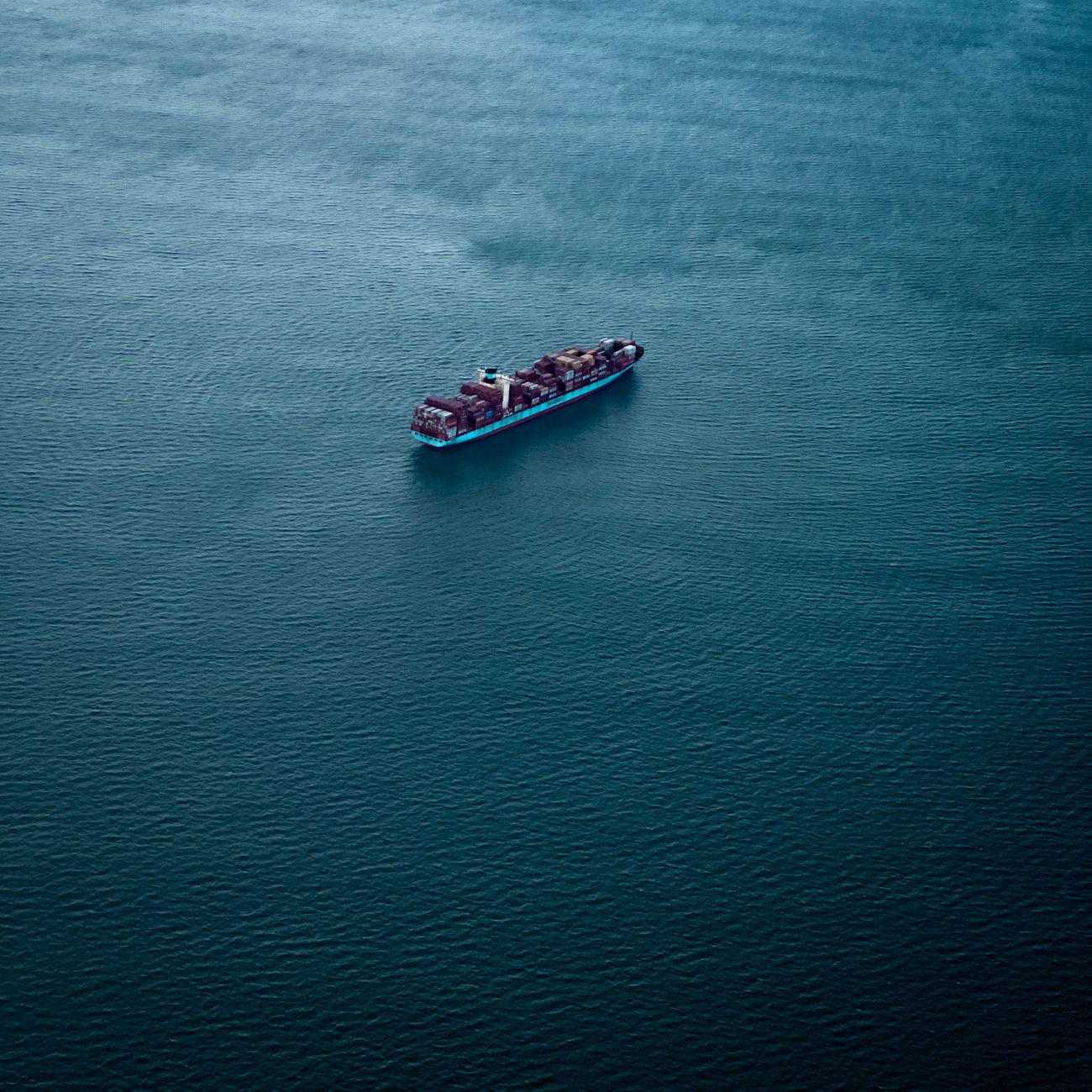
Photo from Pexels
Welcome to this episode of the London School of International Business podcast, where we're diving into the fascinating world of International Maritime Law, and specifically, the crucial unit of Marine Environmental Protection. As we explore the vast oceans that cover over 70% of our planet, it's astonishing to think about the immense impact human activities have on these delicate ecosystems. From the devastating oil spills to the staggering amounts of plastic waste, it's clear that protecting our marine environment is no longer a choice, but a necessity.
As we delve into the history of marine environmental protection, we can see that it's been a long and winding road. The 1970s and 1980s saw a surge in international cooperation, with the establishment of key conventions like MARPOL and the United Nations Convention on the Law of the Sea. These milestones marked a significant shift in the way we approach marine conservation, recognizing the need for collective action to mitigate the effects of pollution, overfishing, and habitat destruction. Today, as we face the mounting challenges of climate change, ocean acidification, and biodiversity loss, the importance of marine environmental protection has never been more pressing.
So, what can we do to make a difference? As individuals, businesses, or policymakers, we all have a role to play in safeguarding our oceans. One of the most effective strategies is to adopt a proactive approach, rather than reactive. This means being mindful of our daily choices, from reducing plastic use to supporting sustainable seafood practices. For instance, did you know that choosing eco-friendly cleaning products can significantly decrease the amount of toxic chemicals that enter our waterways? It's astonishing how such small actions can add up to make a significant impact.
As we explore the practical applications of marine environmental protection, it's essential to highlight common pitfalls to avoid. One of the most significant challenges is the lack of effective enforcement and implementation of existing regulations. This can lead to a culture of complacency, where individuals and organizations prioritize short-term gains over long-term sustainability. To overcome this, we need to promote a culture of transparency, accountability, and cooperation. By sharing knowledge, resources, and best practices, we can create a collective movement that drives meaningful change.
For instance, did you know that choosing eco-friendly cleaning products can significantly decrease the amount of toxic chemicals that enter our waterways?
For example, the London School of International Business has been at the forefront of promoting sustainable practices in the maritime industry. Through our research, education, and community engagement initiatives, we're empowering the next generation of leaders to prioritize environmental stewardship. By providing actionable strategies and tools, we're helping professionals and organizations to navigate the complex landscape of marine environmental protection.
As we conclude this episode, we want to leave you with a sense of hope and inspiration. Marine environmental protection is a complex, ongoing challenge, but it's also a tremendous opportunity for growth, innovation, and collaboration. By applying what we've learned today, we can make a tangible difference in the health of our oceans and the well-being of our planet. So, we invite you to join us on this journey, to subscribe to our podcast, share your thoughts and ideas, and engage with the London School of International Business community.
Together, we can create a wave of positive change that resonates across the globe. Remember, every small action counts, and collective efforts can lead to remarkable achievements. As we continue to explore the fascinating world of International Maritime Law, we're excited to have you along for the journey. Thanks for tuning in, and we look forward to connecting with you in the next episode.
Key takeaways
- Welcome to this episode of the London School of International Business podcast, where we're diving into the fascinating world of International Maritime Law, and specifically, the crucial unit of Marine Environmental Protection.
- These milestones marked a significant shift in the way we approach marine conservation, recognizing the need for collective action to mitigate the effects of pollution, overfishing, and habitat destruction.
- For instance, did you know that choosing eco-friendly cleaning products can significantly decrease the amount of toxic chemicals that enter our waterways?
- This can lead to a culture of complacency, where individuals and organizations prioritize short-term gains over long-term sustainability.
- By providing actionable strategies and tools, we're helping professionals and organizations to navigate the complex landscape of marine environmental protection.
- So, we invite you to join us on this journey, to subscribe to our podcast, share your thoughts and ideas, and engage with the London School of International Business community.
- As we continue to explore the fascinating world of International Maritime Law, we're excited to have you along for the journey.