
Port State Control Enforcement
Welcome to this episode of the International Maritime Law podcast, brought to you by the London School of International Business, or LSIB. Today, we're going to dive into the fascinating world of Port State Control Enforcement, a crucial as…
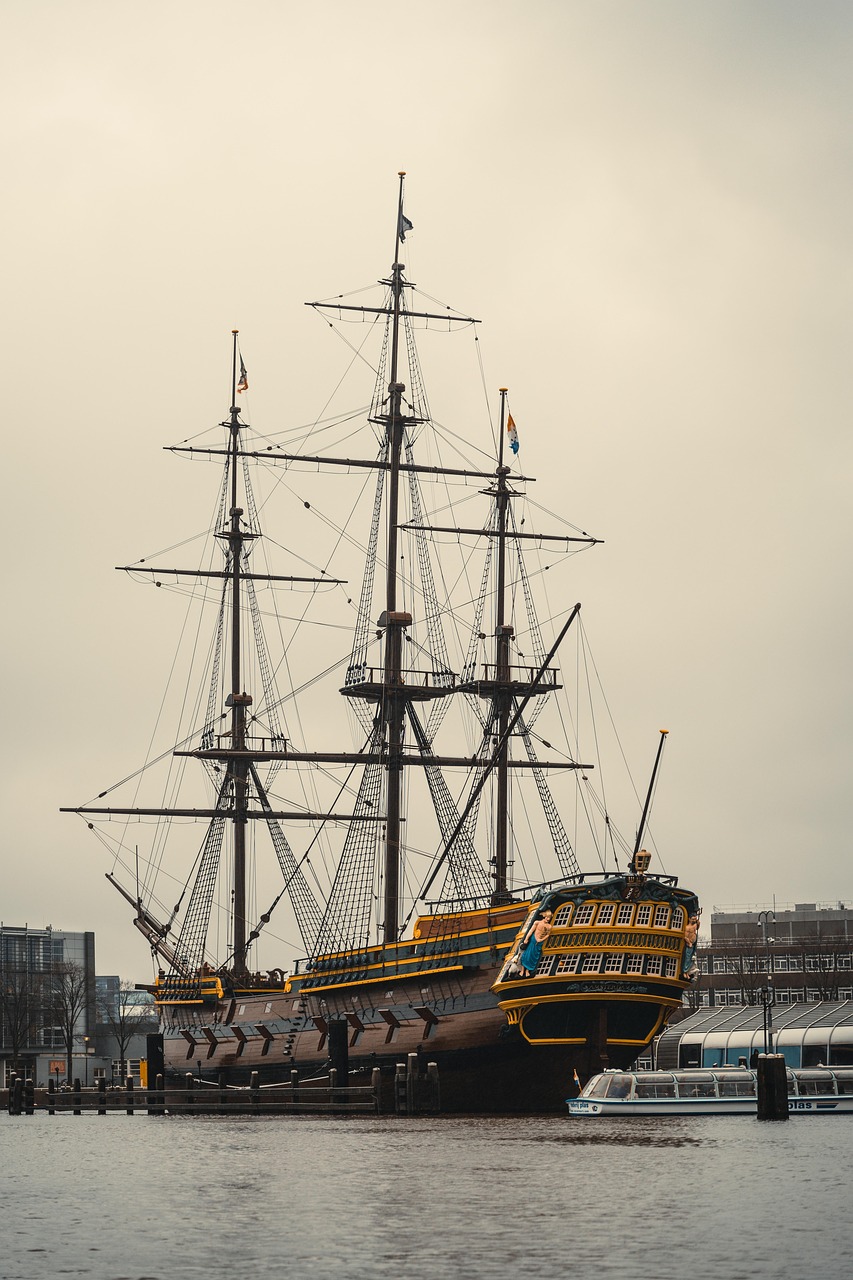
Photo from Pexels
Welcome to this episode of the International Maritime Law podcast, brought to you by the London School of International Business, or LSIB. Today, we're going to dive into the fascinating world of Port State Control Enforcement, a crucial aspect of maritime law that has a significant impact on the shipping industry. As we explore this topic, you'll discover how it has evolved over time, its importance in ensuring the safety of our oceans, and the practical applications that can make a real difference in your work or studies.
To set the stage, let's take a brief look at the history of Port State Control Enforcement. It all began in the 1980s, when the International Maritime Organization, or IMO, recognized the need for a more effective way to enforce maritime safety and environmental regulations. This led to the development of the Port State Control system, which allows countries to inspect and enforce compliance with international standards on foreign ships visiting their ports. Over the years, this system has been refined and expanded, with the Paris Memorandum of Understanding, or MoU, being a key example of regional cooperation in this area.
So, why is Port State Control Enforcement so important? Well, it's quite simple really. The shipping industry is a global phenomenon, with thousands of ships crisscrossing our oceans every day. These ships can pose significant risks to the environment, human life, and the economy if they're not properly maintained or operated. By enforcing international standards, Port State Control helps to minimize these risks, ensuring that ships are safe, secure, and environmentally friendly. This, in turn, has a positive impact on the entire maritime ecosystem, from shipowners and operators to ports and coastal communities.
Now, let's talk about the practical applications of Port State Control Enforcement. If you're a shipowner, operator, or manager, it's essential to understand the inspection procedures and requirements of Port State Control. This includes having the necessary documentation, such as certificates and records, readily available, as well as ensuring that your crew is properly trained and aware of their responsibilities. You should also be familiar with the most common deficiencies and detentions, such as inadequate fire safety measures or non-compliant cargo operations, and take proactive steps to address these issues.
One actionable strategy is to implement a robust safety management system, or SMS, that meets the requirements of the International Safety Management, or ISM, code. This will help you identify and mitigate potential risks, ensuring that your ships are compliant with international standards and reducing the likelihood of detentions or fines. Another tip is to engage with Port State Control authorities and other stakeholders, such as classification societies and flag states, to stay up-to-date with the latest developments and best practices.
You should also be familiar with the most common deficiencies and detentions, such as inadequate fire safety measures or non-compliant cargo operations, and take proactive steps to address these issues.
However, there are common pitfalls to avoid in Port State Control Enforcement. One of the most significant is complacency, assuming that your ships are compliant without regularly reviewing and updating your procedures and documentation. Another pitfall is inadequate training, failing to provide your crew with the necessary knowledge and skills to ensure safe and compliant operations. To avoid these pitfalls, it's essential to stay vigilant, continuously monitoring and improving your safety management system and crew training programs.
As we conclude this episode, I want to leave you with an inspiring message. Port State Control Enforcement is not just about compliance; it's about creating a safer, more sustainable, and responsible maritime industry. By applying what you've learned today, you can make a real difference in your work or studies, contributing to a better future for our oceans and the people who depend on them. So, take the first step today, and join the journey towards a more compliant and sustainable maritime industry.
If you've enjoyed this episode, please subscribe to our podcast, share it with your friends and colleagues, and engage with us on social media. The London School of International Business, or LSIB, is committed to providing you with the knowledge and skills you need to succeed in the maritime industry, and we're excited to have you on this journey with us. Thanks for listening, and we look forward to welcoming you to our next episode!
Key takeaways
- As we explore this topic, you'll discover how it has evolved over time, its importance in ensuring the safety of our oceans, and the practical applications that can make a real difference in your work or studies.
- This led to the development of the Port State Control system, which allows countries to inspect and enforce compliance with international standards on foreign ships visiting their ports.
- By enforcing international standards, Port State Control helps to minimize these risks, ensuring that ships are safe, secure, and environmentally friendly.
- You should also be familiar with the most common deficiencies and detentions, such as inadequate fire safety measures or non-compliant cargo operations, and take proactive steps to address these issues.
- Another tip is to engage with Port State Control authorities and other stakeholders, such as classification societies and flag states, to stay up-to-date with the latest developments and best practices.
- One of the most significant is complacency, assuming that your ships are compliant without regularly reviewing and updating your procedures and documentation.
- By applying what you've learned today, you can make a real difference in your work or studies, contributing to a better future for our oceans and the people who depend on them.