
Introduction to Cultural Mediation in International Conflict
Welcome to this exciting episode of our Advanced Skill Certificate in Cultural Mediation in International Conflict! Today, we're diving into the fascinating world of Cultural Mediation in International Conflict – a topic that's not only cru…
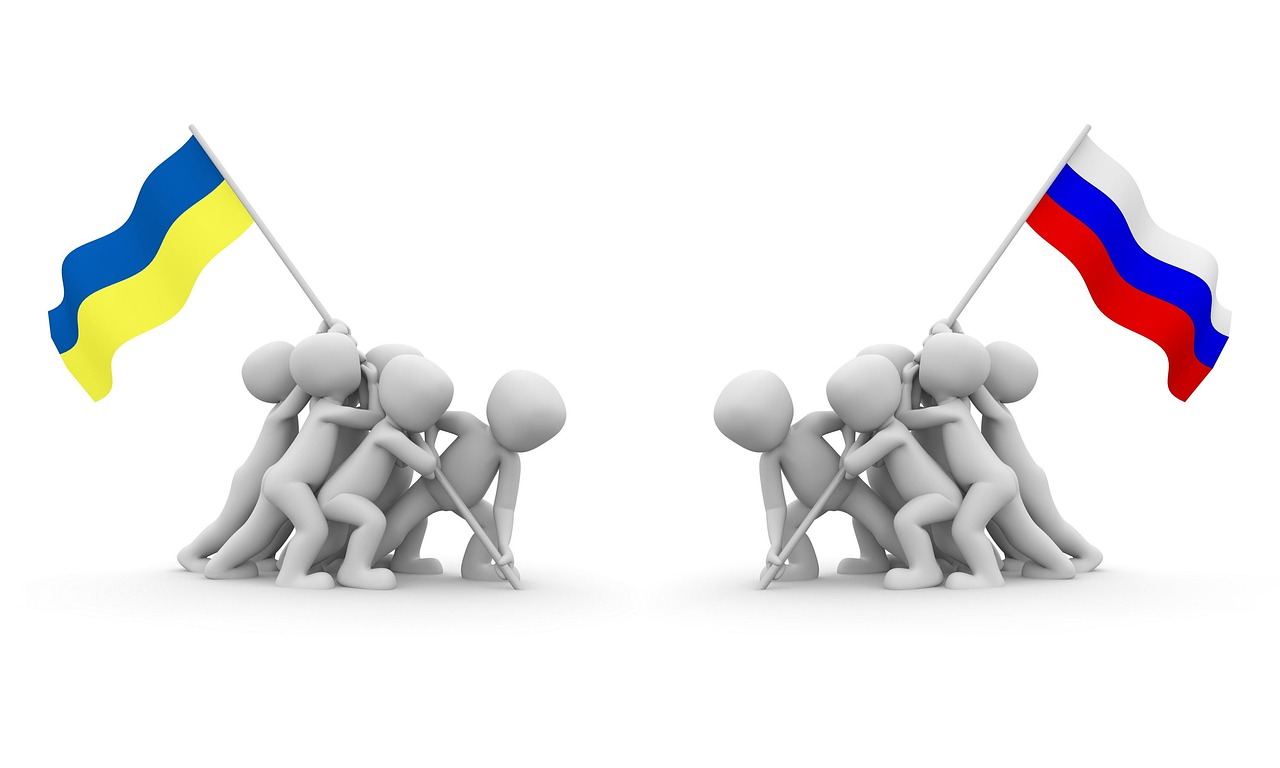
Welcome to this exciting episode of our Advanced Skill Certificate in Cultural Mediation in International Conflict! Today, we're diving into the fascinating world of Cultural Mediation in International Conflict – a topic that's not only crucial for professionals working in diplomacy, politics, and business but also relevant for anyone seeking to understand and navigate our increasingly interconnected world.
Imagine a world where conflicts are resolved through understanding, empathy, and respect for cultural differences. That's the power of Cultural Mediation in International Conflict. It offers a unique perspective on conflict resolution, emphasizing the importance of cultural awareness, communication, and compromise.
To set the stage, let's take a brief look at the historical context of Cultural Mediation in International Conflict. Throughout history, we've seen how cultural misunderstandings and prejudices have fueled conflicts, from the Crusades to the Cold War. Today, however, we have the tools and knowledge to prevent such conflicts by promoting cultural empathy and mediating disputes in a way that respects all parties involved.
Now, let's explore the practical applications of Cultural Mediation in International Conflict. Here are some actionable strategies to keep in mind:
1. **Active listening:** Pay close attention to the words, emotions, and cultural nuances of the parties in conflict. This not only shows respect but also helps in understanding their perspectives. 2. **Empathy:** Try to put yourself in the shoes of the conflicting parties and understand their emotions, values, and beliefs. This can help in building trust and fostering a collaborative environment. 3. **Cultural humility:** Recognize the limitations of your own cultural understanding and be open to learning from others. This demonstrates a willingness to grow and adapt, which is crucial in cultural mediation.
When it comes to common pitfalls, there are a few to avoid:
**Empathy:** Try to put yourself in the shoes of the conflicting parties and understand their emotions, values, and beliefs.
1. **Ethnocentrism:** Avoid judging other cultures based on your own cultural norms and values. This can lead to misunderstandings and further escalate conflicts. 2. **Stereotyping:** Be cautious of making assumptions about individuals based on their cultural background. Stereotypes can hinder genuine understanding and limit the potential for successful mediation.
To wrap up, remember that Cultural Mediation in International Conflict is a powerful tool that can transform the way we approach and resolve conflicts. By applying the strategies and tips we've discussed today, you can contribute to a more peaceful, empathetic, and connected world.
Before we go, don't forget to subscribe to our podcast, share this episode with your friends and colleagues, and engage with us on social media. Your support and input help us continue creating valuable content that fosters growth and learning.
Thank you for joining us on this journey into Cultural Mediation in International Conflict. Until next time, keep learning, growing, and striving for a better, more understanding world.
Key takeaways
- Welcome to this exciting episode of our Advanced Skill Certificate in Cultural Mediation in International Conflict!
- It offers a unique perspective on conflict resolution, emphasizing the importance of cultural awareness, communication, and compromise.
- Today, however, we have the tools and knowledge to prevent such conflicts by promoting cultural empathy and mediating disputes in a way that respects all parties involved.
- Now, let's explore the practical applications of Cultural Mediation in International Conflict.
- **Empathy:** Try to put yourself in the shoes of the conflicting parties and understand their emotions, values, and beliefs.
- **Stereotyping:** Be cautious of making assumptions about individuals based on their cultural background.
- To wrap up, remember that Cultural Mediation in International Conflict is a powerful tool that can transform the way we approach and resolve conflicts.