
Legal and Ethical Considerations in Cultural Mediation
Welcome to another episode of the Advanced Skill Certificate in Cultural Mediation in International Conflict. Today, we're diving into a topic that's not only crucial for any aspiring cultural mediator but also relevant for anyone working i…
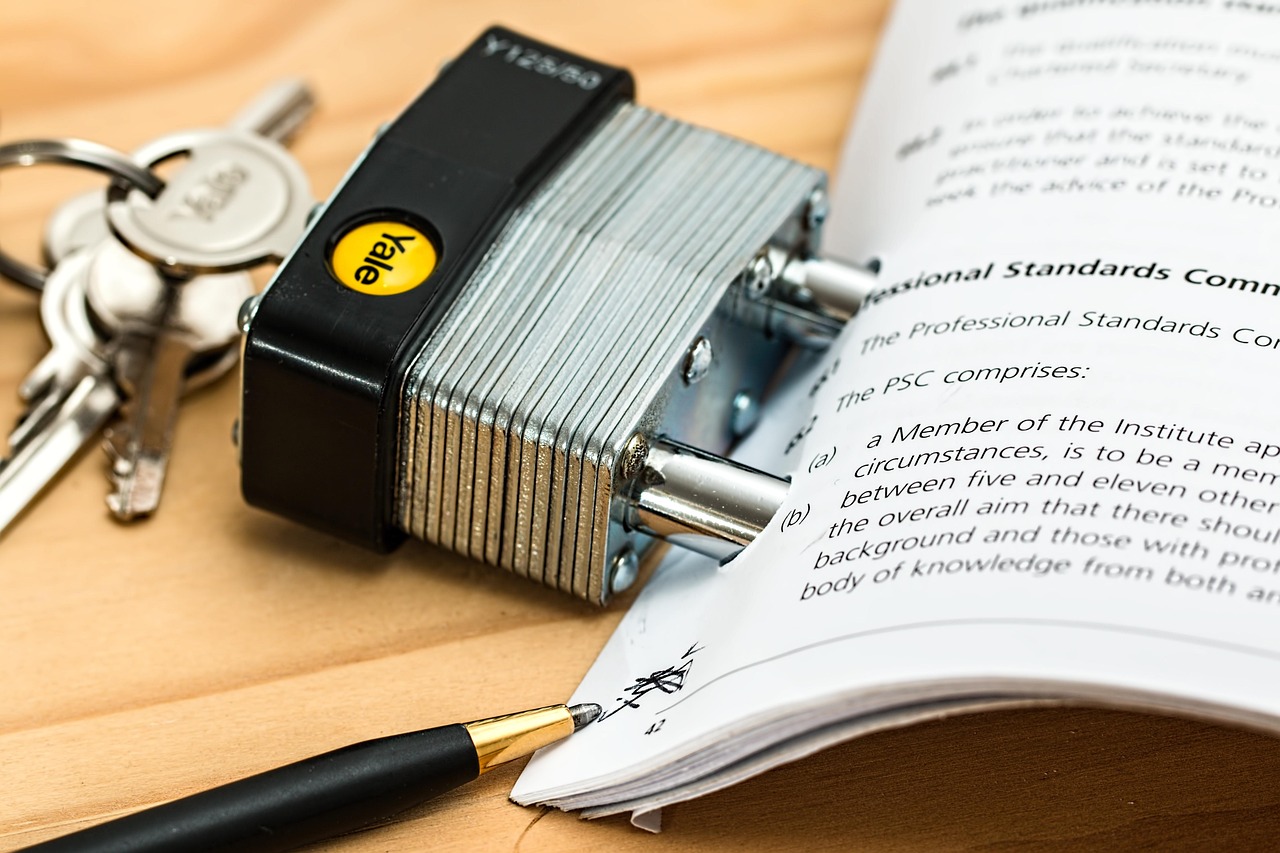
Photo from Pexels
Welcome to another episode of the Advanced Skill Certificate in Cultural Mediation in International Conflict. Today, we're diving into a topic that's not only crucial for any aspiring cultural mediator but also relevant for anyone working in a globalized world: Legal and Ethical Considerations in Cultural Mediation.
Imagine you're a mediator in a high-stakes international conflict. You've got two parties from different cultural backgrounds, each with their own set of values, beliefs, and norms. As a mediator, you're not only responsible for facilitating communication between these parties, but you're also responsible for ensuring that the process is fair, just, and legal. That's where Legal and Ethical Considerations in Cultural Mediation come in.
Now, you might be thinking, "But I'm not a mediator, and I don't work in international conflict resolution. Why does this matter to me?" Well, let me tell you a story.
A few years ago, a friend of mine was working on a project with a team from another country. They were having trouble communicating and making decisions, and my friend was brought in as a mediator. However, my friend wasn't aware of the legal and ethical considerations specific to that culture, and as a result, some team members felt disrespected and excluded. The project suffered, and my friend learned a valuable lesson about the importance of Legal and Ethical Considerations in Cultural Mediation.
So, whether you're a mediator, a project manager, or simply someone who works with people from different cultural backgrounds, understanding Legal and Ethical Considerations in Cultural Mediation can help you navigate complex situations and build stronger, more effective relationships.
Now, let's talk about some practical applications of Legal and Ethical Considerations in Cultural Mediation.
First and foremost, it's essential to have a solid understanding of the legal frameworks that govern mediation in your jurisdiction and the jurisdiction of the parties involved. This includes knowledge of the relevant laws, regulations, and ethical guidelines.
But Legal and Ethical Considerations in Cultural Mediation go beyond just following the law. It's also about understanding and respecting the cultural norms and values of the parties involved. This means being aware of cultural differences in communication styles, decision-making processes, and conflict resolution strategies.
First and foremost, it's essential to have a solid understanding of the legal frameworks that govern mediation in your jurisdiction and the jurisdiction of the parties involved.
One common pitfall to avoid is assuming that your way of doing things is the "right" way. Instead, approach each mediation with an open mind and a willingness to learn from the parties involved.
So, how can you apply these principles in your own life or work?
Start by educating yourself about the legal and ethical guidelines that govern mediation in your jurisdiction. Then, seek out opportunities to learn about different cultures and their approaches to conflict resolution. This could be through books, workshops, or even conversations with colleagues or friends from different cultural backgrounds.
When working with parties from different cultures, take the time to understand their communication styles and decision-making processes. Ask open-ended questions, listen actively, and be patient. Remember, the goal is not to impose your way of doing things, but to find a solution that respects the needs and values of all parties involved.
In conclusion, Legal and Ethical Considerations in Cultural Mediation are not only important for mediators but for anyone working in a globalized world. By understanding the legal frameworks that govern mediation and respecting the cultural norms and values of the parties involved, you can build stronger, more effective relationships and navigate complex situations with confidence.
So, I encourage you to apply what you've learned today and continue your journey of growth. And don't forget to subscribe, share, or engage with our podcast to stay up-to-date on the latest insights and strategies in cultural mediation.
Thank you for joining us on this episode of the Advanced Skill Certificate in Cultural Mediation in International Conflict. Until next time, keep mediating, keep learning, and keep building bridges across cultures.
Key takeaways
- Today, we're diving into a topic that's not only crucial for any aspiring cultural mediator but also relevant for anyone working in a globalized world: Legal and Ethical Considerations in Cultural Mediation.
- As a mediator, you're not only responsible for facilitating communication between these parties, but you're also responsible for ensuring that the process is fair, just, and legal.
- Now, you might be thinking, "But I'm not a mediator, and I don't work in international conflict resolution.
- However, my friend wasn't aware of the legal and ethical considerations specific to that culture, and as a result, some team members felt disrespected and excluded.
- Now, let's talk about some practical applications of Legal and Ethical Considerations in Cultural Mediation.
- First and foremost, it's essential to have a solid understanding of the legal frameworks that govern mediation in your jurisdiction and the jurisdiction of the parties involved.
- This means being aware of cultural differences in communication styles, decision-making processes, and conflict resolution strategies.