
Here are ten unit names in proper case for a Postgraduate Certificate in Environmental Psychology Techniques:
Welcome to this exciting episode of our Postgraduate Certificate in Environmental Psychology Techniques series! Today, we're diving into the fascinating world of ten essential units that will equip you with the knowledge and skills to under…
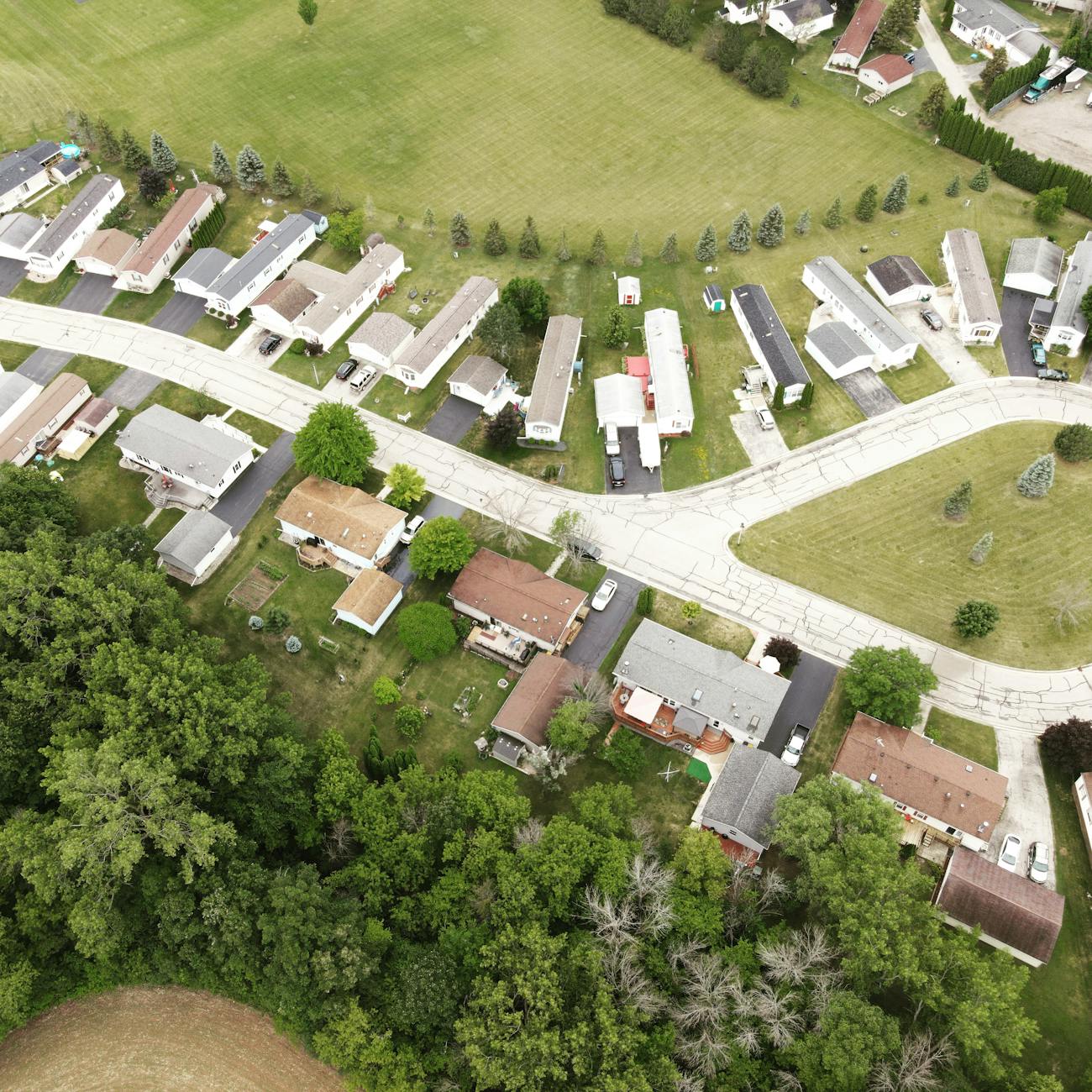
Photo from Pexels
Welcome to this exciting episode of our Postgraduate Certificate in Environmental Psychology Techniques series! Today, we're diving into the fascinating world of ten essential units that will equip you with the knowledge and skills to understand and shape our environment in positive and impactful ways.
Environmental psychology is a rapidly growing field that explores the complex relationship between people and their surroundings. It's a field that's increasingly relevant in our rapidly changing world, where issues like climate change, urbanization, and technological advancements are transforming the way we live, work, and play.
Our ten units cover a wide range of topics, from the history and theory of environmental psychology to practical applications in design, policy, and education. Each unit is designed to build on the previous one, providing a comprehensive and integrated understanding of this fascinating field.
Let's start with a brief historical context. Environmental psychology has its roots in the 1960s, when a group of psychologists and designers began to explore the ways in which our surroundings influence our behavior, emotions, and cognition. Since then, the field has evolved and expanded to encompass a wide range of disciplines, including architecture, planning, geography, and public health.
Now, let's talk about the practical applications of environmental psychology. Whether you're an architect, designer, policy maker, or educator, understanding the principles of environmental psychology can help you create spaces and experiences that are more engaging, sustainable, and meaningful.
For example, did you know that the color of a room can affect our mood and productivity? Or that the layout of a city can influence our physical activity levels and social connections? These are just a few of the many insights that environmental psychology can offer.
But it's not just about theory. Environmental psychology is also about taking action and making a difference. That's why each unit includes practical strategies, tips, and examples that you can use in your own work or personal life.
Whether you're an architect, designer, policy maker, or educator, understanding the principles of environmental psychology can help you create spaces and experiences that are more engaging, sustainable, and meaningful.
For instance, you'll learn how to conduct a behavioral mapping study to understand how people use and interact with a space. You'll also discover how to design a building or a city that promotes physical activity, mental well-being, and social connections.
Of course, environmental psychology is not without its challenges and pitfalls. That's why we'll also discuss common mistakes to avoid and provide solutions to help you overcome them.
In conclusion, environmental psychology is a powerful tool for shaping our world in positive and impactful ways. By understanding the complex relationship between people and their surroundings, we can create spaces and experiences that are more engaging, sustainable, and meaningful.
So, whether you're a student, a professional, or a lifelong learner, we encourage you to apply what you've learned and continue your journey of growth. And if you enjoyed this episode, be sure to subscribe, share, or engage with our podcast. We can't wait to hear from you!
Thank you for joining us on this exciting journey into the world of environmental psychology. Until next time, stay curious and keep exploring!
Key takeaways
- Today, we're diving into the fascinating world of ten essential units that will equip you with the knowledge and skills to understand and shape our environment in positive and impactful ways.
- It's a field that's increasingly relevant in our rapidly changing world, where issues like climate change, urbanization, and technological advancements are transforming the way we live, work, and play.
- Our ten units cover a wide range of topics, from the history and theory of environmental psychology to practical applications in design, policy, and education.
- Environmental psychology has its roots in the 1960s, when a group of psychologists and designers began to explore the ways in which our surroundings influence our behavior, emotions, and cognition.
- Whether you're an architect, designer, policy maker, or educator, understanding the principles of environmental psychology can help you create spaces and experiences that are more engaging, sustainable, and meaningful.
- Or that the layout of a city can influence our physical activity levels and social connections?
- That's why each unit includes practical strategies, tips, and examples that you can use in your own work or personal life.