
Digital Design for Fashion Accessories
Digital Design for Fashion Accessories encompasses a variety of key terms and vocabulary that are essential for understanding and excelling in the field of professional certificate in Fashion Accessory Design. Let's delve into these terms:
Digital Design for Fashion Accessories encompasses a variety of key terms and vocabulary that are essential for understanding and excelling in the field of professional certificate in Fashion Accessory Design. Let's delve into these terms:
1. **Digital Design**: Digital design refers to the creation of visual content using computer software or tools. In the context of fashion accessories, digital design involves using software like Adobe Illustrator or Photoshop to create designs for accessories such as handbags, jewelry, shoes, and hats.
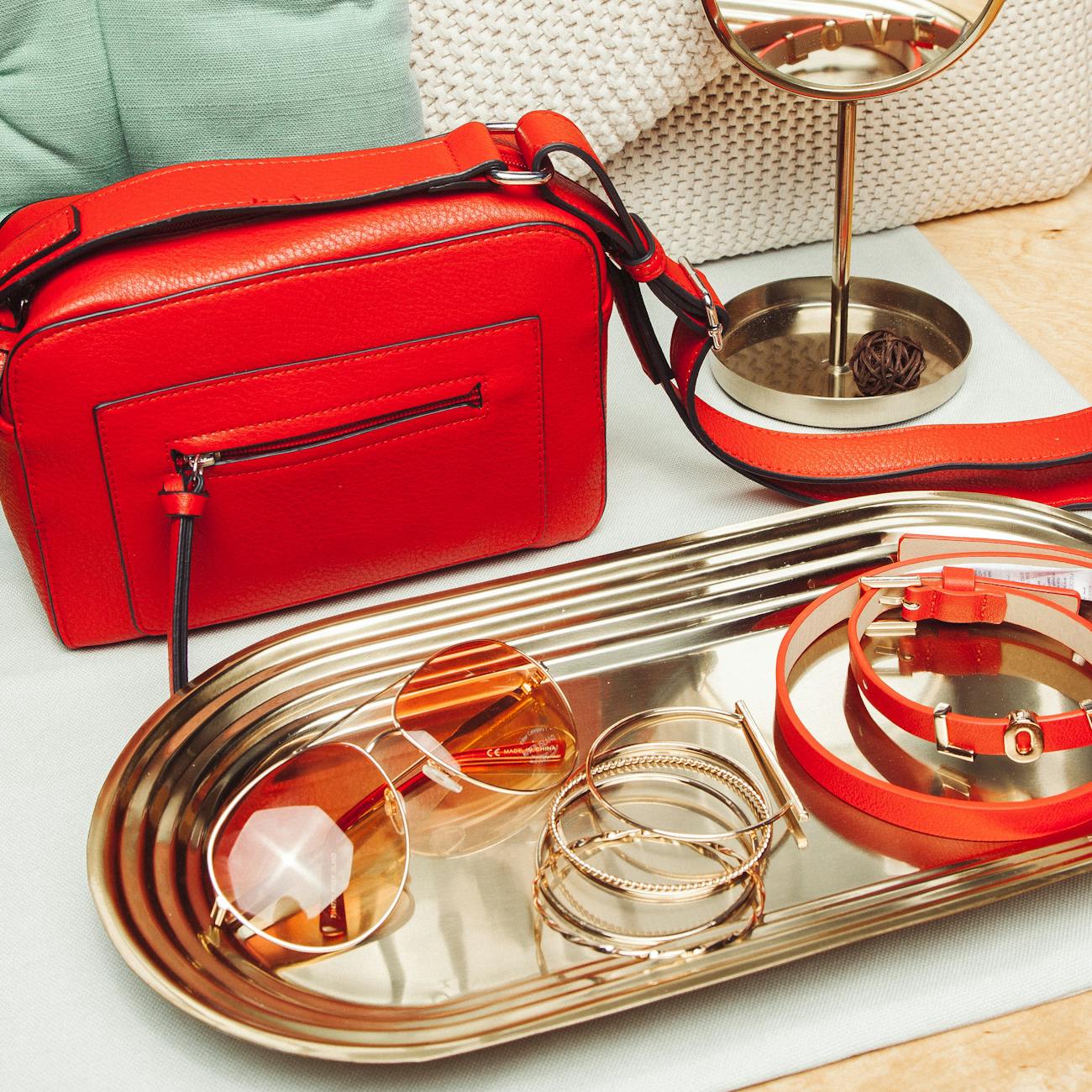
2. **Fashion Accessory Design**: Fashion accessory design involves the creation of accessories that complement or enhance an outfit. This can include jewelry, handbags, belts, hats, scarves, sunglasses, and shoes.
3. **CAD (Computer-Aided Design)**: CAD is the use of computer software to create, modify, analyze, or optimize a design. In fashion accessory design, CAD software allows designers to create detailed designs, make changes quickly, and visualize the final product before production.
4. **Vector Graphics**: Vector graphics are graphics that are created using mathematical equations to define shapes, lines, and colors. They are resolution-independent, which means they can be scaled up or down without losing quality. Adobe Illustrator is a popular software for creating vector graphics.
5. **Raster Graphics**: Raster graphics are made up of pixels arranged in a grid to form an image. Unlike vector graphics, raster graphics can lose quality when scaled up. Adobe Photoshop is a widely used software for creating and editing raster graphics.
6. **Mockup**: A mockup is a visual representation of a design concept. In fashion accessory design, mockups can be created digitally to showcase how a product will look in real life. Mockups help designers and clients visualize the final product before it goes into production.
7. **Prototype**: A prototype is a preliminary version of a product that is used to test and validate the design. In fashion accessory design, prototypes can be created digitally using CAD software or physically using materials like 3D printing or traditional craftsmanship techniques.
8. **3D Modeling**: 3D modeling is the process of creating a three-dimensional representation of an object. In fashion accessory design, 3D modeling can be used to create realistic renderings of accessories, allowing designers to see how the product will look from different angles.
9. **Digital Rendering**: Digital rendering is the process of creating a realistic image of a design using computer software. In fashion accessory design, digital rendering can be used to showcase the texture, color, and details of a product before it is produced.
10. **Texture Mapping**: Texture mapping is the process of applying a texture or pattern to a 3D model. In fashion accessory design, texture mapping can be used to simulate different materials like leather, metal, or fabric on a digital prototype.
11. **Material Simulation**: Material simulation is the process of simulating the physical properties of materials in a digital environment. In fashion accessory design, material simulation can be used to test how different materials will behave, such as how leather will drape or how metal will reflect light.
12. **Digital Fabrication**: Digital fabrication refers to the process of creating physical objects from digital designs. In fashion accessory design, digital fabrication techniques like 3D printing, laser cutting, and CNC machining can be used to produce prototypes or final products.
13. **CAD/CAM (Computer-Aided Design/Computer-Aided Manufacturing)**: CAD/CAM is the integration of design and manufacturing processes using computer software. In fashion accessory design, CAD/CAM systems can streamline the production process by generating toolpaths for machines like 3D printers or CNC routers.
14. **Pattern Making**: Pattern making is the process of creating templates or guides for cutting and assembling a garment or accessory. In fashion accessory design, pattern making can be done digitally using software like Optitex or Gerber AccuMark.
15. **Digital Pattern Grading**: Pattern grading is the process of scaling a pattern up or down to create different sizes. In fashion accessory design, digital pattern grading allows designers to quickly generate patterns for multiple sizes without having to manually adjust each one.
16. **Digital Prototyping**: Digital prototyping involves creating a digital representation of a product to test its functionality and aesthetics. In fashion accessory design, digital prototyping can help identify potential design flaws or improvements before moving to physical prototyping.
17. **Augmented Reality (AR)**: Augmented reality is a technology that superimposes digital information or images onto the real world. In fashion accessory design, AR can be used to create virtual try-on experiences for customers, allowing them to see how an accessory will look before making a purchase.
18. **Virtual Reality (VR)**: Virtual reality is a technology that immerses users in a digital environment. In fashion accessory design, VR can be used to create virtual showrooms or design studios, allowing designers to collaborate remotely or showcase their work in a more immersive way.
19. **Digital Marketing**: Digital marketing involves promoting products or services using online channels such as social media, websites, and email. In fashion accessory design, digital marketing can help designers reach a wider audience and drive sales through targeted advertising and content.
20. **E-commerce**: E-commerce refers to buying and selling goods or services over the internet. In fashion accessory design, e-commerce platforms allow designers to sell their products directly to consumers online, reaching a global market without the need for physical stores.
21. **SEO (Search Engine Optimization)**: SEO is the process of optimizing a website to improve its visibility in search engine results. In fashion accessory design, SEO can help designers attract more organic traffic to their online store by using relevant keywords, meta tags, and high-quality content.
22. **Responsive Design**: Responsive design is a design approach that ensures a website or digital platform looks and functions well on different devices and screen sizes. In fashion accessory design, responsive design is crucial for providing a seamless shopping experience across desktop, mobile, and tablet devices.
23. **User Experience (UX) Design**: User experience design focuses on creating products or interfaces that are intuitive, easy to use, and enjoyable for the user. In fashion accessory design, UX design plays a key role in designing websites, apps, and digital experiences that meet the needs and preferences of customers.
24. **User Interface (UI) Design**: User interface design focuses on the visual and interactive elements of a product, such as buttons, menus, and layouts. In fashion accessory design, UI design involves creating visually appealing and user-friendly interfaces for websites, apps, and digital tools.
25. **Data Analytics**: Data analytics involves collecting, analyzing, and interpreting data to gain insights and make informed decisions. In fashion accessory design, data analytics can help designers understand customer behavior, track sales performance, and optimize marketing strategies.
26. **Digital Transformation**: Digital transformation is the process of integrating digital technologies into all aspects of a business to improve operations, customer experience, and innovation. In fashion accessory design, digital transformation can help designers streamline processes, reduce costs, and stay competitive in a rapidly evolving industry.
27. **Sustainability**: Sustainability in fashion accessory design involves considering the environmental and social impact of products throughout their lifecycle. Digital design can play a role in promoting sustainability by reducing waste, optimizing resources, and creating products with a smaller carbon footprint.
28. **Ethical Fashion**: Ethical fashion focuses on creating products in a way that respects human rights, fair labor practices, and environmental sustainability. In fashion accessory design, ethical considerations can include using eco-friendly materials, supporting artisans, and ensuring transparency in the supply chain.
29. **Circular Economy**: The circular economy is a model of production and consumption that aims to minimize waste and maximize resource efficiency. In fashion accessory design, the circular economy can be promoted through practices like upcycling, recycling, and designing products for longevity.
30. **Innovation**: Innovation in fashion accessory design involves introducing new ideas, technologies, or processes to create products that are unique, functional, and desirable. Digital design tools and techniques can drive innovation by enabling designers to experiment, iterate, and push the boundaries of traditional design.
31. **Challenges**: In the field of digital design for fashion accessories, designers may face challenges such as mastering complex software tools, adapting to new technologies, meeting tight deadlines, and staying creative in a competitive industry. Overcoming these challenges requires continuous learning, experimentation, and collaboration with other professionals.
32. **Trends**: Trends in fashion accessory design are constantly evolving, influenced by factors such as culture, technology, sustainability, and consumer behavior. Keeping up with trends can help designers stay relevant and appeal to their target audience, whether through colors, materials, shapes, or styles.
33. **Creativity**: Creativity is a fundamental skill for designers in the field of fashion accessory design. Digital design tools can enhance creativity by providing a platform for experimentation, visualization, and expression. Encouraging creativity through brainstorming, research, and exploration can lead to innovative and successful designs.
34. **Collaboration**: Collaboration is key in the fashion accessory design industry, where designers often work with manufacturers, suppliers, retailers, marketers, and other stakeholders. Digital design tools can facilitate collaboration by enabling real-time communication, file sharing, and feedback exchange, fostering a more efficient and cohesive design process.
35. **Professional Development**: Continuous learning and skill development are essential for designers to stay competitive and relevant in the field of fashion accessory design. Professional certificate programs, workshops, conferences, and online courses can provide opportunities for designers to enhance their digital design skills, expand their knowledge, and network with industry professionals.
36. **Portfolio**: A portfolio is a collection of a designer's best work, showcasing their skills, creativity, and style. In fashion accessory design, a strong digital portfolio can help designers attract clients, secure opportunities, and demonstrate their expertise in creating innovative and visually appealing accessories.
37. **Brand Identity**: Brand identity is the visual and emotional representation of a brand, including its logo, colors, typography, and messaging. In fashion accessory design, developing a strong brand identity is crucial for building brand recognition, establishing credibility, and connecting with target customers.
38. **Market Research**: Market research involves gathering and analyzing information about the target market, competitors, trends, and consumer preferences. In fashion accessory design, market research can help designers identify opportunities, understand customer needs, and make informed decisions about product development, pricing, and marketing strategies.
39. **Product Development**: Product development is the process of bringing a new product from concept to market. In fashion accessory design, product development involves ideation, research, design, prototyping, testing, and production, with a focus on creating products that are innovative, functional, and appealing to customers.
40. **Quality Control**: Quality control is the process of ensuring that products meet specific standards of quality, performance, and safety. In fashion accessory design, quality control measures can include product testing, inspections, certifications, and feedback from customers to maintain consistency and reliability in the final product.
41. **Time Management**: Time management is essential for designers to meet deadlines, prioritize tasks, and allocate resources effectively. In fashion accessory design, time management skills can help designers stay organized, focused, and productive throughout the design process, from research and concept development to production and marketing.
42. **Communication Skills**: Effective communication is crucial for designers to convey ideas, collaborate with team members, and present their work to clients or stakeholders. In fashion accessory design, communication skills can include listening, articulating ideas, giving and receiving feedback, and building relationships with suppliers, manufacturers, retailers, and customers.
43. **Networking**: Networking involves building relationships with industry professionals, peers, mentors, and potential collaborators to exchange ideas, opportunities, and support. In fashion accessory design, networking can help designers expand their professional connections, gain insights into the industry, and access new opportunities for growth and development.
44. **Entrepreneurship**: Entrepreneurship involves starting and running a business, taking risks, and pursuing opportunities for growth and innovation. In fashion accessory design, entrepreneurship skills are essential for designers who want to launch their own brands, manage their own businesses, or collaborate with other entrepreneurs in the industry.
45. **Adaptability**: Adaptability is the ability to respond to changes, challenges, and opportunities in a flexible and resilient manner. In the fast-paced and competitive field of fashion accessory design, designers must be adaptable to new technologies, trends, market demands, and consumer preferences to stay relevant and successful in their careers.
46. **Problem-Solving**: Problem-solving skills are essential for designers to identify issues, analyze problems, generate solutions, and make informed decisions. In fashion accessory design, problem-solving skills can help designers overcome design challenges, production issues, customer feedback, and other obstacles that may arise during the design process.
47. **Critical Thinking**: Critical thinking involves analyzing information, evaluating arguments, and making reasoned decisions based on evidence and logic. In fashion accessory design, critical thinking skills can help designers assess design options, compare alternatives, and make informed choices that align with the project goals, brand values, and customer needs.
48. **Visual Merchandising**: Visual merchandising is the art of presenting products in a way that attracts customers, enhances the shopping experience, and communicates the brand's identity. In fashion accessory design, visual merchandising can include creating displays, arranging products, and using lighting, colors, and textures to showcase accessories in stores, showrooms, or online platforms.
49. **Retail Trends**: Retail trends are changes or developments in the retail industry that impact how products are sold, marketed, and consumed. In fashion accessory design, staying informed about retail trends can help designers understand consumer behavior, adapt to market shifts, and capitalize on emerging opportunities in the industry.
50. **Fashion Forecasting**: Fashion forecasting involves predicting trends, styles, colors, and materials that will be popular in the future. In fashion accessory design, fashion forecasting can help designers anticipate consumer preferences, plan collections, and make strategic decisions about product development, marketing, and sales strategies.
In conclusion, mastering the key terms and vocabulary related to Digital Design for Fashion Accessories is crucial for professionals pursuing a career in Fashion Accessory Design. By understanding these concepts, designers can leverage digital tools, techniques, and strategies to create innovative, sustainable, and marketable fashion accessories that resonate with consumers and contribute to the growth and success of the industry.
Key takeaways
- Digital Design for Fashion Accessories encompasses a variety of key terms and vocabulary that are essential for understanding and excelling in the field of professional certificate in Fashion Accessory Design.
- In the context of fashion accessories, digital design involves using software like Adobe Illustrator or Photoshop to create designs for accessories such as handbags, jewelry, shoes, and hats.
- **Fashion Accessory Design**: Fashion accessory design involves the creation of accessories that complement or enhance an outfit.
- In fashion accessory design, CAD software allows designers to create detailed designs, make changes quickly, and visualize the final product before production.
- **Vector Graphics**: Vector graphics are graphics that are created using mathematical equations to define shapes, lines, and colors.
- **Raster Graphics**: Raster graphics are made up of pixels arranged in a grid to form an image.
- In fashion accessory design, mockups can be created digitally to showcase how a product will look in real life.