
Sustainable Practices for Fashion Accessory Design
Sustainable Practices for Fashion Accessory Design
Sustainable Practices for Fashion Accessory Design
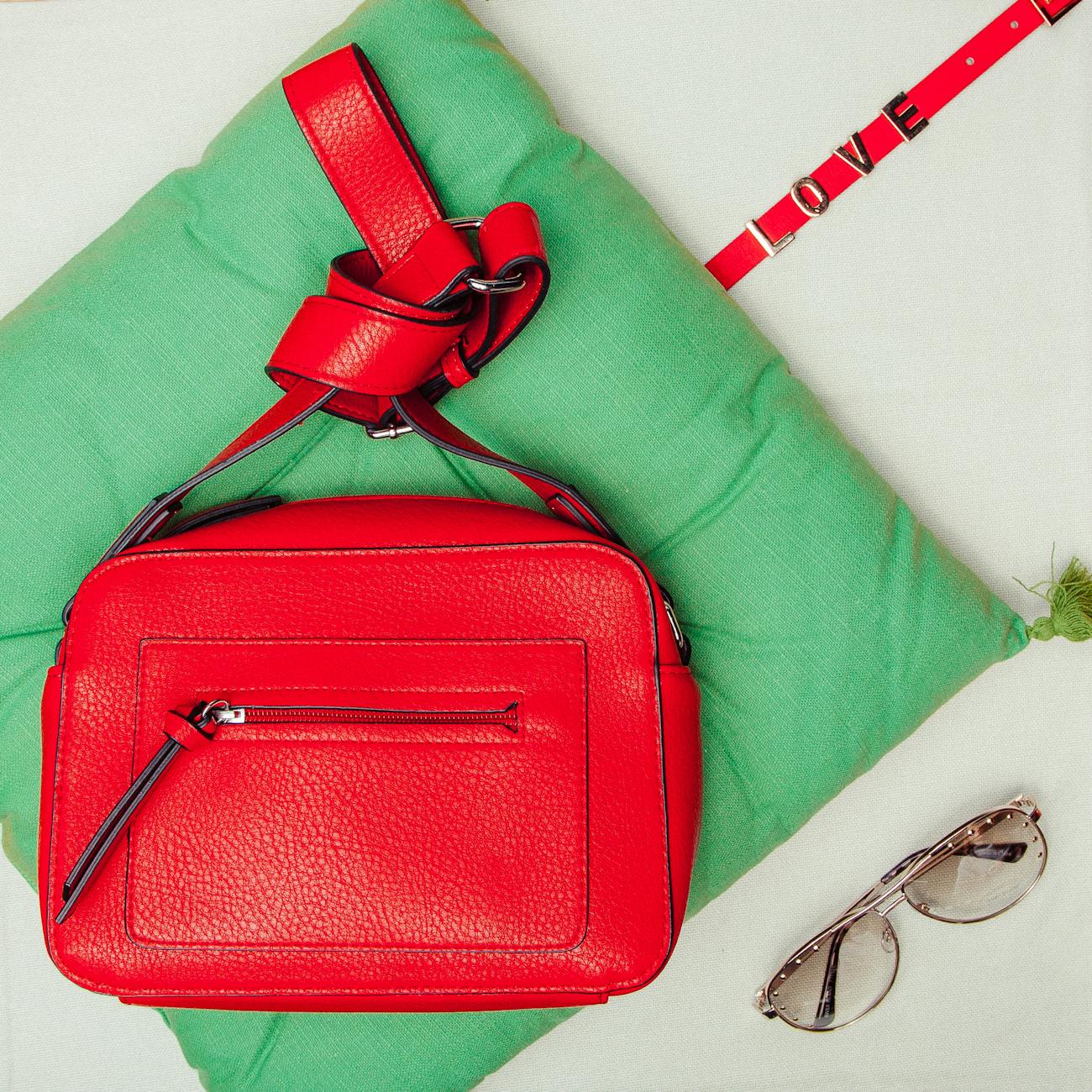
The world of fashion is evolving, and with it, the focus on sustainability has become increasingly important. As consumers become more aware of the environmental and social impacts of their purchasing decisions, the fashion industry is being pushed to adopt more sustainable practices. This includes the realm of fashion accessory design, where designers are tasked with creating products that not only look good but also have a positive impact on the planet and people.
Key Terms and Vocabulary:
1. Sustainability: Sustainability refers to the ability to meet the needs of the present without compromising the ability of future generations to meet their own needs. In fashion accessory design, this means creating products in a way that minimizes negative impacts on the environment, society, and economy.
2. Ethical Fashion: Ethical fashion focuses on ensuring that the entire supply chain of a product is ethical, from the sourcing of materials to the treatment of workers. This includes fair wages, safe working conditions, and environmentally friendly practices.
3. Circular Economy: The circular economy is a model of production and consumption that aims to keep materials in use for as long as possible and minimize waste. In fashion accessory design, this can mean using recycled materials, designing products for longevity, and offering repair services.
4. Upcycling: Upcycling is the process of transforming discarded materials or products into new items of higher value. In fashion accessory design, this can involve repurposing old textiles or accessories to create unique and sustainable pieces.
5. Slow Fashion: Slow fashion is a movement that advocates for a more sustainable and ethical approach to fashion, focusing on quality over quantity and promoting timeless designs that last. In accessory design, this can mean creating pieces that are durable, versatile, and timeless.
6. Transparency: Transparency in fashion refers to openly sharing information about the production process, including where materials are sourced, how products are made, and the impact on workers and the environment. This helps consumers make more informed choices and hold brands accountable.
7. Carbon Footprint: The carbon footprint of a product refers to the total amount of greenhouse gases emitted during its production, distribution, use, and disposal. In fashion accessory design, reducing the carbon footprint can involve using sustainable materials, local production, and eco-friendly packaging.
8. Biodegradable: Biodegradable materials are those that can break down naturally in the environment without causing harm. In accessory design, using biodegradable materials can help reduce the impact of waste on the planet and promote a more sustainable future.
9. Fair Trade: Fair trade is a movement that promotes better trading conditions and empowers producers in developing countries. In fashion accessory design, working with fair trade suppliers ensures that workers are paid fairly and have safe working conditions.
10. Zero Waste: Zero waste fashion aims to eliminate waste throughout the production process, from design to manufacturing to packaging. In accessory design, this can involve using scraps and offcuts creatively, designing patterns to minimize waste, and recycling or composting materials.
11. Local Production: Local production involves manufacturing products close to where they will be sold, reducing the carbon footprint of transportation and supporting local economies. In fashion accessory design, working with local artisans and manufacturers can help promote sustainability and ethical practices.
12. Water Conservation: Water is a precious resource, and fashion production can have a significant impact on water usage and pollution. In accessory design, using water-efficient processes, recycling water, and choosing materials that require less water can help conserve this vital resource.
13. Animal Welfare: Animal welfare in fashion accessory design involves ensuring that materials sourced from animals are ethically and sustainably produced. This can include using cruelty-free materials, such as vegan leather or plant-based fibers, and avoiding products derived from endangered or exploited species.
14. Greenwashing: Greenwashing refers to the practice of making false or misleading claims about the sustainability of a product or brand. In fashion accessory design, it is important to be wary of greenwashing and look for certifications and transparent practices to verify environmental claims.
15. Life Cycle Assessment: A life cycle assessment (LCA) is a method used to evaluate the environmental impact of a product throughout its entire life cycle, from raw material extraction to disposal. In fashion accessory design, conducting LCAs can help identify areas for improvement and make more sustainable choices.
16. Regenerative Agriculture: Regenerative agriculture is a holistic farming approach that aims to improve soil health, biodiversity, and ecosystem resilience. In accessory design, supporting regenerative agriculture practices can help reduce the environmental impact of materials sourcing and promote a more sustainable supply chain.
17. Social Impact: Social impact in fashion accessory design refers to the positive or negative effects that products and brands have on society. This can include supporting local communities, empowering artisans, and advocating for fair labor practices throughout the supply chain.
18. Green Supply Chain: A green supply chain involves sourcing materials, manufacturing, and distributing products in a way that minimizes environmental impact. In accessory design, working with suppliers and partners committed to sustainability can help create a more sustainable and ethical supply chain.
19. Recycling: Recycling involves converting waste materials into new products to prevent waste of potentially useful materials. In fashion accessory design, using recycled materials, such as recycled metals, plastics, or textiles, can help reduce the need for virgin resources and promote a circular economy.
20. Sustainable Fashion: Sustainable fashion encompasses all aspects of the fashion industry, from design to production to consumption, with a focus on minimizing environmental impact and promoting social responsibility. In accessory design, sustainable practices can include using eco-friendly materials, ethical production methods, and transparent supply chains.
Practical Applications:
1. When designing a new fashion accessory, consider the materials you are using and their environmental impact. Look for sustainable alternatives, such as organic cotton, recycled plastics, or plant-based leathers.
2. Collaborate with local artisans or manufacturers to support the local economy and reduce the carbon footprint of production. By working with skilled craftsmen in your community, you can create unique and sustainable accessories that tell a story.
3. Offer repair and maintenance services for your accessories to promote longevity and reduce waste. Encourage customers to repair, reuse, and recycle their accessories to extend their lifespan and minimize their environmental impact.
4. Educate consumers about the importance of sustainable fashion and the impact of their purchasing decisions. By raising awareness and promoting ethical practices, you can inspire others to make more sustainable choices and support brands that align with their values.
5. Consider the entire life cycle of your products, from design to disposal, and look for opportunities to minimize waste and maximize sustainability. Conducting a life cycle assessment can help identify areas for improvement and guide decision-making throughout the design process.
6. Partner with organizations or initiatives that support sustainable practices in the fashion industry, such as Fair Trade certifications, B Corp status, or sustainable fashion networks. By aligning with like-minded partners, you can amplify your impact and promote a more sustainable future for fashion.
Challenges:
1. Balancing sustainability with cost and design constraints can be a challenge for fashion accessory designers. Sustainable materials and processes may be more expensive or limited in availability, requiring creative solutions to meet design goals while minimizing environmental impact.
2. Educating consumers about the value of sustainable fashion and the importance of making informed purchasing decisions can be a slow and ongoing process. Changing consumer behavior and preferences takes time and effort, requiring consistent messaging and transparency from brands.
3. Navigating the complex supply chain of the fashion industry, with multiple stakeholders and global production networks, can be challenging for designers seeking to adopt sustainable practices. Building relationships with ethical suppliers and partners and ensuring transparency throughout the supply chain is essential.
4. Addressing the social impact of fashion accessory design, such as fair labor practices and worker rights, requires ongoing commitment and vigilance. Ensuring that workers are treated ethically and paid fairly throughout the supply chain can be a complex and evolving process.
5. Staying up to date with the latest trends and innovations in sustainable fashion can be a challenge for designers looking to incorporate new practices into their work. Keeping abreast of industry developments and best practices in sustainability is essential for staying relevant and competitive in the market.
6. Overcoming greenwashing and ensuring that sustainability claims are backed up by transparent practices and certifications can be a challenge for designers and brands. Building trust with consumers and demonstrating a genuine commitment to sustainability requires consistent communication and accountability.
Conclusion:
In conclusion, sustainable practices for fashion accessory design are essential for creating a more ethical, environmentally friendly, and socially responsible fashion industry. By incorporating key terms and vocabulary related to sustainability, ethical fashion, circular economy, and more into their work, designers can make a positive impact on the planet and people. Practical applications such as using sustainable materials, supporting local production, and educating consumers can help designers create accessories that are not only beautiful but also sustainable. Despite the challenges of balancing cost, design, and social impact, the benefits of sustainable fashion far outweigh the obstacles. By embracing sustainability and committing to ethical practices, fashion accessory designers can help shape a more sustainable future for the industry and the planet.
Key takeaways
- This includes the realm of fashion accessory design, where designers are tasked with creating products that not only look good but also have a positive impact on the planet and people.
- Sustainability: Sustainability refers to the ability to meet the needs of the present without compromising the ability of future generations to meet their own needs.
- Ethical Fashion: Ethical fashion focuses on ensuring that the entire supply chain of a product is ethical, from the sourcing of materials to the treatment of workers.
- Circular Economy: The circular economy is a model of production and consumption that aims to keep materials in use for as long as possible and minimize waste.
- In fashion accessory design, this can involve repurposing old textiles or accessories to create unique and sustainable pieces.
- Slow Fashion: Slow fashion is a movement that advocates for a more sustainable and ethical approach to fashion, focusing on quality over quantity and promoting timeless designs that last.
- Transparency: Transparency in fashion refers to openly sharing information about the production process, including where materials are sourced, how products are made, and the impact on workers and the environment.