
Production Processes for Fashion Accessories
Production Processes for Fashion Accessories involve a series of steps that transform raw materials into finished products ready for the market. Understanding the key terms and vocabulary related to these processes is essential for professi…
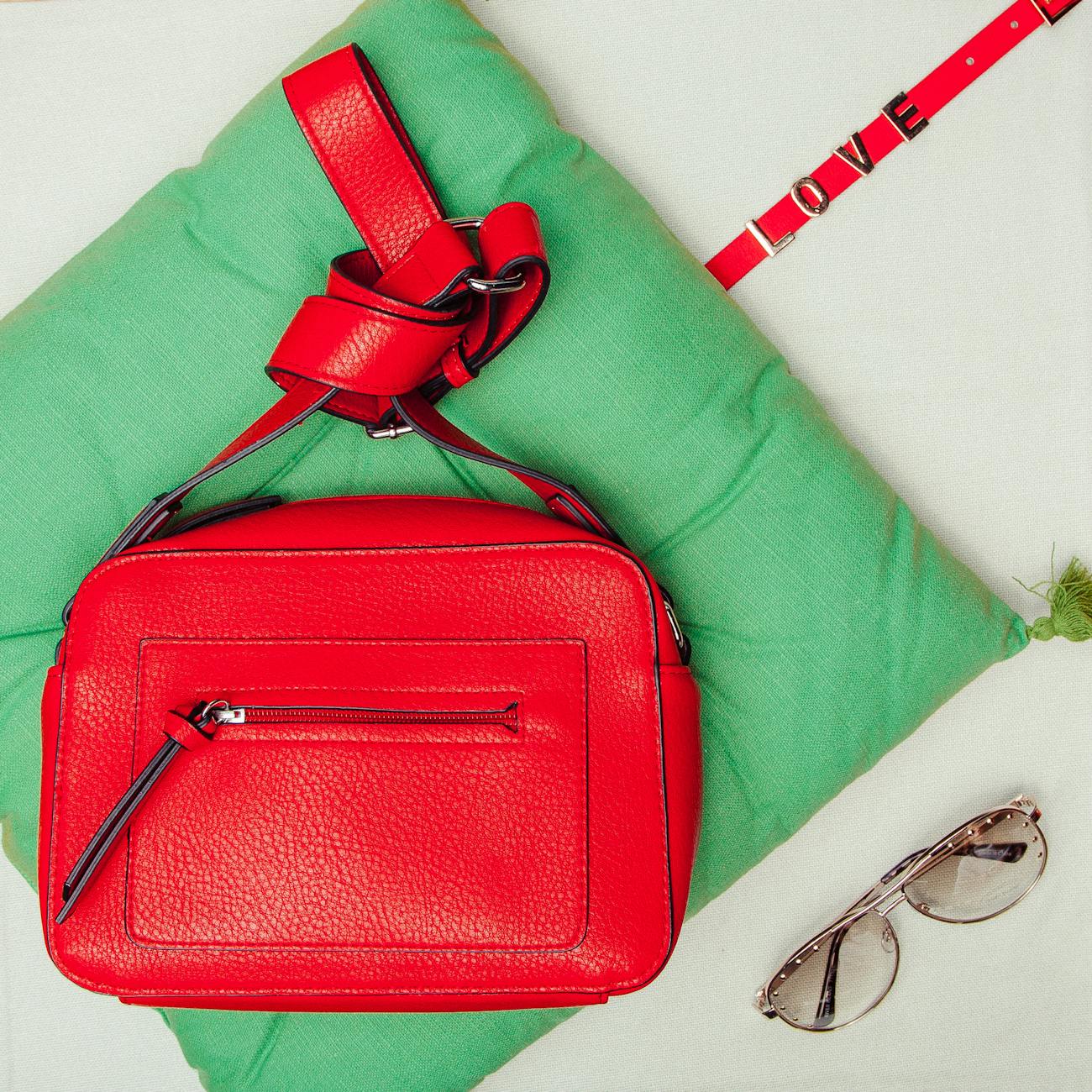
Production Processes for Fashion Accessories involve a series of steps that transform raw materials into finished products ready for the market. Understanding the key terms and vocabulary related to these processes is essential for professionals in the field of Fashion Accessory Design. Let's explore some of the crucial terms that you need to be familiar with to excel in this industry.
1. **Design Process**: The initial stage of creating fashion accessories where designers conceptualize and develop ideas for new products. This stage involves sketching, prototyping, and selecting materials.
2. **Material Selection**: The process of choosing the appropriate materials for a specific fashion accessory based on factors such as aesthetics, functionality, and cost. Materials can range from leather and metals to fabrics and plastics.
3. **Prototyping**: Creating a sample or model of the accessory to test its design, functionality, and aesthetics before mass production. Prototypes help designers identify potential issues and make necessary adjustments.
4. **Pattern Making**: The process of creating a blueprint or template that serves as a guide for cutting and assembling materials to make the accessory. Patterns ensure consistency and accuracy in production.
5. **Cutting**: The process of cutting materials such as leather, fabric, or metal according to the pattern. Precision cutting is crucial to ensure that all components fit together seamlessly during assembly.
6. **Assembly**: Joining the cut pieces together to create the final product. Assembly techniques vary depending on the accessory type and materials used, such as stitching, welding, or gluing.
7. **Finishing**: The final stage of production where accessories are cleaned, polished, and inspected for quality control. Finishing processes may include painting, buffing, or adding embellishments.
8. **Quality Control**: The process of ensuring that each accessory meets the established standards for design, durability, and aesthetics. Quality control measures help identify defects and maintain product consistency.
9. **Mass Production**: Producing a large quantity of accessories using standardized processes and machinery. Mass production allows for economies of scale but requires efficient production lines and quality control systems.
10. **Handcrafting**: Creating accessories using traditional artisanal techniques that emphasize craftsmanship and attention to detail. Handcrafted accessories often have unique qualities and cater to niche markets.
11. **Supply Chain Management**: The coordination of activities involved in sourcing materials, manufacturing products, and delivering them to customers. Effective supply chain management is essential for optimizing production processes and reducing costs.
12. **Sustainability**: The practice of producing fashion accessories in an environmentally and socially responsible manner. Sustainable production processes focus on reducing waste, conserving resources, and promoting ethical labor practices.
13. **Just-in-Time Manufacturing**: A production strategy that aims to minimize inventory and waste by producing accessories only when they are needed. Just-in-time manufacturing requires efficient logistics and close coordination with suppliers.
14. **Outsourcing**: Contracting production tasks to external manufacturers or suppliers. Outsourcing allows fashion accessory companies to focus on design and marketing while leveraging specialized production capabilities.
15. **Lead Time**: The time it takes to complete the production of fashion accessories from the initial order to delivery. Managing lead times is crucial for meeting customer demand and avoiding stockouts.
16. **Costing**: Calculating the total production costs of fashion accessories, including materials, labor, overhead, and profit margins. Accurate costing helps companies set competitive prices and optimize profitability.
17. **Inventory Management**: The process of overseeing and controlling the flow of accessories in stock. Effective inventory management ensures that products are available when needed while minimizing carrying costs and obsolescence.
18. **Packaging and Labeling**: The final stage of preparing fashion accessories for sale by packaging them in attractive containers and adding labels with branding information. Packaging and labeling play a key role in product presentation and marketing.
19. **Compliance**: Ensuring that fashion accessories meet regulatory requirements and industry standards for safety, quality, and labeling. Compliance with regulations is essential for avoiding legal issues and maintaining consumer trust.
20. **Globalization**: The trend of expanding production and distribution networks across international borders. Globalization offers opportunities for accessing new markets and resources but also presents challenges related to cultural differences and trade barriers.
21. **Trend Forecasting**: Analyzing consumer preferences, market trends, and fashion influences to anticipate future demand for fashion accessories. Trend forecasting helps designers create products that resonate with target audiences.
22. **Product Lifecycle**: The stages that a fashion accessory goes through from introduction to decline in the market. Understanding the product lifecycle is essential for planning product updates, promotions, and inventory management.
23. **Digitalization**: The integration of digital technologies such as 3D modeling, virtual prototyping, and e-commerce in production processes. Digitalization improves efficiency, accuracy, and connectivity in the fashion accessory industry.
24. **Collaboration**: Working with other designers, manufacturers, or suppliers to create innovative fashion accessories. Collaboration can lead to synergies, shared resources, and expanded market opportunities.
25. **Blockchain Technology**: A secure and transparent digital ledger that can be used to track the origins of materials, production processes, and supply chains in the fashion accessory industry. Blockchain technology enhances traceability and authenticity.
26. **Circular Economy**: An economic model that aims to minimize waste and maximize resource efficiency by promoting recycling, reusing, and repurposing fashion accessories. The circular economy reduces environmental impact and fosters sustainable practices.
27. **Artificial Intelligence**: The use of AI algorithms and machine learning to improve production processes, analyze consumer data, and optimize supply chain operations in the fashion accessory industry. AI technologies enhance decision-making and automation.
28. **Personalization**: Customizing fashion accessories to meet individual preferences and needs. Personalization can involve monogramming, color choices, or adjustable features to create a unique product for each customer.
29. **Ethical Fashion**: A movement that advocates for fair labor practices, sustainable materials, and transparent supply chains in the fashion industry. Ethical fashion promotes social responsibility and environmental stewardship.
30. **Innovation**: Introducing new ideas, technologies, and designs to improve fashion accessory production processes and create competitive advantages. Innovation drives creativity, efficiency, and differentiation in the market.
Mastering the key terms and vocabulary related to Production Processes for Fashion Accessories is essential for professionals in the field of Fashion Accessory Design. By understanding these concepts, you can effectively navigate the complexities of production, optimize efficiency, and create high-quality accessories that resonate with consumers. Stay informed about industry trends, technological advancements, and best practices to excel in this dynamic and creative field.
Key takeaways
- Production Processes for Fashion Accessories involve a series of steps that transform raw materials into finished products ready for the market.
- **Design Process**: The initial stage of creating fashion accessories where designers conceptualize and develop ideas for new products.
- **Material Selection**: The process of choosing the appropriate materials for a specific fashion accessory based on factors such as aesthetics, functionality, and cost.
- **Prototyping**: Creating a sample or model of the accessory to test its design, functionality, and aesthetics before mass production.
- **Pattern Making**: The process of creating a blueprint or template that serves as a guide for cutting and assembling materials to make the accessory.
- **Cutting**: The process of cutting materials such as leather, fabric, or metal according to the pattern.
- Assembly techniques vary depending on the accessory type and materials used, such as stitching, welding, or gluing.