
Green Building Materials
Green Building Materials are essential components in the construction industry for creating sustainable and environmentally friendly buildings. These materials are designed to reduce the negative impacts of construction on the environment w…
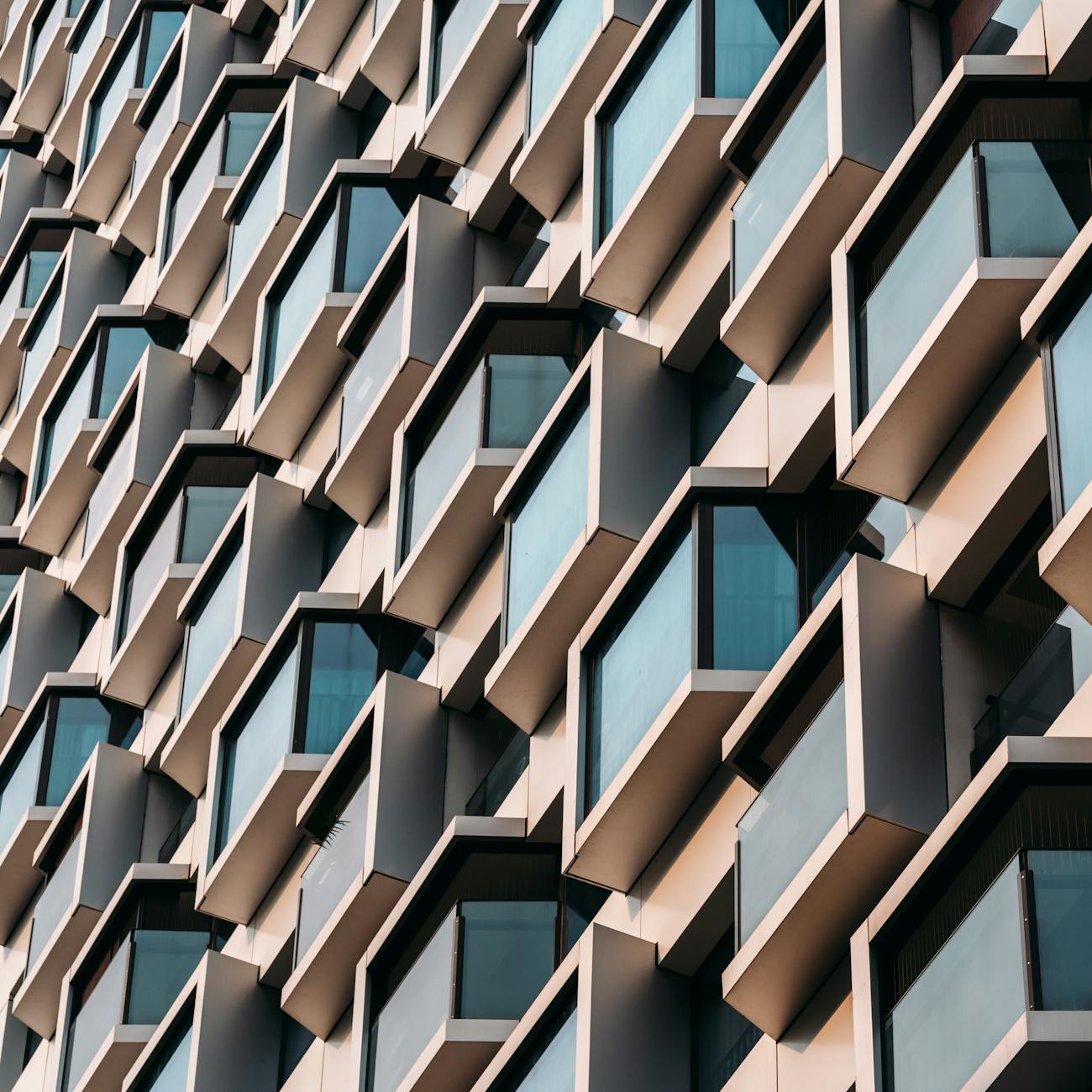
Green Building Materials are essential components in the construction industry for creating sustainable and environmentally friendly buildings. These materials are designed to reduce the negative impacts of construction on the environment while maximizing efficiency and performance. In the Postgraduate Certificate in Sustainable Architecture, understanding key terms and vocabulary related to green building materials is crucial for designing and constructing sustainable buildings.
Sustainability is the core principle behind green building materials. It refers to meeting the needs of the present without compromising the ability of future generations to meet their own needs. Sustainable materials are those that have minimal environmental impact throughout their life cycle, from extraction and manufacturing to use and disposal.
Life Cycle Assessment (LCA) is a comprehensive method for assessing the environmental impacts of a product or material throughout its life cycle. It considers all stages, including raw material extraction, manufacturing, transportation, use, and end-of-life disposal. LCA helps architects and designers make informed decisions about materials selection based on their environmental performance.
Embodied Energy is the total energy consumed in the extraction, processing, manufacturing, and transportation of a material. It is an important consideration in sustainable architecture because materials with high embodied energy contribute significantly to a building's overall environmental impact.
Renewable Resources are materials derived from natural sources that can be replenished over time. Examples include wood from sustainably managed forests, bamboo, and cork. Using renewable resources helps reduce the depletion of finite resources and supports a more sustainable construction industry.
Recycled Materials are products made from post-consumer or post-industrial waste that has been diverted from landfills. Common examples include recycled concrete aggregates, glass, and metal. Incorporating recycled materials into building projects reduces the demand for virgin resources and minimizes waste.
Energy Efficiency is a key consideration in sustainable architecture. Buildings constructed with energy-efficient materials and systems require less energy for heating, cooling, lighting, and ventilation. This not only reduces operational costs but also lowers greenhouse gas emissions associated with energy consumption.
Low-impact Materials are those that have minimal environmental impact in terms of resource depletion, pollution, and waste generation. These materials are typically sourced locally to reduce transportation emissions and are non-toxic to occupants and the environment. Examples include low-VOC paints, natural insulation materials, and permeable paving.
Passive Design is an architectural approach that utilizes natural elements such as sunlight, ventilation, and thermal mass to reduce the need for mechanical heating and cooling. Passive design strategies, when combined with appropriate green building materials, can significantly improve a building's energy efficiency and indoor environmental quality.
Green Certification is a third-party verification process that evaluates a building's sustainability performance based on criteria such as energy efficiency, indoor air quality, water conservation, and materials selection. Certifications like LEED (Leadership in Energy and Environmental Design) and BREEAM (Building Research Establishment Environmental Assessment Method) help architects and designers achieve sustainability goals and demonstrate their commitment to green building practices.
Biophilic Design is an approach that seeks to connect building occupants with nature through the use of natural materials, vegetation, daylight, and views of the outdoors. Incorporating biophilic design elements not only enhances the well-being and productivity of occupants but also reduces the environmental impact of buildings by promoting a closer relationship with the natural environment.
Circular Economy is a model of production and consumption that aims to minimize waste and maximize the reuse, recycling, and repurposing of materials. In the context of green building materials, a circular economy approach involves designing buildings and products with the end goal of creating a closed-loop system where materials are continuously circulated in the economy without being disposed of as waste.
Carbon Footprint is the total amount of greenhouse gases, primarily carbon dioxide, emitted directly or indirectly by human activities. Buildings are significant contributors to carbon emissions due to their energy consumption and materials use. By selecting low-carbon materials and implementing energy-efficient design strategies, architects and designers can reduce the carbon footprint of buildings and mitigate climate change.
Adaptive Reuse is the practice of repurposing existing buildings or structures for new uses instead of demolishing them. Adaptive reuse not only preserves the embodied energy and cultural heritage of buildings but also reduces the environmental impact of construction by minimizing waste and resource consumption. Examples include converting old warehouses into residential lofts or transforming historic buildings into hotels.
Net Zero Energy Building (NZEB) is a building that produces as much energy as it consumes over the course of a year. NZEBs achieve this balance by integrating energy-efficient design, renewable energy systems, and energy storage solutions. Green building materials play a crucial role in achieving net zero energy performance by minimizing energy demand and maximizing energy generation on-site.
Healthy Materials are products that are free from harmful chemicals, volatile organic compounds (VOCs), and other toxins that can impact indoor air quality and human health. Choosing healthy materials for building interiors, such as flooring, paints, and furniture, is essential for creating a healthy indoor environment for occupants and reducing the risk of respiratory problems and other health issues.
Resilient Design is an approach that considers the long-term impacts of climate change, natural disasters, and other environmental challenges on buildings and communities. Resilient design strategies involve using durable materials, designing for adaptability, and incorporating green infrastructure to enhance the resilience of buildings against extreme weather events and other threats.
Smart Materials are innovative materials that have unique properties or capabilities, such as self-healing, self-cleaning, or energy generation. Smart materials can enhance the performance and functionality of buildings while reducing maintenance and operational costs. Examples include phase-change materials for thermal storage, photovoltaic glass for energy generation, and self-healing concrete for durability.
Challenges in implementing green building materials include cost considerations, limited availability of sustainable materials, lack of awareness and education, and resistance to change in traditional construction practices. Overcoming these challenges requires collaboration among architects, designers, manufacturers, policymakers, and building owners to drive innovation and adoption of sustainable materials and practices in the construction industry.
Key takeaways
- In the Postgraduate Certificate in Sustainable Architecture, understanding key terms and vocabulary related to green building materials is crucial for designing and constructing sustainable buildings.
- Sustainable materials are those that have minimal environmental impact throughout their life cycle, from extraction and manufacturing to use and disposal.
- Life Cycle Assessment (LCA) is a comprehensive method for assessing the environmental impacts of a product or material throughout its life cycle.
- It is an important consideration in sustainable architecture because materials with high embodied energy contribute significantly to a building's overall environmental impact.
- Using renewable resources helps reduce the depletion of finite resources and supports a more sustainable construction industry.
- Recycled Materials are products made from post-consumer or post-industrial waste that has been diverted from landfills.
- Buildings constructed with energy-efficient materials and systems require less energy for heating, cooling, lighting, and ventilation.