
Energy Efficiency in Buildings
Energy Efficiency in Buildings: Energy efficiency in buildings is a critical aspect of sustainable architecture that focuses on reducing the amount of energy required to operate a building while maintaining or improving its performance and …
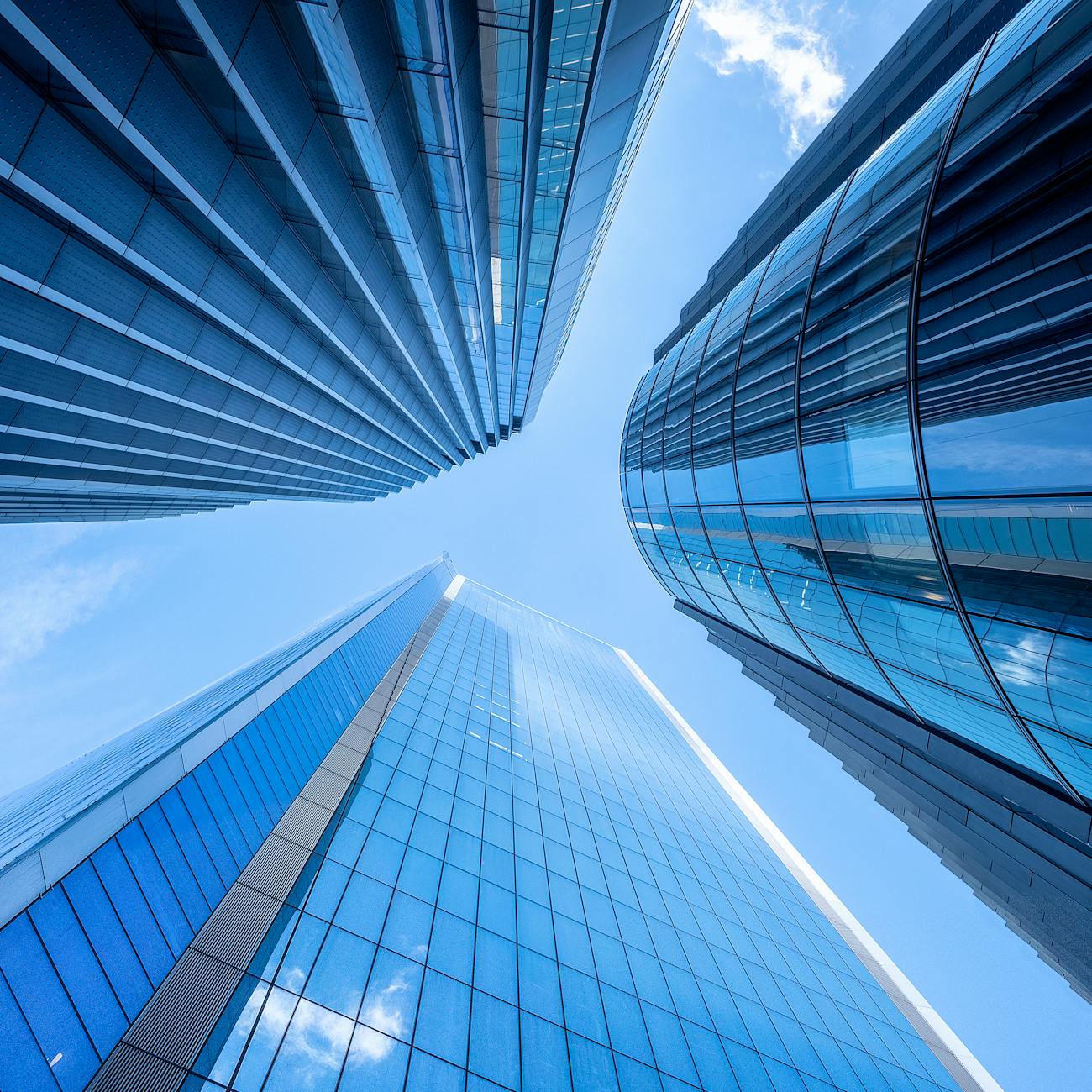
Energy Efficiency in Buildings: Energy efficiency in buildings is a critical aspect of sustainable architecture that focuses on reducing the amount of energy required to operate a building while maintaining or improving its performance and comfort levels. This concept involves implementing various strategies and technologies to minimize energy consumption, lower utility costs, and decrease environmental impact. Energy efficiency in buildings is essential for achieving sustainability goals, reducing carbon emissions, and creating healthier and more comfortable indoor environments for occupants.
Key Terms and Vocabulary:
1. Building Envelope: The building envelope refers to the physical barrier that separates the interior of a building from the external environment. It includes the walls, roof, windows, doors, and foundation. A well-designed building envelope plays a crucial role in energy efficiency by minimizing heat loss in winter and heat gain in summer. Materials with high insulation properties are often used to enhance the performance of the building envelope.
2. Insulation: Insulation is a material used to reduce the transfer of heat between the interior and exterior of a building. It helps maintain a consistent indoor temperature, reducing the need for heating and cooling systems. Common types of insulation include fiberglass, cellulose, foam, and mineral wool. Proper insulation is essential for improving energy efficiency and reducing energy consumption in buildings.
3. HVAC Systems: Heating, ventilation, and air conditioning (HVAC) systems are responsible for maintaining indoor comfort levels in buildings. Energy-efficient HVAC systems use advanced technologies such as variable speed motors, programmable thermostats, and energy recovery ventilation to minimize energy consumption. Proper design, installation, and maintenance of HVAC systems are crucial for maximizing energy efficiency in buildings.
4. Passive Design: Passive design strategies rely on natural elements such as sunlight, ventilation, and thermal mass to heat, cool, and light a building. Passive design features include orientation, shading, natural ventilation, and thermal insulation. By incorporating passive design principles, buildings can reduce their reliance on mechanical systems and improve energy efficiency.
5. Daylighting: Daylighting is the practice of maximizing natural light in a building to reduce the need for artificial lighting. It not only saves energy but also creates a more pleasant and productive indoor environment. Daylighting strategies include using skylights, windows, light shelves, and reflective surfaces to optimize natural light penetration. Effective daylighting design can significantly improve energy efficiency in buildings.
6. Energy Audit: An energy audit is a comprehensive assessment of a building's energy performance to identify opportunities for improving energy efficiency. It involves analyzing energy consumption, evaluating building systems, and recommending energy-saving measures. Energy audits help building owners and designers make informed decisions to reduce energy costs and environmental impact.
7. Renewable Energy: Renewable energy sources such as solar, wind, and geothermal power play a crucial role in enhancing energy efficiency in buildings. By generating clean and sustainable energy on-site, buildings can reduce their reliance on fossil fuels and lower their carbon footprint. Integrating renewable energy systems with energy-efficient technologies can further optimize building performance and environmental sustainability.
8. Energy Management Systems: Energy management systems (EMS) are software tools that monitor, control, and optimize energy consumption in buildings. EMS analyze data from building systems, sensors, and meters to identify energy-saving opportunities and adjust operations accordingly. By implementing an EMS, building owners can track energy usage, identify inefficiencies, and improve overall energy efficiency.
9. Life Cycle Cost Analysis: Life cycle cost analysis (LCCA) is a method for evaluating the total cost of owning and operating a building over its lifespan. It considers upfront costs, operating expenses, maintenance costs, and energy savings to determine the most cost-effective design and technology options. LCCA helps stakeholders make informed decisions about energy-efficient investments and long-term sustainability.
10. Building Codes and Standards: Building codes and standards set minimum requirements for energy efficiency, construction quality, and environmental performance in buildings. Compliance with building codes ensures that new construction and renovation projects meet certain criteria for energy efficiency and sustainability. Adhering to building codes and standards is essential for promoting energy efficiency and reducing environmental impact in the built environment.
11. Thermal Comfort: Thermal comfort refers to the satisfaction of occupants with the temperature, humidity, and air quality in a building. Maintaining optimal thermal comfort levels is essential for promoting productivity, health, and well-being. Energy-efficient building design considers factors such as insulation, ventilation, and shading to achieve thermal comfort while minimizing energy consumption.
12. Green Building Certification: Green building certification programs such as LEED (Leadership in Energy and Environmental Design) and BREEAM (Building Research Establishment Environmental Assessment Method) recognize buildings that meet specific criteria for sustainability and energy efficiency. Achieving green building certification demonstrates a commitment to environmental stewardship, energy conservation, and occupant comfort.
13. Carbon Footprint: A carbon footprint is the total amount of greenhouse gas emissions produced directly or indirectly by an individual, organization, or building. Energy-efficient buildings help reduce carbon footprints by minimizing energy consumption and reliance on fossil fuels. Calculating and reducing the carbon footprint of buildings is essential for combating climate change and promoting environmental sustainability.
14. Energy Star: Energy Star is a voluntary program established by the U.S. Environmental Protection Agency (EPA) to promote energy efficiency and reduce greenhouse gas emissions. Energy Star-certified products and buildings meet strict energy performance criteria and are recognized for their superior energy efficiency. Energy Star ratings help consumers and building owners make informed decisions to save energy and protect the environment.
15. Net Zero Energy Buildings: Net zero energy buildings (NZEBs) are designed to produce as much energy as they consume over the course of a year. NZEBs integrate energy-efficient technologies, renewable energy systems, and energy management strategies to achieve a net zero energy balance. By generating clean energy on-site and minimizing energy demand, NZEBs demonstrate a high level of energy efficiency and environmental sustainability.
16. Energy Modeling: Energy modeling is a simulation tool used to evaluate the energy performance of a building before construction or renovation. It predicts energy consumption, heating and cooling loads, and indoor comfort levels based on building design, orientation, materials, and systems. Energy modeling helps designers optimize energy efficiency, identify potential savings, and meet sustainability goals.
17. Occupant Behavior: Occupant behavior has a significant impact on energy consumption and efficiency in buildings. By promoting energy-saving habits such as turning off lights, adjusting thermostats, and unplugging devices, occupants can contribute to reducing energy waste. Educating occupants about energy conservation and providing feedback on energy usage can help improve overall energy efficiency in buildings.
18. Smart Building Systems: Smart building systems integrate advanced technologies such as sensors, controls, and automation to optimize energy efficiency and occupant comfort. These systems monitor building operations, adjust settings based on occupancy and environmental conditions, and provide real-time feedback on energy usage. Smart building systems help maximize energy savings, improve building performance, and enhance user experience.
19. Energy Storage: Energy storage technologies such as batteries, thermal storage, and flywheels play a crucial role in optimizing energy efficiency in buildings. By storing excess energy from renewable sources or off-peak periods, energy storage systems can balance supply and demand, reduce peak loads, and ensure a reliable energy supply. Integrating energy storage with renewable energy systems enhances energy resilience and sustainability.
20. Retrofitting: Retrofitting is the process of upgrading existing buildings to improve energy efficiency, comfort, and sustainability. It involves implementing energy-saving measures such as insulation, lighting upgrades, HVAC improvements, and renewable energy systems. Retrofitting older buildings can significantly reduce energy consumption, lower operating costs, and extend the lifespan of the structure.
Key takeaways
- Energy efficiency in buildings is essential for achieving sustainability goals, reducing carbon emissions, and creating healthier and more comfortable indoor environments for occupants.
- Building Envelope: The building envelope refers to the physical barrier that separates the interior of a building from the external environment.
- Insulation: Insulation is a material used to reduce the transfer of heat between the interior and exterior of a building.
- Energy-efficient HVAC systems use advanced technologies such as variable speed motors, programmable thermostats, and energy recovery ventilation to minimize energy consumption.
- Passive Design: Passive design strategies rely on natural elements such as sunlight, ventilation, and thermal mass to heat, cool, and light a building.
- Daylighting strategies include using skylights, windows, light shelves, and reflective surfaces to optimize natural light penetration.
- Energy Audit: An energy audit is a comprehensive assessment of a building's energy performance to identify opportunities for improving energy efficiency.