
Climate Responsive Architecture.
Climate Responsive Architecture is a design approach that aims to create buildings that respond effectively to the local climate conditions, maximizing comfort for occupants while minimizing energy consumption. This approach takes into acco…
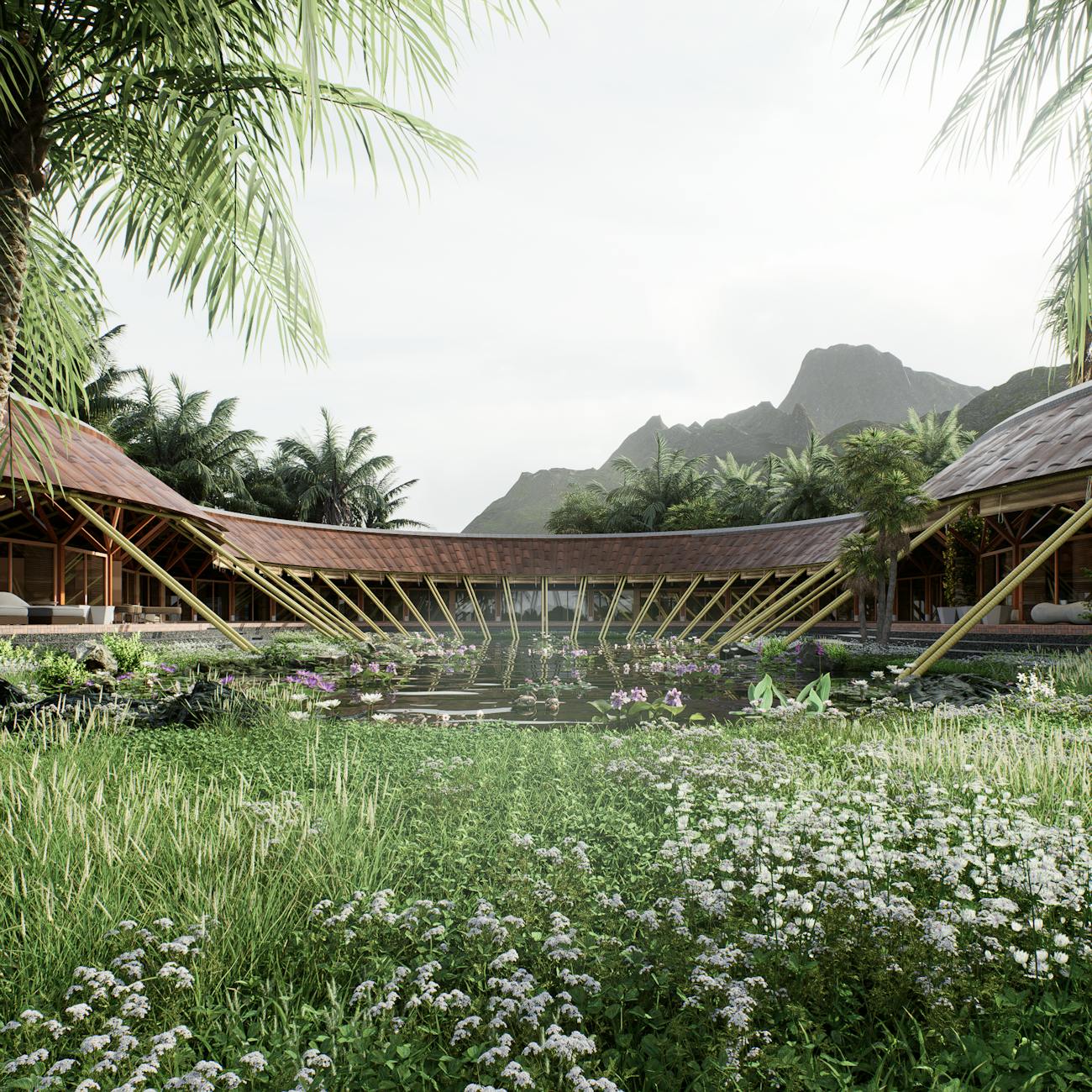
Climate Responsive Architecture is a design approach that aims to create buildings that respond effectively to the local climate conditions, maximizing comfort for occupants while minimizing energy consumption. This approach takes into account various factors such as temperature, humidity, wind patterns, and solar radiation to design buildings that are well-suited to their environment.
Passive Design Strategies are techniques used in Climate Responsive Architecture that rely on natural elements such as sunlight, wind, and shade to regulate indoor temperature and lighting. These strategies aim to reduce the reliance on mechanical systems for heating, cooling, and lighting, thereby minimizing energy consumption and operational costs.
One key concept in Climate Responsive Architecture is Bioclimatic Design, which focuses on designing buildings that harmonize with their natural surroundings. By considering the local climate, topography, and vegetation, architects can create structures that blend seamlessly with the environment and optimize energy performance.
Solar Orientation plays a crucial role in Climate Responsive Architecture. By orienting a building to maximize exposure to the sun in cold climates and minimize it in hot climates, architects can optimize natural heating and cooling processes and reduce the need for artificial heating and cooling systems.
Another important aspect of Climate Responsive Architecture is Thermal Mass. Buildings with high thermal mass can absorb heat during the day and release it at night, helping to stabilize indoor temperatures and reduce the need for mechanical heating and cooling.
Shading is a key element in Climate Responsive Architecture that helps to control solar gain and reduce overheating in buildings. Properly designed shading devices such as overhangs, louvers, and awnings can block direct sunlight in the summer while allowing it to penetrate in the winter, contributing to energy efficiency and occupant comfort.
Natural Ventilation is a passive design strategy that relies on natural airflow to regulate indoor temperatures and improve air quality. By incorporating features such as operable windows, vents, and wind towers, architects can enhance cross-ventilation and reduce the need for mechanical ventilation systems.
Incorporating Green Roofs and Living Walls is another sustainable design strategy in Climate Responsive Architecture. These features help to insulate buildings, reduce heat island effects, improve air quality, and provide habitat for wildlife, contributing to a more sustainable built environment.
Water Management is an important consideration in Climate Responsive Architecture, especially in regions prone to drought or flooding. By implementing rainwater harvesting systems, greywater recycling, and permeable paving, architects can reduce water consumption, minimize runoff, and enhance overall sustainability.
One of the challenges in Climate Responsive Architecture is balancing the need for natural light with the risk of solar heat gain. Architects must carefully design fenestration and glazing to optimize daylighting while minimizing heat gain, using techniques such as low-e coatings, double glazing, and external shading devices.
Another challenge is ensuring adequate insulation and airtightness in buildings to prevent heat loss in cold climates and heat gain in hot climates. Architects must carefully select materials and construction techniques to achieve optimal thermal performance while minimizing energy consumption and operational costs.
Incorporating renewable energy sources such as solar panels, wind turbines, and geothermal systems is another key aspect of Climate Responsive Architecture. By generating clean energy on-site, buildings can reduce their reliance on fossil fuels and contribute to a more sustainable energy future.
Overall, Climate Responsive Architecture offers a holistic approach to sustainable design that considers the interplay between buildings, their occupants, and the environment. By integrating passive design strategies, renewable energy technologies, and water management systems, architects can create buildings that are not only energy-efficient and comfortable but also resilient to the challenges of climate change.
Key takeaways
- Climate Responsive Architecture is a design approach that aims to create buildings that respond effectively to the local climate conditions, maximizing comfort for occupants while minimizing energy consumption.
- Passive Design Strategies are techniques used in Climate Responsive Architecture that rely on natural elements such as sunlight, wind, and shade to regulate indoor temperature and lighting.
- By considering the local climate, topography, and vegetation, architects can create structures that blend seamlessly with the environment and optimize energy performance.
- By orienting a building to maximize exposure to the sun in cold climates and minimize it in hot climates, architects can optimize natural heating and cooling processes and reduce the need for artificial heating and cooling systems.
- Buildings with high thermal mass can absorb heat during the day and release it at night, helping to stabilize indoor temperatures and reduce the need for mechanical heating and cooling.
- Properly designed shading devices such as overhangs, louvers, and awnings can block direct sunlight in the summer while allowing it to penetrate in the winter, contributing to energy efficiency and occupant comfort.
- By incorporating features such as operable windows, vents, and wind towers, architects can enhance cross-ventilation and reduce the need for mechanical ventilation systems.