
Fire Scene Examination
Fire Scene Examination is a critical aspect of fire investigation that involves the systematic collection, preservation, and analysis of physical evidence to determine the origin, cause, and circumstances surrounding a fire incident. This p…
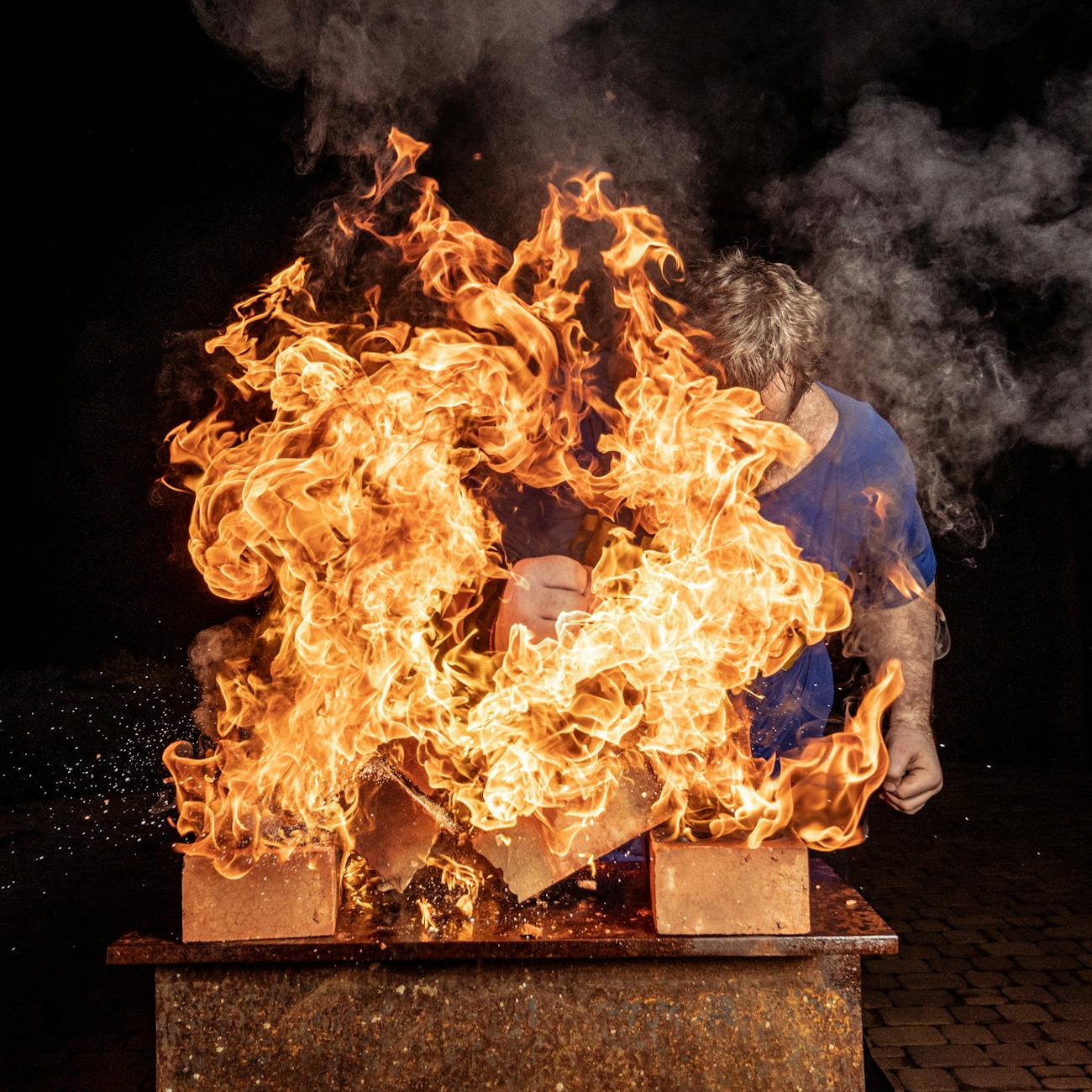
Fire Scene Examination is a critical aspect of fire investigation that involves the systematic collection, preservation, and analysis of physical evidence to determine the origin, cause, and circumstances surrounding a fire incident. This process requires a thorough understanding of various key terms and vocabulary to effectively conduct an investigation and draw accurate conclusions. In this course, we will explore essential terms related to fire scene examination to enhance your knowledge and skills in fire investigation.
1. **Fire Triangle**: The Fire Triangle represents the three elements necessary for a fire to occur: fuel, heat, and oxygen. Without one of these elements, a fire cannot start or continue burning.
2. **Fire Tetrahedron**: The Fire Tetrahedron expands on the Fire Triangle by adding a fourth element, chemical chain reaction. This element is crucial for fires involving combustible materials that undergo chemical reactions during combustion.
3. **Arson**: Arson is the deliberate act of setting fire to property or buildings with malicious intent. It is a criminal offense and a common focus of fire investigations.
4. **Incendiary Fire**: An incendiary fire is a fire intentionally set by an individual or group. These fires are typically set for malicious reasons, such as insurance fraud or vandalism.
5. **Accidental Fire**: An accidental fire is a fire that occurs unintentionally due to human error, equipment malfunction, or natural causes. Accidental fires are common in residential, commercial, and industrial settings.
6. **Origin**: The origin of a fire refers to the point where the fire first ignited. Determining the origin is essential in understanding how the fire started and spread throughout the scene.
7. **Cause**: The cause of a fire is the factor or event that initiated the ignition process. Identifying the cause helps investigators determine the circumstances leading to the fire incident.
8. **Fire Pattern**: Fire patterns are observable markings left by flames, smoke, and heat during a fire. These patterns provide valuable information about the fire's behavior, direction of spread, and intensity.
9. **V-pattern**: A V-pattern is a common fire pattern that indicates the direction of fire spread. V-patterns are often found on walls, ceilings, and other surfaces affected by the fire.
10. **Burn Patterns**: Burn patterns are distinct markings left on surfaces exposed to fire. These patterns can help investigators reconstruct the fire's progression and identify potential ignition sources.
11. **Flashover**: Flashover is a rapid and intense fire phenomenon where all combustible materials in a room or enclosed space reach their ignition temperature simultaneously. Flashover poses a significant risk to firefighters and can destroy evidence at the scene.
12. **Backdraft**: Backdraft occurs when oxygen is reintroduced to a fire-starved environment, causing a sudden and explosive increase in fire intensity. Recognizing the signs of backdraft is crucial for firefighter safety and fire investigation.
13. **Fire Debris**: Fire debris refers to the remnants of burned materials found at a fire scene. Analyzing fire debris can help investigators determine the types of materials involved in the fire and potential accelerants used.
14. **Accelerant**: An accelerant is a substance used to increase the speed or intensity of a fire. Common accelerants include gasoline, kerosene, and lighter fluid. Detecting accelerants in fire debris is key to identifying arson cases.
15. **Fire Dynamics**: Fire dynamics is the study of how fires start, spread, and behave in different environments. Understanding fire dynamics is essential for predicting fire behavior and conducting effective fire scene examinations.
16. **Fire Behavior**: Fire behavior refers to how a fire develops and reacts to its surroundings. Factors such as fuel type, ventilation, and heat release rate influence fire behavior and impact the investigation process.
17. **Fire Load**: The fire load is the total amount of combustible materials present in a space that can contribute to a fire. High fire loads increase the fire's intensity and spread, posing greater challenges for investigators.
18. **Fire Investigation**: Fire investigation is the process of determining the origin, cause, and circumstances of a fire incident. Investigators use scientific methods and techniques to gather evidence, analyze data, and draw conclusions about the fire.
19. **NFPA 921**: NFPA 921 is the Guide for Fire and Explosion Investigations published by the National Fire Protection Association (NFPA). This document provides standards and best practices for conducting fire investigations and analyzing fire scene evidence.
20. **Fire Scene Documentation**: Fire scene documentation involves recording and preserving evidence at the fire scene. Photographs, sketches, notes, and videos are essential tools for documenting the scene and reconstructing the fire event.
21. **Chain of Custody**: Chain of custody is the documented trail of evidence from the time it is collected at the fire scene to its presentation in court. Maintaining a secure chain of custody is crucial for ensuring the integrity and admissibility of evidence.
22. **Fire Cause Classification**: Fire cause classification categorizes the factors contributing to a fire incident into specific classes, such as accidental, incendiary, natural, or undetermined. Classifying the fire cause helps investigators focus their analysis and conclusions.
23. **Fire Scene Reconstruction**: Fire scene reconstruction is the process of piecing together evidence, witness statements, and fire dynamics to recreate the sequence of events leading to a fire. Reconstruction helps investigators understand the fire's progression and identify critical points of interest.
24. **Fire Protection Systems**: Fire protection systems are designed to detect, suppress, or contain fires in buildings and structures. Common fire protection systems include fire alarms, sprinklers, smoke detectors, and fire extinguishers.
25. **Fire Behavior Indicators**: Fire behavior indicators are physical signs and patterns left behind by a fire that reveal important information about its development and characteristics. Recognizing and interpreting these indicators is essential for effective fire scene examination.
26. **Fire Investigation Report**: A fire investigation report documents the findings, analysis, and conclusions of a fire investigation. The report summarizes the evidence collected, the cause of the fire, and any recommendations for fire prevention or safety measures.
27. **Wildfire Investigation**: Wildfire investigation involves determining the origin, cause, and spread of wildfires in natural or wildland areas. Wildfire investigators work to prevent and mitigate the impact of wildfires on communities and ecosystems.
28. **Fire Modeling**: Fire modeling uses computer simulations and mathematical equations to predict fire behavior, spread, and impact in different scenarios. Fire modeling enhances fire investigation by providing insights into complex fire dynamics and outcomes.
29. **Fire Protection Engineering**: Fire protection engineering focuses on designing and implementing measures to prevent, detect, and suppress fires in buildings and structures. Fire protection engineers play a vital role in enhancing fire safety and reducing fire risks.
30. **Fire Safety Codes**: Fire safety codes are regulations and standards established to ensure buildings and facilities meet minimum safety requirements for fire prevention and protection. Compliance with fire safety codes is essential for maintaining a safe environment and minimizing fire hazards.
31. **Fire Investigation Training**: Fire investigation training provides firefighters, law enforcement officials, and fire investigators with the knowledge and skills needed to conduct thorough and effective fire investigations. Training programs cover various aspects of fire science, evidence collection, and report writing.
32. **Fire Scene Preservation**: Fire scene preservation involves securing and protecting the fire scene to prevent contamination or destruction of evidence. Preserving the scene allows investigators to gather accurate and reliable information for analysis and reconstruction.
33. **Fire Cause Analysis**: Fire cause analysis examines the factors and conditions that led to a fire incident. Investigators use scientific methods and principles to analyze evidence and determine the primary cause of the fire.
34. **Fire Investigation Techniques**: Fire investigation techniques include physical examination, chemical analysis, witness interviews, and fire modeling. Combining multiple techniques helps investigators uncover the truth behind a fire incident and support their findings with solid evidence.
35. **Fire Investigation Tools**: Fire investigation tools encompass a wide range of equipment and resources used to collect, analyze, and interpret fire scene evidence. Tools such as cameras, evidence bags, fire debris kits, and measuring devices are essential for conducting thorough investigations.
36. **Fire Investigation Challenges**: Fire investigation presents various challenges, including volatile fire scenes, limited evidence, witness credibility, and legal complexities. Overcoming these challenges requires expertise, critical thinking, and attention to detail in the investigative process.
37. **Fire Investigator Certification**: Fire investigator certification validates an individual's knowledge and competency in conducting fire investigations. Certification programs typically involve training, examinations, and practical experience to ensure investigators meet industry standards and best practices.
38. **Fire Scene Contamination**: Fire scene contamination occurs when outside elements or individuals disturb or alter the fire scene, compromising the integrity of evidence. Preventing contamination is crucial for preserving the scene and conducting a thorough investigation.
39. **Fire Investigation Ethics**: Fire investigation ethics encompass professional conduct, integrity, and honesty in the investigative process. Adhering to ethical standards ensures the reliability and credibility of fire investigation findings and reports.
40. **Fire Investigation Resources**: Fire investigation resources include books, journals, websites, and organizations dedicated to fire science and investigation. Accessing reliable resources enhances investigators' knowledge base and supports their ongoing professional development.
By familiarizing yourself with these key terms and vocabulary related to fire scene examination, you will be better equipped to navigate the complexities of fire investigations, analyze evidence effectively, and draw informed conclusions about fire incidents. As you progress through this course, apply these terms in practice scenarios, case studies, and discussions to deepen your understanding and proficiency in fire scene examination. Remember, attention to detail, critical thinking, and a systematic approach are essential for successful fire investigation outcomes.
Key takeaways
- Fire Scene Examination is a critical aspect of fire investigation that involves the systematic collection, preservation, and analysis of physical evidence to determine the origin, cause, and circumstances surrounding a fire incident.
- **Fire Triangle**: The Fire Triangle represents the three elements necessary for a fire to occur: fuel, heat, and oxygen.
- **Fire Tetrahedron**: The Fire Tetrahedron expands on the Fire Triangle by adding a fourth element, chemical chain reaction.
- **Arson**: Arson is the deliberate act of setting fire to property or buildings with malicious intent.
- **Incendiary Fire**: An incendiary fire is a fire intentionally set by an individual or group.
- **Accidental Fire**: An accidental fire is a fire that occurs unintentionally due to human error, equipment malfunction, or natural causes.
- Determining the origin is essential in understanding how the fire started and spread throughout the scene.