
Arson Investigation
Arson Investigation is a critical aspect of fire investigation that focuses on determining the cause and origin of fires that have been intentionally set. It involves a thorough examination of fire scenes, collection of evidence, analysis o…
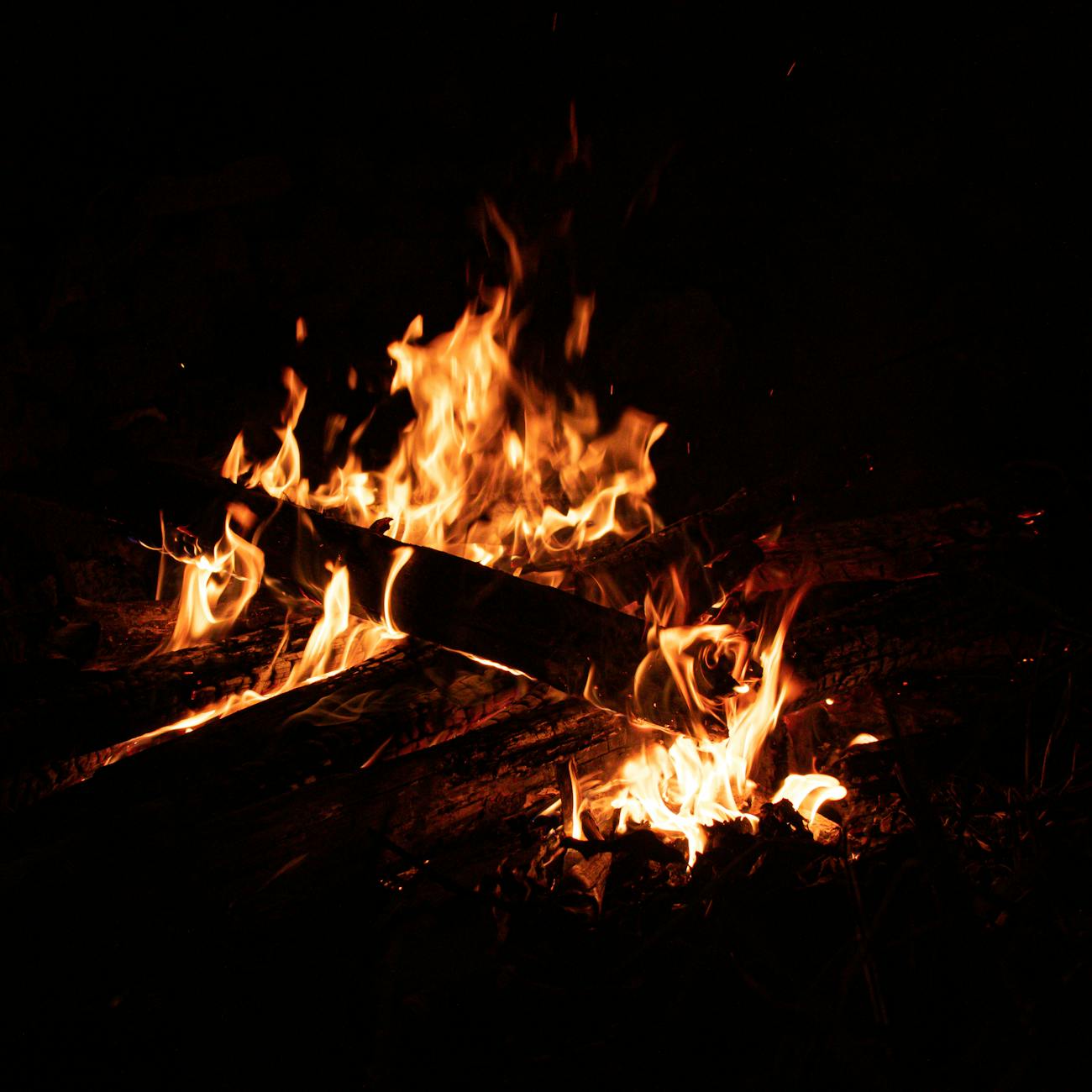
Arson Investigation is a critical aspect of fire investigation that focuses on determining the cause and origin of fires that have been intentionally set. It involves a thorough examination of fire scenes, collection of evidence, analysis of data, and collaboration with various agencies to identify suspects and prosecute individuals responsible for arson.
**Arson:** Arson is the act of intentionally setting fire to property, buildings, vehicles, or other structures with malicious intent. It is a serious crime that can result in significant property damage, injury, or loss of life.
**Fire Investigation:** Fire investigation is the process of determining the cause, origin, and circumstances of a fire. It involves collecting evidence, analyzing data, and conducting interviews to establish the facts surrounding a fire incident.
**Incendiary Device:** An incendiary device is a tool or substance used to start a fire intentionally. Examples include matches, lighters, accelerants, or homemade devices such as Molotov cocktails.
**Fire Scene:** The fire scene is the location where a fire occurred. It may include buildings, vehicles, outdoor areas, or other structures affected by the fire.
**Evidence:** Evidence is any object, material, or information that can be used to prove or disprove facts related to a fire incident. Examples of evidence in arson investigations include burn patterns, debris, accelerant residues, witness statements, and surveillance footage.
**Origin:** The origin of a fire is the point where the fire first ignited. Determining the origin of a fire is crucial in understanding how the fire spread and identifying potential causes.
**Cause:** The cause of a fire is the factor or event that initiated the fire. Common causes of fires include electrical faults, cooking accidents, heating equipment malfunctions, and arson.
**Accelerant:** An accelerant is a substance used to speed up the ignition and spread of a fire. Common accelerants include gasoline, kerosene, alcohol, and other flammable liquids.
**Burn Patterns:** Burn patterns are visible marks left on surfaces or objects by flames, heat, or smoke during a fire. Analyzing burn patterns can help investigators determine the direction of fire spread and identify potential ignition sources.
**Witness Interview:** Witness interviews involve speaking with individuals who were present before, during, or after a fire incident. Witness statements can provide valuable information about suspicious activities, potential suspects, or unusual behavior that may be relevant to the investigation.
**Surveillance Footage:** Surveillance footage captured by security cameras or other monitoring devices can provide valuable evidence in arson investigations. Analyzing footage can help identify suspects, track movements, or establish timelines of events leading up to a fire.
**Fire Dynamics:** Fire dynamics is the study of how fires start, spread, and behave in different environments. Understanding fire dynamics is essential for fire investigators to determine the cause and origin of a fire accurately.
**Collection of Evidence:** Collecting evidence at a fire scene involves documenting, preserving, and analyzing physical materials that may be relevant to the investigation. Proper collection and handling of evidence are essential to maintain its integrity and admissibility in court.
**Chain of Custody:** The chain of custody is a documented record of the handling and storage of evidence from the time it is collected until it is presented in court. Maintaining a secure chain of custody is essential to ensure the reliability and authenticity of evidence.
**Forensic Analysis:** Forensic analysis involves using scientific methods and techniques to examine evidence and draw conclusions about a fire incident. Forensic tools such as DNA analysis, fingerprinting, chemical testing, and fire debris analysis can provide valuable insights for arson investigations.
**Interview Techniques:** Interview techniques are methods used to gather information from witnesses, suspects, or other individuals involved in a fire incident. Effective interview techniques include active listening, open-ended questions, rapport building, and cognitive interviewing.
**Legal Considerations:** Arson investigations are subject to legal considerations, including search and seizure laws, chain of custody requirements, rules of evidence, and proper documentation of investigative procedures. Investigators must adhere to legal standards to ensure the admissibility of evidence in court.
**Collaboration:** Collaboration with other agencies such as law enforcement, fire departments, forensic labs, insurance companies, and legal professionals is essential in arson investigations. Working together allows investigators to pool resources, share expertise, and pursue leads effectively.
**Arson for Profit:** Arson for profit is a motive for intentionally setting fires to collect insurance money, eliminate competition, or achieve financial gain. Detecting arson for profit requires financial analysis, motive assessment, and evidence of fraud.
**Serial Arson:** Serial arson involves a pattern of intentionally setting multiple fires over time. Identifying patterns, commonalities, and motives in serial arson cases can help investigators link incidents and apprehend suspects.
**Reconstruction:** Fire reconstruction involves recreating the sequence of events leading up to a fire to understand how it started and spread. Reconstruction methods include computer simulations, physical models, and analysis of fire dynamics.
**Psychological Profiling:** Psychological profiling is a technique used to assess the behavior, motives, and personality traits of arson suspects. Understanding the psychological profile of an arsonist can help investigators narrow down suspects and predict future behavior.
**Arson Investigation Challenges:** Arson investigations present several challenges, including destruction of evidence, lack of witnesses, complex fire scenes, false leads, and legal obstacles. Overcoming these challenges requires thorough training, expertise, and collaboration with other professionals.
**Arson Investigation Techniques:** Arson investigation techniques include fire scene examination, evidence collection, witness interviews, surveillance analysis, forensic analysis, motive assessment, suspect profiling, and case documentation. Combining these techniques allows investigators to build a comprehensive case and bring perpetrators to justice.
**Expert Witness Testimony:** Expert witnesses are professionals with specialized knowledge and experience in fire investigation who can provide testimony in court. Expert witness testimony can help clarify complex technical issues, interpret evidence, and provide insights into the cause and origin of fires.
**Arson Investigation Technology:** Technology plays a crucial role in modern arson investigations, with tools such as drones, thermal imaging cameras, 3D scanners, GIS mapping software, and forensic analysis equipment enhancing the efficiency and accuracy of fire scene examinations.
**Arson Investigation Training:** Training in arson investigation is essential for fire investigators to develop the knowledge, skills, and expertise needed to conduct thorough, objective, and effective investigations. Training programs cover topics such as fire dynamics, evidence collection, forensic analysis, legal considerations, and investigative techniques.
**Arson Investigation Certification:** Certification in arson investigation validates an investigator's expertise and credentials in the field. Obtaining certification from recognized organizations such as the International Association of Arson Investigators (IAAI) demonstrates a commitment to professional standards and ethical practices in fire investigation.
**Arson Investigation Resources:** Resources for arson investigation include reference books, online databases, forensic labs, training programs, professional organizations, and industry publications. Staying informed about the latest research, trends, and best practices in arson investigation is essential for professional development and continuous learning.
**Conclusion:** Arson investigation is a complex and challenging field that requires a combination of technical expertise, forensic analysis, legal knowledge, and investigative skills. By applying best practices, collaborating with other professionals, and staying updated on the latest technologies and techniques, fire investigators can effectively combat arson and ensure justice for victims of intentionally set fires.
Key takeaways
- It involves a thorough examination of fire scenes, collection of evidence, analysis of data, and collaboration with various agencies to identify suspects and prosecute individuals responsible for arson.
- **Arson:** Arson is the act of intentionally setting fire to property, buildings, vehicles, or other structures with malicious intent.
- It involves collecting evidence, analyzing data, and conducting interviews to establish the facts surrounding a fire incident.
- **Incendiary Device:** An incendiary device is a tool or substance used to start a fire intentionally.
- It may include buildings, vehicles, outdoor areas, or other structures affected by the fire.
- Examples of evidence in arson investigations include burn patterns, debris, accelerant residues, witness statements, and surveillance footage.
- Determining the origin of a fire is crucial in understanding how the fire spread and identifying potential causes.