
Explosives and Fire Investigation
Explosives and Fire Investigation
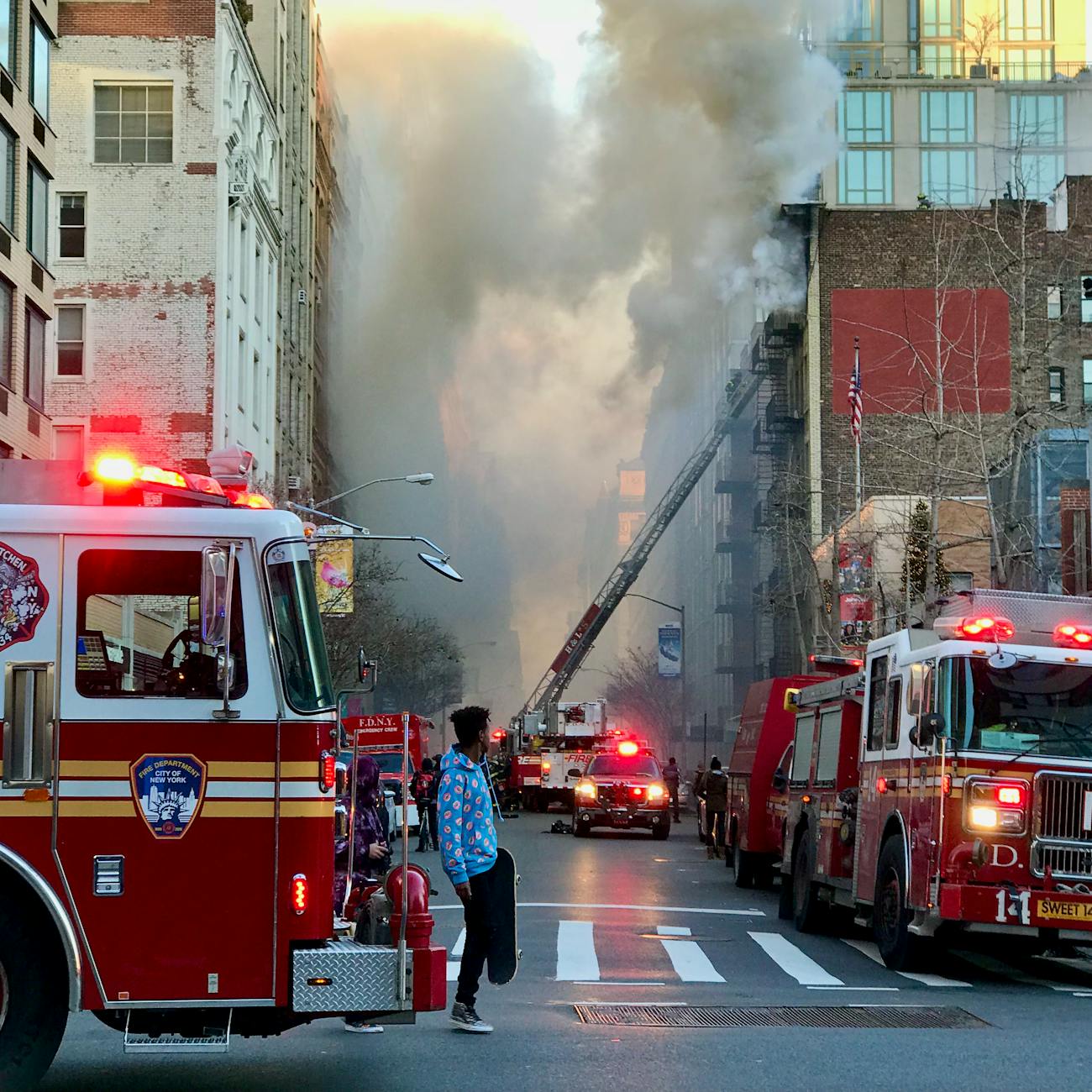
Explosives and Fire Investigation
Introduction
Fire investigation is a crucial aspect of forensic science that aims to determine the cause, origin, and development of fires. Explosives and fire investigation is a specialized field within fire investigation that focuses on incidents involving explosive materials. Understanding key terms and vocabulary in this area is essential for professionals working in fire investigation, law enforcement, emergency services, and related fields. This guide will provide a comprehensive explanation of key terms and concepts related to explosives and fire investigation.
Explosives
Explosives are substances or devices that are designed to release energy rapidly in the form of heat, light, sound, and pressure. They can be classified into two main categories: high explosives and low explosives.
High Explosives
High explosives are substances that detonate when initiated, producing a supersonic shockwave. These explosives include materials such as TNT (trinitrotoluene), RDX (cyclotrimethylenetrinitramine), PETN (pentaerythritol tetranitrate), and HMX (cyclotetramethylenetetranitramine). High explosives are commonly used in military applications, mining, and construction.
Low Explosives
Low explosives are substances that deflagrate when initiated, producing a subsonic combustion wave. These explosives include materials such as black powder, smokeless powder, and flash powder. Low explosives are commonly used in fireworks, ammunition, and pyrotechnics.
Primary Explosives
Primary explosives are extremely sensitive explosives that are used as initiators for detonating more stable secondary explosives. Examples of primary explosives include lead azide, lead styphnate, and mercury fulminate.
Secondary Explosives
Secondary explosives are relatively stable explosives that require a primary explosive or strong initiating device to detonate. Examples of secondary explosives include TNT, RDX, PETN, and HMX.
Detonation
Detonation is the rapid combustion of an explosive material that produces a shockwave traveling at supersonic speeds. This shockwave creates a high-pressure wave that can cause significant damage to surrounding structures and objects.
Deflagration
Deflagration is the rapid combustion of an explosive material that produces a subsonic combustion wave. Deflagration is characteristic of low explosives and occurs at a slower rate than detonation.
Blast Wave
The blast wave is the high-pressure wave that results from the detonation or deflagration of an explosive material. The blast wave travels outward from the point of explosion, causing damage to structures, injuries to individuals, and other effects.
Fire Investigation
Fire investigation is the process of determining the cause, origin, and development of a fire. It involves collecting and analyzing evidence to reconstruct the events leading up to the fire and identify any criminal activity or negligence.
Arson
Arson is the criminal act of intentionally setting fire to property or structures. Arson investigations are a critical part of fire investigation and often involve collaboration with law enforcement agencies.
Fire Pattern Analysis
Fire pattern analysis is the examination of burn patterns, smoke patterns, and other physical evidence to determine the origin and spread of a fire. This analysis helps investigators reconstruct the events that occurred during a fire.
Accelerants
Accelerants are substances that are used to increase the rate of combustion in a fire. Common accelerants include gasoline, kerosene, alcohol, and other flammable liquids. Detecting accelerants at a fire scene can indicate arson.
Flashover
Flashover is the stage in a fire where all combustible materials in a room reach their ignition temperature simultaneously, resulting in a rapid and widespread fire. Flashover can complicate fire investigation by destroying evidence of the fire's origin.
Backdraft
Backdraft is a sudden explosion or rapid combustion of heated gases that occurs when oxygen is introduced into a fire that has consumed all available oxygen. Backdraft can pose a significant danger to firefighters and investigators.
Fire Debris Analysis
Fire debris analysis is the examination of residues collected from a fire scene to identify the presence of accelerants or other substances. This analysis can provide crucial evidence in arson investigations.
Fire Behavior
Fire behavior refers to the way a fire develops, spreads, and interacts with its environment. Understanding fire behavior is essential for fire investigators to determine the cause and origin of a fire accurately.
Ignition Source
The ignition source is the heat, spark, or flame that initiates combustion in a fire. Identifying the ignition source is a key part of fire investigation to determine how a fire started.
Challenges in Explosives and Fire Investigation
Explosives and fire investigation present unique challenges for investigators due to the volatile nature of explosive materials and the destructive power of fires. Some of the challenges in this field include:
- Safety: Working with explosive materials and fire scenes can be hazardous for investigators. Proper safety protocols and equipment are essential to minimize the risk of injury.
- Contamination: Explosive residues and fire debris can easily be contaminated at a scene, affecting the accuracy of analysis and investigation. Controlling contamination is crucial for reliable results.
- Evidence Preservation: Fires and explosions can destroy valuable evidence, making it challenging for investigators to reconstruct events accurately. Proper evidence collection and preservation are key in these investigations.
- Legal Considerations: Arson investigations and cases involving explosives often have legal implications. Investigators must follow strict protocols and procedures to ensure the admissibility of evidence in court.
- Interdisciplinary Collaboration: Explosives and fire investigation often require collaboration between multiple agencies and experts, including forensic scientists, chemists, engineers, and law enforcement personnel. Effective communication and teamwork are essential in these cases.
Conclusion
Explosives and fire investigation are complex fields that require specialized knowledge and skills. Understanding key terms and concepts in this area is essential for professionals working in fire investigation, law enforcement, emergency services, and related fields. By familiarizing themselves with the terminology and vocabulary presented in this guide, investigators can enhance their ability to conduct thorough and accurate investigations of fires and explosions.
Key takeaways
- Understanding key terms and vocabulary in this area is essential for professionals working in fire investigation, law enforcement, emergency services, and related fields.
- Explosives are substances or devices that are designed to release energy rapidly in the form of heat, light, sound, and pressure.
- These explosives include materials such as TNT (trinitrotoluene), RDX (cyclotrimethylenetrinitramine), PETN (pentaerythritol tetranitrate), and HMX (cyclotetramethylenetetranitramine).
- Low explosives are substances that deflagrate when initiated, producing a subsonic combustion wave.
- Primary explosives are extremely sensitive explosives that are used as initiators for detonating more stable secondary explosives.
- Secondary explosives are relatively stable explosives that require a primary explosive or strong initiating device to detonate.
- Detonation is the rapid combustion of an explosive material that produces a shockwave traveling at supersonic speeds.