
Luxury Yacht Maintenance
Luxury Yacht Maintenance
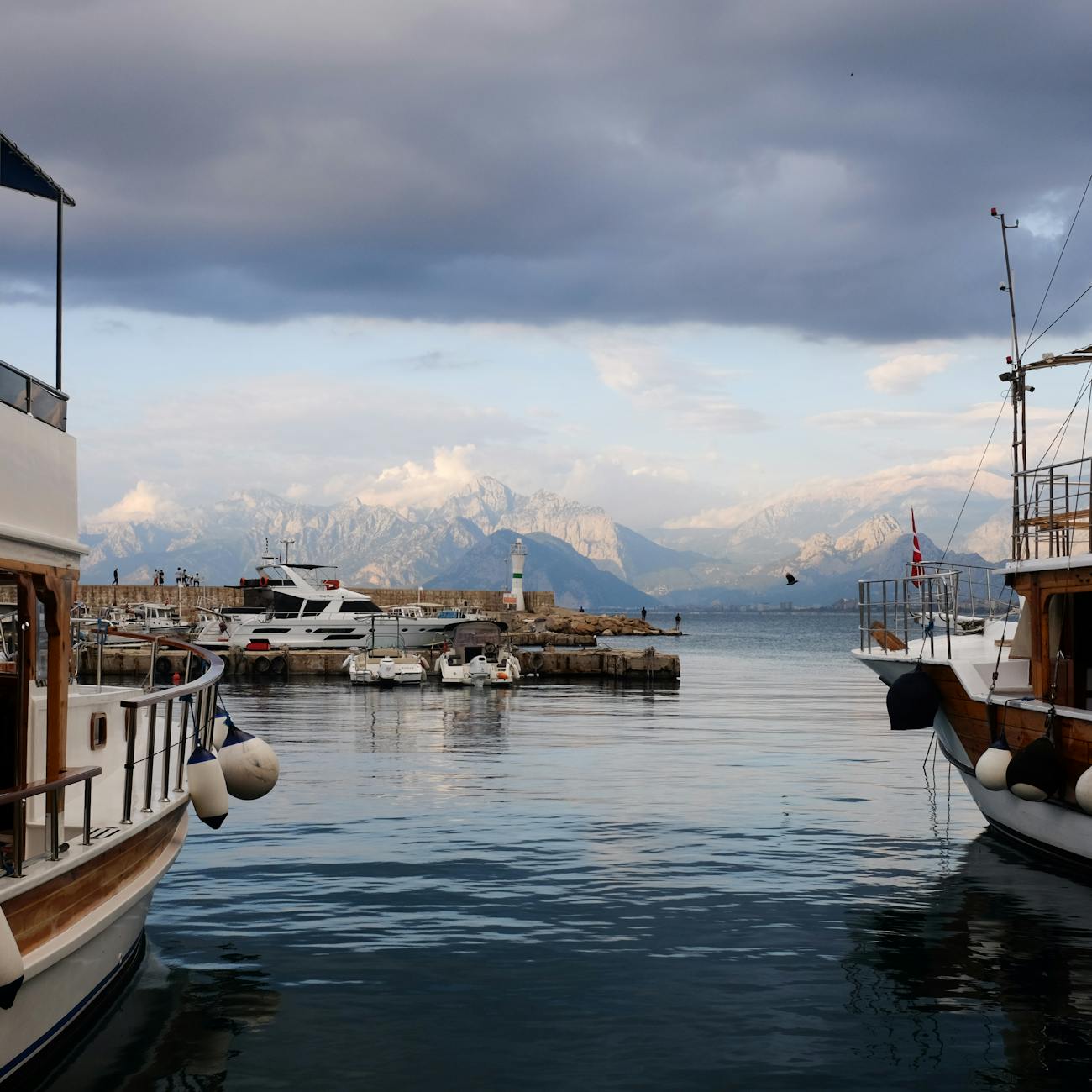
Luxury Yacht Maintenance
Luxury Yacht Maintenance is a crucial aspect of yacht management that ensures the vessel is kept in optimal condition, both aesthetically and functionally. It involves a series of routine tasks, inspections, and repairs to prevent deterioration and maintain the value of the yacht.
Key Terms and Vocabulary
1. Hull The hull is the main body of the yacht, typically made of fiberglass or steel, that provides buoyancy and structural support. It is essential to regularly inspect and maintain the hull to prevent corrosion, cracks, or other structural issues.
2. Engine Room The engine room is the space on the yacht where the main engines, generators, and other mechanical equipment are located. Regular maintenance of the engine room is critical to ensure the proper functioning of the propulsion system and other onboard machinery.
3. Anti-fouling Anti-fouling is a protective coating applied to the hull of the yacht to prevent the growth of marine organisms such as barnacles, algae, and mussels. Regularly reapplying anti-fouling paint is essential to maintain the performance and fuel efficiency of the yacht.
4. Anodes Anodes, also known as sacrificial anodes, are metal pieces attached to the hull of the yacht to protect it from galvanic corrosion. Anodes corrode instead of the hull, preventing damage to the yacht's metal components.
5. Propellers The propellers are the rotating blades that propel the yacht through the water. Regular inspection and maintenance of the propellers are essential to ensure efficient propulsion and prevent damage from marine growth or debris.
6. Bilge Pumps Bilge pumps are pumps located in the lowest part of the yacht's hull that remove water that accumulates in the bilge. Proper maintenance of bilge pumps is crucial to prevent flooding and damage to the yacht's interior.
7. Teak Decking Teak decking is a popular choice for luxury yacht decks due to its durability and aesthetic appeal. Regular cleaning and maintenance of teak decking are essential to prevent discoloration, mold growth, and deterioration.
8. Gelcoat The gelcoat is a protective outer layer on the hull of fiberglass yachts that provides a glossy finish and protects the underlying fiberglass from UV rays and water damage. Regular polishing and waxing of the gelcoat are necessary to maintain its appearance and integrity.
9. Electrical Systems The electrical systems on a yacht include wiring, batteries, generators, and other components that provide power for lighting, navigation, communication, and other onboard systems. Regular inspection and maintenance of electrical systems are essential to ensure safety and reliability.
10. Safety Equipment Safety equipment on a yacht includes life jackets, fire extinguishers, flares, and other items that are essential for the safety of passengers and crew. Regular inspection and maintenance of safety equipment are critical to ensure compliance with regulations and to be prepared for emergencies.
11. Watermaker A watermaker is a device onboard a yacht that converts seawater into fresh drinking water through a process of reverse osmosis. Regular maintenance of the watermaker is essential to ensure a reliable supply of fresh water for onboard use.
12. Stabilizers Stabilizers are devices fitted to a yacht to reduce rolling motion and improve stability in rough seas. Regular maintenance of stabilizers is essential to ensure their proper functioning and to enhance passenger comfort.
13. Exterior Detailing Exterior detailing of a yacht involves cleaning, polishing, and waxing the hull, superstructure, and other exterior surfaces to maintain a pristine appearance. Regular exterior detailing is essential for preserving the yacht's value and enhancing its visual appeal.
14. Interior Maintenance Interior maintenance of a yacht includes cleaning, polishing, and repairing the interior surfaces, furniture, fixtures, and fittings. Regular interior maintenance is crucial to create a comfortable and luxurious environment for passengers and crew.
15. Dry Docking Dry docking is the process of taking a yacht out of the water for inspection, maintenance, and repairs. Dry docking is typically done every few years and allows for thorough maintenance of the hull, propellers, and other below-waterline components.
16. Class Survey A class survey is an inspection conducted by a classification society to ensure that a yacht meets the required safety and quality standards. Class surveys are typically done at regular intervals and are essential for maintaining the yacht's classification and seaworthiness.
17. Warranty Service Warranty service is the maintenance and repair work covered by the manufacturer's warranty. It is essential to follow the manufacturer's guidelines for warranty service to ensure that any defects or issues are addressed promptly and at no additional cost.
18. Preventive Maintenance Preventive maintenance involves planned inspections, servicing, and repairs to prevent equipment failure and ensure the reliability of onboard systems. Preventive maintenance is essential for minimizing downtime, reducing repair costs, and extending the lifespan of yacht components.
19. Emergency Repairs Emergency repairs are unscheduled maintenance tasks required to address sudden equipment failures or safety hazards. Crew members should be trained to respond quickly and effectively to emergency repairs to ensure the safety of passengers and crew.
20. Environmental Compliance Environmental compliance involves adhering to regulations and best practices for minimizing the environmental impact of yacht operations. Proper waste management, fuel spill prevention, and use of eco-friendly products are essential for maintaining environmental compliance.
21. Crew Training Crew training is essential to ensure that all crew members are knowledgeable and skilled in yacht maintenance procedures, safety protocols, and emergency response. Ongoing training and professional development are essential for maintaining a high level of service and safety onboard.
22. Budgeting and Planning Budgeting and planning for yacht maintenance involve estimating costs, prioritizing tasks, and scheduling maintenance activities to ensure that the yacht is kept in optimal condition within budget constraints. Effective budgeting and planning are essential for avoiding unexpected expenses and downtime.
23. Documentation and Record Keeping Documentation and record-keeping are essential for tracking maintenance activities, inspections, repairs, and equipment history. Comprehensive and accurate records are crucial for demonstrating compliance with regulations, warranty requirements, and industry standards.
24. Vendor Management Vendor management involves sourcing and coordinating external suppliers and service providers for yacht maintenance, repairs, and upgrades. Effective vendor management is essential for ensuring quality workmanship, timely service, and cost-effective solutions.
25. Communication and Reporting Effective communication and reporting are essential for coordinating maintenance activities, sharing information with stakeholders, and documenting progress. Clear and timely communication helps to ensure that all parties are informed and aligned on maintenance priorities and outcomes.
26. Challenges in Luxury Yacht Maintenance Luxury yacht maintenance poses several challenges due to the complexity of modern yachts, the harsh marine environment, regulatory requirements, and budget constraints. Some common challenges include:
- Access to specialized equipment and expertise for maintenance tasks. - Balancing the demands of maintenance with the operational schedule of the yacht. - Managing the costs of maintenance within budget constraints. - Adhering to strict environmental regulations and sustainability practices. - Ensuring compliance with classification society requirements and industry standards. - Handling unexpected breakdowns and emergency repairs effectively. - Managing the training and competency of crew members in maintenance procedures. - Maintaining accurate documentation and records for regulatory compliance and warranty requirements.
Conclusion
In conclusion, luxury yacht maintenance is a multifaceted and essential aspect of yacht management that requires careful planning, execution, and oversight. By understanding key terms and vocabulary related to yacht maintenance, yacht managers can effectively navigate the challenges and complexities of maintaining a luxury yacht to the highest standards of safety, quality, and performance. Proper maintenance not only preserves the value of the yacht but also ensures the comfort and satisfaction of passengers and crew. It is imperative for yacht managers to stay informed about best practices, regulations, and industry trends to deliver exceptional yacht maintenance services.
Key takeaways
- Luxury Yacht Maintenance is a crucial aspect of yacht management that ensures the vessel is kept in optimal condition, both aesthetically and functionally.
- Hull The hull is the main body of the yacht, typically made of fiberglass or steel, that provides buoyancy and structural support.
- Engine Room The engine room is the space on the yacht where the main engines, generators, and other mechanical equipment are located.
- Anti-fouling Anti-fouling is a protective coating applied to the hull of the yacht to prevent the growth of marine organisms such as barnacles, algae, and mussels.
- Anodes Anodes, also known as sacrificial anodes, are metal pieces attached to the hull of the yacht to protect it from galvanic corrosion.
- Regular inspection and maintenance of the propellers are essential to ensure efficient propulsion and prevent damage from marine growth or debris.
- Bilge Pumps Bilge pumps are pumps located in the lowest part of the yacht's hull that remove water that accumulates in the bilge.