
Environmental Sustainability in Yachting
Environmental sustainability in yachting is a critical concept that involves the responsible use of resources and practices to ensure the long-term health of the marine environment. It encompasses various aspects such as reducing carbon emi…
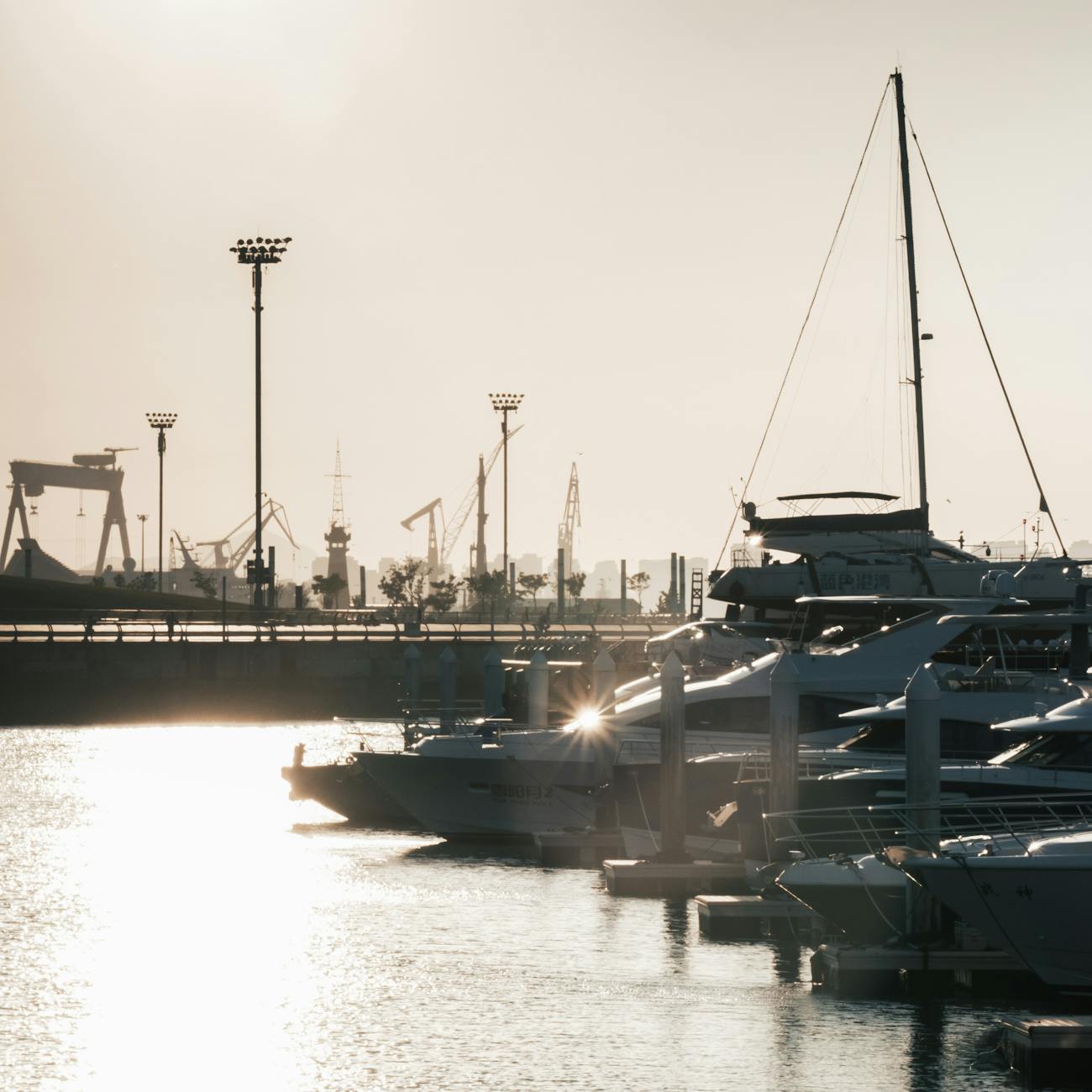
Environmental sustainability in yachting is a critical concept that involves the responsible use of resources and practices to ensure the long-term health of the marine environment. It encompasses various aspects such as reducing carbon emissions, minimizing waste, protecting marine life, and promoting eco-friendly behaviors. This comprehensive guide will delve into key terms and vocabulary related to environmental sustainability in yachting, providing a solid foundation for understanding and implementing sustainable practices in the luxury yacht management industry.
**1. Environmental Sustainability**
Environmental sustainability refers to the ability to maintain the balance of natural ecosystems over time by conserving resources, reducing pollution, and minimizing environmental impact. In yachting, environmental sustainability involves adopting practices that support the health of marine ecosystems and reduce the industry's carbon footprint.
**2. Marine Environment**
The marine environment encompasses all living and non-living components of the ocean, including marine life, water, sediments, and coastal areas. Protecting the marine environment is essential for ensuring the health of ecosystems and biodiversity.
**3. Carbon Footprint**
A carbon footprint is the total amount of greenhouse gases, primarily carbon dioxide, emitted directly or indirectly by human activities. In yachting, carbon emissions can come from fuel combustion, energy consumption, and waste generation. Minimizing the carbon footprint is crucial for reducing the industry's impact on climate change.
**4. Greenhouse Gases**
Greenhouse gases are gases that trap heat in the Earth's atmosphere, contributing to the greenhouse effect and global warming. Common greenhouse gases include carbon dioxide, methane, and nitrous oxide. Yachts emit greenhouse gases through fuel combustion and energy consumption, which can contribute to climate change.
**5. Sustainable Yachting**
Sustainable yachting involves adopting environmentally friendly practices to reduce the impact of yachting activities on the marine environment. This includes using eco-friendly materials, implementing energy-efficient technologies, and promoting responsible waste management.
**6. Eco-friendly Materials**
Eco-friendly materials are sustainable alternatives to traditional materials that have a lower environmental impact. Examples include recycled plastic, bamboo, and organic cotton. Using eco-friendly materials in yacht construction and maintenance can help reduce resource consumption and pollution.
**7. Energy Efficiency**
Energy efficiency refers to using energy in a way that minimizes waste and maximizes output. In yachting, energy-efficient technologies such as LED lighting, solar panels, and hybrid propulsion systems can reduce fuel consumption and lower greenhouse gas emissions.
**8. Waste Management**
Waste management involves handling, storing, and disposing of waste in a responsible manner to minimize environmental impact. Yachts generate various types of waste, including food waste, plastic pollution, and hazardous materials. Implementing proper waste management practices is essential for protecting the marine environment.
**9. Plastic Pollution**
Plastic pollution is the accumulation of plastic waste in the environment, particularly in oceans and waterways. Single-use plastics, such as bottles, bags, and straws, pose a significant threat to marine life and ecosystems. Yachts can help combat plastic pollution by reducing plastic use onboard and participating in beach clean-up initiatives.
**10. Biodiversity**
Biodiversity refers to the variety of living organisms in a particular ecosystem, including plants, animals, and microorganisms. Marine biodiversity is essential for maintaining ecosystem balance and resilience. Yachts should strive to protect marine biodiversity by avoiding sensitive habitats and minimizing disturbances to marine life.
**11. Sustainable Tourism**
Sustainable tourism focuses on minimizing the environmental, social, and cultural impact of tourism activities while promoting conservation and community engagement. Yachts play a role in sustainable tourism by adhering to environmental regulations, supporting local conservation efforts, and educating guests about marine conservation.
**12. Environmental Regulations**
Environmental regulations are laws and policies that govern the use of natural resources, waste management, pollution control, and conservation efforts. Yachts must comply with local and international environmental regulations to minimize their impact on the marine environment and avoid fines or penalties.
**13. International Maritime Organization (IMO)**
The International Maritime Organization (IMO) is a specialized agency of the United Nations that sets global standards for the safety, security, and environmental performance of international shipping. The IMO has developed regulations such as the MARPOL Convention to address marine pollution from ships, including yachts.
**14. Marine Conservation**
Marine conservation involves protecting and preserving marine ecosystems, species, and habitats through conservation initiatives, research, and education. Yachts can support marine conservation efforts by participating in marine protected areas, promoting sustainable fishing practices, and minimizing disturbances to marine wildlife.
**15. Sustainable Development Goals (SDGs)**
The Sustainable Development Goals (SDGs) are a set of 17 global goals adopted by the United Nations to address social, economic, and environmental challenges. Yachts can contribute to the SDGs by aligning their operations with goals related to climate action, life below water, and sustainable cities and communities.
**16. Life Cycle Assessment (LCA)**
Life Cycle Assessment (LCA) is a methodology for evaluating the environmental impact of a product, process, or activity throughout its life cycle, from raw material extraction to disposal. Yachts can conduct LCAs to identify opportunities for reducing energy consumption, emissions, and waste generation.
**17. Environmental Management System (EMS)**
An Environmental Management System (EMS) is a framework for managing an organization's environmental responsibilities in a systematic and effective manner. Yachts can implement an EMS to establish environmental objectives, monitor performance, and continuously improve sustainability practices.
**18. Clean Marina Program**
The Clean Marina Program is a voluntary certification program that encourages marinas and yacht clubs to adopt environmentally friendly practices and reduce pollution in waterways. Yachts can support Clean Marina Programs by adhering to best practices for waste management, spill prevention, and habitat protection.
**19. Green Anchoring**
Green anchoring refers to anchoring practices that minimize damage to sensitive marine habitats, such as seagrass beds and coral reefs. Yachts can practice green anchoring by using eco-friendly anchor materials, avoiding anchoring in protected areas, and following anchoring guidelines to protect marine ecosystems.
**20. Renewable Energy**
Renewable energy sources, such as solar, wind, and hydroelectric power, are derived from natural and sustainable sources that can be replenished over time. Yachts can harness renewable energy technologies to reduce reliance on fossil fuels, lower emissions, and promote sustainable energy practices.
**21. Ocean Conservation**
Ocean conservation focuses on protecting and preserving the world's oceans through conservation initiatives, research, and advocacy. Yachts can support ocean conservation efforts by participating in marine research projects, advocating for marine protection, and promoting sustainable ocean practices.
**22. Emission Reduction**
Emission reduction involves decreasing the amount of greenhouse gases and pollutants released into the atmosphere through various activities, such as transportation, energy production, and waste management. Yachts can reduce emissions by optimizing engine performance, using alternative fuels, and implementing energy-saving measures onboard.
**23. Environmental Education**
Environmental education involves raising awareness and promoting understanding of environmental issues, conservation practices, and sustainable behaviors. Yachts can provide environmental education to guests, crew members, and local communities to foster a culture of environmental stewardship and promote sustainable yachting practices.
**24. Eco-Tourism**
Eco-tourism focuses on responsible travel to natural areas that conserves the environment and improves the well-being of local communities. Yachts can engage in eco-tourism by offering sustainable travel experiences, supporting local conservation projects, and minimizing environmental impact during excursions.
**25. Sustainable Supply Chain**
A sustainable supply chain involves sourcing, producing, and distributing goods and services in an environmentally and socially responsible manner. Yachts can promote sustainability in their supply chain by partnering with eco-friendly suppliers, reducing packaging waste, and prioritizing products with minimal environmental impact.
**26. Blue Economy**
The blue economy refers to sustainable economic activities that harness the potential of oceans and coastal resources while preserving marine ecosystems and biodiversity. Yachts can contribute to the blue economy by supporting sustainable ocean industries, such as marine tourism, aquaculture, and renewable energy.
**27. Responsible Sourcing**
Responsible sourcing involves selecting suppliers and products that meet ethical and environmental standards, such as fair labor practices, sustainable sourcing, and minimal environmental impact. Yachts can practice responsible sourcing by choosing eco-friendly materials, supporting local artisans, and verifying the sustainability credentials of suppliers.
**28. Climate Resilience**
Climate resilience refers to the ability of ecosystems, communities, and infrastructure to withstand and adapt to the impacts of climate change, such as sea-level rise, extreme weather events, and ocean acidification. Yachts can promote climate resilience by supporting adaptation measures, investing in sustainable infrastructure, and advocating for climate action.
**29. Environmental Stewardship**
Environmental stewardship involves taking responsibility for the protection and preservation of natural resources, ecosystems, and biodiversity. Yachts can demonstrate environmental stewardship by implementing sustainable practices, supporting conservation initiatives, and engaging in environmental advocacy to protect the marine environment.
**30. Sustainable Practices**
Sustainable practices are actions and behaviors that minimize environmental impact, conserve resources, and promote social responsibility. Yachts can adopt sustainable practices such as energy conservation, waste reduction, and community engagement to enhance environmental sustainability and promote responsible yachting.
In conclusion, environmental sustainability in yachting is a multifaceted concept that requires a holistic approach to minimize the industry's impact on the marine environment. By embracing sustainable practices, promoting eco-friendly behaviors, and supporting marine conservation efforts, luxury yacht management professionals can contribute to the long-term health and vitality of the oceans and coastal areas. It is essential for the yachting industry to prioritize environmental sustainability and take proactive steps to protect marine ecosystems, reduce carbon emissions, and promote responsible stewardship of the marine environment. By incorporating these key terms and vocabulary into their operations, luxury yacht management professionals can play a vital role in advancing sustainability in yachting and ensuring a more sustainable future for generations to come.
Key takeaways
- Environmental sustainability in yachting is a critical concept that involves the responsible use of resources and practices to ensure the long-term health of the marine environment.
- Environmental sustainability refers to the ability to maintain the balance of natural ecosystems over time by conserving resources, reducing pollution, and minimizing environmental impact.
- The marine environment encompasses all living and non-living components of the ocean, including marine life, water, sediments, and coastal areas.
- A carbon footprint is the total amount of greenhouse gases, primarily carbon dioxide, emitted directly or indirectly by human activities.
- Greenhouse gases are gases that trap heat in the Earth's atmosphere, contributing to the greenhouse effect and global warming.
- Sustainable yachting involves adopting environmentally friendly practices to reduce the impact of yachting activities on the marine environment.
- Using eco-friendly materials in yacht construction and maintenance can help reduce resource consumption and pollution.