
Luxury Yacht Design and Construction
Luxury Yacht Design and Construction is a complex and multifaceted field that requires a deep understanding of various key terms and vocabulary to successfully navigate. In the course Certificate in Luxury Yacht Management, students will en…
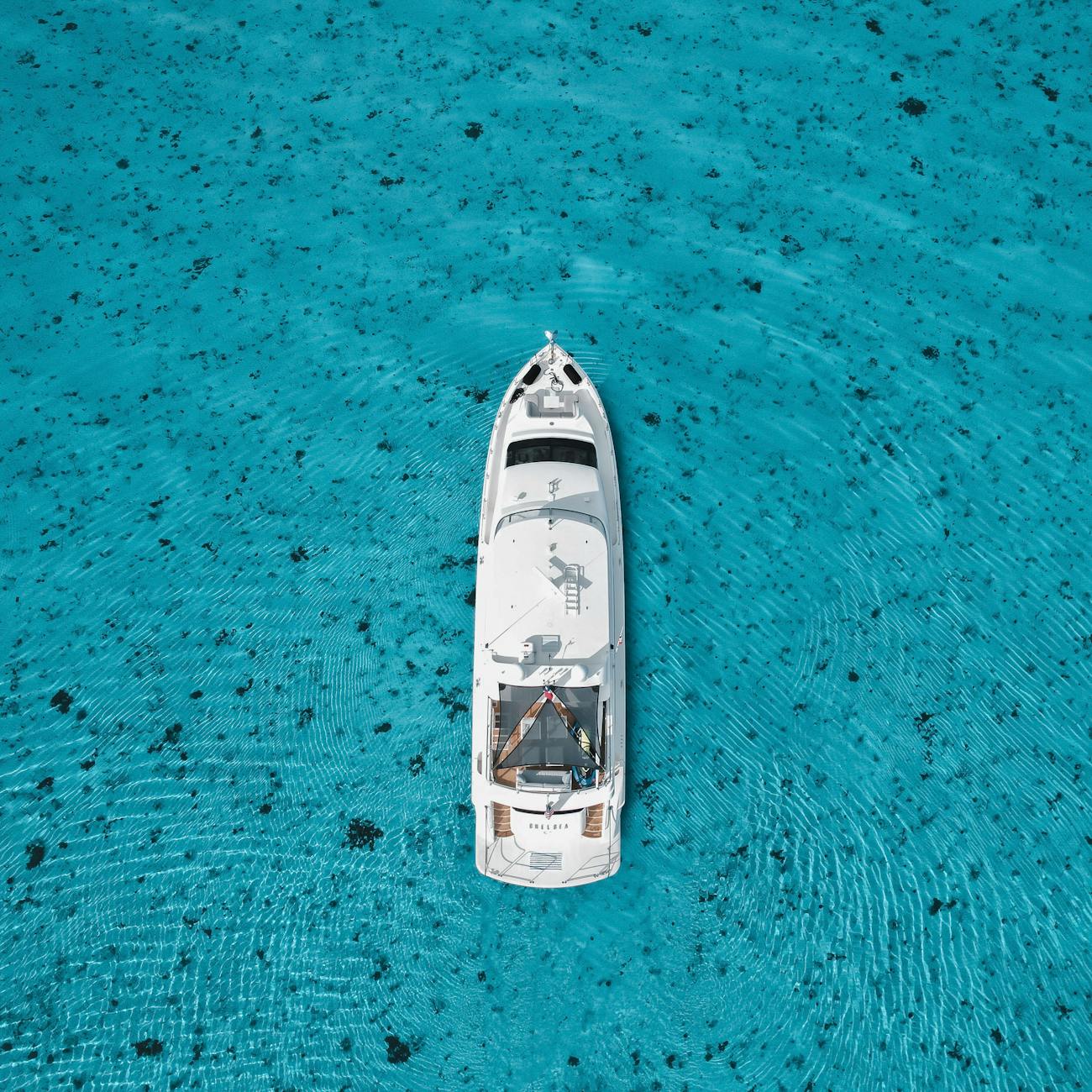
Luxury Yacht Design and Construction is a complex and multifaceted field that requires a deep understanding of various key terms and vocabulary to successfully navigate. In the course Certificate in Luxury Yacht Management, students will encounter a wide range of concepts related to the design and construction of luxury yachts. Below, we will explore some of the most important terms and vocabulary in this field.
1. **Naval Architecture**: Naval architecture is the field of engineering that deals with the design, construction, and repair of ships, boats, and other marine vessels. In the context of luxury yacht design and construction, naval architecture is crucial for ensuring the structural integrity and performance of the yacht.
2. **Hull**: The hull of a yacht is the main body of the vessel, which provides buoyancy and supports the superstructure. The hull design plays a critical role in determining the yacht's stability, speed, and seaworthiness.
3. **Superstructure**: The superstructure of a yacht refers to the part of the vessel that is built on top of the hull. This includes the cabins, decks, and other living spaces. The superstructure design is key to creating a luxurious and functional living environment on board.
4. **Interior Design**: Interior design in luxury yacht construction focuses on creating elegant and comfortable living spaces within the yacht. This includes the layout, furnishings, materials, and finishes used to create a high-end and inviting atmosphere.
5. **Exterior Design**: Exterior design encompasses the overall aesthetic appearance of the yacht, including the hull shape, superstructure design, paint colors, and exterior detailing. A well-executed exterior design can enhance the yacht's visual appeal and create a distinctive look.
6. **Stability**: Stability is a crucial factor in yacht design, as it determines the vessel's ability to remain upright and resist capsizing. Various factors, such as hull shape, weight distribution, and ballast, contribute to the yacht's stability.
7. **Seaworthiness**: Seaworthiness refers to a yacht's ability to navigate the open seas safely and comfortably. A seaworthy yacht is designed to withstand rough weather conditions and provide a stable and secure ride for passengers.
8. **Performance**: Performance in yacht design relates to the vessel's speed, maneuverability, and fuel efficiency. Design choices such as hull shape, propulsion systems, and weight distribution can impact the yacht's overall performance on the water.
9. **Propulsion Systems**: Propulsion systems are the mechanisms that power the yacht and propel it through the water. Common propulsion systems in luxury yachts include diesel engines, gas turbines, and electric motors.
10. **Hydrodynamics**: Hydrodynamics is the study of how water flows around and interacts with the hull of a yacht. Understanding hydrodynamics is essential for optimizing the yacht's performance and efficiency in the water.
11. **Material Selection**: The choice of materials used in yacht construction is critical for ensuring durability, strength, and aesthetics. Common materials used in luxury yacht construction include fiberglass, aluminum, steel, and carbon fiber.
12. **Composite Construction**: Composite construction involves using a combination of materials, such as fiberglass and carbon fiber, to create lightweight and strong yacht structures. Composite construction is popular in luxury yacht design for its strength-to-weight ratio.
13. **Luxury Amenities**: Luxury yachts often feature a range of high-end amenities to enhance the onboard experience for passengers. These amenities can include swimming pools, spas, gyms, cinemas, and gourmet kitchens.
14. **Customization**: Many luxury yacht owners opt for custom-built yachts to tailor the design and features to their specific preferences. Customization allows for greater personalization and unique touches that reflect the owner's individual style.
15. **Regulatory Compliance**: Yacht design and construction must adhere to various international regulations and standards to ensure safety, environmental protection, and operational efficiency. Compliance with regulations is essential for obtaining certifications and approvals.
16. **Classification Societies**: Classification societies are organizations that set standards for the design, construction, and maintenance of ships and yachts. Working with a classification society ensures that a yacht meets industry best practices and safety requirements.
17. **Project Management**: Project management in yacht construction involves coordinating various stakeholders, timelines, budgets, and resources to ensure the successful completion of a yacht build. Effective project management is essential for delivering a high-quality yacht on time and within budget.
18. **Cost Estimation**: Cost estimation is the process of predicting the expenses associated with a yacht construction project. Accurate cost estimation is crucial for budgeting, financial planning, and cost control throughout the project.
19. **Yacht Brokerage**: Yacht brokerage involves the buying, selling, and chartering of yachts on behalf of clients. Yacht brokers facilitate transactions between buyers and sellers, providing expertise on market trends, pricing, and negotiations.
20. **Crew Management**: Crew management in luxury yacht operations involves recruiting, training, and managing the professional crew members who operate and maintain the yacht. Effective crew management is essential for ensuring the safety, comfort, and enjoyment of guests on board.
21. **Maintenance and Refit**: Regular maintenance and refit are essential for keeping a luxury yacht in top condition and ensuring its continued value. Maintenance tasks include cleaning, repairs, inspections, and upgrades to systems and equipment.
22. **Environmental Sustainability**: Environmental sustainability in yacht design and construction focuses on minimizing the ecological impact of yachts on marine ecosystems. Sustainable practices include using eco-friendly materials, energy-efficient systems, and waste management strategies.
23. **Risk Management**: Risk management in yacht operations involves identifying, assessing, and mitigating potential risks to the yacht, crew, passengers, and the environment. Effective risk management practices help prevent accidents, injuries, and environmental damage.
24. **Insurance**: Yacht insurance provides financial protection against risks such as damage, loss, liability, and accidents. Yacht owners typically purchase insurance policies to cover the vessel, crew, passengers, and third-party liabilities.
25. **Safety Regulations**: Safety regulations in the yachting industry establish minimum standards for vessel design, equipment, operations, and crew training to ensure the safety of passengers and crew. Compliance with safety regulations is essential for preventing accidents and injuries.
26. **Crew Training**: Crew training programs provide professional development and skills enhancement for yacht crew members. Training topics may include safety procedures, emergency response, hospitality skills, navigation, and technical maintenance.
27. **Charter Management**: Charter management involves renting out a yacht to charter guests for vacations, events, or corporate retreats. Charter management companies handle all aspects of the charter process, including marketing, bookings, crew management, and guest services.
28. **Flag State**: The flag state of a yacht refers to the country under whose flag the vessel is registered. Yachts are subject to the laws and regulations of their flag state, which governs issues such as safety standards, crew qualifications, and tax obligations.
29. **Maritime Law**: Maritime law encompasses the legal framework that governs activities on the sea, including yacht construction, operations, insurance, salvage, and environmental protection. Understanding maritime law is essential for yacht owners, operators, and crew members.
30. **Yacht Design Software**: Yacht design software tools are used by naval architects, engineers, and designers to create and analyze yacht designs in a digital environment. These software programs enable 3D modeling, simulation, and optimization of yacht structures and systems.
31. **Virtual Reality (VR) Technology**: Virtual reality technology allows users to experience and interact with digital yacht designs in a realistic and immersive virtual environment. VR technology is increasingly used in yacht design to visualize concepts, test layouts, and showcase designs to clients.
32. **Augmented Reality (AR) Applications**: Augmented reality applications overlay digital information, images, or animations onto the physical world, providing users with interactive and enhanced experiences. AR technology is utilized in yacht design for visualizing design concepts, conducting virtual tours, and training crew members.
33. **Digital Twin Technology**: Digital twin technology creates a digital replica of a yacht, incorporating real-time data from sensors and systems to monitor performance, predict maintenance needs, and optimize operations. Digital twins help yacht owners and operators make informed decisions and improve efficiency.
34. **Internet of Things (IoT)**: The Internet of Things refers to interconnected devices and sensors that collect and exchange data over the internet. IoT technology is used in yachts to monitor systems, track performance metrics, automate tasks, and enhance the onboard experience for passengers.
35. **Artificial Intelligence (AI)**: Artificial intelligence technologies enable machines to perform tasks that typically require human intelligence, such as learning, reasoning, and decision-making. AI applications in yacht design and construction include predictive modeling, optimization, automation, and personalized services for guests.
36. **Blockchain Technology**: Blockchain technology provides a secure and transparent way to record transactions and data across a decentralized network. In the yachting industry, blockchain technology is used for secure transactions, ownership records, charter agreements, and supply chain management.
37. **Hybrid Propulsion Systems**: Hybrid propulsion systems combine multiple power sources, such as diesel engines, electric motors, and batteries, to optimize fuel efficiency, reduce emissions, and enhance performance. Hybrid propulsion systems are increasingly popular in luxury yacht design for their environmental benefits.
38. **Solar Power**: Solar power systems harness energy from the sun to generate electricity for onboard systems, reducing reliance on traditional fuel sources and lowering operating costs. Solar power is a sustainable and renewable energy solution for yachts operating in sunny climates.
39. **Waste Management**: Waste management practices on yachts involve collecting, treating, and disposing of waste materials, including sewage, graywater, trash, and hazardous substances. Effective waste management is essential for minimizing environmental impact and complying with regulations.
40. **Noise and Vibration Control**: Noise and vibration control technologies are employed in yacht design to reduce unwanted noise and vibrations caused by engines, machinery, and sea conditions. Noise and vibration control enhance passenger comfort and create a more peaceful onboard environment.
41. **Fire Safety**: Fire safety measures on yachts include fire detection systems, firefighting equipment, emergency procedures, and crew training to prevent and respond to onboard fires. Fire safety is a critical aspect of yacht operations to ensure the safety of passengers and crew.
42. **Emergency Response**: Emergency response plans on yachts outline procedures for handling various emergencies, such as medical incidents, fires, collisions, and man overboard situations. Crew members undergo training to respond quickly and effectively to emergencies and ensure the safety of all onboard.
43. **Navigation and Communication Systems**: Navigation and communication systems on yachts include GPS, radar, chartplotters, VHF radios, and satellite communication tools that enable safe and efficient navigation, as well as communication with shore-based facilities and emergency services.
44. **Weather Forecasting**: Weather forecasting tools and services provide real-time information on weather conditions, sea states, and storm patterns to help yacht captains plan safe routes, avoid severe weather, and ensure the comfort and safety of passengers and crew.
45. **Cruising Grounds**: Cruising grounds refer to the geographical areas where yachts operate, including coastal waters, islands, bays, and oceans. Different cruising grounds offer unique attractions, challenges, and regulations for yacht owners and charter guests to explore.
46. **Yacht Shows**: Yacht shows are events where yacht builders, designers, brokers, and suppliers showcase their latest products and services to industry professionals and potential buyers. Yacht shows provide opportunities to network, compare offerings, and stay informed about trends in the yachting industry.
47. **Superyacht**: A superyacht is a large and luxurious yacht typically measuring over 24 meters in length. Superyachts offer extravagant amenities, spacious accommodations, and high-end finishes for discerning owners and guests.
48. **Megayacht**: A megayacht is an even larger and more opulent yacht than a superyacht, often exceeding 80 meters in length. Megayachts are designed for ultra-luxurious experiences, with extensive onboard facilities, personalized services, and top-of-the-line finishes.
49. **Tender**: A tender is a smaller boat carried onboard a yacht for transportation to and from shore, water sports activities, and exploration of shallow waters. Tenders come in various sizes and styles to suit the needs of the yacht and its passengers.
50. **Mega Yacht Marina**: Mega yacht marinas are specialized facilities that cater to the berthing, servicing, and provisioning of large yachts and megayachts. Mega yacht marinas offer deep-water berths, luxury amenities, and concierge services for yacht owners and crew.
By familiarizing themselves with these key terms and vocabulary in Luxury Yacht Design and Construction, students in the Certificate in Luxury Yacht Management course will gain a solid foundation in the principles, practices, and technologies that drive the yachting industry. From naval architecture and propulsion systems to interior design and crew management, these concepts are essential for aspiring yacht managers, designers, brokers, and owners to succeed in the dynamic world of luxury yachting.
Key takeaways
- Luxury Yacht Design and Construction is a complex and multifaceted field that requires a deep understanding of various key terms and vocabulary to successfully navigate.
- **Naval Architecture**: Naval architecture is the field of engineering that deals with the design, construction, and repair of ships, boats, and other marine vessels.
- **Hull**: The hull of a yacht is the main body of the vessel, which provides buoyancy and supports the superstructure.
- **Superstructure**: The superstructure of a yacht refers to the part of the vessel that is built on top of the hull.
- **Interior Design**: Interior design in luxury yacht construction focuses on creating elegant and comfortable living spaces within the yacht.
- **Exterior Design**: Exterior design encompasses the overall aesthetic appearance of the yacht, including the hull shape, superstructure design, paint colors, and exterior detailing.
- **Stability**: Stability is a crucial factor in yacht design, as it determines the vessel's ability to remain upright and resist capsizing.