
Pyrotechnical Engineering Fundamentals
Pyrotechnical Engineering Fundamentals
Pyrotechnical Engineering Fundamentals
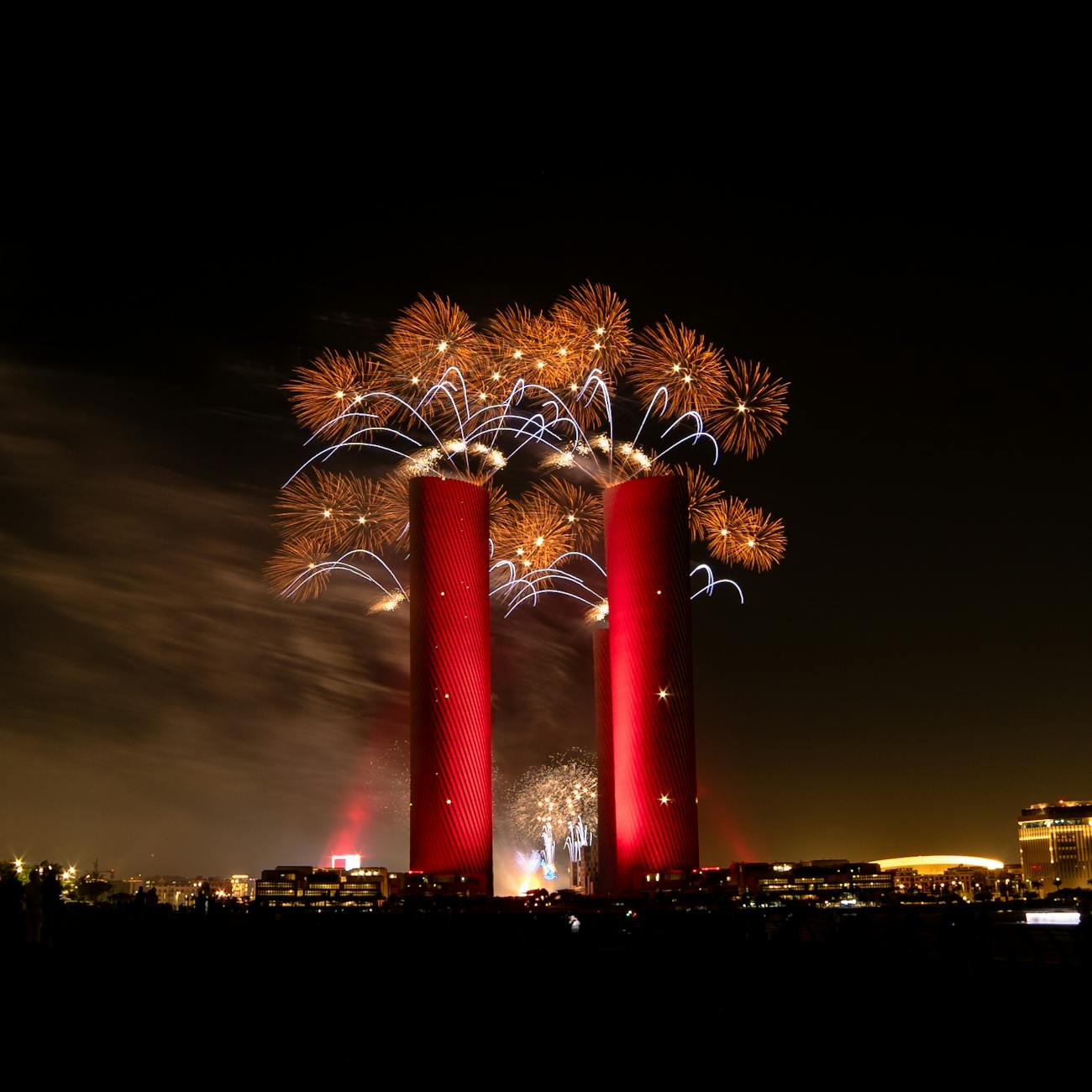
Pyrotechnical engineering is a specialized field that deals with the design, manufacturing, and use of pyrotechnic devices, including fireworks, flares, and explosives. This field requires a deep understanding of chemistry, physics, and engineering principles to create safe and visually stunning pyrotechnic displays. In the Certificate in Pyrotechnical Engineering and Fireworks Business, students will learn the foundational principles and techniques necessary to excel in this exciting industry.
Key Terms and Vocabulary
1. Pyrotechnics: The science and art of creating fireworks, flares, and other pyrotechnic devices using chemical reactions to produce light, heat, sound, smoke, or gas.
2. Explosives: Materials that undergo a rapid chemical reaction, releasing a large amount of energy in the form of heat, pressure, and sound. These materials are used in pyrotechnics to create stunning visual effects.
3. Chemical Reactions: The process by which substances undergo chemical changes to form new substances. In pyrotechnics, carefully controlled chemical reactions produce the desired effects, such as colors, sparks, or explosions.
4. Oxidizer: A substance that provides oxygen for a chemical reaction to occur. In fireworks, oxidizers are essential for fuel combustion and color production.
5. Fuel: A substance that undergoes combustion in the presence of an oxidizer to produce heat, light, and gas. Common fuels used in fireworks include charcoal, sulfur, and aluminum.
6. Colorants: Compounds added to fireworks to produce vibrant colors when ignited. Different metal salts are used to create specific colors, such as strontium for red, barium for green, and copper for blue.
7. Firework Composition: The specific mixture of oxidizers, fuels, colorants, and binders that make up a firework. The composition determines the visual and auditory effects produced when the firework is ignited.
8. Initiator: A substance that starts a chemical reaction, typically through heat, shock, or friction. Initiators are crucial for igniting fireworks at the desired moment.
9. Detonator: A device that initiates an explosive reaction in a pyrotechnic device. Detonators provide the necessary energy to trigger the main charge of an explosive device.
10. Pyrotechnic Display: A coordinated sequence of fireworks and pyrotechnic effects designed to entertain and amaze spectators. Pyrotechnic displays can range from small backyard shows to large-scale professional events.
11. Fireworks Safety: The set of practices and protocols designed to minimize the risks associated with handling, storing, and igniting pyrotechnic devices. Safety is paramount in pyrotechnical engineering to prevent accidents and injuries.
12. Pyrotechnical Regulations: Laws and regulations that govern the production, sale, and use of pyrotechnic devices. Compliance with these regulations is essential to ensure the safety and legality of pyrotechnic activities.
13. Pyrotechnical Effects: The visual and auditory effects produced by pyrotechnic devices, such as flashes, sparks, smoke, and explosions. Engineers use a variety of techniques to create stunning and memorable pyrotechnic displays.
14. Pyrotechnical Design: The process of planning and creating pyrotechnic devices and displays, taking into account factors such as safety, aesthetics, and budget. Designers must consider the audience, venue, and technical requirements when designing pyrotechnic shows.
15. Pyrotechnical Simulation: The use of computer software to model and simulate pyrotechnic effects and displays before they are physically executed. Simulation allows engineers to test different scenarios and optimize the design of pyrotechnic shows.
16. Pyrotechnical Equipment: The tools and apparatus used in the production, setup, and ignition of pyrotechnic devices. Equipment includes firing systems, launch tubes, mortar racks, and safety gear.
17. Pyrotechnical Business: The industry of designing, manufacturing, and executing pyrotechnic displays for entertainment, celebrations, and other events. Pyrotechnical businesses range from small family-run operations to large corporate entities.
18. Pyrotechnical Innovations: The development of new techniques, materials, and effects in the field of pyrotechnical engineering. Innovations drive the evolution of pyrotechnics and push the boundaries of what is possible in pyrotechnic displays.
19. Pyrotechnical Challenges: The obstacles and difficulties faced by pyrotechnical engineers and businesses, such as regulatory restrictions, safety concerns, environmental impact, and budget constraints. Overcoming these challenges requires creativity, expertise, and collaboration.
20. Pyrotechnical Training: Education and hands-on experience in pyrotechnical engineering, safety, and design. Training programs like the Certificate in Pyrotechnical Engineering and Fireworks Business provide students with the knowledge and skills needed to succeed in the pyrotechnic industry.
Practical Applications
Pyrotechnical engineering has a wide range of practical applications beyond fireworks displays. Some of the key applications include:
- Special Effects: Pyrotechnic effects are commonly used in film, television, and theater to create realistic explosions, fires, and other dramatic effects. - Military and Defense: Explosives and pyrotechnic devices are essential in military operations for signaling, demolition, and combat purposes. - Industrial Uses: Pyrotechnics are used in various industrial processes, such as mining, construction, and manufacturing, for controlled explosions and other applications. - Emergency Signaling: Pyrotechnic flares and signals are used in maritime and aviation industries for emergency signaling and distress calls.
Challenges in Pyrotechnical Engineering
Pyrotechnical engineering presents several unique challenges that engineers and businesses must address:
- Safety Concerns: Ensuring the safety of personnel and spectators is paramount in pyrotechnic displays, requiring strict adherence to safety protocols and regulations. - Environmental Impact: Pyrotechnics can have environmental consequences, such as air and noise pollution, requiring eco-friendly practices and materials. - Regulatory Compliance: Pyrotechnical activities are subject to stringent regulations to prevent accidents and misuse, necessitating legal expertise and compliance measures. - Technical Complexity: Designing and executing pyrotechnic displays involves intricate technical processes and equipment, requiring specialized knowledge and skills.
Conclusion
The field of pyrotechnical engineering is a fascinating blend of science, art, and technology, with a wide range of applications and challenges. By mastering the key terms and concepts in pyrotechnical engineering, students in the Certificate in Pyrotechnical Engineering and Fireworks Business program will be well-equipped to excel in this dynamic and rewarding industry. With a focus on safety, innovation, and creativity, pyrotechnical engineers play a vital role in creating memorable and spectacular experiences for audiences around the world.
Key takeaways
- In the Certificate in Pyrotechnical Engineering and Fireworks Business, students will learn the foundational principles and techniques necessary to excel in this exciting industry.
- Pyrotechnics: The science and art of creating fireworks, flares, and other pyrotechnic devices using chemical reactions to produce light, heat, sound, smoke, or gas.
- Explosives: Materials that undergo a rapid chemical reaction, releasing a large amount of energy in the form of heat, pressure, and sound.
- In pyrotechnics, carefully controlled chemical reactions produce the desired effects, such as colors, sparks, or explosions.
- Oxidizer: A substance that provides oxygen for a chemical reaction to occur.
- Fuel: A substance that undergoes combustion in the presence of an oxidizer to produce heat, light, and gas.
- Different metal salts are used to create specific colors, such as strontium for red, barium for green, and copper for blue.