
Fireworks Composition and Design
Fireworks Composition and Design
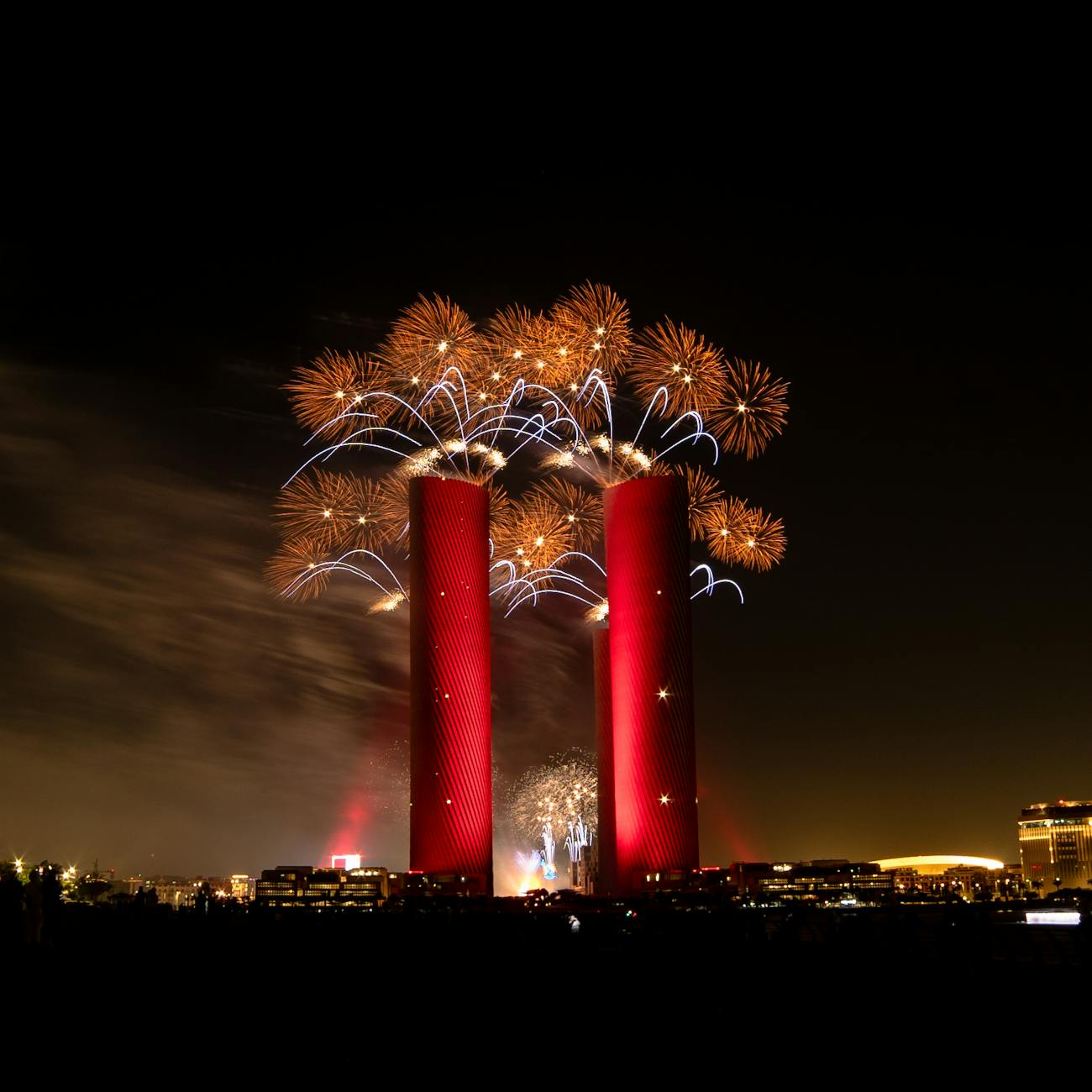
Fireworks Composition and Design
Fireworks composition and design are essential elements in the field of pyrotechnics, contributing to the beauty, effectiveness, and safety of fireworks displays. Understanding the key terms and vocabulary associated with fireworks composition and design is crucial for individuals pursuing a career in pyrotechnical engineering and fireworks business.
Chemistry of Fireworks
The chemistry of fireworks involves the intricate combination of chemicals that produce the vibrant colors, loud sounds, and mesmerizing effects seen in fireworks displays. Several key components play a role in creating different effects:
1. Oxidizers: Oxidizers are substances that provide oxygen to fuel the combustion reaction in fireworks. Common oxidizers used in fireworks include potassium nitrate (KNO3), potassium perchlorate (KClO4), and barium nitrate (Ba(NO3)2).
2. Fuel: The fuel in fireworks is responsible for producing heat and light during combustion. Charcoal, sulfur, and aluminum are commonly used fuels in fireworks compositions.
3. Colorants: Colorants are chemicals added to fireworks compositions to produce vibrant colors. Different metal salts are used as colorants, with each metal ion producing a specific color when burned. For example, strontium salts produce red, barium salts produce green, and copper salts produce blue colors.
4. Binders: Binders are substances that hold the fireworks composition together and provide structural integrity. Dextrin, a type of starch, is commonly used as a binder in fireworks compositions.
5. Modifiers: Modifiers are additives that alter the properties of the fireworks composition, such as burn rate, brightness, or color intensity. Antimony sulfide is a common modifier used in fireworks compositions.
Fireworks Effects
Fireworks effects refer to the visual and auditory displays created by fireworks during a pyrotechnic show. Different types of effects can be achieved through varying compositions and design techniques:
1. Chrysanthemum: A chrysanthemum effect is characterized by a spherical burst of stars that radiate outward like the petals of a flower. This effect is achieved by using stars with a slow-burning composition that creates a long-lasting burst.
2. Palm Tree: The palm tree effect resembles the shape of a palm tree, with a central burst followed by falling strands of stars resembling the leaves of a palm tree. This effect is achieved by using stars with a fast-burning composition and a delay in ignition.
3. Peony: A peony effect is a spherical burst of stars that expands and then fades away without leaving a trail. This effect is achieved by using stars with a bright and colorful composition.
4. Willow: The willow effect is characterized by long-lasting silver or gold trails of stars that fall slowly, resembling the branches of a willow tree. This effect is achieved by using stars with a specific composition that creates a long-lasting burn.
5. Salute: A salute is a loud and bright explosion that produces a report or bang. Salutes are typically created using compositions with a high content of explosive materials such as flash powder.
Fireworks Design
Fireworks design involves the planning and execution of a fireworks display, taking into account factors such as safety, aesthetics, and audience engagement. Several key concepts are essential in fireworks design:
1. Site Selection: Choosing the right location for a fireworks display is crucial for ensuring safety and maximizing the visual impact of the show. Factors to consider include the proximity of buildings, trees, and other obstacles, as well as wind direction and audience viewing angles.
2. Scripting: Scripting a fireworks display involves creating a detailed sequence of effects, timings, and music synchronization. A well-crafted script ensures a cohesive and engaging show that builds excitement and anticipation.
3. Firing Systems: Firing systems are used to ignite and control the fireworks during a display. Electric firing systems are commonly used for professional fireworks shows, allowing for precise timing and synchronization of effects.
4. Shell Design: Fireworks shells are spherical containers filled with fireworks compositions that explode in the air to create various effects. Shell design involves considerations such as shell size, burst height, and shell construction to achieve the desired visual impact.
5. Color Coordination: Coordinating colors in a fireworks display is essential for creating visually appealing and harmonious effects. Color wheels and charts are often used to plan color combinations that complement each other and create a balanced overall look.
Regulations and Safety
Regulations and safety guidelines play a critical role in the fireworks industry to ensure the safe handling, storage, and use of pyrotechnic materials. Key terms and concepts related to regulations and safety include:
1. NFPA: The National Fire Protection Association (NFPA) develops standards and codes for fire safety, including those related to fireworks displays. NFPA 1123 and NFPA 1126 provide guidelines for the design and execution of fireworks displays.
2. MSDS: Material Safety Data Sheets (MSDS) provide detailed information about the hazards, handling, and storage of chemicals used in fireworks compositions. MSDS sheets are essential for ensuring proper safety protocols are followed.
3. Permitting: Obtaining permits for fireworks displays is a legal requirement in many jurisdictions to ensure compliance with safety regulations and local ordinances. Permitting processes vary by location and may involve submitting a display plan, insurance coverage, and safety certifications.
4. Distance Requirements: Distance requirements specify the minimum safe distances between fireworks launch sites and spectators, buildings, and other potential hazards. Adhering to distance requirements is essential for preventing accidents and ensuring public safety.
5. Emergency Procedures: Establishing emergency procedures for fireworks displays is essential to respond quickly and effectively in the event of an accident or unforeseen circumstance. Emergency protocols should include evacuation plans, communication procedures, and first aid resources.
Challenges and Innovations
The field of fireworks composition and design faces several challenges and opportunities for innovation as pyrotechnic technology continues to evolve. Key challenges and innovations include:
1. Environmental Impact: Addressing the environmental impact of fireworks displays, such as air and noise pollution, is a growing concern for the industry. Innovations in eco-friendly fireworks compositions and design techniques aim to reduce the environmental footprint of pyrotechnic shows.
2. Technological Advancements: Advancements in pyrotechnic technology, such as computer-controlled firing systems and wireless ignition methods, have revolutionized the design and execution of fireworks displays. These innovations allow for greater precision, creativity, and safety in pyrotechnic shows.
3. Artistic Expression: Exploring new artistic concepts and techniques in fireworks design allows for unique and captivating displays that engage and inspire audiences. Artists and designers are pushing the boundaries of traditional fireworks compositions to create innovative and visually stunning effects.
4. Safety Standards: Maintaining high safety standards in fireworks composition and design is paramount to protecting both pyrotechnicians and spectators. Ongoing efforts to enhance safety protocols, training programs, and regulations aim to minimize risks and ensure the responsible use of pyrotechnic materials.
5. Global Collaboration: Collaborating with international partners and sharing knowledge and best practices in fireworks composition and design promotes innovation and excellence in the industry. Global cooperation fosters creativity, diversity, and cross-cultural exchange in pyrotechnics.
Conclusion
In conclusion, mastering the key terms and vocabulary related to fireworks composition and design is essential for individuals pursuing a career in pyrotechnical engineering and fireworks business. Understanding the chemistry of fireworks, effects, design principles, regulations, safety guidelines, challenges, and innovations in the field provides a solid foundation for creating spectacular and safe fireworks displays. By staying informed and engaged with the latest developments in pyrotechnic technology, professionals in the industry can continue to push the boundaries of creativity and excellence in fireworks composition and design.
Key takeaways
- Understanding the key terms and vocabulary associated with fireworks composition and design is crucial for individuals pursuing a career in pyrotechnical engineering and fireworks business.
- The chemistry of fireworks involves the intricate combination of chemicals that produce the vibrant colors, loud sounds, and mesmerizing effects seen in fireworks displays.
- Common oxidizers used in fireworks include potassium nitrate (KNO3), potassium perchlorate (KClO4), and barium nitrate (Ba(NO3)2).
- Fuel: The fuel in fireworks is responsible for producing heat and light during combustion.
- For example, strontium salts produce red, barium salts produce green, and copper salts produce blue colors.
- Binders: Binders are substances that hold the fireworks composition together and provide structural integrity.
- Modifiers: Modifiers are additives that alter the properties of the fireworks composition, such as burn rate, brightness, or color intensity.