
Fireworks Display Planning
Fireworks Display Planning
Fireworks Display Planning
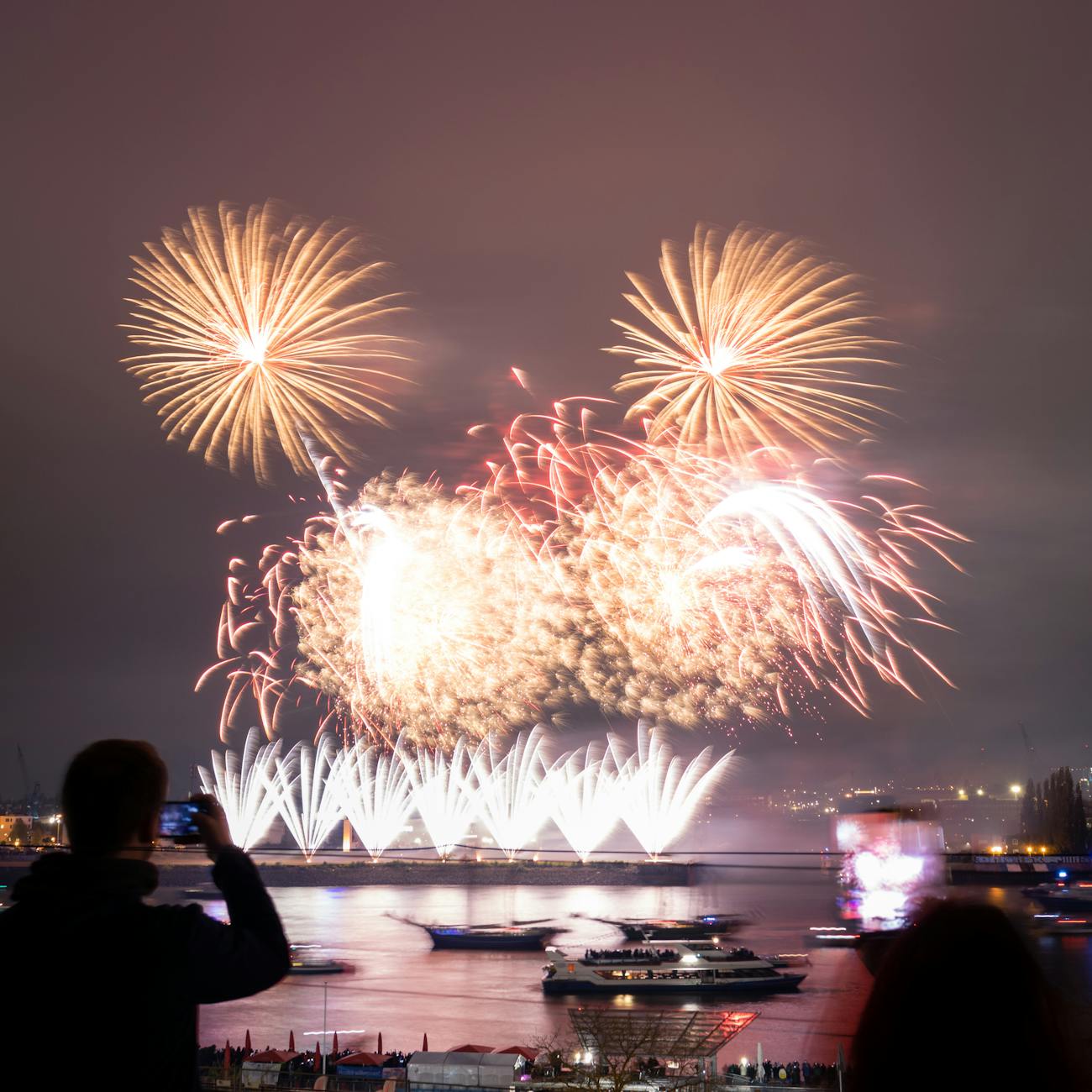
Fireworks display planning is a crucial aspect of pyrotechnical engineering and fireworks business. It involves the meticulous organization and coordination of various elements to ensure a successful and safe fireworks show. From obtaining permits to designing the display and implementing safety measures, effective planning is essential for a memorable and enjoyable event.
Key Terms and Vocabulary
1. Pyrotechnical Engineering: Pyrotechnical engineering involves the design, development, and manufacturing of fireworks and pyrotechnic devices. It combines principles of chemistry, physics, and engineering to create spectacular visual effects through controlled combustion reactions.
2. Fireworks Business: The fireworks business encompasses the production, distribution, and display of fireworks. It includes manufacturers, wholesalers, retailers, and display companies that specialize in fireworks products and services.
3. Permitting: Permitting refers to the process of obtaining legal authorization from local authorities to conduct a fireworks display. This typically involves submitting a detailed plan, meeting safety requirements, and paying fees to ensure compliance with regulations.
4. Site Selection: Site selection involves choosing a suitable location for the fireworks display. Factors such as proximity to spectators, accessibility, wind direction, and potential hazards must be considered to ensure a safe and successful event.
5. Display Design: Display design is the creative process of planning the sequence, timing, and effects of fireworks in a show. It involves selecting specific types of fireworks, choreographing their ignition, and creating a visually appealing and engaging experience for the audience.
6. Pyrotechnic Effects: Pyrotechnic effects are the visual and auditory displays created by fireworks. These include bursts, comets, shells, mines, crossettes, peonies, and other effects that produce colorful patterns, shapes, and sounds in the sky.
7. Ignition Systems: Ignition systems are devices used to ignite fireworks remotely or manually. They can include electronic firing systems, fuse igniters, and other mechanisms to control the timing and sequence of fireworks ignition during a display.
8. Safety Measures: Safety measures are protocols and procedures implemented to protect personnel, spectators, and property during a fireworks display. This includes crowd control, fire prevention, emergency response plans, and proper handling of fireworks to minimize risks.
9. Weather Conditions: Weather conditions play a significant role in fireworks display planning. Factors such as wind speed, humidity, temperature, and precipitation can impact the safety and visibility of the show, requiring adjustments to the design and execution of the display.
10. Sound Effects: Sound effects are auditory displays created by fireworks, such as whistles, crackles, and bangs. These effects enhance the overall experience of the display by adding excitement and intensity to the visual effects.
11. Budgeting: Budgeting involves estimating the costs associated with a fireworks display, including permits, fireworks, equipment, labor, insurance, and other expenses. Effective budgeting is essential for managing costs and ensuring the financial viability of the event.
12. Environmental Impact: The environmental impact of fireworks displays refers to the effects of pyrotechnic emissions, noise pollution, and debris on the surrounding ecosystem. Sustainable practices and mitigation measures can help minimize the environmental footprint of fireworks events.
13. Crowd Management: Crowd management involves planning for the safe and orderly movement of spectators during a fireworks display. This includes entry and exit strategies, seating arrangements, signage, and communication to ensure a positive and secure experience for attendees.
14. Public Relations: Public relations are strategies used to promote and publicize a fireworks display to the community. This can include advertising, media outreach, social media campaigns, and partnerships with local organizations to attract attendees and generate interest in the event.
15. Emergency Response: Emergency response protocols are procedures in place to address potential accidents, fires, or other safety incidents during a fireworks display. This includes on-site medical personnel, evacuation plans, communication systems, and coordination with local emergency services.
16. Regulatory Compliance: Regulatory compliance refers to adherence to laws, regulations, and industry standards governing fireworks displays. This includes obtaining permits, following safety guidelines, environmental regulations, and other legal requirements to ensure a lawful and responsible event.
17. Risk Assessment: Risk assessment is the process of identifying and evaluating potential hazards and risks associated with a fireworks display. This includes assessing the likelihood and severity of accidents, injuries, property damage, and other adverse outcomes to implement appropriate mitigation measures.
18. Vendor Management: Vendor management involves sourcing and coordinating suppliers, contractors, and service providers for a fireworks display. This includes selecting reputable vendors, negotiating contracts, overseeing deliveries, and ensuring quality control to meet the needs of the event.
Practical Applications
1. Example: In planning a Fourth of July fireworks display for a city celebration, the pyrotechnical engineer must consider factors such as the location of the launch site, the duration of the show, the budget for fireworks, and safety measures for a large crowd of spectators.
2. Example: A fireworks business owner planning a corporate event must coordinate with local authorities to secure permits, hire licensed pyrotechnicians, design a custom display, and implement crowd management strategies to ensure a successful and memorable experience for attendees.
3. Example: For a wedding fireworks display, the event planner must work closely with the pyrotechnic team to select romantic effects, synchronize the show with music, and ensure that safety measures are in place to create a magical and unforgettable moment for the bride and groom.
Challenges
1. Challenge: Weather unpredictability can pose a significant challenge to fireworks display planning, as wind, rain, or fog can affect the visibility of the show, the safety of spectators, and the performance of fireworks effects.
2. Challenge: Balancing creativity with safety is a common challenge in fireworks display planning, as designers must innovate and create visually stunning effects while adhering to strict safety protocols and regulations to prevent accidents and injuries.
3. Challenge: Managing logistics and coordination among multiple vendors, suppliers, and personnel can be a challenge in large-scale fireworks displays, requiring effective communication, organization, and teamwork to ensure a seamless and successful event.
Conclusion
In conclusion, understanding key terms and vocabulary related to fireworks display planning is essential for pyrotechnical engineers, fireworks business owners, event planners, and other professionals involved in the design and execution of fireworks shows. By mastering these concepts, practitioners can enhance their knowledge, skills, and expertise in creating safe, spectacular, and memorable fireworks displays for a variety of events and occasions.
Key takeaways
- From obtaining permits to designing the display and implementing safety measures, effective planning is essential for a memorable and enjoyable event.
- Pyrotechnical Engineering: Pyrotechnical engineering involves the design, development, and manufacturing of fireworks and pyrotechnic devices.
- It includes manufacturers, wholesalers, retailers, and display companies that specialize in fireworks products and services.
- Permitting: Permitting refers to the process of obtaining legal authorization from local authorities to conduct a fireworks display.
- Factors such as proximity to spectators, accessibility, wind direction, and potential hazards must be considered to ensure a safe and successful event.
- It involves selecting specific types of fireworks, choreographing their ignition, and creating a visually appealing and engaging experience for the audience.
- These include bursts, comets, shells, mines, crossettes, peonies, and other effects that produce colorful patterns, shapes, and sounds in the sky.