
Sustainable Biofuels Supply Chains
Sustainable biofuels supply chains involve the production, processing, and distribution of biofuels from renewable biomass sources, such as plants, algae, and agricultural waste. The key to sustainable biofuels is the use of renewable resou…
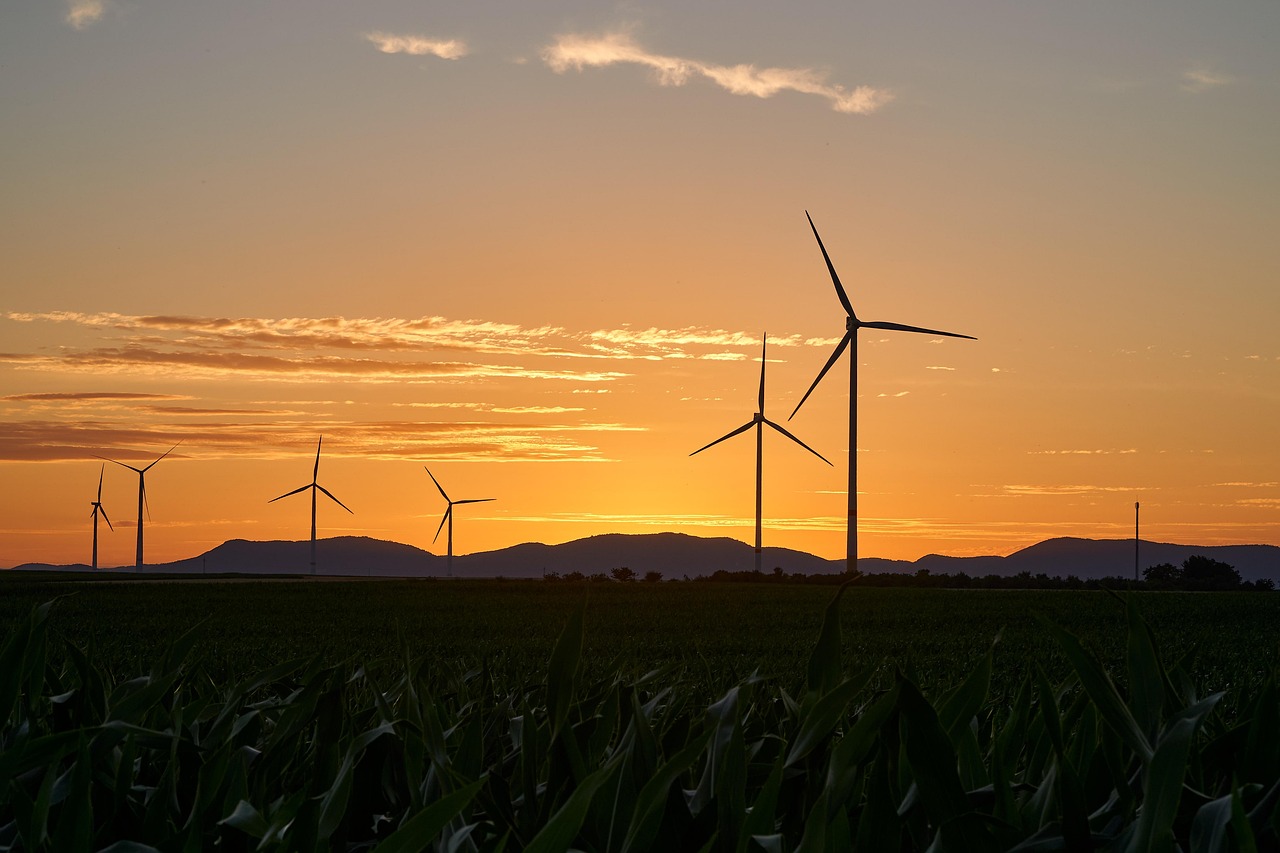
Sustainable biofuels supply chains involve the production, processing, and distribution of biofuels from renewable biomass sources, such as plants, algae, and agricultural waste. The key to sustainable biofuels is the use of renewable resources that can be replenished naturally, reducing dependence on fossil fuels and mitigating climate change. Biofuels are considered a crucial component of a low-carbon energy mix, as they can be used to power vehicles, heat buildings, and generate electricity. The production of biofuels involves various steps, including feedstock cultivation, harvesting, processing, and conversion into biofuels.
Feedstock cultivation refers to the growth of biomass crops, such as corn, sugarcane, and switchgrass, which are used to produce biofuels. The type of feedstock used can significantly impact the sustainability of biofuels, with some feedstocks requiring large amounts of water, fertilizers, and pesticides, which can harm the environment. For example, corn-based ethanol production has been criticized for its high water requirements and potential impact on food prices. In contrast, non-food biomass feedstocks, such as algae and agricultural waste, offer a more sustainable alternative.
Harvesting and processing of feedstocks involve the collection and preparation of biomass for conversion into biofuels. This can include activities such as crushing, grinding, and drying, which are necessary to extract the energy-rich compounds from the biomass. The efficiency of harvesting and processing operations can significantly impact the overall sustainability of biofuels, with more efficient operations reducing energy inputs and environmental impacts. For instance, the use of mechanized harvesting equipment can reduce labor requirements and improve the quality of the feedstock.
Conversion of biomass into biofuels involves various technologies, including fermentation, transesterification, and gasification. Fermentation is commonly used to produce ethanol from sugarcane and corn, while transesterification is used to produce biodiesel from vegetable oils and animal fats. Gasification is a more advanced technology that involves the conversion of biomass into a synthesis gas, which can be used to produce a range of biofuels, including ethanol, methanol, and Fischer-Tropsch diesel. The choice of conversion technology depends on the type of feedstock, the desired biofuel product, and the scale of production.
The distribution of biofuels involves the transportation of biofuels from production facilities to end-users, such as fueling stations and power plants. This can involve various modes of transportation, including pipelines, trucks, and ships. The infrastructure for biofuels distribution is still developing, with many countries investing in the construction of biofuels pipelines and storage facilities. The development of standards for biofuels quality and safety is also crucial to ensure the smooth distribution and use of biofuels.
Sustainable biofuels supply chains require careful planning and management to minimize environmental impacts and ensure social responsibility. This involves conducting life-cycle assessments to evaluate the environmental impacts of biofuels production, from feedstock cultivation to end-use. Life-cycle assessments can help identify areas for improvement and optimize the sustainability of biofuels production. Additionally, certification schemes, such as the Roundtable on Sustainable Biofuels, can provide assurance that biofuels are produced in a sustainable and responsible manner.
The challenges facing sustainable biofuels supply chains are numerous, including the need to balance food and energy production, manage water resources, and mitigate greenhouse gas emissions. The competition for land and water resources between food and energy production can lead to conflicts over resource use and potentially harm the environment. Moreover, the high upfront costs of building biofuels production facilities and the volatility of biofuels prices can make it difficult for investors to commit to sustainable biofuels projects.
Despite these challenges, sustainable biofuels supply chains offer many benefits, including the potential to reduce greenhouse gas emissions, improve energy security, and create jobs in rural areas. The development of sustainable biofuels supply chains can also drive innovation and investment in new technologies, such as advanced biofuels and renewable energy systems. Furthermore, sustainable biofuels can help diversify energy sources, reducing dependence on fossil fuels and improving the resilience of energy systems.
The policy framework for sustainable biofuels supply chains is critical to supporting the development of the industry. Governments can provide incentives for investment in sustainable biofuels production, such as tax credits, grants, and low-interest loans. Additionally, regulations can be established to ensure the sustainability of biofuels production, such as standards for biofuels quality and safety. The enforcement of these regulations is crucial to preventing the production of unsustainable biofuels, which can harm the environment and undermine the credibility of the industry.
The role of stakeholders in sustainable biofuels supply chains is also important, including farmers, investors, policymakers, and civil society organizations. Farmers can play a crucial role in the production of sustainable biomass feedstocks, while investors can provide the necessary capital for the development of biofuels production facilities. Policymakers can establish the policy framework for sustainable biofuels supply chains, while civil society organizations can monitor the social and environmental impacts of biofuels production.
The integration of sustainable biofuels supply chains with other energy systems is also important, including the grid, transportation systems, and industrial processes. The co-generation of heat and power from biofuels can improve the efficiency of energy use and reduce greenhouse gas emissions. Additionally, the use of biofuels in transportation systems can reduce dependence on fossil fuels and improve air quality. The development of sustainable biofuels supply chains can also drive innovation in new technologies, such as advanced biofuels and renewable energy systems.
The future of sustainable biofuels supply chains looks promising, with many countries investing in the development of the industry. The growth of the biofuels market is expected to continue, driven by increasing demand for low-carbon energy sources and government policies to support the industry. However, the challenges facing sustainable biofuels supply chains must be addressed, including the need to balance food and energy production, manage water resources, and mitigate greenhouse gas emissions. The development of sustainable biofuels supply chains requires a long-term commitment to sustainability, innovation, and investment in new technologies.
The application of sustainable biofuels supply chains can be seen in various sectors, including transportation, industry, and power generation. The use of biofuels in transportation systems can reduce dependence on fossil fuels and improve air quality. In industry, biofuels can be used to generate heat and power, reducing greenhouse gas emissions and improving energy efficiency. In power generation, biofuels can be used to produce electricity, reducing dependence on fossil fuels and mitigating climate change.
The practical applications of sustainable biofuels supply chains can be seen in various countries, including Brazil, the United States, and Germany. In Brazil, the production of sugarcane-based ethanol has become a major industry, with many companies investing in the development of sustainable biofuels supply chains. In the United States, the production of corn-based ethanol has become a major industry, with many companies investing in the development of sustainable biofuels supply chains. In Germany, the production of biodiesel from vegetable oils and animal fats has become a major industry, with many companies investing in the development of sustainable biofuels supply chains.
The challenges facing sustainable biofuels supply chains can be addressed through innovation and investment in new technologies. The development of advanced biofuels, such as cellulosic ethanol and algae-based biodiesel, can improve the sustainability of biofuels production and reduce greenhouse gas emissions. The use of biotechnology can also improve the efficiency of biofuels production, reducing the need for land, water, and fertilizers. Additionally, the development of new conversion technologies, such as gasification and pyrolysis, can improve the efficiency of biofuels production and reduce greenhouse gas emissions.
The social impacts of sustainable biofuels supply chains can be significant, including the creation of jobs in rural areas and the improvement of livelihoods for farmers and rural communities. The development of sustainable biofuels supply chains can also contribute to rural development, improving access to energy and reducing poverty. However, the social impacts of sustainable biofuels supply chains can also be negative, including the displacement of communities and the loss of biodiversity. The management of social impacts is crucial to ensuring that sustainable biofuels supply chains are developed in a responsible and sustainable manner.
The environmental impacts of sustainable biofuels supply chains can be significant, including the reduction of greenhouse gas emissions and the improvement of air and water quality. The development of sustainable biofuels supply chains can also contribute to the conservation of biodiversity and the protection of ecosystems. However, the environmental impacts of sustainable biofuels supply chains can also be negative, including the loss of habitat and the degradation of soil and water resources. The management of environmental impacts is crucial to ensuring that sustainable biofuels supply chains are developed in a responsible and sustainable manner.
The economic benefits of sustainable biofuels supply chains can be significant, including the creation of jobs and the stimulation of economic growth in rural areas. The development of sustainable biofuels supply chains can also contribute to the diversification of energy sources, reducing dependence on fossil fuels and improving energy security. However, the economic benefits of sustainable biofuels supply chains can also be limited, including the high upfront costs of building biofuels production facilities and the volatility of biofuels prices. The management of economic risks is crucial to ensuring that sustainable biofuels supply chains are developed in a responsible and sustainable manner.
The technological advancements in sustainable biofuels supply chains can be significant, including the development of advanced biofuels, such as cellulosic ethanol and algae-based biodiesel. The use of biotechnology can also improve the efficiency of biofuels production, reducing the need for land, water, and fertilizers. Additionally, the development of new conversion technologies, such as gasification and pyrolysis, can improve the efficiency of biofuels production and reduce greenhouse gas emissions. The integration of sustainable biofuels supply chains with other energy systems, such as the grid and transportation systems, can also improve the efficiency of energy use and reduce greenhouse gas emissions.
The policy framework for sustainable biofuels supply chains is critical to supporting the development of the industry. Governments can provide incentives for investment in sustainable biofuels production, such as tax credits, grants, and low-interest loans. Additionally, regulations can be established to ensure the sustainability of biofuels production, such as standards for biofuels quality and safety. The enforcement of these regulations is crucial to preventing the production of unsustainable biofuels, which can harm the environment and undermine the credibility of the industry.
The international cooperation on sustainable biofuels supply chains can be significant, including the development of global standards for biofuels quality and safety. The harmonization of policies and regulations can also facilitate the development of sustainable biofuels supply chains, reducing barriers to trade and investment. Additionally, the sharing of knowledge and technologies can improve the efficiency of biofuels production and reduce greenhouse gas emissions. The development of sustainable biofuels supply chains can also contribute to the achievement of global sustainable development goals, such as reducing poverty and mitigating climate change.
The monitoring and evaluation of sustainable biofuels supply chains is crucial to ensuring that they are developed in a responsible and sustainable manner. The use of indicators and metrics can help to assess the sustainability of biofuels production, including the reduction of greenhouse gas emissions and the improvement of air and water quality. The identification of risks and opportunities can also help to improve the sustainability of biofuels production, including the management of social and environmental impacts. The development of sustainable biofuels supply chains requires a long-term commitment to sustainability, innovation, and investment in new technologies.
The education and training of stakeholders is crucial to ensuring that sustainable biofuels supply chains are developed in a responsible and sustainable manner. The provision of information and knowledge can help to raise awareness of the benefits and risks of sustainable biofuels supply chains, including the reduction of greenhouse gas emissions and the improvement of air and water quality. The development of capacity and skills can also help to improve the sustainability of biofuels production, including the management of social and environmental impacts. The involvement of stakeholders in the development of sustainable biofuels supply chains is crucial to ensuring that they are developed in a responsible and sustainable manner.
The research and development of sustainable biofuels supply chains is crucial to improving the efficiency of biofuels production and reducing greenhouse gas emissions. The identification of new technologies and innovations can help to improve the sustainability of biofuels production, including the development of advanced biofuels and the use of biotechnology. The testing and validation of new technologies can also help to improve the efficiency of biofuels production and reduce greenhouse gas emissions. The development of sustainable biofuels supply chains requires a long-term commitment to sustainability, innovation, and investment in new technologies.
The deployment of sustainable biofuels supply chains can be significant, including the development of large-scale biofuels production facilities and the integration of sustainable biofuels supply chains with other energy systems. The use of biotechnology can also improve the efficiency of biofuels production, reducing the need for land, water, and fertilizers. Additionally, the development of new conversion technologies, such as gasification and pyrolysis, can improve the efficiency of biofuels production and reduce greenhouse gas emissions. The integration of sustainable biofuels supply chains with other energy systems can also improve the efficiency of energy use and reduce greenhouse gas emissions.
The financing of sustainable biofuels supply chains can be significant, including the provision of incentives for investment in sustainable biofuels production, such as tax credits, grants, and low-interest loans. The development of new financial instruments, such as green bonds and carbon credits, can also help to finance sustainable biofuels supply chains. The management of financial risks is crucial to ensuring that sustainable biofuels supply chains are developed in a responsible and sustainable manner. The development of sustainable biofuels supply chains requires a long-term commitment to sustainability, innovation, and investment in new technologies.
The governance of sustainable biofuels supply chains is crucial to ensuring that they are developed in a responsible and sustainable manner. The establishment of standards and regulations can help to ensure the sustainability of biofuels production, including the reduction of greenhouse gas emissions and the improvement of air and water quality. The enforcement of these regulations is crucial to preventing the production of unsustainable biofuels, which can harm the environment and undermine the credibility of the industry. The development of sustainable biofuels supply chains requires a long-term commitment to sustainability, innovation, and investment in new technologies.
The certification of sustainable biofuels supply chains can be significant, including the development of standards and certification schemes for biofuels quality and safety. The use of labels and certification schemes can help to ensure the sustainability of biofuels production, including the reduction of greenhouse gas emissions and the improvement of air and water quality. The development of sustainable biofuels supply chains requires a long-term commitment to sustainability, innovation, and investment in new technologies.
The communication of sustainable biofuels supply chains can be significant, including the provision of information and knowledge to stakeholders on the benefits and risks of sustainable biofuels supply chains. The use of media and communication channels can help to raise awareness of the importance of sustainable biofuels supply chains, including the reduction of greenhouse gas emissions and the improvement of air and water quality. The development of sustainable biofuels supply chains requires a long-term commitment to sustainability, innovation, and investment in new technologies.
The participation of stakeholders in the development of sustainable biofuels supply chains is crucial to ensuring that they are developed in a responsible and sustainable manner. The involvement of stakeholders in the development of sustainable biofuels supply chains can help to ensure that they are developed in a way that meets the needs of all stakeholders, including farmers, investors, policymakers, and civil society organizations. The development of sustainable biofuels supply chains requires a long-term commitment to sustainability, innovation, and investment in new technologies.
The evaluation of sustainable biofuels supply chains can be significant, including the use of indicators and metrics to assess the sustainability of biofuels production, including the reduction of greenhouse gas emissions and the improvement of air and water quality. The identification of risks and opportunities can also help to improve the sustainability of biofuels production, including the management of social and environmental impacts. The development of sustainable biofuels supply chains requires a long-term commitment to sustainability, innovation, and investment in new technologies.
The reporting of sustainable biofuels supply chains can be significant, including the provision of information and data on the sustainability of biofuels production, including the reduction of greenhouse gas emissions and the improvement of air and water quality. The use of reports and statements can help to ensure the sustainability of biofuels production, including the management of social and environmental impacts. The development of sustainable biofuels supply chains requires a long-term commitment to sustainability, innovation, and investment in new technologies.
The verification of sustainable biofuels supply chains can be significant, including the use of audits and certification schemes to ensure the sustainability of biofuels production, including the reduction of greenhouse gas emissions and the improvement of air and water quality. The identification of risks and opportunities can also help to improve the sustainability of biofuels production, including the management of social and environmental impacts. The development of sustainable biofuels supply chains requires a long-term commitment to sustainability, innovation, and investment in new technologies.
The assurance of sustainable biofuels supply chains can be significant, including the provision of assurance and confidence to stakeholders on the sustainability of biofuels production, including the reduction of greenhouse gas emissions and the improvement of air and water quality. The use of assurance and verification schemes can help to ensure the sustainability of biofuels production, including the management of social and environmental impacts. The development of sustainable biofuels supply chains requires a long-term commitment to sustainability, innovation, and investment in new technologies.
Key takeaways
- The key to sustainable biofuels is the use of renewable resources that can be replenished naturally, reducing dependence on fossil fuels and mitigating climate change.
- The type of feedstock used can significantly impact the sustainability of biofuels, with some feedstocks requiring large amounts of water, fertilizers, and pesticides, which can harm the environment.
- The efficiency of harvesting and processing operations can significantly impact the overall sustainability of biofuels, with more efficient operations reducing energy inputs and environmental impacts.
- Gasification is a more advanced technology that involves the conversion of biomass into a synthesis gas, which can be used to produce a range of biofuels, including ethanol, methanol, and Fischer-Tropsch diesel.
- The infrastructure for biofuels distribution is still developing, with many countries investing in the construction of biofuels pipelines and storage facilities.
- Additionally, certification schemes, such as the Roundtable on Sustainable Biofuels, can provide assurance that biofuels are produced in a sustainable and responsible manner.
- Moreover, the high upfront costs of building biofuels production facilities and the volatility of biofuels prices can make it difficult for investors to commit to sustainable biofuels projects.