
Types of Ships
In the field of ship brokerage, it is essential to have a thorough understanding of the various types of ships that exist. This knowledge is crucial in enabling ship brokers to effectively buy and sell vessels, as well as to advise their cl…
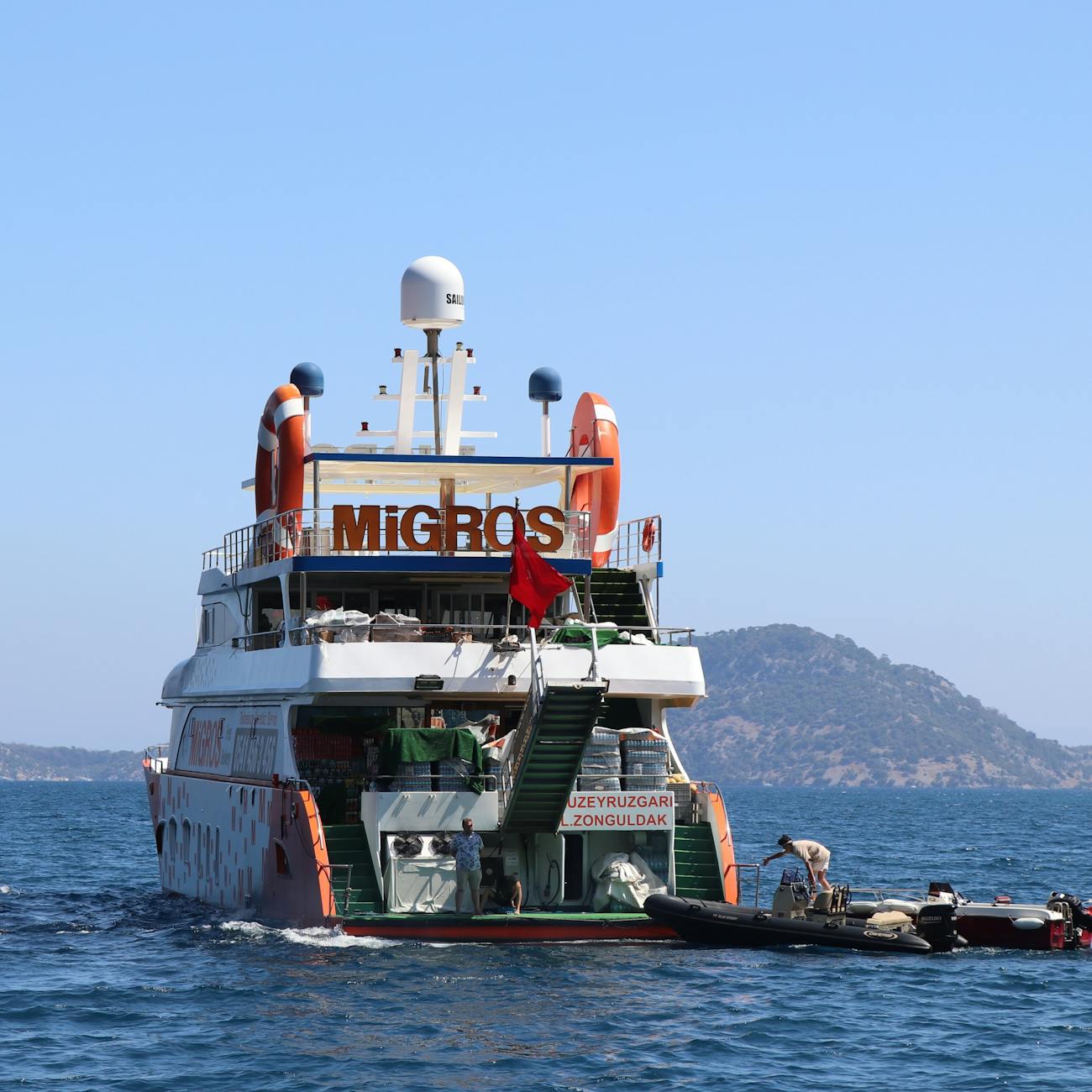
In the field of ship brokerage, it is essential to have a thorough understanding of the various types of ships that exist. This knowledge is crucial in enabling ship brokers to effectively buy and sell vessels, as well as to advise their clients on the best choices for their specific needs. In this explanation, we will explore some of the key terms and vocabulary related to different types of ships.
1. Bulk carriers: These are ships designed to transport large quantities of dry cargo, such as coal, iron ore, and grain. They are characterized by their large, open holds and lack of cargo-handling equipment. Bulk carriers can be further divided into several subcategories, including: * Capesize: These are the largest bulk carriers, with a deadweight tonnage (DWT) of over 100,000 tons. They are named for their inability to pass through the Panama Canal and must instead round Cape Horn at the southern tip of South America. * Panamax: These bulk carriers are designed to fit through the Panama Canal, with a DWT of between 60,000 and 80,000 tons. * Handysize: These are smaller bulk carriers, with a DWT of between 10,000 and 60,000 tons. They are often used to transport cargo to and from smaller ports that cannot accommodate larger vessels. 1. Tankers: These are ships designed to transport liquid cargo, such as crude oil, petroleum products, and chemicals. They are characterized by their large, insulated tanks and sophisticated pumping systems. Tankers can be further divided into several subcategories, including: * Crude oil tankers: These are the largest tankers, with a DWT of over 200,000 tons. They are used to transport unrefined crude oil from production sites to refineries. * Product tankers: These tankers have a DWT of between 10,000 and 100,000 tons. They are used to transport refined petroleum products, such as gasoline and diesel fuel, to market. * Chemical tankers: These tankers have a DWT of between 5,000 and 50,000 tons. They are used to transport a wide range of chemicals, including acids, alkalis, and solvents. 1. Container ships: These are ships designed to transport standardized shipping containers. They are characterized by their large, open decks and sophisticated loading and unloading equipment. Container ships can be further divided into several subcategories, including: * Feeder: These are the smallest container ships, with a capacity of between 1,000 and 3,000 twenty-foot equivalent units (TEUs). They are used to transport containers between smaller ports and larger hub ports. * Panamax: These container ships have a capacity of between 4,000 and 5,000 TEUs. They are designed to fit through the Panama Canal. * Post-Panamax: These container ships have a capacity of between 5,000 and 15,000 TEUs. They are too large to fit through the Panama Canal and must instead travel around South America. 1. General cargo ships: These are ships designed to transport a variety of different cargoes, including packaged goods, machinery, and vehicles. They are characterized by their large, enclosed cargo holds and cargo-handling equipment. General cargo ships can be further divided into several subcategories, including: * Multi-purpose: These ships are designed to handle a variety of different cargoes, including dry bulk, liquid bulk, and general cargo. * Breakbulk: These ships are designed to transport packaged goods and machinery that cannot be easily containerized. They are often used to transport heavy or oversized cargoes. * Ro-Ro: These ships are designed to transport vehicles, such as cars and trucks, by means of ramps that allow the vehicles to roll on and off the ship. 1. Passenger ships: These are ships designed to transport passengers, rather than cargo. They include a wide range of vessels, from small ferries to large cruise ships. Passenger ships can be further divided into several subcategories, including: * Ferries: These ships are used to transport passengers and vehicles between two points, often on a regular schedule. They may also carry a small amount of cargo. * Cruise ships: These ships are used for pleasure travel, with a focus on providing amenities and entertainment for passengers. They often visit a series of different ports, allowing passengers to go ashore and explore. 1. Specialist ships: These are ships designed for specific purposes, such as research, salvage, or military operations. They include a wide range of vessels, including: * Research vessels: These ships are used for scientific research, often in marine or oceanographic fields. * Salvage vessels: These ships are used to recover sunken or stranded vessels, as well as to assist in the wreck removal process. * Naval vessels: These ships are used by military forces for a variety of purposes, including defense, patrol, and transport.
Understanding the different types of ships and their specific characteristics is crucial for ship brokers. It enables them to accurately match buyers and sellers, as well as to provide relevant advice and guidance to their clients. It is also important for ship brokers to stay up-to-date with developments in the shipping industry, as new types of ships and technologies are constantly being developed and introduced.
In conclusion, there are many different types of ships that serve a wide range of purposes. Each type of ship is characterized by its own unique features and capabilities, and it is important for ship brokers to have a thorough understanding of these differences. This knowledge enables ship brokers to effectively buy and sell vessels, as well as to advise their clients on the best choices for their specific needs.
Key takeaways
- This knowledge is crucial in enabling ship brokers to effectively buy and sell vessels, as well as to advise their clients on the best choices for their specific needs.
- General cargo ships can be further divided into several subcategories, including: * Multi-purpose: These ships are designed to handle a variety of different cargoes, including dry bulk, liquid bulk, and general cargo.
- It is also important for ship brokers to stay up-to-date with developments in the shipping industry, as new types of ships and technologies are constantly being developed and introduced.
- Each type of ship is characterized by its own unique features and capabilities, and it is important for ship brokers to have a thorough understanding of these differences.