
Maritime Law and Convention
Maritime law, also known as admiralty law, is a body of laws, conventions, and treaties that governs the activities and conduct of vessels and seafarers on the high seas and in domestic and international waters. This complex and specialized…
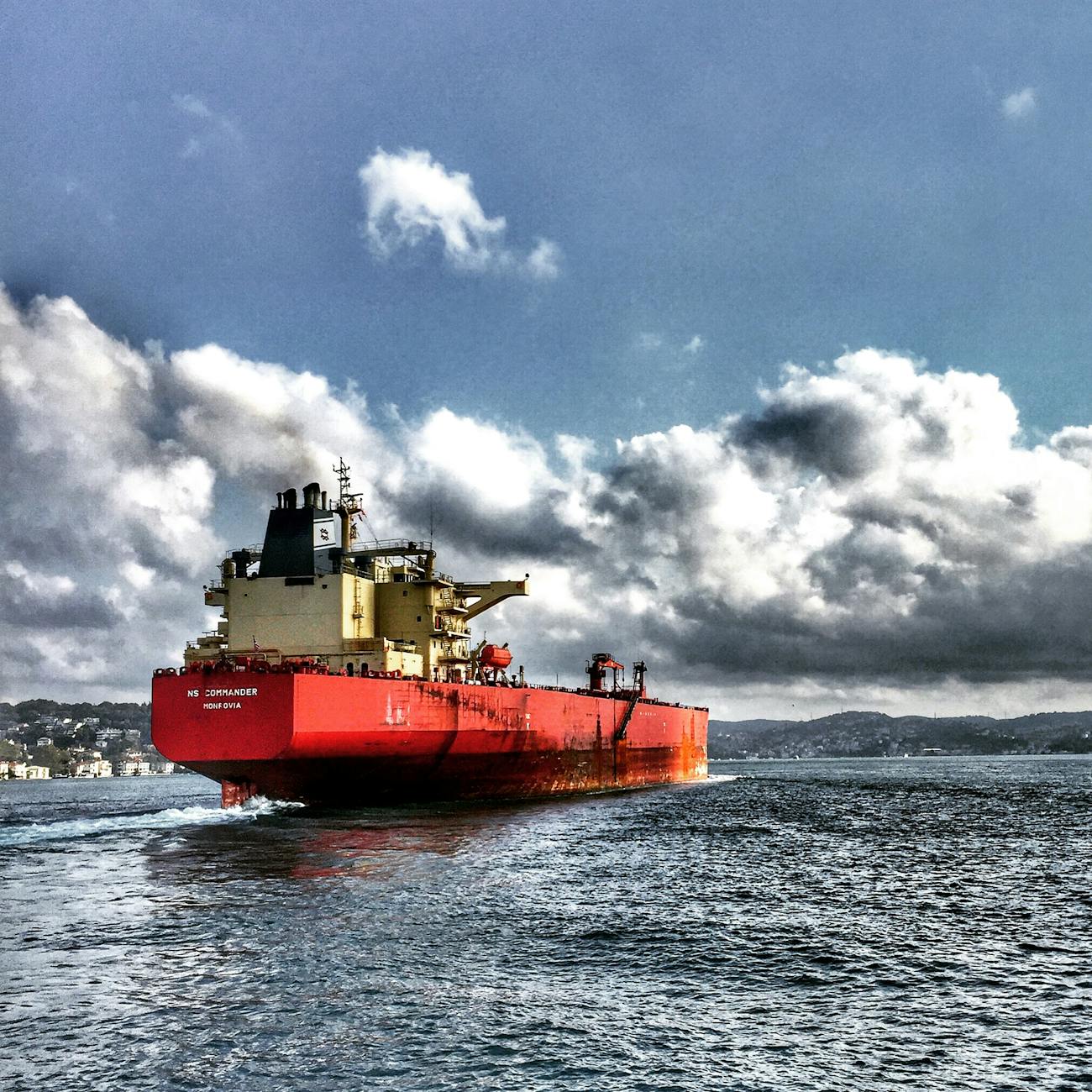
Maritime law, also known as admiralty law, is a body of laws, conventions, and treaties that governs the activities and conduct of vessels and seafarers on the high seas and in domestic and international waters. This complex and specialized area of law covers a wide range of issues, including shipping, navigation, commerce, marine environmental protection, and the rights and responsibilities of nations with regard to the use of the world's oceans.
Here are some key terms and vocabulary related to maritime law and convention that are essential for understanding this field:
1. **Maritime jurisdiction**: This refers to the legal authority of a state or nation to regulate and enforce laws related to maritime activities within its territorial waters, exclusive economic zone (EEZ), and contiguous zone. 2. **Territorial waters**: These are the waters adjacent to the coast of a state or nation that extend up to 12 nautical miles from the baseline (usually the low-water mark) of the coast. 3. **Exclusive economic zone (EEZ)**: This is a sea zone that extends up to 200 nautical miles from the baseline of a coastal state and gives it exclusive rights to explore and exploit natural resources within that zone. 4. **Contiguous zone**: This is a zone that extends up to 24 nautical miles from the baseline of a coastal state and allows it to enforce customs, fiscal, immigration, and sanitary regulations within that zone. 5. **Flag state**: This is the state or nation in which a vessel is registered and flies its flag. The flag state has the primary responsibility for regulating and enforcing laws related to the vessel and its crew. 6. **Port state**: This is the state or nation in which a vessel is located when it is not in its own flag state's waters. The port state has the authority to enforce laws related to safety, security, and environmental protection within its own waters. 7. **International Maritime Organization (IMO)**: This is a specialized agency of the United Nations that is responsible for regulating international shipping and promoting maritime safety, security, and environmental protection. 8. **SOLAS (Safety of Life at Sea)**: This is an international convention that sets minimum safety standards for the construction, equipment, and operation of ships. 9. **MARPOL (International Convention for the Prevention of Pollution from Ships)**: This is an international convention that sets minimum standards for preventing and controlling marine pollution from ships. 10. **STCW (International Convention on Standards of Training, Certification, and Watchkeeping for Seafarers)**: This is an international convention that sets minimum standards for the training, certification, and watchkeeping of seafarers. 11. **LL (Limitation of Liability)**: This is a provision in maritime law that allows a shipowner to limit its liability for damages arising from a maritime claim to the value of the ship and its cargo. 12. **General average**: This is a principle in maritime law that requires all parties involved in a voyage to share the costs of an extraordinary sacrifice made to save the ship, cargo, or crew from a common peril. 13. **Salvage**: This is the act of rescuing a ship, cargo, or crew from a peril at sea, and the reward given to the salvor for its services. 14. **Maritime lien**: This is a legal claim or charge on a vessel for the satisfaction of a debt or obligation arising from the vessel's operation, such as repair costs, wages, or supplies. 15. **Collision**: This is a physical contact between two vessels or between a vessel and a fixed or floating object, which can result in damage or loss. 16. **Allision**: This is a contact between a moving vessel and a stationary object, such as a pier, bridge, or buoy. 17. **Pollution**: This is the introduction of harmful substances or energy into the marine environment, which can have adverse effects on marine life, human health, and economic activities.
These are just a few of the key terms and vocabulary related to maritime law and convention. Understanding these terms is essential for anyone involved in the shipping industry, including shipowners, operators, brokers, agents, and seafarers. By familiarizing yourself with these terms and concepts, you will be better equipped to navigate the complex legal landscape of maritime law and ensure that your operations comply with international and national regulations.
Examples and practical applications:
Let's take a look at some examples and practical applications of maritime law and convention:
* A shipowner wants to limit its liability for damages arising from a maritime claim. Under the LL convention, the shipowner can limit its liability to the value of the ship and its cargo, as long as it can prove that it was not negligent or at fault. * A vessel is involved in a collision with another vessel in international waters. The two parties must follow the rules and procedures set out in the COLREGs (International Regulations for Preventing Collisions at Sea) to determine liability and compensation. * A ship is arrested in a foreign port due to a maritime lien for unpaid repair costs. The shipowner must negotiate with the repair company and the port state to release the ship and settle the debt. * A seafarer is injured on board a vessel due to the negligence of the shipowner or operator. The seafarer can claim compensation under the provisions of the Jones Act, a US law that regulates the liability of shipowners and operators for the injury or death of seafarers. * A vessel is detained in a port for non-compliance with MARPOL regulations. The vessel's owner must pay a fine and take corrective action to ensure that the vessel complies with the regulations before it can resume its voyage.
Challenges and opportunities:
Maritime law and convention present both challenges and opportunities for the shipping industry. Some of the challenges include:
* Navigating the complex legal landscape of international and national regulations. * Keeping up with changes and updates to maritime laws and conventions. * Ensuring compliance with safety, security, and environmental regulations. * Dealing with legal disputes and claims arising from maritime accidents or incidents.
However, there are also opportunities for the shipping industry to benefit from maritime law and convention, such as:
* Improving safety and security standards for vessels and crew. * Protecting the marine environment and preventing marine pollution. * Providing a level playing field for all players in the shipping industry. * Enhancing the reputation and credibility of the shipping industry.
Conclusion:
Maritime law and convention is a complex and specialized area of law that governs the activities and conduct of vessels and seafarers on the high seas and in domestic and international waters. By understanding the key terms and vocabulary related to maritime law and convention, the shipping industry can ensure compliance with international and national regulations, improve safety and security standards, protect the marine environment, and enhance its reputation and credibility. However, navigating the complex legal landscape of maritime law and convention requires expertise, experience, and knowledge, which can be obtained through specialized training and education, such as the Global Certificate in Ship Brokerage.
Key takeaways
- This complex and specialized area of law covers a wide range of issues, including shipping, navigation, commerce, marine environmental protection, and the rights and responsibilities of nations with regard to the use of the world's oceans.
- **STCW (International Convention on Standards of Training, Certification, and Watchkeeping for Seafarers)**: This is an international convention that sets minimum standards for the training, certification, and watchkeeping of seafarers.
- By familiarizing yourself with these terms and concepts, you will be better equipped to navigate the complex legal landscape of maritime law and ensure that your operations comply with international and national regulations.
- The seafarer can claim compensation under the provisions of the Jones Act, a US law that regulates the liability of shipowners and operators for the injury or death of seafarers.
- Maritime law and convention present both challenges and opportunities for the shipping industry.
- * Dealing with legal disputes and claims arising from maritime accidents or incidents.
- * Providing a level playing field for all players in the shipping industry.