
Legal Aspects in Ship Brokerage
In the field of ship brokerage, there are several key terms and concepts that are essential to understand. In this explanation, we will cover some of the most important ones, providing examples and practical applications along the way.
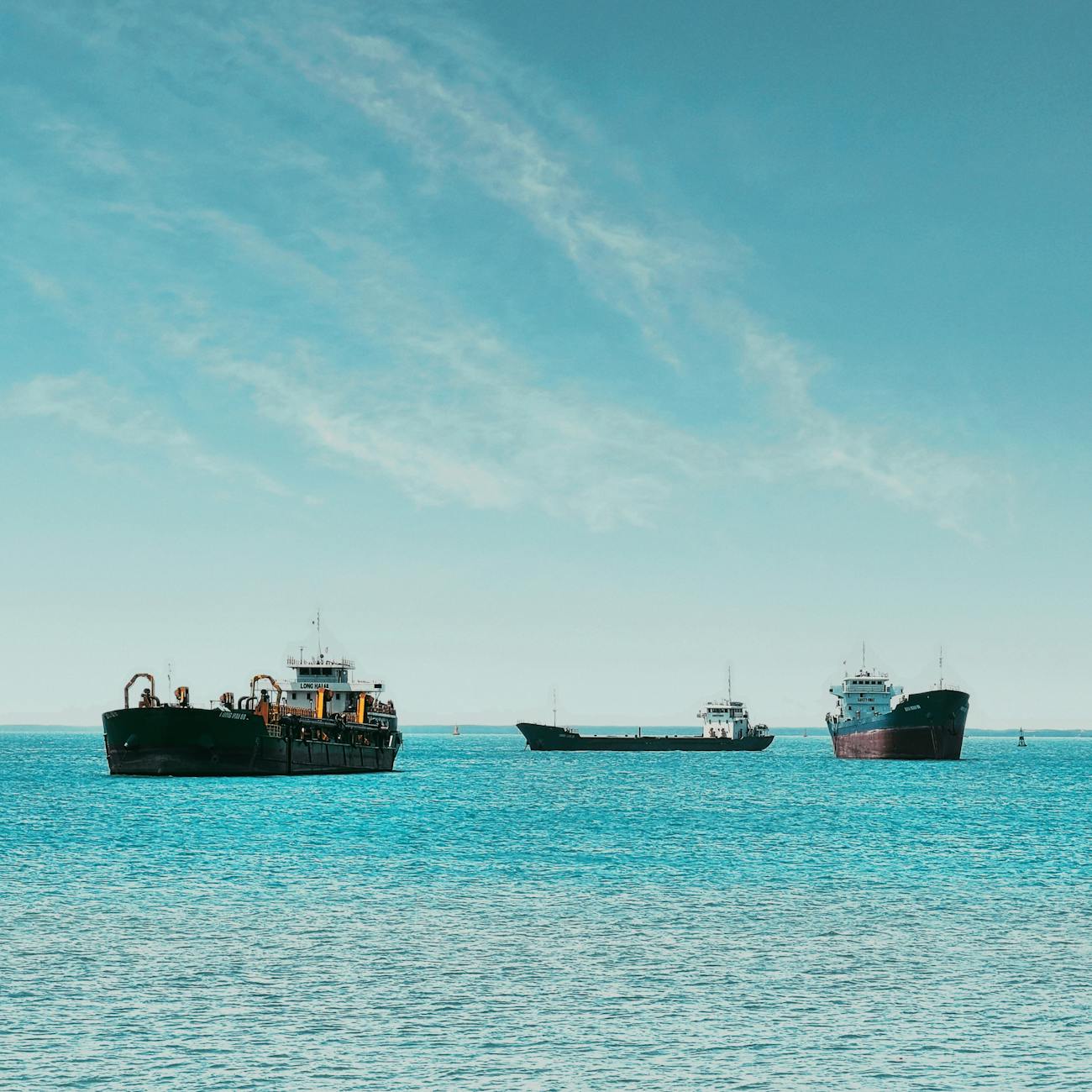
In the field of ship brokerage, there are several key terms and concepts that are essential to understand. In this explanation, we will cover some of the most important ones, providing examples and practical applications along the way.
1. Ship Brokerage
Ship brokerage is the practice of acting as an intermediary between the owners of ships and cargo interests, facilitating the chartering of vessels for the transportation of goods. Ship brokers may also be involved in the sale and purchase of ships, as well as the arrangement of financing for ship owners.
2. Charter Party
A charter party is a contract between the owner of a ship and the person or company hiring the ship (the charterer) for the transportation of goods. The charter party sets out the terms and conditions of the hire, including the route, duration, and freight rate.
3. Freight Forwarder
A freight forwarder is a company that arranges for the transportation of goods on behalf of shippers. Freight forwarders may work with ship brokers to charter vessels for the transportation of goods, or they may use other modes of transportation, such as trucks or trains.
4. Voyage Charter
A voyage charter is a type of charter party in which the charterer hires the ship for a single voyage. The charterer is responsible for loading and unloading the cargo, and the ship owner is responsible for the transportation of the cargo.
5. Time Charter
A time charter is a type of charter party in which the charterer hires the ship for a specified period of time. The charterer is responsible for loading and unloading the cargo, and the ship owner is responsible for the operation and maintenance of the ship.
6. Bareboat Charter
A bareboat charter is a type of charter party in which the charterer hires the ship without a crew. The charterer is responsible for providing a crew and all necessary operating expenses, while the ship owner is responsible for maintenance and insurance.
7. Demurrage
Demurrage is a charge levied by the ship owner against the charterer for delaying the ship beyond the time allowed in the charter party. This charge is intended to compensate the ship owner for the loss of revenue resulting from the delay.
8. Despatch
Despatch is a payment made by the charterer to the ship owner for loading or unloading the cargo faster than the time allowed in the charter party. This payment is intended to compensate the ship owner for the additional revenue generated by the faster turnaround time.
9. Laytime
Laytime is the period of time allowed in the charter party for loading or unloading the cargo. If the cargo is not loaded or unloaded within the allowed laytime, the charterer may be liable for demurrage.
10. Through Transport
Through transport is a type of shipping arrangement in which the shipper contracts with a single carrier to transport the goods from the point of origin to the final destination. This arrangement may involve the use of multiple modes of transportation, such as ships, trains, and trucks.
11. Bill of Lading
A bill of lading is a legal document that serves as a receipt for the goods being transported, as well as a contract between the shipper and the carrier. The bill of lading sets out the terms and conditions of the transportation, including the route, duration, and freight rate.
12. Letter of Credit
A letter of credit is a financial instrument issued by a bank on behalf of a buyer of goods. The letter of credit guarantees payment to the seller, provided that the seller meets certain conditions, such as delivering the goods to the correct location and providing the necessary documentation.
13. Freight Rate
The freight rate is the amount charged by the ship owner to the charterer for the transportation of goods. The freight rate may be calculated on a per-ton basis, a per-mile basis, or a lump-sum basis.
14. Deadweight Tonnage
Deadweight tonnage (DWT) is a measure of a ship's cargo-carrying capacity. It is the total weight of cargo, fuel, water, and other
conclusion
In conclusion, ship brokerage is a complex field with its own unique terminology and concepts. Understanding these terms and concepts is essential for anyone working in the industry, as they form the foundation for successful chartering and shipping operations. From charter parties and freight forwarders to demurrage and deadweight tonnage, there are many key terms and concepts that must be mastered in order to succeed in ship brokerage. By studying and understanding these terms, learners can gain the knowledge and skills needed to excel in this exciting and dynamic field.
Key takeaways
- In this explanation, we will cover some of the most important ones, providing examples and practical applications along the way.
- Ship brokerage is the practice of acting as an intermediary between the owners of ships and cargo interests, facilitating the chartering of vessels for the transportation of goods.
- A charter party is a contract between the owner of a ship and the person or company hiring the ship (the charterer) for the transportation of goods.
- Freight forwarders may work with ship brokers to charter vessels for the transportation of goods, or they may use other modes of transportation, such as trucks or trains.
- The charterer is responsible for loading and unloading the cargo, and the ship owner is responsible for the transportation of the cargo.
- The charterer is responsible for loading and unloading the cargo, and the ship owner is responsible for the operation and maintenance of the ship.
- The charterer is responsible for providing a crew and all necessary operating expenses, while the ship owner is responsible for maintenance and insurance.