
Sports Psychology Fundamentals
Sport psychology is the scientific study of how psychological factors influence performance, well‑being, and personal development in sport, exercise, and physical activity. It integrates concepts from psychology, physiology, and pedagogy to…
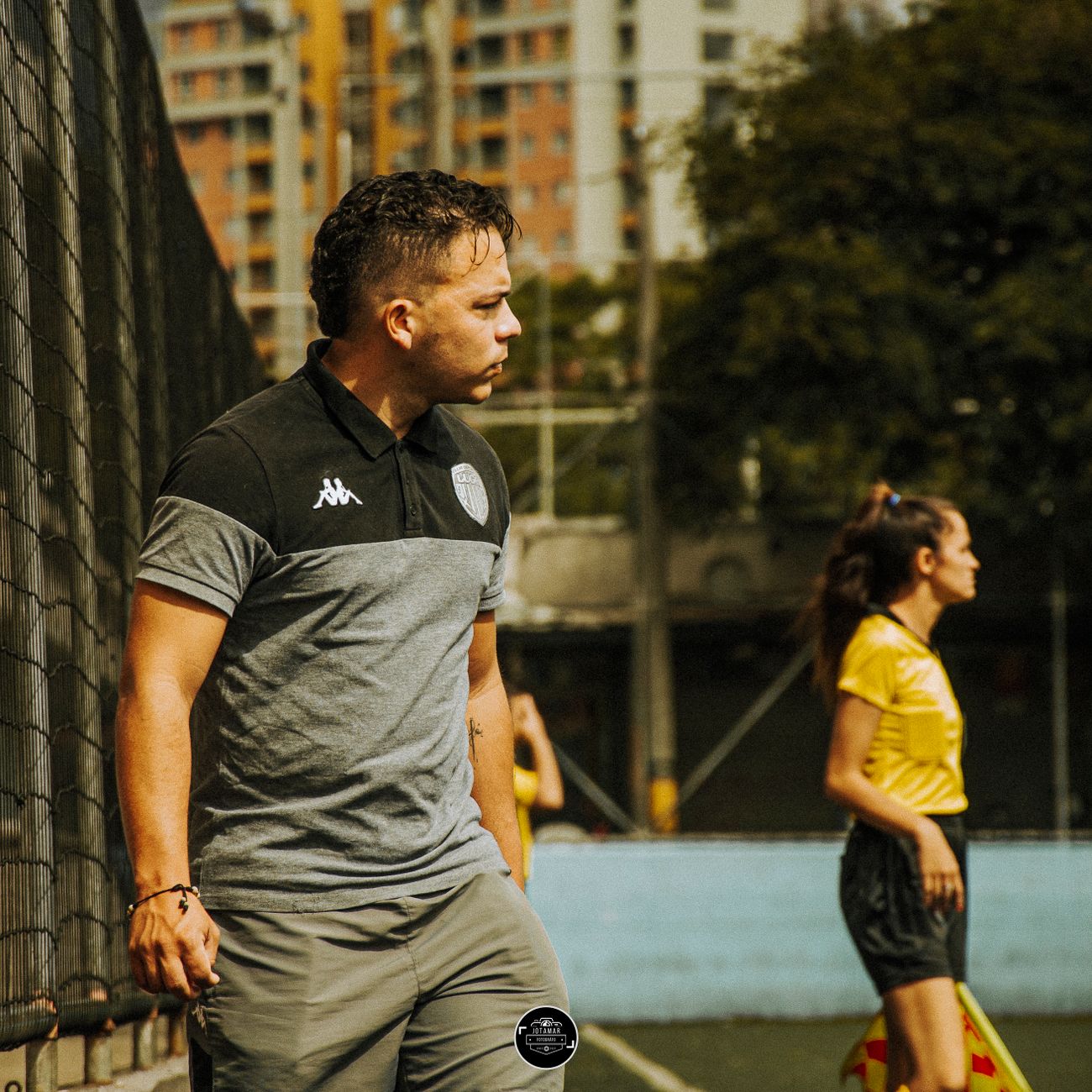
Sport psychology is the scientific study of how psychological factors influence performance, well‑being, and personal development in sport, exercise, and physical activity. It integrates concepts from psychology, physiology, and pedagogy to help athletes, coaches, and support staff optimise mental processes that affect training, competition, and recovery. The discipline examines both the mental demands placed on individuals and the environmental contexts that shape behaviour. Understanding this field requires familiarity with a core vocabulary that forms the foundation for applied practice and research.
Mental skills refer to the repertoire of cognitive and emotional techniques that athletes develop to enhance performance. These include goal setting, self‑talk, imagery, and relaxation. Mastery of mental skills enables athletes to regulate arousal, maintain focus, and recover from setbacks. For example, a sprinter who practices a pre‑race routine that incorporates deep breathing and positive self‑talk can lower pre‑competition anxiety and improve reaction time. The development of mental skills is typically structured within a psychological skills training (PST) programme, which follows a systematic assessment, planning, implementation, and evaluation cycle.
Goal setting is the process of establishing specific, measurable, attainable, relevant, and time‑bound objectives (SMART). Goals provide direction, increase motivation, and facilitate self‑monitoring. They can be classified as outcome goals (focused on winning), performance goals (focused on personal standards), or process goals (focused on the steps required to achieve performance). A practical application is a basketball player who sets a process goal to execute a correct shooting technique on each practice shot, rather than a vague outcome goal of “win the game.” Challenges arise when goals are overly ambitious, leading to frustration, or when they lack specificity, reducing their motivational impact.
Self‑talk is the internal dialogue that athletes use to influence thoughts, emotions, and behaviours. It can be positive (e.G., “I am ready”) or negative (e.G., “I can’t do this”). Positive self‑talk has been linked to enhanced confidence, reduced anxiety, and improved performance consistency. Coaching interventions often involve teaching athletes to replace maladaptive statements with constructive alternatives. For instance, a swimmer who thinks “I’m going to drown” may be guided to reframe the thought to “I have trained for this distance.” The primary challenge is habit change; athletes must practice new self‑talk patterns repeatedly until they become automatic.
Imagery, also known as visualization, is the mental rehearsal of sport‑specific actions using all five senses. It can be used to rehearse technique, develop tactical understanding, or prepare for competition scenarios. Effective imagery incorporates vividness, controllability, and perspective (internal vs. External). A tennis player might imagine the feel of the racket, the sound of the ball, and the visual layout of the court before a match. Research shows that imagery combined with physical practice yields superior skill acquisition compared to either method alone. Common obstacles include difficulty accessing vivid sensory details and the tendency to become overly critical of imagined performance.
Relaxation techniques encompass methods such as progressive muscle relaxation, diaphragmatic breathing, and mindfulness meditation. These techniques aim to lower physiological arousal, decrease muscle tension, and promote a calm mental state. In high‑pressure situations, athletes who can quickly induce relaxation are better able to execute fine motor skills. A golfer, for example, may use a 30‑second breathing routine between shots to reset focus. The main challenge is consistency; relaxation skills must be practiced regularly to become accessible under stress.
Arousal regulation involves managing the level of physiological activation to match task demands. The Yerkes‑Dodson law describes an inverted‑U relationship between arousal and performance, suggesting that both under‑arousal and over‑arousal can impair execution. Athletes learn to identify their optimal arousal zone and employ strategies to move toward it. A rugby player may use energising music to increase arousal before a match, while a diver may employ slow breathing to reduce excessive excitement. Individual differences in arousal thresholds mean that one size does not fit all, requiring personalized assessment.
Self‑efficacy is the belief in one’s capability to execute specific actions required to achieve desired outcomes. High self‑efficacy is associated with greater persistence, effort, and resilience. Sources of self‑efficacy include mastery experiences, vicarious learning, verbal persuasion, and physiological states. A climber who has successfully completed a challenging route will likely feel confident tackling a more difficult ascent. Conversely, a negative physiological cue (e.G., Rapid heartbeat) may be misinterpreted as anxiety, reducing efficacy. Coaches can enhance self‑efficacy by providing clear feedback, modelling behaviours, and encouraging realistic self‑assessment.
Locus of control describes the extent to which individuals attribute outcomes to internal (personal) versus external (situational) factors. Athletes with an internal locus tend to view success as a result of effort and skill, fostering responsibility and proactive behaviour. Those with an external locus may attribute results to luck, referees, or equipment, which can undermine motivation. For example, a marathon runner who believes “my training determines my finish time” is more likely to engage in consistent preparation than a runner who believes “the weather decides the race.” Shifting locus of control toward internality is a common goal in mental‑training interventions.
Motivation is the driving force behind goal‑directed behaviour. In sport, motivation is often classified as intrinsic (driven by personal enjoyment, mastery, or challenge) or extrinsic (driven by external rewards, recognition, or pressure). Self‑determination theory posits that supporting autonomy, competence, and relatedness enhances intrinsic motivation. A cyclist who rides for the pleasure of exploring new routes exemplifies intrinsic motivation, whereas a footballer who plays primarily for a contract renewal illustrates extrinsic motivation. Balancing these forms is crucial; over‑reliance on extrinsic rewards can diminish long‑term commitment.
Competitive anxiety is the emotional response to perceived threat or pressure in sport contexts. It is typically measured along two dimensions: Cognitive anxiety (worry, negative thoughts) and somatic anxiety (physiological tension). Effective anxiety management includes cognitive restructuring, relaxation, and pre‑performance routines. A swimmer who experiences racing nerves may benefit from a scripted cue (“smooth strokes”) to shift attention away from negative thoughts. The challenge lies in differentiating facilitative anxiety, which can enhance alertness, from debilitative anxiety, which impairs performance.
Burnout is a psychological syndrome resulting from chronic stress, characterised by emotional exhaustion, reduced sense of accomplishment, and sport devaluation. Early signs include decreased motivation, irritability, and declining performance. Intervention strategies involve workload monitoring, recovery planning, and fostering a supportive environment. A young gymnast who trains excessively without adequate rest may develop burnout, leading to withdrawal from the sport. Prevention requires collaboration among athletes, coaches, and sport psychologists to balance training intensity with mental health considerations.
Psychological resilience refers to the capacity to bounce back from adversity, maintain mental equilibrium, and continue progressing toward goals. Resilient athletes display optimism, adaptability, and effective coping. Building resilience often includes teaching problem‑solving skills, encouraging reflective practice, and reinforcing a growth mindset. A rugby team that loses a close match but uses the experience to identify improvement areas demonstrates collective resilience. Challenges include recognising that resilience is not static; it fluctuates with circumstances and requires ongoing nurturing.
Attention control is the ability to direct focus voluntarily, sustain concentration on relevant cues, and inhibit distractions. It is critical in sports that demand rapid information processing, such as fencing or basketball. Training methods include attentional cueing, focus‑shifting drills, and mindfulness practices. A shooter who maintains a narrow focus on the target while ignoring crowd noise exemplifies strong attentional control. Common obstacles involve intrusive thoughts, environmental noise, and fatigue, all of which can degrade focus.
Concentration is the sustained allocation of attentional resources to a specific task or stimulus. It is often measured in terms of focus breadth (narrow vs. Broad) and depth (intensity). Athletes may train concentration through “spot‑light” exercises that require maintaining focus on a moving target for extended periods. A baseball batter who tracks the pitcher’s release point and ignores stadium chatter displays high concentration. Fatigue, anxiety, and over‑arousal can narrow concentration, leading to performance lapses.
Flow, also known as the optimal experience, is a psychological state characterised by complete absorption in an activity, loss of self‑consciousness, and a sense of control. Flow occurs when challenge and skill are balanced, and clear goals and immediate feedback are present. A martial artist who moves seamlessly through a kata, feeling time slow down, is experiencing flow. Facilitating flow involves designing training tasks that progressively increase difficulty, providing clear performance metrics, and encouraging intrinsic motivation. Barriers to flow include excessive pressure, lack of skill development, and ambiguous objectives.
Mental toughness is a multifaceted construct encompassing confidence, perseverance, focus, and the ability to thrive under pressure. It is often operationalised through dimensions such as challenge appraisal, commitment, and emotional regulation. Mental toughness training may incorporate exposure to high‑intensity scenarios, reflective journaling, and resilience‑building narratives. A tennis player who recovers from a set down and wins the match demonstrates mental toughness. Critics argue that the concept can be overly generic; therefore, specificity to sport context is essential.
Coping strategies are the cognitive and behavioural efforts used to manage stressors. They are generally categorised as problem‑focused (addressing the source of stress) or emotion‑focused (regulating emotional responses). Effective coping in sport includes time management, seeking social support, and using relaxation techniques. A cyclist facing a demanding training schedule may employ problem‑focused coping by reorganising sessions, while also utilising emotion‑focused coping through music to reduce frustration. Inadequate coping can lead to chronic stress and performance decline.
Team cohesion describes the degree to which team members are united in pursuing common objectives and maintaining interpersonal bonds. It is divided into task cohesion (shared commitment to performance goals) and social cohesion (interpersonal attraction). High cohesion correlates with improved communication, collective efficacy, and overall success. Coaches can foster cohesion through team‑building activities, clear role definition, and shared decision‑making. A volleyball squad that celebrates each other’s successes and aligns on tactical plans illustrates strong cohesion. Challenges include managing personality conflicts and ensuring that cohesion does not suppress constructive dissent.
Leadership in sport encompasses the influence exerted by individuals to guide, motivate, and enhance group performance. Leadership styles range from autocratic to democratic, transformational to transactional. Effective leaders adapt their style to situational demands, communicate vision, and model desired behaviours. A captain who encourages teammates, provides constructive feedback, and demonstrates commitment exemplifies transformational leadership. Developing leadership skills often involves mentorship, feedback loops, and reflective practice. One difficulty is balancing authority with empowerment, especially in youth sport environments.
Communication is the exchange of information, ideas, and emotions between individuals or groups. In sport contexts, communication must be clear, concise, and timely to support decision‑making and coordination. Verbal cues, non‑verbal signals, and digital platforms all play roles. A rowing coach who uses a short, consistent command (“Power!”) During a race ensures that all athletes synchronise effort. Barriers to effective communication include language differences, cultural norms, and high arousal states that impair message transmission.
Motivational interviewing is a client‑centred counselling technique that helps athletes explore and resolve ambivalence toward change. It emphasises open‑ended questions, reflective listening, and affirmation. By eliciting personal motivations, practitioners can enhance commitment to mental‑training programmes. For instance, a player hesitant to adopt a new pre‑match routine may, through guided conversation, articulate how the routine aligns with personal performance goals, leading to greater adherence. The technique requires skillful facilitation and patience, as resistance can surface early in the process.
Self‑regulation refers to the capacity to monitor, evaluate, and modify one’s thoughts, emotions, and behaviours to achieve desired outcomes. It integrates goal setting, self‑monitoring, and self‑reinforcement. Athletes practising self‑regulation may keep training logs, assess progress weekly, and adjust strategies accordingly. A swimmer who tracks lap times, recognises a plateau, and modifies interval training demonstrates self‑regulation. Obstacles include lack of insight, procrastination, and external distractions that undermine consistent monitoring.
Biofeedback is a technique that provides real‑time information about physiological processes (e.G., Heart rate, muscle tension) to facilitate self‑control. By learning to modulate these signals, athletes can improve performance under pressure. A shooter using heart‑rate biofeedback may learn to lower cardiac activity before a critical shot, enhancing steadiness. Limitations involve equipment cost, the need for technical expertise, and the potential for over‑reliance on external cues rather than internal sensation.
Sport‑specific anxiety inventory (SSAI) and similar psychometric tools assess the intensity and nature of anxiety related to sport participation. These instruments help practitioners identify athletes at risk of maladaptive anxiety and tailor interventions. For example, a junior tennis player scoring high on the somatic subscale may benefit from progressive muscle relaxation, while high cognitive scores suggest the need for cognitive restructuring. Accurate interpretation requires cultural sensitivity and an understanding of normative data.
Psychomotor learning describes the process by which athletes acquire and refine movement skills through practice, feedback, and consolidation. Key phases include cognitive (understanding the task), associative (refining the movement), and autonomous (performing with minimal conscious effort). Mental rehearsal and feedback timing influence the rate of learning. A basketball player transitioning from learning a new shooting form (cognitive) to integrating it into game play (autonomous) exemplifies this progression. Challenges include over‑analysis, which can hinder the shift to automaticity.
Self‑determination theory (SDT) posits that fulfilment of three basic psychological needs—autonomy, competence, and relatedness—promotes intrinsic motivation and well‑being. In sport, coaches who provide choice (autonomy), skill‑development opportunities (competence), and supportive relationships (relatedness) foster a healthier motivational climate. A track coach who allows athletes to select personal pacing strategies, offers skill‑specific drills, and encourages team camaraderie aligns with SDT principles. Misapplication, such as imposing rigid directives, can undermine motivation.
Achievement goal theory differentiates between mastery (task‑oriented) and performance (ego‑oriented) goals. Mastery‑oriented athletes focus on personal improvement, while performance‑oriented athletes compare themselves to others. Both orientations influence anxiety, persistence, and coping. A swimmer who aims to beat personal best times demonstrates mastery orientation, whereas one who strives to outrank a rival shows performance orientation. Balancing the two can optimise motivation; excessive performance focus may increase pressure, while exclusive mastery focus may reduce competitive edge.
Social identity theory explains how individuals derive part of their self‑concept from group membership. In sport, strong identification with a team can enhance cohesion, effort, and resilience. However, overly strong identification may lead to maladaptive behaviours, such as aggression toward opponents. A football fan who feels the team’s success directly reflects personal worth experiences high social identity. Practitioners must navigate the fine line between fostering pride and preventing intergroup hostility.
Emotional intelligence (EI) comprises the ability to recognise, understand, and manage one’s own emotions and those of others. High EI supports effective leadership, conflict resolution, and stress management. Athletes with strong EI can interpret teammates’ non‑verbal cues, regulate frustration after errors, and maintain composure under pressure. Training EI often involves emotion‑labeling exercises, empathy development, and reflective journaling. A coach who detects a player’s silent disappointment and addresses it constructively demonstrates EI. Limitations include cultural variations in emotional expression and the difficulty of measuring EI objectively.
Self‑handicapping is a strategy whereby individuals create obstacles that protect self‑esteem in case of failure. In sport, this may manifest as excessive pre‑competition rituals that serve as excuses for poor performance. A golfer who claims “I didn’t sleep well” after a bad round may be engaging in self‑handicapping. While it can preserve confidence temporarily, it undermines long‑term development. Interventions involve encouraging accountability, reframing failures as learning opportunities, and fostering a growth mindset.
Performance profiling is a collaborative process where athletes and coaches identify strengths and areas for improvement across technical, tactical, physical, and mental domains. The resulting profile guides targeted training and monitoring. For instance, a volleyball player may rate their serving accuracy high but block timing low, prompting specific drills. The process promotes self‑awareness and shared responsibility. Potential challenges include bias in self‑assessment, reluctance to disclose weaknesses, and difficulty translating qualitative feedback into actionable plans.
Pre‑performance routine is a consistent sequence of mental and physical actions performed before competition to enhance focus and reduce anxiety. Routines may include equipment checks, breath control, visualisation, and cue words. Consistency helps cue the brain into a prepared state, similar to a “psychological primer.” A diver who follows a set of five breath cycles, visualises each dive, and repeats a mantra before stepping onto the platform exemplifies an effective routine. Inconsistency or over‑complexity can diminish its efficacy.
Post‑competition debrief involves systematic reflection on performance outcomes, strategy execution, and psychological factors after an event. Structured debriefs facilitate learning, reinforce successful behaviours, and identify corrective actions. Effective debriefs balance objective data (e.G., Statistics) with subjective experiences (e.G., Perceived confidence). A cyclist reviewing split times, discussing pacing decisions, and noting mental fatigue levels creates a comprehensive debrief. Pitfalls include excessive criticism, which can damage confidence, and insufficient focus on actionable insights.
Mindfulness is the practice of maintaining non‑judgmental, present‑moment awareness. In sport, mindfulness enhances attentional stability, reduces rumination, and improves emotional regulation. Training may involve seated meditation, body scans, or mindful movement drills. A skier who focuses on the sensation of each turn without evaluating past runs embodies mindfulness. Challenges include integrating mindfulness into already packed training schedules and overcoming misconceptions that it reduces competitive intensity.
Self‑compassion involves treating oneself with kindness, recognizing common humanity, and maintaining balanced perspective in the face of failure. Athletes who practice self‑compassion are less likely to experience maladaptive perfectionism or burnout. For example, after a missed penalty, a footballer who acknowledges the mistake, reframes it as part of learning, and offers self‑support demonstrates self‑compassion. Cultivating this quality may require guided reflection, compassionate imagery, and supportive coaching language.
Positive psychology focuses on strengths, virtues, and factors that promote flourishing rather than merely treating dysfunction. In sport, positive psychology interventions aim to build optimism, gratitude, and meaning. A running club that celebrates personal milestones, encourages gratitude journals, and highlights purpose beyond competition integrates positive psychology. Potential drawbacks include neglecting serious mental‑health concerns if the emphasis on positivity becomes dismissive.
Psychological safety refers to an environment where individuals feel comfortable expressing ideas, concerns, and emotions without fear of ridicule or retribution. In team sport, psychological safety encourages open communication, innovation, and learning from errors. A coach who welcomes questions about strategy and validates emotional disclosures creates psychological safety. Barriers include hierarchical team cultures, past experiences of criticism, and lack of trust. Establishing safety requires consistent leader behaviour, clear norms, and reinforcement of respectful dialogue.
Transfer of training denotes the extent to which mental‑skill learning in one context (e.G., Practice) generalises to another (e.G., Competition). Effective transfer requires similarity in cues, stress levels, and task demands. Imagery rehearsed in a quiet gym may not fully replicate the pressure of a stadium, limiting transfer. To enhance transfer, practitioners embed mental‑skill drills within realistic performance simulations, gradually increasing environmental fidelity. Monitoring transfer involves comparing performance metrics across settings and adjusting training accordingly.
Individual differences encompass personality traits, cultural background, and neurocognitive profiles that influence how athletes respond to psychological interventions. For instance, athletes high in trait anxiety may benefit more from relaxation training, while those high in openness may thrive with creative imagery techniques. Recognising individual differences prevents a “one‑size‑fits‑all” approach and promotes personalised programming. Assessment tools such as the Sport Anxiety Scale or the Big Five inventory assist in tailoring interventions.
Ethical considerations in sport psychology include confidentiality, informed consent, competence, and dual relationships. Practitioners must protect athlete privacy, obtain clear permission for data collection, and refrain from providing services beyond their expertise. A psychologist working with a youth team must ensure parental consent and safeguard against conflicts of interest if also serving as a performance coach. Ethical breaches can damage trust, legal standing, and the credibility of the profession.
Research methodology in sport psychology employs quantitative, qualitative, and mixed‑methods designs to explore mental phenomena. Common quantitative approaches include experimental designs, longitudinal studies, and psychometric validation. Qualitative methods involve interviews, focus groups, and phenomenological analysis. Mixed‑methods integrate both to capture depth and breadth. Understanding methodological strengths and limitations enables practitioners to critically evaluate evidence, apply findings responsibly, and contribute to the knowledge base. A common challenge is controlling for confounding variables such as training load and external stressors.
Applied sport psychology bridges theory and practice, delivering interventions that enhance performance, well‑being, and personal growth. It involves assessment, programme design, implementation, and evaluation. Practitioners must balance scientific rigour with pragmatic constraints, such as time limits and resource availability. Successful applied work often includes collaboration with coaches, medical staff, and athletes to ensure alignment of goals. Real‑world challenges include resistance to mental‑skill training, scheduling conflicts, and measuring intangible outcomes like confidence.
Performance monitoring integrates objective metrics (e.G., Heart rate, speed) with subjective self‑reports (e.G., Perceived exertion, mood) to track progress. Technology such as wearable sensors and mobile apps facilitates real‑time data capture. Combining physiological data with psychological markers offers a holistic view of athlete readiness. For example, a rugby player whose HRV declines alongside rising self‑reported fatigue may be at risk of overtraining. Interpreting data accurately requires expertise in both domains and awareness of individual variability.
Recovery strategies encompass physical (e.G., Sleep, nutrition) and psychological (e.G., Mental disengagement, relaxation) techniques that restore homeostasis after training or competition. Psychological recovery is essential to prevent cumulative stress and maintain mental sharpness. Activities such as leisure reading, social interaction, or mindfulness can aid mental decompression. A swimmer who schedules a post‑practice meditation session may experience faster cognitive recovery than one who simply rests physically. Barriers include time constraints and misconceptions that mental recovery is less important than physical.
Stress inoculation training (SIT) is a systematic approach that prepares athletes to cope with high‑stress situations by exposing them to graduated stressors and teaching coping skills. SIT typically involves three phases: Conceptualisation (understanding stress), skill acquisition (learning coping techniques), and application (practising under simulated stress). A basketball team may rehearse free‑throw shooting under crowd noise to simulate game pressure. Effective SIT reduces performance decrements under real stress but requires careful pacing to avoid overwhelming participants.
Motivational climate refers to the environment created by coaches, peers, and organisational culture that influences athletes’ motivation. It can be task‑oriented (emphasising personal improvement) or ego‑oriented (emphasising outperforming others). A task‑oriented climate encourages mastery, intrinsic motivation, and resilience. Conversely, an ego‑oriented climate may increase competitive drive but also heighten anxiety and burnout. Coaches can shape climate by providing autonomy‑supportive feedback, recognising effort, and de‑emphasising comparative ranking.
Self‑talk scripts are structured statements athletes use to guide internal dialogue during training or competition. Scripts are tailored to specific situations (e.G., Pre‑shot, error recovery) and contain concise, positive language. A golfer might repeat “smooth swing” before each tee‑off, while a runner may use “steady pace” during a marathon. Scripts help automate positive self‑talk, reducing mental load. Development of effective scripts requires collaboration with the athlete to ensure authenticity and relevance.
Pre‑match anxiety inventory (PMAI) and similar tools assess athletes’ anxiety levels immediately before competition, allowing targeted interventions. Scores can trigger immediate coping strategies such as breathing exercises or cue words. For example, a tennis player with elevated cognitive anxiety may benefit from a brief cognitive restructuring session before serve practice. The utility of such inventories lies in real‑time monitoring; however, athletes may under‑report anxiety due to stigma, limiting accuracy.
Imagery scripts are written narratives that guide athletes through vivid mental rehearsal. Scripts specify sensory details, perspective, and sequence of actions. A sprinter’s script might describe the feeling of the starting blocks, the roar of the crowd, the explosive launch, and the sensation of wind across the face. Using scripts standardises imagery practice, ensuring comprehensive engagement of senses. Challenges include maintaining engagement over time and adapting scripts to changing performance goals.
Motivational interviewing (MI) techniques such as reflective listening, summarising, and affirming are employed to explore athletes’ ambivalence toward change. MI is particularly effective when athletes resist adopting mental‑skill routines. By aligning the conversation with the athlete’s values, MI increases internal motivation. A coach using MI may ask, “What do you enjoy most about training?” And then link that enjoyment to the benefits of a new relaxation technique. Successful MI requires skillful questioning and avoidance of confrontational language.
Psychological assessment tools include questionnaires, interviews, and behavioural observations that evaluate mental skills, personality, and wellbeing. Validated instruments such as the Athletic Coping Skills Inventory (ACSI) and the Sport Motivation Scale (SMS) provide reliable data for programme design. Assessment should be culturally sensitive, age‑appropriate, and ethically administered. Limitations include response bias, language barriers, and the static nature of some measures, which may not capture rapid changes in mental state.
Goal‑setting hierarchy structures objectives from long‑term aspirations to short‑term actionable steps. The hierarchy ensures alignment of daily practices with broader ambitions. For instance, a swimmer’s long‑term goal may be “qualify for national championships,” supported by a yearly goal of “improve 100‑m time by 0.5 Seconds,” further broken down into weekly “increase stroke efficiency” tasks. The hierarchy promotes coherence, motivation, and progress tracking. Misalignment, where daily activities do not serve higher goals, can cause frustration and disengagement.
Motivational self‑regulation involves monitoring one’s motivational state and adjusting strategies to sustain drive. Techniques include self‑reward, visualising future success, and reframing setbacks. An athlete who feels waning motivation after a plateau may set a micro‑goal, reward completion, and recall past achievements to rekindle enthusiasm. Self‑regulation requires accurate self‑awareness and flexible strategy selection, which can be cultivated through reflective journaling and coaching feedback.
Social support encompasses emotional, informational, and instrumental assistance provided by teammates, coaches, family, and peers. Strong social support buffers stress, enhances confidence, and contributes to overall wellbeing. A cyclist who receives encouragement from teammates during a long ride experiences reduced perceived exertion. However, support can be maladaptive if it becomes overprotective or creates dependency. Practitioners should educate support networks on appropriate encouragement and autonomy‑granting behaviours.
Performance anxiety management integrates cognitive restructuring, exposure, and relaxation to reduce debilitating anxiety. Cognitive restructuring challenges catastrophic thoughts (“If I fail, my career ends”) and replaces them with realistic appraisals. Exposure gradually introduces athletes to anxiety‑provoking situations, building tolerance. Relaxation lowers physiological arousal. A composite program might begin with breathing drills, progress to simulated competition scenarios, and culminate in real match implementation. Monitoring progress through anxiety scales ensures the intervention’s effectiveness.
Emotion regulation strategies enable athletes to modulate emotional intensity and expression. Techniques include reappraisal (changing the meaning of an emotion‑eliciting event), suppression (inhibiting outward expression), and acceptance (allowing emotions without judgment). An elite archer may reappraise pre‑competition nerves as excitement, thereby harnessing the energy for focus. Suppression, while sometimes useful in short bursts, can increase physiological arousal if overused. Training emotion regulation enhances resilience and performance stability.
Attentional cues are specific stimuli athletes use to direct focus during performance. Cues can be external (e.G., A target line) or internal (e.G., A feeling of “tight core”). Selecting effective cues requires individual testing; some athletes respond better to visual cues, others to kinesthetic sensations. A basketball shooter may use the cue “follow through” to maintain proper hand motion. Poor cue selection can lead to distraction or over‑thinking, diminishing automaticity.
Self‑reflection is the process of systematically reviewing one’s thoughts, behaviours, and outcomes to gain insight and promote learning. Structured reflection tools, such as the “What? So What? Now What?” Framework, guide athletes through describing an event, analysing its significance, and planning future actions. A gymnast who reflects after a routine may note “I lost balance on the beam (What), which affected my confidence (So What), and I will practice balance drills (Now What).” Regular reflection deepens self‑awareness and supports continuous improvement.
Team building exercises are purposeful activities designed to strengthen cohesion, communication, and trust among team members. Examples include problem‑solving challenges, trust falls, and collaborative games that require shared decision‑making. Effective exercises are tailored to the team’s developmental stage and cultural context. Overly competitive or overly simplistic activities may backfire, causing frustration or superficial bonding. Integrating debrief discussions helps translate experiences into actionable team behaviours.
Leadership development programmes for athletes focus on enhancing communication, decision‑making, and ethical conduct. Methods include mentorship, role‑playing, and leadership workshops. A captain who participates in a leadership clinic may learn conflict‑resolution techniques that improve team harmony. Evaluating leadership growth involves peer feedback, self‑assessment, and observation of on‑field behaviours. A common obstacle is the perception that leadership is an innate trait, discouraging athletes from engaging in development activities.
Group dynamics study the interactions, roles, and power structures within a team. Understanding group dynamics helps coaches manage cohesion, conflict, and performance. Concepts such as “norms,” “roles,” and “status” explain how teams function. A volleyball team may develop a norm of “always calling the ball,” reinforcing communication. Disruptions in group dynamics, such as emergence of cliques, can impair cohesion. Interventions include clarifying roles, establishing shared goals, and facilitating open dialogue.
Motivation enhancement techniques include incentive structures, autonomy‑supportive feedback, and mastery‑oriented goal framing. Incentives (e.G., Recognition, awards) can boost extrinsic motivation, but must be balanced with intrinsic drivers to avoid dependency. Autonomy‑supportive feedback focuses on effort and strategy rather than judgment, fostering competence. Reframing a failure as a learning opportunity aligns with mastery orientation. A coach who celebrates a player’s improvement in technique, regardless of win‑loss outcome, exemplifies these techniques.
Psychological interventions are systematic approaches designed to address specific mental‑skill deficits or wellbeing concerns. They may be delivered individually, in groups, or via digital platforms. Interventions include cognitive‑behavioural therapy (CBT) for anxiety, mindfulness‑based stress reduction (MBSR) for emotional regulation, and resilience workshops for burnout prevention. Selecting appropriate interventions requires accurate assessment, cultural competence, and alignment with athlete goals. Implementation challenges include time constraints, athlete readiness, and ensuring fidelity to evidence‑based protocols.
Digital mental‑training platforms offer remote delivery of psychological skills through apps, video modules, and interactive exercises. They increase accessibility and allow self‑paced learning. Features may include goal‑tracking dashboards, guided imagery audio, and real‑time biofeedback integration. While convenient, digital platforms lack the personalised nuance of face‑to‑face coaching and may suffer from low adherence if not embedded within a broader support system. Effective use involves combining digital tools with periodic in‑person check‑ins.
Performance profiling tools such as the “Performance Diagnostic Checklist” help identify strengths and gaps across technical, tactical, physical, and mental domains. The process involves athlete self‑rating, coach rating, and objective data synthesis. Results inform customised training plans, ensuring balanced development. Pitfalls include over‑reliance on subjective ratings and neglect of emerging performance trends. Regular updating of the profile maintains relevance as the athlete evolves.
Psychological readiness assesses an athlete’s mental preparedness for competition, encompassing confidence, focus, arousal level, and emotional stability. Instruments like the “Psychological Readiness Index” gauge readiness on a continuum, guiding decisions about participation or intervention. A runner with low readiness may benefit from a brief relaxation session before a race. Readiness fluctuates daily; thus, frequent monitoring is essential to capture transient changes.
Stress appraisal distinguishes between primary appraisal (evaluating the significance of a stressor) and secondary appraisal (assessing coping resources). Athletes who view a challenging opponent as a threat may experience heightened anxiety, whereas those who see it as a challenge may experience energising excitement. Coaching can reframe threats into challenges through language and perspective shifts. Accurate appraisal influences emotional response, coping selection, and ultimately performance outcome.
Motivational deficits occur when athletes lack drive, purpose, or enthusiasm for training and competition. Causes may include burnout, overtraining, misaligned goals, or external pressures. Identifying deficits involves monitoring attendance, engagement, and affective responses. Interventions include goal revision, workload adjustment, and psychological counselling. Addressing deficits early prevents chronic disengagement and preserves long‑term talent development.
Attention training exercises such as “spotlight” drills, “quiet‑eye” visualisation, and “dual‑task” tasks improve selective focus and divided attention. A lacrosse player may practice tracking a moving ball while simultaneously listening for teammate calls, enhancing multitasking ability. Progression involves increasing stimulus complexity and reducing cue duration. Over‑training attention can lead to mental fatigue; thus, sessions should be balanced with recovery.
Self‑efficacy enhancement strategies target the four sources of efficacy: Mastery experiences, vicarious modelling, verbal persuasion, and physiological states. Providing athletes with incremental success opportunities (mastery) builds confidence. Observing peers succeed (vicarious) reinforces belief in one’s own capabilities. Positive feedback (verbal persuasion) and interpreting physiological arousal as readiness rather than anxiety further strengthen efficacy. A coach who celebrates small improvements and frames physiological signs as performance indicators employs these strategies effectively.
Self‑determination theory interventions aim to satisfy autonomy, competence, and relatedness. Autonomy can be fostered by offering choice in training drills; competence by providing optimal challenge and clear feedback; relatedness by encouraging supportive peer interactions. An example is a rowing coach who lets athletes select a technical focus for each session (autonomy), sets progressive time goals (competence), and facilitates team‑building conversations (relatedness). Failure to address any need may diminish intrinsic motivation.
Psychological safety protocols include establishing ground rules for respectful communication, ensuring confidentiality of shared experiences, and modelling openness by leadership. Regular climate surveys assess perceived safety, allowing adjustments. In a high‑performance academy, implementing safety protocols may involve anonymous feedback boxes, debrief sessions after intense training, and explicit statements that mistakes are learning opportunities. Maintaining safety requires ongoing reinforcement, not a one‑time declaration.
Performance feedback is the information provided to athletes regarding their execution, outcomes, and areas for improvement. Effective feedback is specific, timely, and balanced between positive reinforcement and constructive critique. A coach delivering feedback after a match might highlight “excellent defensive positioning” (positive) and “need to improve transition speed” (constructive).
Key takeaways
- It integrates concepts from psychology, physiology, and pedagogy to help athletes, coaches, and support staff optimise mental processes that affect training, competition, and recovery.
- The development of mental skills is typically structured within a psychological skills training (PST) programme, which follows a systematic assessment, planning, implementation, and evaluation cycle.
- They can be classified as outcome goals (focused on winning), performance goals (focused on personal standards), or process goals (focused on the steps required to achieve performance).
- For instance, a swimmer who thinks “I’m going to drown” may be guided to reframe the thought to “I have trained for this distance.
- Common obstacles include difficulty accessing vivid sensory details and the tendency to become overly critical of imagined performance.
- Relaxation techniques encompass methods such as progressive muscle relaxation, diaphragmatic breathing, and mindfulness meditation.
- The Yerkes‑Dodson law describes an inverted‑U relationship between arousal and performance, suggesting that both under‑arousal and over‑arousal can impair execution.