
Technical Skill Development
Technical Skill refers to the observable, measurable actions an athlete performs that directly influence performance outcomes. It includes the precise execution of movement patterns such as a basketball player’s jump shot, a sprinter’s star…
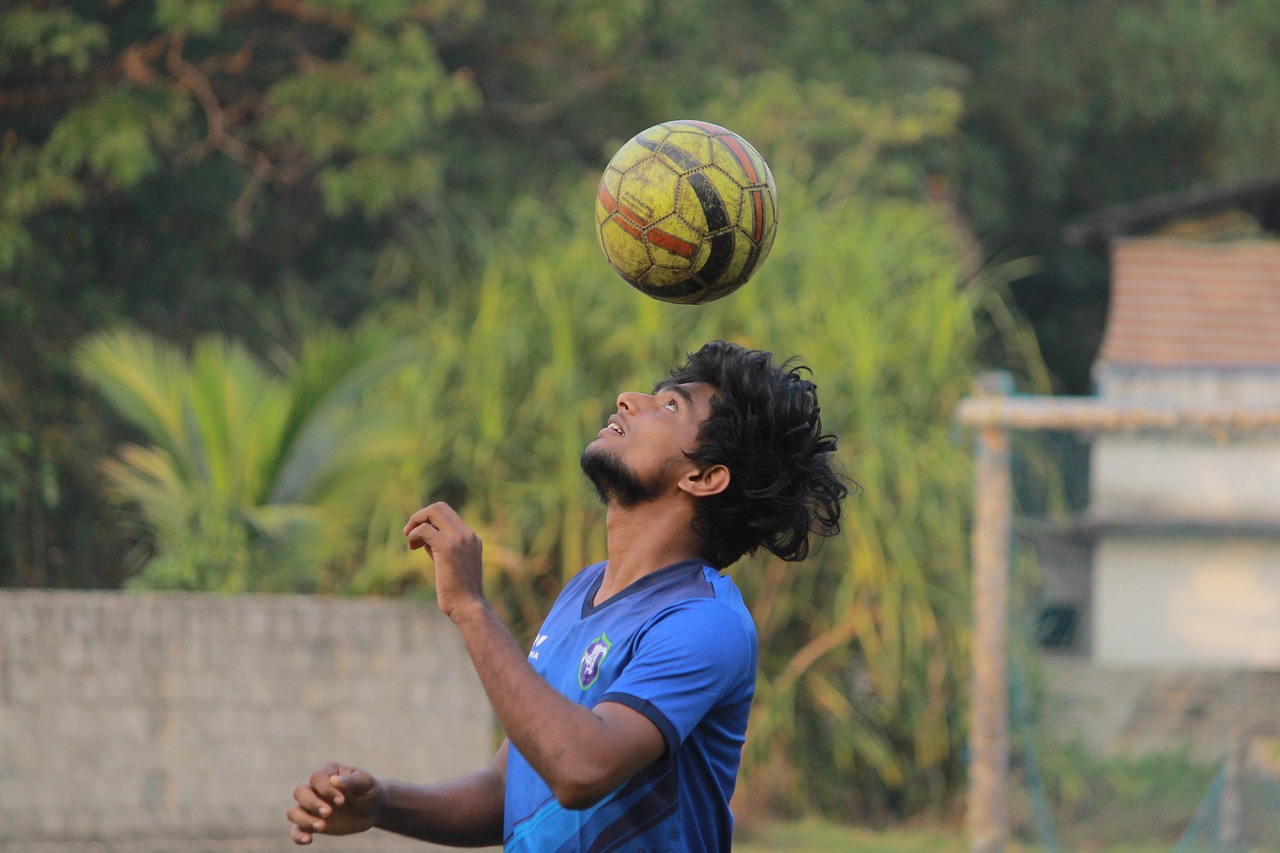
Technical Skill refers to the observable, measurable actions an athlete performs that directly influence performance outcomes. It includes the precise execution of movement patterns such as a basketball player’s jump shot, a sprinter’s start, or a swimmer’s butterfly stroke. For example, a tennis player’s serve is a technical skill that combines racket speed, ball toss height, and body rotation. In practice, coaches break the skill into components, using drills that isolate each element before recombining them. A common challenge is the tendency for athletes to develop “compensatory” movements that mask deficits, leading to inconsistent performance under pressure.
Motor Learning is the process by which practice leads to relatively permanent changes in the capability for movement. It involves stages of acquisition, retention, and transfer. A sprinter learning a new block start technique experiences motor learning when repeated practice refines neural pathways, resulting in faster reaction times. Practical application includes scheduling practice sessions that vary intensity and include rest to promote consolidation. A frequent obstacle is “overlearning,” where athletes continue rehearsing a skill beyond the point of benefit, causing mental fatigue and reduced motivation.
Cognitive Stage is the initial phase of skill acquisition where the learner must consciously think about each component. A novice golfer, for example, must focus on grip, stance, and swing path. Coaches support this stage by providing explicit instructions and visual demonstrations. The main difficulty is the high cognitive load, which can cause the athlete to become overwhelmed and revert to incorrect patterns under stress.
Associative Stage follows the cognitive stage and is marked by reduced conscious control and increased error detection. A basketball player at this stage can adjust shot mechanics based on feedback without needing step‑by‑step instructions. Training strategies involve variable practice and feedback that encourages self‑correction. Challenges include plateauing performance, where athletes may feel progress has stalled despite continued effort.
Autonomous Stage is the final stage where the skill becomes automatic, allowing the athlete to allocate attention to tactics or environmental cues. A world‑class swimmer can maintain optimal stroke technique while monitoring race strategy. Coaches aim to preserve automatization through occasional “maintenance” drills that keep the skill sharp without disrupting flow. A risk at this level is “skill decay” if the athlete neglects regular reinforcement.
Deliberate Practice is a structured form of practice designed to improve performance, characterized by specific goals, focused effort, and immediate feedback. An example is a soccer midfielder practicing precise passing under timed constraints, receiving coach feedback after each attempt. Effective deliberate practice requires breaking down tasks, setting measurable targets, and fostering a growth mindset. The primary challenge is maintaining motivation when practice feels repetitive or overly demanding.
Feedback is information provided to an athlete about their performance relative to a standard or goal. It can be intrinsic (sensory) or extrinsic (coach‑provided). For instance, a runner feels the ground impact and uses that sensation (intrinsic) while also receiving split‑time data from a GPS watch (extrinsic). Feedback must be timely, specific, and actionable to be effective. Overloading athletes with too much feedback can cause confusion and impede learning.
Knowledge of Results (KR) is a type of feedback that conveys the outcome of a movement, such as the distance a javelin traveled. KR helps athletes gauge success and adjust future attempts. In a volleyball serve drill, the coach records serve speed and informs the player of the exact value. A challenge arises when KR is given too frequently, leading athletes to rely on external cues rather than developing internal awareness.
Knowledge of Performance (KP) provides information about the quality of the movement itself, such as joint angles or timing. Video analysis showing a runner’s stride length is KP. This feedback is valuable for correcting technique before the final outcome is known. However, excessive KP can distract athletes from focusing on the task’s goal, especially in high‑pressure situations.
Feedforward is anticipatory information that guides future performance, often used in pre‑practice briefings. A coach might tell a basketball player to “keep your elbows in on the next three shooting drills.” Feedforward helps set expectations and primes the athlete for specific adjustments. The difficulty lies in delivering feedforward that is neither too vague nor overly prescriptive.
Transfer of Training describes how a skill learned in one context influences performance in another. A tennis player who practices footwork on a ladder may improve court coverage during matches. Transfer can be positive (facilitating performance) or negative (interfering). Designing practice environments that closely mimic competition conditions enhances positive transfer. A common pitfall is training in overly artificial settings that limit applicability.
Retention refers to the ability to maintain a learned skill over time without practice. A swimmer who returns from a break and still executes a flip turn correctly demonstrates good retention. Strategies to improve retention include spaced repetition, varied practice, and occasional “refresher” sessions. Athletes may experience rapid forgetting if there is a long gap between training periods.
Contextual Interference is the interference that results from practicing multiple skills in a random order rather than a blocked order. Random practice of different dribbling patterns in basketball creates higher contextual interference, which can improve long‑term retention despite initial performance decrements. Coaches must balance the short‑term performance drop with the long‑term learning benefits. Too much interference can lead to frustration and disengagement.
Periodization is the systematic planning of training variables (volume, intensity, frequency) over time to optimize performance peaks and recovery. A typical periodization model for a track athlete includes macro‑cycles (annual plan), meso‑cycles (monthly blocks), and micro‑cycles (weekly sessions). Periodization ensures technical skill development aligns with physiological preparation. Misaligned periodization can cause overload, injury, or suboptimal skill acquisition.
Load Management involves monitoring and adjusting training stress to prevent overload while promoting adaptation. For technical skill development, load includes the number of repetitions, technical complexity, and cognitive demand. Using tools like session rating of perceived exertion (sRPE) helps coaches gauge load. A challenge is accurately estimating mental load, which can be hidden behind physical metrics.
Biomechanical Analysis uses quantitative data to assess movement efficiency and effectiveness. Motion capture systems can measure a pitcher’s elbow torque to identify harmful mechanics. Practical application includes using video or wearable sensors to provide objective KP. The main barrier is access to technology and the expertise required to interpret data meaningfully.
Performance Metrics are quantifiable indicators of skill execution, such as shot accuracy percentage or time to complete a drill. In a volleyball serving drill, the metric might be “percentage of serves landing in the target zone.” Metrics enable objective tracking of progress. Selecting appropriate metrics is crucial; overly narrow metrics can ignore important qualitative aspects.
Skill Decay is the loss of a previously acquired skill due to lack of use or insufficient reinforcement. A gymnast who takes a season off may lose precision in balance beam routines. Preventing decay involves incorporating maintenance sessions and mental rehearsal during off‑season periods. The challenge is balancing decay prevention with the need for rest and recovery.
Neuroplasticity describes the brain’s ability to reorganize and form new connections in response to learning and experience. Repeated technical practice drives neuroplastic changes that enhance motor efficiency. For example, a fencer’s brain adapts to rapid decision‑making through repeated sparring. Harnessing neuroplasticity requires deliberate, focused practice and sufficient rest to consolidate changes.
Attentional Focus is the direction of an athlete’s concentration during skill execution. An external focus (e.G., “Watch the ball”) often leads to better performance than an internal focus (“feel your arm”). In a golf swing, focusing on the target line rather than hand position typically improves accuracy. Coaches must train athletes to adopt optimal focus cues. A frequent challenge is reverting to an internal focus under pressure.
External Focus directs attention to the effect of the movement on the environment, such as “push the ground away” during a squat. Research shows external focus enhances motor learning and performance. Practical drills include using targets or visual markers to guide movement. Athletes may initially struggle to shift from an internal focus, requiring consistent cueing.
Internal Focus directs attention to body movements themselves, such as “keep your elbows close.” While useful for early skill acquisition, overreliance can impede automaticity. Coaches should gradually transition athletes to external focus as proficiency increases. The challenge is identifying the optimal moment to shift focus without destabilizing confidence.
Perceptual‑Cognitive Skills combine perception (recognizing cues) and cognition (processing information) to make rapid decisions. A basketball point guard reads defensive formations and decides whether to pass or drive. Training these skills involves video simulation, decision‑making drills, and scenario‑based practices. The main obstacle is replicating game‑like pressure in training environments.
Decision‑Making is the process of selecting the best action among alternatives based on available information. In a rugby match, a player decides whether to kick or run based on field position. Enhancing decision‑making includes small‑sided games that increase the frequency of choices. A common difficulty is that athletes may overthink, leading to slower responses.
Situational Awareness is the ability to perceive, comprehend, and predict elements of the environment that affect performance. A soccer defender must monitor opponent movement, teammate positioning, and ball trajectory. Drills that incorporate multiple stimuli improve awareness. The challenge is maintaining awareness while executing complex technical actions.
Stress Inoculation prepares athletes to perform under pressure by exposing them to controlled stressors during training. Simulated crowd noise during a shooting drill helps a basketball player manage anxiety. Effective stress inoculation includes progressive intensity and debriefing. Overexposure can cause burnout, so balance is essential.
Fatigue Management involves strategies to sustain technical quality when physical or mental fatigue sets in. A tennis player may alter service mechanics in the final set to preserve accuracy. Techniques include pacing, strategic rest, and mental cues. Monitoring fatigue through subjective scales and physiological markers is vital. Ignoring fatigue can lead to technical breakdown and injury.
Technology Integration refers to the use of digital tools such as wearables, video analysis, and data dashboards to support skill development. For instance, a rowing coach uses a sensor to track stroke symmetry in real time. Benefits include immediate feedback and objective data. Barriers include cost, data overload, and potential over‑reliance on technology at the expense of feel.
Wearable Sensors capture movement data such as acceleration, angular velocity, and heart rate. A sprinter’s wristband can detect stride irregularities. Coaches translate sensor data into actionable KP. The challenge lies in filtering noise and ensuring athletes trust the technology.
Video Analysis provides visual feedback, allowing athletes to compare their technique with a model. A basketball player reviews slow‑motion footage of a jump shot to identify inconsistencies. Effective video sessions are short, focused, and paired with specific improvement goals. Too much video can lead to analysis paralysis.
Data Analytics involves processing large datasets to identify patterns and inform coaching decisions. An analytics platform might highlight that a volleyball team’s serve success drops after the third set, prompting targeted endurance work. Interpreting data requires statistical literacy and contextual understanding. Misinterpretation can lead to misguided training adjustments.
Performance Dashboards display key metrics in an accessible format for athletes and coaches. A dashboard showing sprint speed, heart rate variability, and skill accuracy helps monitor readiness. Dashboards must be user‑friendly and avoid clutter. Overemphasis on numbers may diminish the athlete’s intrinsic motivation.
Skill Profiling creates a detailed map of an athlete’s strengths and weaknesses across technical domains. A skill profile for a soccer midfielder might rate passing accuracy, dribbling speed, and defensive positioning. Profiles guide individualized training plans. The difficulty is ensuring profiles remain dynamic and reflect current performance, not outdated data.
Talent Identification uses technical skill assessments to spot promising athletes. Screening drills such as a 30‑meter sprint or a basketball shooting test help identify high‑potential individuals. Ethical considerations include fairness and avoiding bias. Early identification must be coupled with long‑term development pathways.
Competency Frameworks define the standards required for proficiency at various levels. A competency ladder for a tennis coach might include beginner, intermediate, and advanced technical instruction. Frameworks provide clear expectations and pathways for progression. Rigid frameworks can stifle creativity if not applied flexibly.
Reflective Practice encourages athletes to analyze their own performance, identify gaps, and plan improvements. After a match, a swimmer writes a brief reflection on stroke timing. Reflection deepens learning and fosters autonomy. Athletes may struggle with honest self‑assessment, requiring guided questions from coaches.
Growth Mindset is the belief that abilities can be developed through effort and learning. Athletes with a growth mindset view technical errors as opportunities for improvement. Coaches nurture this mindset by praising process over outcome. Fixed‑mindset athletes may resist feedback and plateau.
Goal Setting involves establishing clear, measurable targets to guide practice. A basketball player sets a goal to increase free‑throw percentage from 70% to 80% over six weeks. Effective goals are specific, challenging, and time‑bound. Vague goals lead to unfocused effort.
SMART Goals are a popular framework: Specific, Measurable, Achievable, Relevant, Time‑bound. A swimmer’s SMART goal might be “reduce 100‑meter freestyle time by 0.5 Seconds within eight weeks.” SMART goals aid in tracking progress and maintaining motivation. Overly ambitious goals can cause frustration.
Feedback Loops are cyclical processes where information from performance informs subsequent adjustments. In a drill, an athlete receives feedback, modifies technique, and re‑evaluates. Closed‑loop systems accelerate learning. Delayed loops reduce effectiveness, especially for fast‑changing skills.
Errorless Learning minimizes mistakes during early acquisition to prevent the formation of incorrect motor patterns. A novice golfer practices with a tee that ensures the ball is struck correctly. While it builds confidence, excessive errorless conditions can limit problem‑solving abilities. Gradual introduction of errors is recommended.
Constraint‑Led Approach frames skill development as an interaction of task, environment, and individual constraints. Modifying the size of a basketball court (task constraint) forces players to adapt passing strategies. This approach promotes adaptability and creativity. Coaches must carefully select constraints to avoid overwhelming athletes.
Ecological Dynamics combines ecological psychology and dynamical systems theory to explain skill emergence. It posits that athletes self‑organize behavior based on affordances in the environment. For a rugby player, the “gap” between defenders becomes an affordance for running. Applying ecological principles requires designing practice that preserves representative conditions.
Affordances are opportunities for action offered by the environment relative to the athlete’s capabilities. A low hurdle affords a sprinting athlete the chance to practice hurdle clearance. Recognizing affordances helps coaches design tasks that elicit desired technical responses. Misaligned affordances can lead to ineffective skill transfer.
Task Constraints are modifications to the activity itself, such as changing ball size, target distance, or rule variations. A basketball coach may reduce court width to emphasize quick passing. Task constraints directly shape technical execution. Over‑constraining may limit natural movement variability.
Environmental Constraints include external factors like surface, weather, and lighting. Training on a wet court forces a tennis player to adjust footwork and grip. Understanding environmental constraints prepares athletes for competition conditions. Uncontrolled constraints can increase injury risk if not managed.
Individual Constraints encompass an athlete’s physical, psychological, and experiential attributes. A tall basketball player has a different center of mass than a shorter teammate, influencing jump mechanics. Tailoring technical drills to individual constraints maximizes effectiveness. Overgeneralization can neglect unique needs.
Representativeness describes how closely a training task mirrors competition demands. A simulated match with authentic rules, timing, and opponent behavior is highly representative. High representativeness enhances transfer. Low representativeness may lead to “skill siloing,” where practiced skills fail to manifest in real competition.
Cross‑Training involves practicing a different sport or activity to develop complementary technical skills. A soccer player may practice basketball dribbling to improve foot‑eye coordination. Cross‑training can prevent monotony and reduce overuse injuries. The risk is allocating time away from sport‑specific skills without clear benefit.
Dual‑Task Training combines a primary technical task with a secondary cognitive or motor task to enhance multitasking ability. A volleyball player practices serve accuracy while responding to a random auditory cue. Dual‑task training improves resilience under pressure. It can also increase cognitive load, potentially degrading technique if not staged appropriately.
Mental Rehearsal is the cognitive simulation of a skill without physical movement. Athletes visualize a perfect serve, engaging motor pathways. Mental rehearsal improves confidence and neural activation. It is most effective when combined with physical practice. Some athletes find it difficult to generate vivid imagery, requiring guided scripts.
Visualization is a specific form of mental rehearsal that includes sensory details such as sight, sound, and feeling. A sprinter visualizes the starting gun, the feel of the track, and the burst of speed. Visualization enhances motivation and reduces anxiety. Lack of vividness can limit its effectiveness.
Pre‑Performance Routines are consistent sequences of actions athletes perform before competition to cue optimal states. A golfer may take three deep breaths, align the club, and visualize the shot. Routines foster focus and reduce variability. Inconsistent routines can increase uncertainty and nervousness.
Confidence is the belief in one’s ability to succeed at a specific task. High confidence often correlates with better technical execution. Coaches build confidence through mastery experiences, positive feedback, and realistic goal setting. Overconfidence may lead to complacency and inadequate preparation.
Self‑Efficacy is a broader belief in one’s capacity to achieve goals across contexts. It influences persistence, effort, and resilience. Technical skill training that provides incremental successes boosts self‑efficacy. Low self‑efficacy can cause avoidance of challenging drills.
Anxiety Regulation involves strategies to manage nervousness that can impair technical performance. Techniques include controlled breathing, progressive muscle relaxation, and cognitive restructuring. For a penalty kick, an athlete uses a breathing pattern to lower heart rate before striking. Poor regulation may result in “choking” under pressure.
Arousal Control refers to managing physiological activation levels to match task demands. High‑intensity sports may benefit from elevated arousal, while precision tasks require lower arousal. The “Inverted‑U” hypothesis illustrates that both under‑ and over‑arousal hinder performance. Athletes must learn to self‑monitor and adjust arousal through mental strategies.
Coping Strategies are methods used to handle stressors that threaten performance. Problem‑focused coping involves altering the environment (e.G., Adjusting equipment), while emotion‑focused coping addresses feelings (e.G., Using self‑talk). Effective coping promotes technical consistency. Ineffective coping can lead to avoidance behaviors.
Mental Toughness is the capacity to maintain performance under adversity. It encompasses resilience, focus, and confidence. Training mental toughness includes exposure to challenging scenarios, reflection, and positive self‑talk. Some athletes resist discomfort, limiting growth.
Resilience is the ability to bounce back after setbacks, such as a technical error or loss. A diver who crashes a dive but returns to practice with renewed focus demonstrates resilience. Building resilience involves supportive coaching, realistic expectations, and recovery planning. Chronic setbacks without support can erode resilience.
Team Cohesion influences how well a group works together to achieve technical objectives. In a rowing crew, synchronized stroke timing reflects cohesion. Cohesive teams share communication norms and trust, enhancing collective skill execution. Low cohesion can cause misaligned timing and reduced efficiency.
Leadership Styles affect how technical instruction is delivered. Transformational leadership inspires vision and personal growth, while servant leadership focuses on serving athletes’ needs. A coach adopting a transformational style may encourage athletes to set personal technical development goals. Inflexible leadership can suppress athlete input.
Transformational Leadership motivates athletes by articulating a compelling vision and fostering intrinsic motivation. It encourages athletes to take ownership of technical improvement. Implementation includes regular one‑on‑one discussions about skill goals. Challenges include balancing inspiration with concrete technical guidance.
Servant Leadership prioritizes the well‑being and development of athletes. Coaches ask, “What do you need to improve your serve?” And provide resources accordingly. This approach builds trust and openness. It may be perceived as lacking authority if not paired with clear expectations.
Communication Skills are essential for delivering technical cues, feedback, and motivation. Clear, concise language enhances understanding. For example, saying “extend your elbow fully on the release” is more effective than vague statements. Miscommunication can cause confusion and hinder skill acquisition.
Conflict Resolution addresses disagreements that arise during technical training, such as differing opinions on technique. Effective resolution involves active listening, empathy, and collaborative problem‑solving. Unresolved conflict can breed resentment and reduce training quality.
Ethical Considerations in technical skill development include fairness, safety, and respect for athlete autonomy. Coaches must avoid imposing harmful techniques or pressuring athletes beyond safe limits. Ethical lapses can damage trust and lead to legal repercussions.
Athlete Welfare encompasses physical, mental, and emotional health. Ensuring proper warm‑up, recovery, and mental support protects athletes while they develop technical skills. Neglecting welfare can result in burnout, injury, or decreased performance.
Cultural Competence involves understanding and respecting diverse backgrounds that influence learning styles and attitudes toward technical instruction. A coach working with an international team must adapt communication to cultural norms. Lack of competence can cause misunderstandings and disengagement.
Inclusive Coaching ensures that athletes of all abilities have equitable access to technical development. Adaptations may include modified equipment or alternative cues. Inclusive practices foster a positive environment and broaden talent pools. Over‑generalization can dilute technical standards if not carefully managed.
Technology Ethics addresses responsible use of data, privacy, and fairness in technical training. Coaches must obtain informed consent before collecting biometric data and protect it from misuse. Ignoring ethics can erode trust and violate regulations.
Data Privacy safeguards personal information gathered through wearables or performance platforms. Secure storage, limited access, and anonymization are key practices. Breaches can harm athlete reputation and lead to legal consequences.
Performance Anxiety is a specific type of anxiety related to fear of negative evaluation during skill execution. A gymnast may experience anxiety before a routine, affecting balance. Interventions include exposure therapy, cognitive restructuring, and relaxation techniques. Unaddressed anxiety can impair technical consistency.
Motivational Climate describes the environment that either promotes mastery (learning) or performance (outcome) goals. A mastery‑oriented climate encourages skill improvement, while a performance‑oriented climate emphasizes winning. Technical skill development thrives under mastery climates. Shifting climates abruptly can confuse athletes.
Self‑Regulation is the ability to monitor and adjust one’s own performance. Athletes who self‑regulate may notice a drop in serve accuracy and modify grip in real time. Training self‑regulation involves goal setting, self‑monitoring, and reflective feedback. Some athletes lack the metacognitive skills to self‑regulate effectively.
Metacognition is thinking about one’s own thinking processes. In technical skill learning, metacognition enables athletes to evaluate the effectiveness of a cue. Teaching metacognitive strategies, such as “What worked? What didn’t?” Enhances learning. Developing metacognition requires guided questioning and practice.
Deliberate Rest schedules intentional breaks to consolidate learning and prevent fatigue. A coach may schedule a light‐skill day after an intensive technical session. Rest improves memory consolidation and reduces injury risk. Over‑rest can lead to deconditioning, so balance is crucial.
Skill Transfer is the application of a learned skill to a new context. A basketball player’s ability to shoot accurately under defensive pressure demonstrates transfer from isolated shooting drills to game scenarios. Designing practice that mimics competition enhances transfer. Lack of transfer indicates overly isolated training.
Positive Transfer occurs when prior learning facilitates new skill acquisition, such as a swimmer’s breath control aiding in rhythmic running. Coaches exploit positive transfer by integrating complementary activities. Misidentifying transfer can waste training time.
Negative Transfer happens when previously learned habits interfere with new skill development, like a tennis player’s forehand grip affecting a badminton backhand. Recognizing negative transfer allows coaches to design unlearning strategies. Overcoming negative transfer often requires focused re‑training.
Skill Generalization extends a specific technical ability across varied situations. A soccer player’s dribbling skill remains effective whether playing on grass or artificial turf. Generalization is promoted through varied practice conditions. Insufficient variation can limit adaptability.
Specificity Principle states that training adaptations are specific to the performed activity. Technical skill improvements are most pronounced when practice closely matches the target task. Coaches apply specificity by replicating competition movements, tempos, and equipment. Ignoring specificity can lead to suboptimal performance gains.
Motor Imagery is the mental simulation of movement without physical execution. It activates similar neural pathways as actual movement, enhancing skill retention. Athletes use motor imagery during injury rehab to maintain technical proficiency. Success depends on vividness and regular practice.
Chunking is the process of grouping discrete movement elements into a single, efficient unit. A baseball pitcher may chunk the wind‑up, stride, and release into one fluid motion. Chunking reduces cognitive load and speeds execution. Teaching chunking requires progressive integration of components.
Feedback Timing concerns when feedback is delivered relative to the performance. Immediate feedback benefits early learning phases, while delayed feedback promotes internal error detection. A coach might give instant cue on a novice’s foot placement but wait for a seasoned athlete’s self‑assessment. Mis‑timing feedback can hinder learning.
Feedback Frequency describes how often feedback is provided. High frequency can accelerate early skill acquisition but may create dependence. Reducing frequency encourages autonomous error correction. Gradual reduction is key to maintaining progress without overwhelming the athlete.
Scaffolding provides temporary support structures that aid skill development, such as using a training aid to guide swing path. As proficiency increases, supports are removed. Scaffolding must be tailored to the athlete’s current level. Over‑scaffolding can limit independent problem‑solving.
Deliberate Error involves intentionally making a mistake to understand its impact. A basketball player may practice shooting with a slightly altered stance to feel the effect of poor alignment. This technique heightens awareness of error consequences. It must be used judiciously to avoid reinforcing bad habits.
Motor Program is a stored set of neural commands that produce a coordinated movement. Once a motor program is fully formed, performance becomes automatic. For a fencer, the lunge motor program executes without conscious thought. Interruption of the program (e.G., Due to injury) requires re‑learning.
Practice Variability introduces changes in speed, intensity, or context during training. Variable practice enhances adaptability and retention. An example is altering the distance of a basketball shooting drill each round. Excessive variability can confuse novices, so progressive scaling is advised.
Representational Fidelity measures how accurately a training simulation replicates real‑world conditions. High fidelity drills, like using a full‑size court with standard rules, improve transfer. Low fidelity, such as using a miniature hoop, may be useful for early skill stages but offers limited transfer. Selecting appropriate fidelity balances learning goals and resource constraints.
Motor Control encompasses the processes that coordinate muscles and joints to achieve a desired movement. Understanding motor control principles helps coaches design drills that improve timing, force production, and coordination. A swimmer’s kick timing is a motor control issue. Disruptions in control can stem from fatigue or injury.
Force Production is the ability to generate muscular force efficiently. Technical skills often require precise force application, such as the push‑off force in a sprint start. Strength training and plyometrics enhance force production. Overemphasis on force without technique can lead to inefficient movement patterns.
Speed‑Accuracy Trade‑off describes the inverse relationship between movement speed and precision. A tennis player may sacrifice serve speed to improve placement. Training must balance both dimensions based on sport demands. Ignoring the trade‑off can result in suboptimal performance.
Movement Economy refers to the efficiency with which an athlete performs a skill, minimizing unnecessary energy expenditure. A cyclist’s smooth pedal stroke exemplifies high economy. Improving economy involves refining technique and reducing extraneous movements. Poor economy leads to early fatigue.
Biomechanical Efficiency is the ratio of output (e.G., Distance) to input (e.G., Force). In rowing, efficient biomechanics maximize boat speed per stroke. Coaches use video and sensor data to assess and correct inefficiencies. Adjustments may involve altering joint angles or sequencing.
Joint Kinematics describe the motion of joints during a skill. Analyzing knee flexion during a jump shot can reveal technical flaws. Kinematic data guide corrective cues. However, interpreting complex data requires expertise and may be overwhelming for athletes.
Temporal Sequencing involves the timing order of movement components. A volleyball spike requires a precise sequence: Approach, jump, arm swing, contact, and follow‑through. Disruptions in sequencing can reduce power. Drills that isolate timing help refine sequencing.
Spatial Awareness is the perception of one’s body position relative to the environment. A hurdler must gauge distance to each hurdle accurately. Training spatial awareness includes drills that emphasize distance judgment and body alignment. Deficits can cause mistimed or misaligned movements.
Motor Unit Recruitment concerns the activation of muscle fibers to produce force. Efficient recruitment patterns improve technical execution. Strength and conditioning programs target recruitment through progressive overload. Inexperienced athletes may recruit excess fibers, leading to inefficiency.
Fatigue‑Induced Technique Degradation occurs when fatigue alters movement patterns, increasing injury risk. A basketball player’s shooting form may deteriorate in the final minutes of a game. Monitoring fatigue and incorporating technique checks during high‑intensity sessions mitigates this risk. Athletes may resist technique checks when fatigued, requiring coach persistence.
Adaptive Learning is the capacity to modify skills in response to changing conditions. A sailor adjusts sail trim based on wind shifts, exemplifying adaptive learning. Coaches foster adaptability through variable practice and problem‑solving scenarios. Resistance to change can hinder adaptive capacity.
Performance Profiling combines quantitative and qualitative data to create a comprehensive view of an athlete’s technical strengths and development needs. Profiles may include skill ratings, video excerpts, and self‑assessment scores. They serve as a roadmap for targeted interventions. Maintaining up‑to‑date profiles demands consistent data collection.
Technical Proficiency denotes the level of mastery an athlete has over a specific skill. High proficiency is marked by consistency, precision, and adaptability. Assessment often involves standardized testing and observational rating scales. Athletes may plateau, necessitating innovative training stimuli.
Skill Acquisition Timeline outlines expected progression rates for different technical skills. For example, a novice may require 50 repetitions to achieve basic proficiency in a tennis forehand, while an elite player may need 200+ to refine nuance. Understanding timelines helps set realistic expectations and allocate practice time efficiently.
Learning Curve visualizes the rate of skill improvement over time. A steep learning curve indicates rapid gains, while a shallow curve suggests slower progress. Coaches track learning curves to adjust training load. External factors such as life stress can flatten the curve, requiring supportive interventions.
Plateau Phenomenon describes periods where performance gains stall despite continued effort. A swimmer may experience a plateau in stroke efficiency after months of training. Strategies to overcome plateaus include altering practice variables, incorporating new feedback methods, or introducing mental skills work. Failure to address plateaus can lead to disengagement.
Deliberate Failure involves intentionally designing tasks that are challenging enough to cause failure, prompting learning from mistakes. A rugby coach may set up a game scenario where the defending team is outnumbered, forcing players to develop defensive tactics under pressure. This approach builds problem‑solving skills but must be carefully managed to avoid demotivation.
Skill Acquisition Model integrates theoretical frameworks (e.G., Fitts and Posner’s three‑stage model) with practical application. Coaches use the model to diagnose the learner’s stage and select appropriate interventions. Rigid adherence without considering individual differences can limit effectiveness.
Instructional Sequencing determines the order in which technical components are taught. Starting with foundational elements (e.G., Grip) before advanced tactics (e.G., Spin) follows logical sequencing. Poor sequencing can cause confusion and hinder skill integration.
Motor Learning Strategies encompass techniques such as error augmentation, reduced frequency feedback, and random practice. Selecting the appropriate strategy depends on the athlete’s level, skill complexity, and training goals. Misapplication can impede learning or increase injury risk.
Skill Complexity measures the number of components and interactions within a technical skill. A simple skill like a standing long jump has low complexity, while a gymnastics dismount combines multiple rotations, twists, and landings, representing high complexity. Training plans must match complexity with appropriate practice structures.
Skill Chunking (different from earlier “chunking”) refers to the mental grouping of sub‑skills into a single, cohesive unit, facilitating faster execution. A basketball player may combine dribble, step‑back, and shot into a single “scoring chunk.” Coaches develop chunking through repetition and cue integration.
Motor Adaptation is the process by which the neuromuscular system adjusts to new demands, such as altered equipment weight. A tennis player switching to a heavier racket experiences motor adaptation, requiring adjustments in swing speed and timing. Monitoring adaptation helps prevent overuse injuries.
Biomechanical Constraints are physical limits imposed by anatomy, such as joint range of motion. Understanding these constraints aids in designing realistic technical goals. For instance, a swimmer’s shoulder flexibility limits certain stroke angles. Coaches must balance ambition with safety.
Psychomotor Domain encompasses the integration of cognitive and physical skills. Technical skill development resides within this domain, requiring both mental understanding and physical execution. Training that isolates only the physical aspect may neglect crucial cognitive components.
Motor Skill Transfer occurs when proficiency in one motor skill facilitates learning another skill with shared components. A skier’s balance may aid in learning skateboarding. Identifying transferable elements maximizes training efficiency.
Neural Inhibition refers to the brain’s ability to suppress competing motor programs, allowing the desired skill to dominate.
Key takeaways
- A common challenge is the tendency for athletes to develop “compensatory” movements that mask deficits, leading to inconsistent performance under pressure.
- A sprinter learning a new block start technique experiences motor learning when repeated practice refines neural pathways, resulting in faster reaction times.
- The main difficulty is the high cognitive load, which can cause the athlete to become overwhelmed and revert to incorrect patterns under stress.
- Associative Stage follows the cognitive stage and is marked by reduced conscious control and increased error detection.
- Autonomous Stage is the final stage where the skill becomes automatic, allowing the athlete to allocate attention to tactics or environmental cues.
- Deliberate Practice is a structured form of practice designed to improve performance, characterized by specific goals, focused effort, and immediate feedback.
- For instance, a runner feels the ground impact and uses that sensation (intrinsic) while also receiving split‑time data from a GPS watch (extrinsic).