
Hydropower Plant Design
Hydropower Plant Design is a critical aspect of hydro power engineering that involves the planning, layout, and construction of facilities to harness the energy of water and convert it into electricity. This process requires a deep understa…
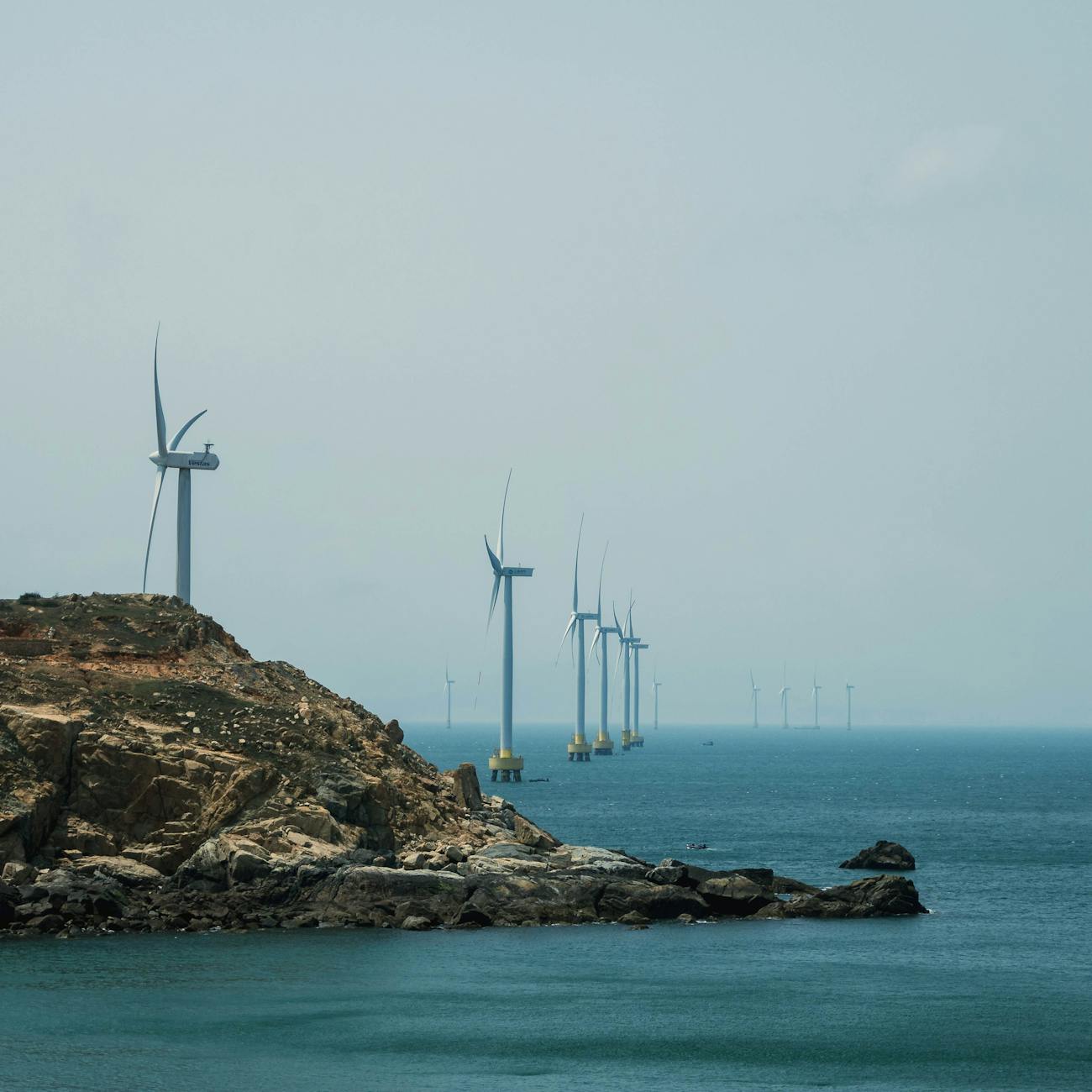
Hydropower Plant Design is a critical aspect of hydro power engineering that involves the planning, layout, and construction of facilities to harness the energy of water and convert it into electricity. This process requires a deep understanding of various key terms and vocabulary to ensure the successful implementation of hydropower projects. In this explanation, we will explore these terms in detail to provide a comprehensive understanding of Hydropower Plant Design.
1. **Hydropower**: Hydropower is a renewable energy source that uses the kinetic energy of flowing water to generate electricity. It is one of the oldest and most widely used forms of renewable energy.
2. **Hydrology**: Hydrology is the study of water in the environment, including its distribution, movement, and quality. Understanding hydrology is essential for designing hydropower plants as it determines the availability and reliability of water resources.
3. **Head**: Head refers to the vertical distance between the water source (such as a reservoir or river) and the turbine in a hydropower plant. It is a crucial factor in determining the potential energy that can be harnessed from the water.
4. **Flow Rate**: Flow rate is the volume of water passing through a given point in a specified amount of time. It is typically measured in cubic meters per second (m3/s) or cubic feet per second (cfs) and plays a significant role in determining the power output of a hydropower plant.
5. **Penstock**: A penstock is a large pipe or conduit that carries water from the reservoir or intake to the turbine in a hydropower plant. It controls the flow of water and directs it to the turbine to generate electricity.
6. **Turbine**: A turbine is a mechanical device that converts the kinetic energy of flowing water into mechanical energy. There are several types of turbines used in hydropower plants, including Francis, Pelton, and Kaplan turbines.
7. **Generator**: A generator is an electrical device that converts mechanical energy from the turbine into electrical energy. It is a critical component of a hydropower plant that produces the electricity for distribution.
8. **Reservoir**: A reservoir is a large artificial or natural lake where water is stored for use in a hydropower plant. It helps regulate the flow of water and ensures a consistent supply for power generation.
9. **Dam**: A dam is a barrier built across a river or stream to create a reservoir and control the flow of water. Dams are essential for storing water and maintaining a constant head for hydropower generation.
10. **Intake**: The intake is the structure where water is drawn from the reservoir or river into the penstock. It is designed to control the flow of water and prevent debris from entering the hydropower plant.
11. **Tailrace**: The tailrace is the channel or conduit through which water flows away from the turbine after passing through it. It returns the water to the river or stream at a lower energy level.
12. **Hydraulic Gradient**: The hydraulic gradient is the slope of the water surface in a penstock or conduit that determines the pressure and flow of water. It is crucial for optimizing the efficiency of the hydropower plant.
13. **Efficiency**: Efficiency is a measure of how well a hydropower plant converts the energy of flowing water into electricity. It is calculated as the ratio of electrical output to the potential energy of the water.
14. **Cavitation**: Cavitation is the formation of bubbles or vapor in the water due to low pressure around the turbine blades. It can cause damage to the turbine and reduce its efficiency.
15. **Sedimentation**: Sedimentation is the process of sediment or debris settling at the bottom of the reservoir or intake. It can reduce the storage capacity of the reservoir and affect the operation of the hydropower plant.
16. **Environmental Impact Assessment (EIA)**: EIA is a study conducted to assess the potential environmental impacts of a hydropower project. It helps identify and mitigate any adverse effects on the ecosystem and local communities.
17. **Fish Passage**: Fish passage refers to structures or measures implemented in a hydropower plant to allow fish to migrate upstream and downstream without being harmed. It is essential for maintaining the ecological balance of rivers and streams.
18. **Grid Connection**: Grid connection is the process of connecting a hydropower plant to the electrical grid for the distribution of electricity. It involves ensuring compatibility with the grid and meeting regulatory requirements.
19. **Load Factor**: Load factor is the ratio of the average power output of a hydropower plant to its maximum capacity. It indicates how efficiently the plant is used over a specified period.
20. **Run-of-River Plant**: A run-of-river plant is a type of hydropower plant that operates without a reservoir, using the natural flow of the river to generate electricity. It has minimal environmental impact compared to conventional dams.
21. **Storage Plant**: A storage plant is a hydropower plant that uses a reservoir to store water for power generation. It can regulate the flow of water and provide energy during peak demand periods.
22. **Run-of-River with Pondage Plant**: A run-of-river with pondage plant is a hybrid design that combines the features of a run-of-river plant with a small storage reservoir. It offers the benefits of both designs while minimizing environmental impact.
23. **Peaking Plant**: A peaking plant is a hydropower plant that operates during periods of high electricity demand, providing additional power to the grid. It can quickly ramp up its output to meet peak loads.
24. **Base Load Plant**: A base load plant is a hydropower plant that operates continuously at a constant output to meet the minimum electricity demand. It provides a stable source of power to the grid.
25. **Hydroelectric Power Station**: A hydroelectric power station is a facility that generates electricity from hydropower. It includes all the components necessary for power generation, such as turbines, generators, and control systems.
26. **Hydraulic Fracturing**: Hydraulic fracturing, or fracking, is a method of extracting natural gas or oil from underground rock formations by injecting high-pressure fluid. It can impact water resources and the environment near hydropower plants.
27. **Water Rights**: Water rights are legal rights to use water from rivers, streams, or reservoirs for various purposes, including hydropower generation. They regulate the allocation and distribution of water resources.
28. **Hydrological Forecasting**: Hydrological forecasting is the process of predicting future water availability and flow rates based on historical data and weather patterns. It helps hydropower plant operators optimize their operations and plan for contingencies.
29. **Hydropower Potential**: Hydropower potential is the maximum amount of electricity that can be generated from a specific water resource. It depends on factors such as head, flow rate, and turbine efficiency.
30. **Hydropower Efficiency Curve**: The hydropower efficiency curve shows the relationship between the flow rate of water and the efficiency of a hydropower plant. It helps operators optimize the plant's performance under varying conditions.
31. **Hydraulic Turbine Efficiency**: Hydraulic turbine efficiency is a measure of how well a turbine converts the energy of flowing water into mechanical energy. It is influenced by factors such as turbine design, head, and flow rate.
32. **Hydraulic Turbine Characteristics**: Hydraulic turbine characteristics describe the performance of a turbine under different operating conditions. They include parameters such as power output, efficiency, and head-flow curve.
33. **Hydropower System Design**: Hydropower system design involves the selection and integration of components such as turbines, generators, and control systems to optimize the performance of a hydropower plant. It considers factors like head, flow rate, and energy output.
34. **Hydropower Plant Layout**: Hydropower plant layout refers to the spatial arrangement of components within a hydropower facility. It includes structures such as dams, penstocks, turbines, and generators, as well as access roads and buildings.
35. **Hydropower Plant Siting**: Hydropower plant siting is the process of selecting a suitable location for a hydropower project based on factors like water availability, topography, and environmental considerations. It aims to maximize energy production while minimizing impacts.
36. **Hydropower Plant Construction**: Hydropower plant construction involves the physical building of structures and installation of equipment to bring a hydropower project to fruition. It requires careful planning, coordination, and adherence to safety standards.
37. **Hydropower Plant Operation**: Hydropower plant operation involves the day-to-day management and maintenance of the facility to ensure reliable and efficient power generation. It includes monitoring equipment, adjusting settings, and responding to changing conditions.
38. **Hydropower Plant Maintenance**: Hydropower plant maintenance includes regular inspections, repairs, and upgrades to keep the facility running smoothly. It helps prevent breakdowns, optimize performance, and extend the lifespan of equipment.
39. **Hydropower Plant Decommissioning**: Hydropower plant decommissioning is the process of retiring a facility at the end of its operational life. It involves dismantling structures, restoring the site, and managing any environmental impacts.
40. **Hydropower Plant Economics**: Hydropower plant economics involves analyzing the costs and benefits of a hydropower project to determine its financial viability. It considers factors like capital investment, operating expenses, electricity prices, and revenue streams.
41. **Hydropower Plant Licensing**: Hydropower plant licensing is the process of obtaining permits and approvals from regulatory authorities to develop and operate a hydropower project. It ensures compliance with environmental, safety, and other regulations.
42. **Hydropower Plant Permitting**: Hydropower plant permitting involves securing the necessary permits and authorizations for the construction and operation of a hydropower facility. It may require environmental assessments, public consultations, and stakeholder engagement.
43. **Hydropower Plant Risk Assessment**: Hydropower plant risk assessment is the evaluation of potential hazards and uncertainties that could affect the safety, performance, or profitability of a project. It helps identify and mitigate risks to ensure successful operation.
44. **Hydropower Plant Optimization**: Hydropower plant optimization involves fine-tuning the design, operation, and maintenance of a facility to maximize energy production and efficiency. It requires continuous monitoring, analysis, and adjustment.
45. **Hydropower Plant Resilience**: Hydropower plant resilience is the ability of a facility to withstand and recover from disruptions, such as extreme weather events, equipment failures, or supply chain issues. It involves planning, redundancy, and contingency measures.
46. **Hydropower Plant Flexibility**: Hydropower plant flexibility refers to the ability of a facility to adjust its output in response to changing demand or market conditions. It allows operators to optimize revenue and support grid stability.
47. **Hydropower Plant Interconnection**: Hydropower plant interconnection is the connection of a facility to the electrical grid to exchange power with other generators and consumers. It enables efficient operation, flexibility, and reliability.
48. **Hydropower Plant Integration**: Hydropower plant integration involves incorporating renewable energy sources, energy storage, and smart grid technologies into a hydropower facility. It aims to enhance performance, reliability, and sustainability.
49. **Hydropower Plant Monitoring**: Hydropower plant monitoring involves using sensors, meters, and control systems to track the performance and condition of equipment in real-time. It helps operators optimize operation, detect issues, and prevent failures.
50. **Hydropower Plant Data Analysis**: Hydropower plant data analysis involves processing and interpreting large volumes of operational data to extract insights, trends, and patterns. It supports decision-making, maintenance planning, and performance optimization.
By understanding these key terms and vocabulary related to Hydropower Plant Design, aspiring hydro power engineers can gain the knowledge and skills needed to plan, develop, and operate sustainable hydropower projects. Each term plays a crucial role in the design and implementation of hydropower plants, ensuring efficient and environmentally responsible energy generation.
Key takeaways
- Hydropower Plant Design is a critical aspect of hydro power engineering that involves the planning, layout, and construction of facilities to harness the energy of water and convert it into electricity.
- **Hydropower**: Hydropower is a renewable energy source that uses the kinetic energy of flowing water to generate electricity.
- Understanding hydrology is essential for designing hydropower plants as it determines the availability and reliability of water resources.
- **Head**: Head refers to the vertical distance between the water source (such as a reservoir or river) and the turbine in a hydropower plant.
- It is typically measured in cubic meters per second (m3/s) or cubic feet per second (cfs) and plays a significant role in determining the power output of a hydropower plant.
- **Penstock**: A penstock is a large pipe or conduit that carries water from the reservoir or intake to the turbine in a hydropower plant.
- **Turbine**: A turbine is a mechanical device that converts the kinetic energy of flowing water into mechanical energy.