
Environmental Impact of Hydropower
Environmental Impact of Hydropower
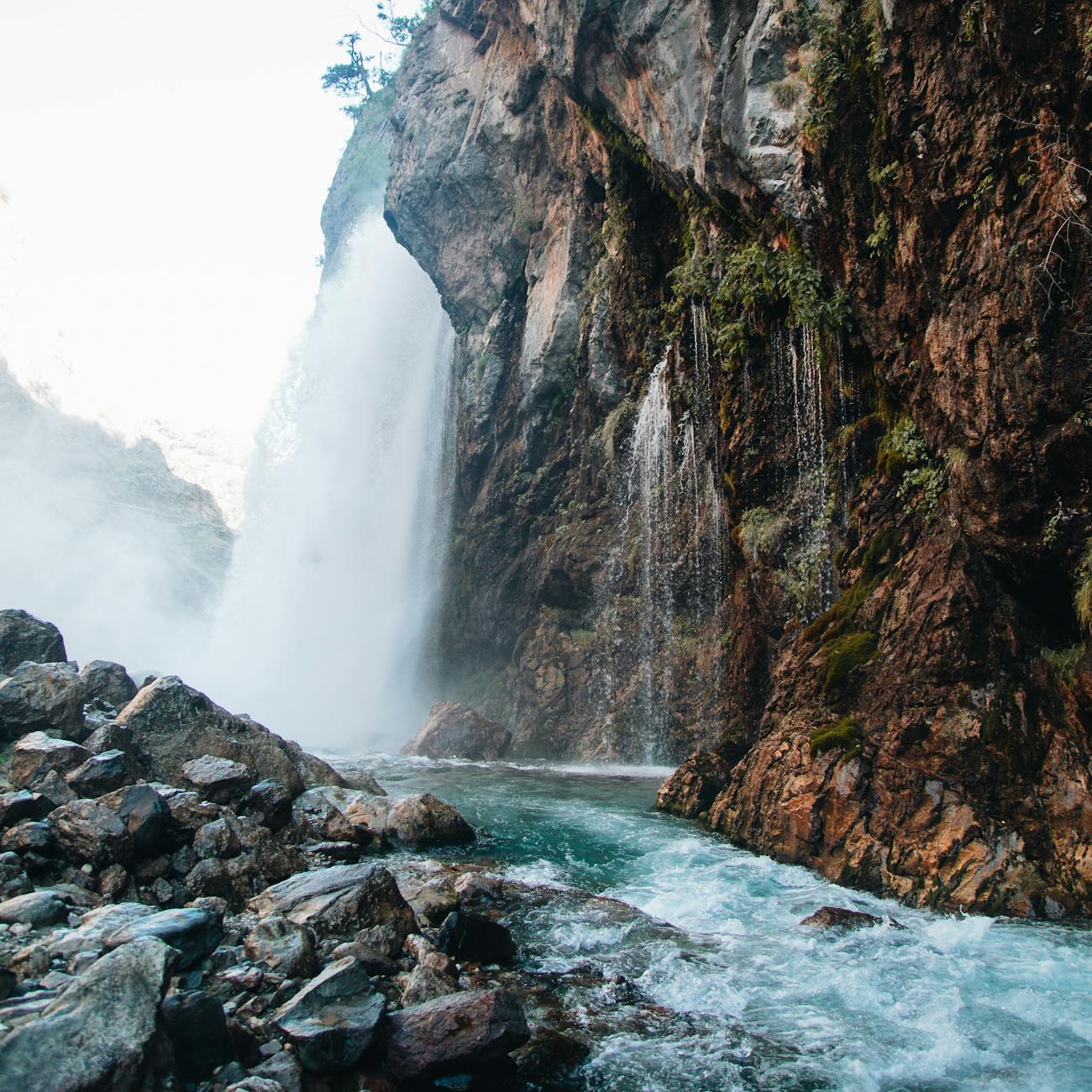
Environmental Impact of Hydropower
Hydropower is a renewable source of energy that harnesses the power of flowing water to generate electricity. While it is a clean and sustainable energy option, there are environmental impacts associated with the construction and operation of hydropower plants. Understanding these impacts is crucial for sustainable development and effective environmental management. In this section, we will explore key terms and vocabulary related to the environmental impact of hydropower.
1. Habitat Fragmentation
Habitat fragmentation occurs when a large, continuous habitat is divided into smaller, isolated fragments. This can disrupt the natural habitat of plants and animals, leading to a loss of biodiversity. Hydropower projects often involve dam construction, which can create barriers that fragment rivers and disrupt the natural flow of water. This can have significant impacts on aquatic ecosystems and the species that depend on them.
2. Reservoir Formation
When a dam is built to create a hydropower reservoir, large areas of land are flooded to store water. This can lead to the submergence of forests, farmland, and other habitats, resulting in the loss of biodiversity and displacement of communities. The creation of reservoirs can also lead to the release of greenhouse gases such as methane, which contribute to climate change.
3. Water Quality
Hydropower projects can affect water quality by altering the flow of rivers and streams, disrupting sediment transport, and changing the temperature of the water. Dams can trap sediment, nutrients, and pollutants, leading to changes in water quality downstream. This can have negative impacts on aquatic ecosystems and the communities that depend on clean water for drinking and irrigation.
4. Fish Migration
Many fish species rely on seasonal migrations to reproduce and complete their life cycles. Dams can block these migration routes, preventing fish from reaching their spawning grounds. This can lead to a decline in fish populations and disrupt the food web in rivers and lakes. Fish ladders and other fish passage structures can help mitigate the impact of dams on fish migration, but they may not be effective for all species.
5. Altered Flow Regimes
Hydropower projects can alter the natural flow regimes of rivers and streams, affecting the timing and volume of water flow. This can have significant impacts on aquatic ecosystems, including changes in water temperature, sediment transport, and nutrient cycling. Altered flow regimes can also impact downstream communities that rely on consistent water flows for agriculture, drinking water, and other uses.
6. Erosion and Sedimentation
The construction of dams and reservoirs can lead to changes in erosion and sedimentation patterns in rivers and streams. Dams can trap sediment, reducing the supply of sediment downstream and leading to erosion in riverbeds and coastal areas. Sedimentation in reservoirs can also reduce the storage capacity of the reservoir and impact water quality. Effective sediment management strategies are essential to mitigate the impacts of erosion and sedimentation associated with hydropower projects.
7. Ecological Connectivity
Ecological connectivity refers to the ability of species to move and interact across landscapes. Hydropower projects can disrupt ecological connectivity by creating barriers that prevent the movement of plants and animals between habitats. This can lead to genetic isolation, reduced biodiversity, and increased vulnerability to environmental changes. Maintaining ecological connectivity is essential for the long-term health and resilience of ecosystems.
8. Riparian Zones
Riparian zones are areas of land adjacent to rivers and streams that are influenced by water. These areas are important for biodiversity, water quality, and flood control. Hydropower projects can impact riparian zones by altering water flow, flooding land, and disrupting natural processes. Protecting riparian zones is essential to maintain ecosystem functions and support the diverse plant and animal species that depend on these habitats.
9. Climate Change Mitigation
Despite the environmental impacts associated with hydropower, it is considered a low-carbon energy source that can help mitigate climate change. By replacing fossil fuel-based energy sources with hydropower, we can reduce greenhouse gas emissions and transition to a more sustainable energy system. However, it is important to consider the trade-offs between climate change mitigation and the environmental impacts of hydropower when planning and implementing new projects.
10. Stakeholder Engagement
Effective stakeholder engagement is essential for addressing the environmental impacts of hydropower projects. Stakeholders include local communities, indigenous peoples, environmental organizations, government agencies, and other groups that are affected by or have an interest in the project. Engaging stakeholders in the decision-making process can help identify potential impacts, develop mitigation measures, and ensure that the project is implemented in a socially and environmentally responsible manner.
11. Environmental Impact Assessment
Environmental Impact Assessment (EIA) is a process used to identify, predict, and evaluate the potential environmental impacts of a proposed project. EIAs are required for hydropower projects to assess the impacts on biodiversity, water quality, fish migration, and other environmental factors. The results of the EIA help inform decision-making and ensure that the project complies with environmental regulations and best practices.
12. Adaptive Management
Adaptive management is an approach that involves learning from the outcomes of a project and adjusting management strategies based on new information. Hydropower projects are complex and can have long-lasting environmental impacts that may not be fully understood at the outset. By implementing adaptive management practices, project developers can respond to changing conditions, monitor environmental impacts, and adjust operations to minimize harm and maximize benefits for the environment.
13. Biodiversity Conservation
Biodiversity conservation is a key consideration in the planning and implementation of hydropower projects. Maintaining biodiversity is essential for ecosystem health, resilience, and the provision of ecosystem services. Project developers can incorporate biodiversity conservation measures such as habitat restoration, fish passage structures, and wildlife corridors to minimize the impact of hydropower projects on plant and animal species.
14. Cumulative Impacts
Cumulative impacts refer to the combined effects of multiple projects on the environment. Hydropower projects are often part of larger development schemes that include infrastructure, agriculture, mining, and other activities. The cumulative impacts of these projects can have significant effects on biodiversity, water resources, and ecosystem services. It is important to consider the cumulative impacts of all projects in a region when assessing the environmental implications of hydropower development.
15. Social License to Operate
Social license to operate refers to the acceptance and approval of a project by local communities and stakeholders. Hydropower projects can have social impacts such as the displacement of communities, changes in land use, and conflicts over water resources. Building trust, engaging with communities, and addressing social concerns are essential for obtaining and maintaining the social license to operate. Without social support, hydropower projects may face opposition and delays in implementation.
16. Indigenous Rights
Many hydropower projects are located on lands that are traditionally owned or used by indigenous peoples. These projects can impact indigenous rights, including land rights, resource access, cultural practices, and self-determination. Respecting indigenous rights, engaging with indigenous communities, and incorporating traditional knowledge into project planning are essential for upholding human rights and achieving sustainable development.
17. Environmental Flows
Environmental flows refer to the quantity, timing, and quality of water required to sustain freshwater ecosystems. Hydropower projects can alter natural flow regimes, affecting the availability of water for aquatic species, habitats, and ecosystem functions. Incorporating environmental flows into project design and operation can help maintain the health of rivers and lakes, support biodiversity, and meet the needs of downstream users while generating hydropower sustainably.
18. Hydropower Certification
Hydropower certification is a voluntary process that assesses the environmental, social, and economic performance of a hydropower project. Certification schemes such as the Hydropower Sustainability Assessment Protocol (HSAP) evaluate projects based on criteria related to environmental impact, social responsibility, and economic viability. By obtaining certification, project developers can demonstrate their commitment to sustainable development, transparency, and accountability in hydropower development.
19. Stakeholder Consultation
Stakeholder consultation involves engaging with a wide range of stakeholders to gather input, feedback, and concerns about a proposed project. Consultation is an essential part of the decision-making process for hydropower projects, as it helps identify potential impacts, address social and environmental issues, and build consensus among stakeholders. Effective stakeholder consultation can lead to better project outcomes, increased transparency, and improved relationships with local communities and other stakeholders.
20. Off-Grid Hydropower
Off-grid hydropower systems provide electricity to remote areas that are not connected to the main power grid. These systems use small-scale hydropower technologies to generate electricity for local communities, schools, health clinics, and other off-grid facilities. Off-grid hydropower can help improve access to clean and reliable energy, support local development, and reduce reliance on fossil fuels in remote areas. However, it is important to consider the environmental impacts and sustainability of off-grid hydropower projects to ensure long-term benefits for communities and ecosystems.
By understanding and applying these key terms and concepts related to the environmental impact of hydropower, stakeholders can make informed decisions, develop sustainable projects, and minimize harm to the environment. Addressing the environmental challenges associated with hydropower requires a holistic approach that considers biodiversity conservation, water quality, social impacts, and climate change mitigation. By integrating environmental considerations into project planning, implementation, and monitoring, we can harness the benefits of hydropower while safeguarding the health and resilience of our ecosystems for future generations.
Key takeaways
- While it is a clean and sustainable energy option, there are environmental impacts associated with the construction and operation of hydropower plants.
- Hydropower projects often involve dam construction, which can create barriers that fragment rivers and disrupt the natural flow of water.
- This can lead to the submergence of forests, farmland, and other habitats, resulting in the loss of biodiversity and displacement of communities.
- Hydropower projects can affect water quality by altering the flow of rivers and streams, disrupting sediment transport, and changing the temperature of the water.
- Fish ladders and other fish passage structures can help mitigate the impact of dams on fish migration, but they may not be effective for all species.
- Altered flow regimes can also impact downstream communities that rely on consistent water flows for agriculture, drinking water, and other uses.
- Effective sediment management strategies are essential to mitigate the impacts of erosion and sedimentation associated with hydropower projects.