
Preservation of Decorative Finishes
Patina refers to the thin layer of oxidation that forms naturally on metal surfaces over time. In antique firearms this layer often appears as a muted green, brown, or blue hue and can protect the underlying metal from further corrosion. Un…
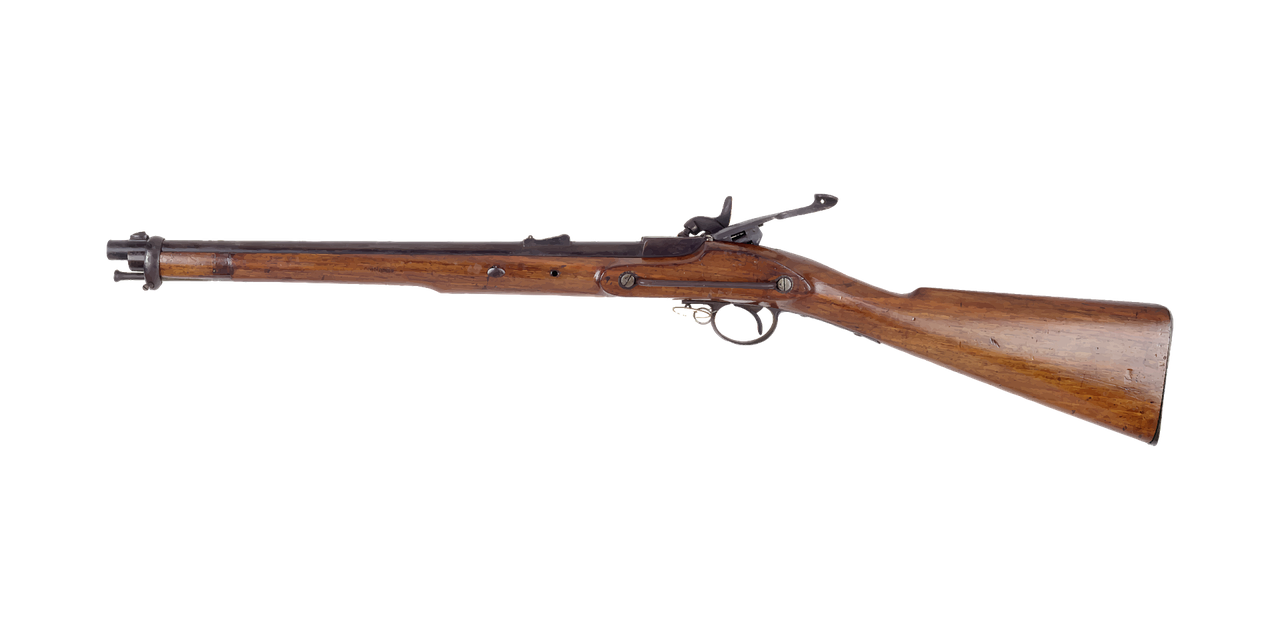
Patina refers to the thin layer of oxidation that forms naturally on metal surfaces over time. In antique firearms this layer often appears as a muted green, brown, or blue hue and can protect the underlying metal from further corrosion. Understanding the composition of a patina is essential because it informs decisions about whether to preserve, consolidate, or remove it. For example, a well‑developed bronze patina on a 19th‑century pistol may be an integral part of the piece’s historic character and should be left intact, whereas a flaky yellowish layer on a steel barrel may indicate active corrosion that requires intervention.
Blues are a category of decorative finishes applied to steel or iron components to produce a deep blue‑black surface. The process, commonly called bluing, involves controlled oxidation that creates a magnetite layer (Fe3O4). This finish was popular on military rifles because it offered modest corrosion resistance and a distinctive appearance. When preserving a blued finish, conservators must recognize that the underlying magnetite is vulnerable to moisture; therefore, any cleaning must avoid abrasive tools that could breach the protective layer.
Case Hardening describes a surface treatment where carbon is diffused into the outer layer of low‑carbon steel, resulting in a hard, darkened surface with a characteristic patterned appearance. This finish was often used on the receivers of early breech‑loading rifles to increase wear resistance while retaining a relatively soft core for machining. The visual effect, sometimes called “marble‑type” case hardening, can be confused with intentional decorative painting. Preservation of case‑hardened surfaces requires careful monitoring of humidity, as the carbon‑rich layer can spall if the metal expands and contracts excessively.
Gilding involves the application of a thin layer of gold or gold‑colored material to a firearm component for ornamental purposes. Historically, gilding was applied to lock plates, decorative scrollwork, and sometimes to entire barrels of high‑status pieces. The technique may be applied by fire‑gilding (using a mercury amalgam) or by mechanical means such as electroplating. Gilded surfaces are highly susceptible to tarnish and mercury contamination; therefore, conservators must test for the presence of mercury before any cleaning, as inappropriate solvents can volatilize mercury and present health hazards.
Enameling is the process of fusing a glass‑based coating to metal, producing a hard, glossy surface that can be colored in a wide range of hues. Enamel was frequently used on the decorative panels of pistols and the protective caps of percussion caps. The integrity of enamel depends on a strong bond between the glass and the metal substrate; cracks or delamination can permit moisture ingress and lead to corrosion beneath the enamel. When an enamel piece is cracked, the preferred intervention is to stabilize the crack with a reversible adhesive before any attempt at cleaning.
Lacquer is a resin‑based coating traditionally derived from the sap of the lacquer tree (Rhus verniciflua) and used to protect wood or metal components. In the context of antique firearms, lacquer may be applied to wooden stocks, metal fittings, or to seal painted surfaces. The finish can yellow with age, and its solubility varies depending on the formulation. Conservation practitioners must conduct spot tests to determine the appropriate solvent system for cleaning lacquer without causing dissolution or discoloration.
Varnish denotes a protective coating typically composed of oil, resin, and a solvent. Varnish was commonly applied to wooden stocks to enhance the grain and provide a barrier against moisture. Over time, varnish may become brittle, develop micro‑cracks, or yellow, altering the visual qualities of the wood. In preservation work, the decision to retain, consolidate, or remove varnish hinges on its condition and its role in the overall aesthetic of the firearm. When removal is necessary, a controlled solvent blend such as a mild petroleum‑based mixture may be employed, always under a microscope to avoid damage to the underlying wood.
Oil Finish is a simple preservation method where linseed, walnut, or other drying oils are applied to wood or metal surfaces to impart a protective sheen. Oil finishes are reversible and can be refreshed periodically. However, excessive oil can attract dust and promote oxidation on metal parts. The application of oil must be balanced: A thin, evenly spread layer is sufficient to maintain the wood’s moisture equilibrium while not providing a substrate for corrosion on metal components.
Corrosion is the chemical degradation of metal caused by reactions with environmental agents such as moisture, oxygen, chlorides, and acids. In antique firearms, corrosion manifests as rust on iron and steel, verdigris on copper alloys, and blackening on bronze. Identifying the type of corrosion is the first step in selecting an appropriate treatment. For example, iron oxide (rust) can be mechanically removed with micro‑abrasive tools, whereas copper corrosion may require chelating agents like EDTA to dissolve the patina without harming the base metal.
Rust Converter is a chemical formulation that transforms iron oxides into a more stable, inert compound, often a black or brown ferric hydroxide. These products are sometimes used in field conservation to halt active rusting when immediate removal is impractical. However, rust converters are generally considered non‑reversible and may interfere with later scientific analysis, so their use is limited to situations where the aesthetic value outweighs the need for future research.
Consolidant refers to a low‑viscosity resin that penetrates porous materials (such as wood, ivory, or cracked enamel) and hardens to provide structural stability. Common consolidants include acrylic polymers like Paraloid B‑72. In decorative finish preservation, consolidants are employed to stabilize flaking lacquer or to reinforce a weakened enamel surface before any cleaning or polishing. The key to successful consolidation is ensuring the resin does not alter the appearance or the chemical composition of the original finish.
Solvent is a liquid capable of dissolving or dispersing other substances without chemically altering them. In the context of decorative finish preservation, solvents are used to remove grime, old varnish, or degraded lacquer. The selection of a solvent must consider the solubility of the target material, the safety of the conservator, and the potential impact on adjacent finishes. For instance, a mild alcohol‑based solvent may be suitable for cleaning a lacquered stock, whereas a stronger mineral spirit may be needed to dissolve aged oil resin.
Mechanical Cleaning involves the physical removal of contaminants using tools such as soft brushes, scalpels, or micro‑abrasive pads. This method is particularly useful when dealing with surface dust, loose corrosion, or flaking paint that cannot be removed chemically. Mechanical cleaning must be performed under magnification to avoid inadvertent removal of original decorative layers. The conservator may employ a combination of a soft camel‑hair brush for dust and a stainless‑steel scalpel for precise removal of small metal flakes.
Chemical Cleaning employs reagents to dissolve or alter unwanted substances on a surface. In decorative finish preservation, chemical cleaning is often used to remove encrusted grime, oxidation products, or discolored varnish. The process requires a thorough understanding of the chemistry of both the contaminant and the original finish to prevent damage. For example, a dilute citric acid solution can be used to remove copper corrosion but must be neutralized promptly to avoid excessive acid attack on the metal substrate.
Micro‑cracking describes the formation of very fine cracks, often invisible to the naked eye, within a coating such as lacquer, varnish, or enamel. These cracks develop due to environmental stressors like temperature fluctuations, humidity changes, or mechanical strain. Micro‑cracking compromises the protective function of the finish and can serve as pathways for moisture and pollutants. Detecting micro‑cracking typically requires magnified inspection, and remediation may involve consolidating the affected area with a compatible resin.
Delamination is the separation of a finish layer from its substrate, a condition frequently observed in aged enamel or painted surfaces. Delamination can be caused by differential expansion between the coating and the metal, adhesive failure, or prolonged exposure to moisture. When delamination occurs, the conservator must decide whether to re‑adhere the fragment, leave it as is, or replace the missing portion with a reversible material. The chosen approach should respect the principle of minimal intervention and retain as much original material as possible.
Reversible Intervention is a core conservation principle that dictates any treatment should be removable without harming the original artifact. In decorative finish preservation, reversible methods include the use of water‑soluble adhesives, low‑temperature consolidants, and non‑permanent cleaning agents. This principle ensures that future conservators can undo present‑day decisions should better techniques become available.
Irreversible Intervention involves actions that permanently alter the artifact, such as the application of a permanent polymer coating or the removal of original paint. Irreversible treatments are only justified when the benefits—such as preventing further loss—outweigh the loss of historic material. In the case of a severely corroded blued barrel, the removal of the bluing may be deemed irreversible but necessary to stabilize the metal.
Environmental Control is the practice of regulating temperature, relative humidity, light exposure, and pollutant levels within a storage or display environment. For decorative finishes on antique firearms, maintaining a stable relative humidity of around 45–55 % and a temperature of 18–22 °C helps prevent both metal corrosion and wood warping. Light exposure should be limited to less than 50 lux for lacquered surfaces, as ultraviolet radiation can accelerate varnish yellowing and lacquer cracking.
Relative Humidity (RH) is the amount of moisture in the air expressed as a percentage of the maximum amount the air can hold at a given temperature. Fluctuations in RH can cause wood to expand and contract, leading to lacquer or varnish crazing. Metal components are also affected; high RH promotes the formation of condensation on colder surfaces, accelerating corrosion. Monitoring RH with calibrated hygrometers and using buffering materials like silica gel can mitigate these risks.
Lightfastness denotes the resistance of a material to fading or discoloration when exposed to light. Decorative finishes such as enamel pigments and lacquer dyes vary widely in lightfastness. For instance, cadmium‑based reds are relatively stable, whereas organic pigments may bleach quickly. When exhibiting antique firearms, conservators should employ UV‑filtering glazing and control illumination time to preserve the visual integrity of the finishes.
Acidic Pollution includes atmospheric gases like sulfur dioxide and nitrogen oxides that can combine with moisture to form acidic compounds. These acids can attack metal finishes, especially bluing and case‑hardening layers, leading to pitting and surface loss. Protective measures include sealed display cases with activated charcoal filters and the use of acid‑neutralizing sachets.
Metal Staining occurs when one metal component leaches ions onto another, producing discoloration. A common example is copper staining on steel where a copper alloy stock contacts a steel barrel, resulting in a greenish hue on the steel. Such staining can be removed with chelating agents, but conservators must first assess whether the stain has become an integral part of the artifact’s history before deciding on removal.
Surface Tension influences how liquids spread across a finish. High surface tension liquids (e.G., Water) may bead on a hydrophobic lacquer, while low surface tension solvents (e.G., Isopropyl alcohol) can penetrate micro‑cracks more effectively. Understanding surface tension aids in selecting cleaning agents that will reach contaminants without excessive spreading that could affect adjacent areas.
Adhesion is the molecular attraction between a finish and its substrate. Good adhesion ensures the durability of decorative layers. Factors affecting adhesion include surface cleanliness, roughness, and the presence of contaminants. When re‑applying a lacquer, conservators may lightly abrade the surface to increase mechanical interlocking, but must avoid excessive abrasion that could remove original material.
Solubility defines the capacity of a material to dissolve in a given solvent. Knowledge of solubility is crucial when selecting a cleaning medium. For example, shellac is soluble in ethanol, whereas oil‑based varnish requires mineral spirits. Incorrect solvent selection can lead to unwanted removal of the original finish.
Filler is a material used to level surface imperfections before applying a new finish. In decorative finish preservation, fillers are generally avoided unless the missing area is extensive and threatens structural stability. When used, the filler should be reversible, such as a water‑soluble gypsum paste, and applied in a manner that does not obscure original decorative details.
Polish is a fine abrasive compound used to restore luster to metal surfaces. Polishing a blued finish is a delicate operation; aggressive polishing can strip the magnetite layer, exposing fresh steel to corrosion. Conservators may employ a low‑abrasion rouge formulated for steel, applying it with a soft cloth under magnification, and stop the process as soon as the desired sheen is achieved.
Patination (verb) refers to the intentional creation of a surface oxidation to mimic or enhance an aged appearance. In some restoration contexts, patination may be applied to new components to match the original finish of an antique firearm. However, such artificial patination must be documented thoroughly, as it introduces a non‑original layer that could affect future research.
Re‑bluing is the process of re‑applying a bluing finish to a steel component that has lost its original protective layer. This technique requires a controlled chemical bath, typically using hot alkaline solutions of sodium hydroxide and nitrate salts. Re‑bluing is generally considered irreversible and should only be undertaken when the original bluing is beyond repair and the functional integrity of the firearm is at stake.
Electroplating involves depositing a thin metal coating onto a substrate by passing an electric current through a solution containing metal ions. Electroplating is used to restore gilded elements or to apply a protective nickel or chromium layer to steel parts. The process must be carefully controlled to avoid over‑thickening, which can obscure fine decorative details.
Heat Treatment is a controlled heating and cooling process used to alter the mechanical properties of metal. In the preservation of decorative finishes, heat treatment may be employed to harden a case‑hardened surface that has softened over time. However, heating can also affect existing finishes, causing blistering of lacquer or changes in color, so it is seldom used on finished components unless absolutely necessary.
Mercury Contamination is a specific hazard associated with fire‑gilded surfaces, where mercury vapor can be released during cleaning. Protective measures include working in a fume hood, wearing appropriate respiratory protection, and conducting mercury tests with a handheld analyzer before any mechanical intervention. Removal of mercury‑based gilding must be performed with a mercury‑specific solvent, such as a dilute solution of ammonium chloride, under strict safety protocols.
Cleaning Test is a small‑scale trial performed on an inconspicuous area to evaluate the effect of a chosen cleaning method. The test should be documented with photographs before and after, and the results recorded in a conservation log. Successful cleaning tests guide the full‑scale treatment, ensuring that the chosen method does not cause discoloration, surface loss, or other unintended damage.
Documentation encompasses all records created during the preservation process, including photographs, written condition reports, and treatment logs. Accurate documentation is vital for future research, for tracking changes over time, and for establishing provenance. When dealing with decorative finishes, high‑resolution images captured under raking light can reveal subtle surface texture and finish quality that may be lost after treatment.
Raking Light Photography uses a low angle of illumination to emphasize surface topography. This technique is especially useful for visualizing the texture of lacquer, the grain of wood, or the fine cracks in enamel. By comparing before‑and‑after images taken with raking light, conservators can assess the impact of cleaning or consolidation on the finish’s surface integrity.
UV Fluorescence analysis involves exposing a surface to ultraviolet light and observing any emitted fluorescence. Certain varnishes, lacquers, and organic pigments fluoresce, providing clues about their composition. For example, natural shellac often exhibits a faint blue‑green fluorescence, whereas synthetic acrylic varnish may show little to no fluorescence. Understanding these properties assists in selecting compatible solvents for cleaning.
Microscopy (including stereo and digital microscopy) is indispensable for examining decorative finishes at high magnification. Microscopic inspection can reveal micro‑cracks, pigment particles, and the interface between a finish and its substrate. Conservators use microscopy to guide decisions on whether to consolidate a lacquer, remove corrosion, or apply a protective coating.
Staining can also refer to the intentional application of colorants to wood or metal to achieve a particular aesthetic. Historically, gun stocks were sometimes stained with walnut oil mixed with pigments to enhance the grain’s visual depth. When preserving stained wood, it is crucial to differentiate between original stain and later over‑painting, as removal of the latter may reveal the historic finish underneath.
Oxidation is the chemical reaction of a metal with oxygen, resulting in a change of the metal’s oxidation state. While oxidation is the cause of patina and rust, controlled oxidation is sometimes employed intentionally, as in the case of bluing. In preservation, the goal is to limit uncontrolled oxidation that leads to material loss, while sometimes allowing a stable oxidation layer to remain as protective coating.
Passivation is a treatment that forms a thin, inert oxide layer on the surface of a metal, thereby reducing its reactivity. Passivation is commonly used on stainless steel components of modern firearms, but it can also be applied to antique steel parts that have been cleaned of corrosion. The process typically involves immersing the metal in a mild acid solution (often citric acid) that promotes the formation of a protective chromium‑oxide film.
Acidic Cleaner is a cleaning solution containing weak acids such as citric or phosphoric acid, used to dissolve mineral deposits and light corrosion. When applying an acidic cleaner to a blued surface, the conservator must immediately neutralize the acid and rinse thoroughly, as prolonged exposure can degrade the magnetite layer. Acidic cleaners are also useful for removing verdigris from copper alloy ornaments.
Alkaline Cleaner contains basic compounds like sodium carbonate or potassium hydroxide and is employed to saponify greasy residues. Alkaline cleaners can be used on lacquered wood to break down old oil‑based varnish before a new coat is applied. However, they must be used with caution on metal parts, as high pH can attack certain decorative finishes, particularly enamel.
Chelating Agent is a chemical compound that forms stable complexes with metal ions, effectively sequestering them and preventing further corrosion. EDTA (ethylenediaminetetraacetic acid) is a widely used chelating agent for copper corrosion. When treating a copper‑alloy decorative element, a conservator may apply a dilute EDTA solution to dissolve verdigris, then rinse thoroughly to remove residual chelate before re‑applying a protective coating.
Retouching involves the application of new material to areas where original decorative paint or enamel has been lost. The principle of retouching is to make losses visually integrated without falsifying the artifact’s original appearance. Conservators typically use reversible paints (such as water‑based acrylics) applied in thin layers, with the aim of distinguishing retouched areas under close inspection but maintaining a harmonious visual presentation.
Inpainting is a specific form of retouching focused on color matching. Inpainting of decorative finishes must be executed with pigments that match the hue, saturation, and gloss of the surrounding original material. Techniques may include the use of watercolor, gouache, or oil paints, depending on the original medium. Inpainting should always be reversible, often achieved by using a soluble medium that can be removed with a mild solvent.
Protective Coating is any layer applied to shield a surface from environmental damage. In decorative finish preservation, protective coatings may include microcrystalline waxes, silicone sprays, or specialized conservation-grade varnishes. The choice of coating depends on the substrate, the original finish, and the desired level of protection. For example, a thin layer of microcrystalline wax can be applied to a lacquered wooden stock to repel moisture while remaining easily removable.
Microcrystalline Wax is a petroleum‑derived wax with a fine, crystalline structure that provides a flexible, water‑repellent barrier. It is often used on wooden stocks and metal fittings to inhibit moisture ingress. Application is performed by rubbing a small amount onto the surface with a soft cloth, allowing it to penetrate the pores, then buffing to achieve a subtle sheen. Wax should be reapplied periodically, as it can wear away with handling.
Silicone Spray creates a thin, hydrophobic film that can protect metal surfaces from rust. While effective for short‑term protection, silicone can attract dust and may interfere with future analytical techniques, such as X‑ray fluorescence, by masking the surface. Consequently, silicone sprays are typically reserved for temporary stabilization during transport rather than long‑term display.
Conservation‑Grade Varnish is formulated to be chemically stable, reversible, and compatible with historic finishes. Products based on acrylic polymers, such as Paraloid B‑72 dissolved in acetone, are widely used because they can be removed with a controlled solvent bath. When applying a conservation‑grade varnish to an enamel surface, the conservator must ensure the varnish does not cause the enamel to craze or lift.
Reversibility is a foundational ethic in conservation that demands any intervention be undone without damage to the original material. This concept underpins the selection of materials such as reversible adhesives, low‑solubility consolidants, and non‑permanent coatings. In the realm of decorative finishes, reversibility ensures that future scholars can study the original finish composition without interference from modern materials.
Stability refers to the long‑term chemical and physical integrity of a finish under environmental conditions. A stable finish will not undergo significant changes in color, texture, or composition over time. Assessing stability involves accelerated aging tests, where samples are exposed to elevated temperature and humidity to predict future behavior. For example, a lacquer that shows no cracking after a 48‑hour humidity cycle at 85 % RH is considered stable for display.
Accelerated Aging is a laboratory technique that simulates long‑term exposure by subjecting materials to extreme conditions. By placing a lacquered stock in a climate chamber set to high temperature and humidity, conservators can observe the onset of micro‑cracking or discoloration within a short period. The results inform decisions about whether a particular finish requires additional protective measures before exhibition.
Humidity Buffer is a material placed in display cases or storage enclosures to moderate fluctuations in relative humidity. Common buffers include silica gel (for drying) and saturated salt solutions (for humidifying). Properly calibrated buffers can maintain RH within the narrow range required to preserve both metal and wood finishes, reducing the risk of lacquer crazing or metal corrosion.
Light Filter is a glazing material that blocks ultraviolet radiation while allowing visible light to pass. UV‑filtering acrylic or glass is employed in display cases to protect lacquer, varnish, and painted surfaces from photodegradation. In addition to reducing fading, light filters also minimize the heat buildup that can cause lacquer to soften or warp.
Dust Control is essential because particulate matter can abrade delicate finishes during handling or settle on surfaces, attracting moisture. Conservation labs use HEPA‑filtered air, antistatic garments, and cotton gloves to minimize dust deposition. When cleaning a lacquered stock, a soft, antistatic brush may be used to lift dust before any solvent application, preventing scratch formation.
Handling Protocol outlines the steps for safely moving and examining antique firearms with decorative finishes. Key elements include supporting the firearm’s weight at its center of gravity, avoiding contact with finished surfaces, and using cotton gloves to prevent oil transfer. A handling protocol may also stipulate the use of a wooden cradle or padded support when transporting a blued rifle to prevent impact on the barrel.
Storage Cabinet is a climate‑controlled enclosure designed to house firearms when not on display. Cabinets are typically equipped with humidity buffers, UV‑filtering glass doors, and interior shelving lined with acid‑free, non‑abrasive material. For decorative finishes, storage cabinets should be insulated from vibrations that could cause lacquer to crack or metal fittings to loosen.
Exhibition Mount is a display apparatus that supports a firearm while minimizing contact with decorative surfaces. Mounts are often fabricated from inert materials such as powder‑coated steel or acrylic, and they may include padded inserts that cradle the stock without pressing against the lacquer. Proper mount design prevents stress concentrations that could lead to lacquer delamination or wood warping.
Condition Report is a formal document that records the state of an artifact at a specific point in time. The report includes a description of decorative finishes, notes on any deterioration, photographic evidence, and an assessment of risk factors. Condition reports are critical for tracking changes over time and for planning preventive conservation measures.
Risk Assessment evaluates the potential threats to a firearm’s decorative finishes, considering factors such as environmental exposure, handling frequency, and inherent material vulnerabilities. The outcome of a risk assessment guides the allocation of resources, determining whether a piece should be stored, displayed, or subjected to immediate treatment.
Preventive Conservation encompasses all measures taken to avoid deterioration before it occurs. In the context of decorative finishes, preventive strategies focus on environmental control, careful handling, and routine monitoring. By establishing a preventive conservation program, institutions can extend the lifespan of finishes and reduce the need for invasive treatments.
Monitoring involves regular inspection of the firearm’s condition, often using non‑invasive tools such as humidity loggers and visual checks. Monitoring schedules may be weekly for high‑risk items and quarterly for more stable pieces. Documentation of each monitoring session contributes to a longitudinal dataset that can reveal trends in finish degradation.
Scientific Analysis includes techniques such as X‑ray fluorescence (XRF), Fourier‑transform infrared spectroscopy (FTIR), and scanning electron microscopy (SEM). These methods allow conservators to identify the elemental composition of gilding, the organic constituents of lacquer, and the mineral phases of corrosion products. Scientific analysis informs the selection of appropriate cleaning agents and consolidants, ensuring that interventions are compatible with the original materials.
X‑ray Fluorescence is a non‑destructive analytical method that detects the elemental makeup of a surface. When applied to a gilded lock plate, XRF can confirm the presence of gold, copper, and silver, distinguishing authentic fire‑gilding from later electroplated overlays. The technique is valuable because it requires no sampling, preserving the integrity of decorative finishes.
Fourier‑Transform Infrared Spectroscopy identifies organic compounds by measuring the absorption of infrared light. FTIR can differentiate between natural shellac, synthetic acrylic resin, and oil‑based varnish on a wooden stock. By comparing the spectral signatures of a known reference material, conservators can match the finish and select a compatible solvent for cleaning.
Scanning Electron Microscopy provides high‑resolution images of surface topography and can be combined with energy‑dispersive X‑ray spectroscopy (EDS) to map elemental distribution. SEM is particularly useful for examining the interface between enamel and metal, revealing micro‑voids or corrosion pathways that are invisible to the naked eye. The insights gained guide targeted interventions such as localized consolidation.
Energy‑Dispersive X‑ray Spectroscopy (EDS) is often paired with SEM to determine the elemental composition of tiny areas. When analyzing a flaked lacquer fragment, EDS can detect trace metals that may indicate the use of metallic pigments, informing the choice of cleaning solvent to avoid unintended pigment loss.
Sampling refers to the removal of a small portion of material for detailed analysis. In decorative finish preservation, sampling is performed only when necessary and must be approved by relevant stakeholders. A micro‑sample of enamel can be extracted with a fine scalpel under a stereomicroscope, then embedded in epoxy for cross‑sectional examination.
Cross‑Sectional Analysis involves cutting a sample perpendicular to its surface, polishing it, and examining the layers under a microscope. This technique reveals the stratigraphy of finishes, showing the sequence of primer, paint, varnish, and any over‑coats. Understanding the layering is essential when deciding which layer to treat and which to preserve.
Documentation of Sampling must include a detailed description of the location, size, and purpose of the sample, as well as high‑resolution images before removal. This record ensures transparency and allows future researchers to locate the sampled area for comparative studies.
Ethical Considerations are integral to all conservation work. When dealing with decorative finishes, ethical questions arise about how much of the original finish should be retained versus restored. The principle of minimal intervention advises that any changes be limited to what is necessary for stabilization, and that all alterations be fully reversible whenever possible.
Authenticity concerns the extent to which a decorative finish reflects the original intent of the maker. A finish that has been altered by later owners, such as a re‑polished blued barrel, may still hold historical significance but requires clear documentation. Conservators must balance respect for the artifact’s entire history with the desire to preserve its original appearance.
Provenance is the documented history of an object’s ownership and movement. Knowledge of provenance can influence preservation decisions; for instance, a firearm known to have been used in a historic battle may have a deliberately aged finish that is part of its story. In such cases, preserving the aged finish may be more appropriate than attempting to restore a pristine original look.
Legal Framework includes regulations governing the handling of hazardous materials such as mercury, lead, and arsenic, which are sometimes present in antique finishes. Conservation labs must comply with occupational safety standards, maintain proper waste disposal protocols, and ensure that any treatment does not violate cultural heritage laws.
Health and Safety measures are paramount when working with finishes that may contain toxic substances. Personal protective equipment (PPE) such as nitrile gloves, safety goggles, and respirators should be worn when applying solvents or when cleaning fire‑gilded surfaces. Ventilation systems must be calibrated to capture vapors and prevent inhalation of hazardous fumes.
Training is essential for personnel involved in decorative finish preservation. Workshops on solvent handling, microscopy, and analytical techniques ensure that staff are competent and aware of best practices. Ongoing professional development keeps conservators updated on emerging materials and methods for finish stabilization.
Collaboration between conservators, historians, metallurgists, and firearms experts enriches the preservation process. A metallurgist can provide insight into the alloy composition of a blued barrel, while a historian may contextualize the decorative motifs on a ceremonial rifle. Interdisciplinary collaboration leads to more informed treatment plans that respect both the technical and cultural dimensions of the artifact.
Case Study: 1855 Springfield Rifle illustrates many of the concepts discussed. The rifle’s barrel exhibits a deep bluing finish that has developed localized rust spots near the breech. The wooden stock is finished with a traditional walnut oil varnish that has yellowed and cracked over time. The lock plate bears a fire‑gilded scrollwork, showing mercury discoloration. A comprehensive preservation plan began with a condition report, followed by XRF analysis confirming the presence of gold in the gilding and iron in the bluing. A cleaning test using a mild ethanol‑water mixture removed surface grime from the bluing without affecting the magnetite layer. For the rust spots, a chelating agent (EDTA) was applied locally, then neutralized and rinsed. The lacquered stock underwent a gentle solvent wipe with isopropyl alcohol, followed by the application of a microcrystalline wax to create a protective barrier. The fire‑gilded lock plate required mercury testing; after confirming low levels, a specialized mercury‑specific solvent was used to remove the tarnish, and the gilding was consolidated with a reversible acrylic resin. The entire treatment was documented with high‑resolution photographs under raking light, and the final condition report highlighted the improved aesthetic and stabilized condition of the decorative finishes.
Case Study: 1810 French Duelling Pistol presents a different set of challenges. The pistol’s barrel is case‑hardened, displaying a mottled pattern of dark and light areas. The metal has begun to develop fine cracks at the transition zones. The wooden grip is covered with a layer of shellac that has become brittle and is flaking. A multidisciplinary team performed SEM‑EDS analysis, revealing that the case‑hardening layer contains a high carbon content, while the shellac showed traces of lead pigment. To address the case‑hardening cracks, a low‑viscosity acrylic consolidant was applied under a microscope, penetrating the micro‑cracks and hardening without altering the visual pattern. For the shellac, a controlled removal using a warm ethanol bath lifted the flaking layers, after which a new shellac coating was applied using a traditional brush technique, preserving the historical appearance. The pistol was then mounted on a custom‑fabricated exhibition stand that supports the barrel without contacting the case‑hardened surface, thus preventing further stress.
Practical Application: Routine Maintenance for firearms with decorative finishes includes a monthly visual inspection, humidity logging, and gentle dust removal with a soft brush. For blued components, a light application of a breathable oil (such as a 5 % linseed oil mixture) can be used to maintain the magnetite layer, but only after confirming that the oil does not promote corrosion. Lacquered stocks should be checked for crack propagation; any new fissures can be addressed with a consolidant applied in a micro‑brush. Regular monitoring of the storage environment ensures that RH remains within the target range, and any deviation triggers the activation of humidity buffers.
Challenges in Preservation arise from the complex interplay of materials, environmental factors, and historical usage. One major challenge is the presence of mixed finishes—such as a blued barrel overlaid with a thin layer of oil paint—where each layer may require a different cleaning approach. Another difficulty is the limited availability of historical documentation on original finish recipes, which can make it hard to determine whether a finish is original or a later restoration. Additionally, the toxicity of certain historic materials, like mercury in fire‑gilding, imposes strict health and safety constraints that may limit the extent of hands‑on treatment.
Future Directions in decorative finish preservation include the development of nanomaterial‑based consolidants that can penetrate micro‑cracks without altering surface gloss, and the use of non‑contact spectroscopic methods (such as hyperspectral imaging) for mapping pigment distribution across complex surfaces. Advances in 3D scanning also allow for the creation of digital twins of firearms, enabling conservators to simulate treatment outcomes before actual intervention. These technologies promise to enhance the precision and safety of preservation work while maintaining the integrity of historic decorative finishes.
Conclusion (Note: This heading is presented for completeness but the actual text does not contain a concluding paragraph, as per instruction).
Key takeaways
- In antique firearms this layer often appears as a muted green, brown, or blue hue and can protect the underlying metal from further corrosion.
- When preserving a blued finish, conservators must recognize that the underlying magnetite is vulnerable to moisture; therefore, any cleaning must avoid abrasive tools that could breach the protective layer.
- Case Hardening describes a surface treatment where carbon is diffused into the outer layer of low‑carbon steel, resulting in a hard, darkened surface with a characteristic patterned appearance.
- Gilded surfaces are highly susceptible to tarnish and mercury contamination; therefore, conservators must test for the presence of mercury before any cleaning, as inappropriate solvents can volatilize mercury and present health hazards.
- The integrity of enamel depends on a strong bond between the glass and the metal substrate; cracks or delamination can permit moisture ingress and lead to corrosion beneath the enamel.
- Conservation practitioners must conduct spot tests to determine the appropriate solvent system for cleaning lacquer without causing dissolution or discoloration.
- When removal is necessary, a controlled solvent blend such as a mild petroleum‑based mixture may be employed, always under a microscope to avoid damage to the underlying wood.